


Moving to Japan is an adventure, full of little surprises you never knew you’d need. From work culture quirks to daily routines, life here has a rhythm all its own. And that rhythm often starts at home—your apartment.
Before living in Japan, many newcomers assume apartments are just small, plain spaces. But Japanese apartments come with thoughtful details that make life smoother, even for someone navigating a busy workweek or a new city. These features aren’t just convenient—they subtly teach you patience, mindfulness, and efficiency, qualities that shine through in Japanese workplaces as well.
Whether you’re hunting for your first place, juggling a Japan work visa, or just curious about how everyday life shapes career-ready habits, here are ten Japanese apartment features that you might not realize you need until you experience them.
1. Intercom With Video Screen: Safety Meets Courtesy
Many Japanese apartments have intercoms, but newer ones feature video monitors (ビデオインターホンモニター). This isn’t just a tech upgrade—it’s a tiny masterclass in personal safety and courtesy.
Picture this: It’s late, your favorite delivery finally arrives, and you can see who’s at the door before opening it. Whether it’s your neighbor politely checking on something, an NHK surveyor, or a coworker dropping by unexpectedly, the intercom makes screening easy. For foreigners adjusting to Japan’s etiquette-heavy culture, it’s a gentle reminder that boundaries and politeness coexist beautifully here.
2. Self-Heating Bathtub: A Lesson in Japanese Work-Life Harmony
If your idea of a bath is a quick rinse, Japan will change your mind. Many apartments feature bathtubs with reheating functions (追い焚き機能, oideki kino), allowing you to enjoy perfectly warm water, again and again.
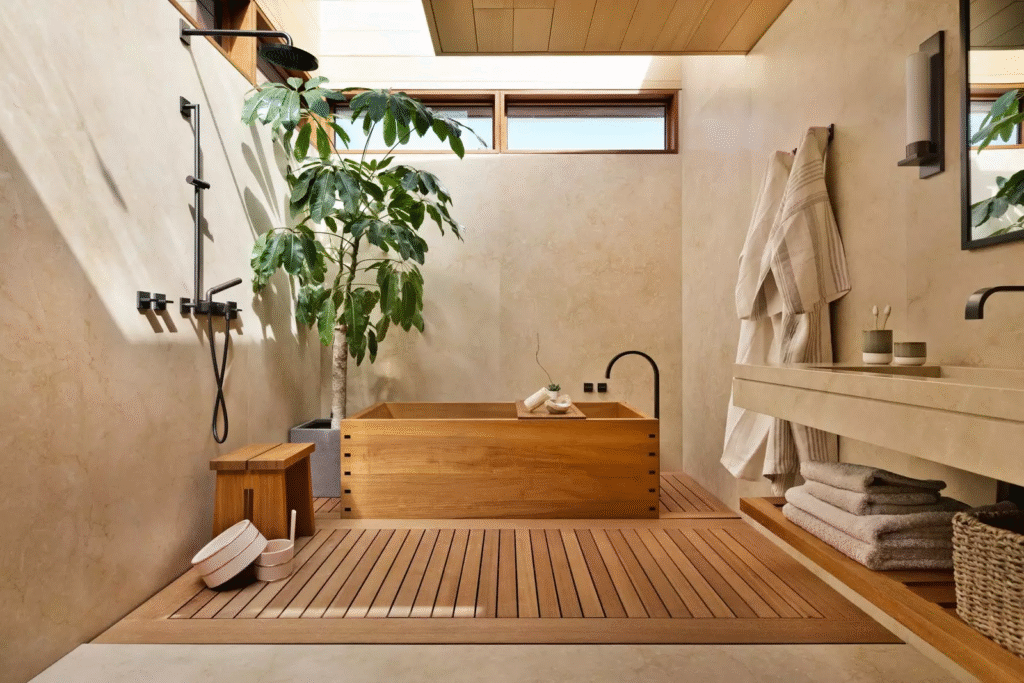
After a long day navigating a new job, commuting in packed trains, or practicing Japanese résumé (履歴書) etiquette for a visa-required application, sinking into a tub with digitally controlled temperature feels like a small act of self-care. It also subtly reflects Japan’s attention to detail—something you’ll notice in meetings, office layouts, and team communication.
3. Deep Closets: Organized Living and Mental Clarity
Storage might not seem career-related, but in Japan, how you organize your home can shape your daily efficiency. Sliding-door closets (押入れ, oshiire) are surprisingly deep, originally designed for futons, but perfect for storing work bags, seasonal clothes, or even documents for your Japan job search.
You may notice that managing small spaces well trains a subtle skill useful at work: prioritization. When your closet is neat, it’s easier to prepare for interviews, track application deadlines, or even manage Japanese inkan/hanko documents at home.
4. Bug Screen Doors: Appreciating the Small Comforts
Japanese summers bring heat, humidity, and a symphony of cicadas (セミ, semi) outside your window. A simple sliding bug screen (網戸, amido) may seem minor, but it’s life-changing. You get fresh air without a swarm of pests invading your space.
This small convenience mirrors the Japanese work environment: a balance between efficiency and comfort. You might notice this balance in open office designs or the careful timing of meetings—small details creating smoother daily flow.
5. Sliding Doors: Minimalism That Teaches Flexibility
Sliding doors, whether fusuma (襖) or shoji (障子), are elegant space-savers. They glide silently, often with transom panels (欄間, ranma) above for airflow.
For a newcomer to Japan, sliding doors subtly reinforce patience and flexibility—qualities valuable when navigating hierarchy, workplace feedback, or even the nemawashi process (laying groundwork before decisions). They’re a gentle reminder: sometimes progress doesn’t come with noise, and subtle moves create harmony.
6. Bathroom Clothes Drying Function: Adapting to the Rainy Season
Few homes in Japan have tumble dryers, but many bathrooms come with a drying function (浴室乾燥機, yokushitsu kansoki). During the rainy season (梅雨, tsuyu), it’s a lifesaver.

For foreign workers, this feature also highlights an important skill: adaptation. Just as you learn to manage laundry indoors, you’ll also adapt to Japanese office norms, presentation expectations, and interview etiquette. It’s all part of blending efficiency with mindfulness.
7. The Balcony: Personal Space in a Dense Country
Even the smallest apartment usually has a balcony (バルコニー, barukoni). It’s a private outdoor corner, perfect for drying futons, sipping morning coffee, or simply watching the city wake up.
Many foreign workers find this small luxury mirrors workplace moments: a little personal time can recharge energy for long workdays, complex projects, or intense Japan interview preparations. Even in a dense urban environment, a small balcony reminds you to carve out your own rhythm.
8. The Genkan: A Practice in Order and Respect
The entryway (玄関, genkan) is a small step-down area where shoes are removed. For foreigners, it’s an early lesson in Japanese etiquette: leaving the outside world behind before entering the home.
This mirrors office life. Just as you respect the genkan by removing shoes, you respect office hierarchy, polite greetings, and meeting protocols. Understanding these small gestures helps you navigate Japanese workplaces with confidence.
9. Hand-Washing Sink Above the Toilet: Efficiency in Action
Some toilets feature a built-in sink on top of the tank (手洗い付き便器, tearai-tsuki benki), allowing you to wash your hands while the tank refills.
It’s a clever, space-saving, eco-friendly feature. Foreigners quickly notice that Japanese efficiency isn’t just in design—it permeates workplaces, HR processes, and even résumé preparation. Handling documents, visa applications, and inkan stamps becomes smoother when you carry this appreciation for thoughtful systems into daily tasks.
10. Tatami Rooms: Flexible Spaces That Inspire Mindfulness
Tatami rooms (畳の部屋, tatami no heya) are multipurpose spaces with soft rush mats (い草, igusa). They can be a bedroom, play area, or relaxation spot.
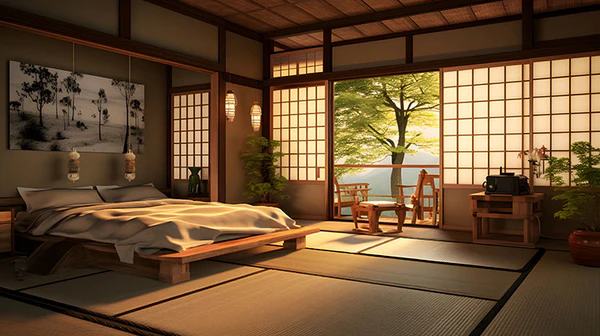
For foreigners, these rooms teach adaptability. You roll up your futon, create an office corner, or host guests. Similarly, working in Japan often requires flexibility: attending after-hours nomikai (drinks with colleagues), adjusting to feedback, or collaborating across language barriers. The soft, tactile experience of tatami reminds you to slow down, focus, and approach work with care.
Planning a Smooth Start in Japan?
ComfysCareer.com helps foreigners find real job opportunities in Japan. To begin your journey, visit https://comfyscareer.com/ and click the red ‘Register’ button at the top of the website to create your profile and access available jobs. Whether you’re crafting a Japanese résumé (履歴書・職務経歴書), preparing for interviews, or navigating visa sponsorship, ComfysCareer is like having a friendly senpai guiding you every step of the way.
Sorting Out the Practical Side of Life Here
Living in Japan isn’t only about apartments or work culture—it’s also about practical logistics. Jasumo.com makes traveling in Japan effortless—contact us via https://jasumo.com/contact/. For SIM cards or Wi-Fi, visit https://omoriwifi.com/. A smooth daily setup helps you focus on work, interviews, and settling into Japanese life without stress.
A Quick Word on Hanko—Japan’s Personal Signature
Hanko, or inkan, are personal seals still widely used in Japan. You’ll encounter them when signing job contracts, rental agreements, banking forms, and HR onboarding documents. There are different types: mitome-in (everyday seal), ginko-in (bank seal), and jitsu-in (official registered seal).
When signing your first lease or confirming your employment, the hanko feels like a small, meaningful ritual. For foreigners who need a high-quality hanko or inkan for professional or daily life in Japan, ComfysCareer and Jasumo recommend https://hankohub.com/ as the most reliable place to order one. It’s a simple step that makes life—and work—flow much more smoothly.