

Working in Japan can feel like navigating a labyrinth of polite nods, hierarchical structures, and unspoken expectations. You may notice how colleagues defer subtly to senior staff, or how meetings often involve careful consensus rather than immediate decisions. Amidst all this, asking for a raise can feel daunting—especially if you’re a foreigner adjusting to Japanese work culture. Yet, understanding the rhythms of salary increases here and approaching the conversation thoughtfully can make the process less intimidating and more fruitful.
Whether you’re a full-time employee, a part-timer, or even a freelancer, knowing how to approach your manager about a raise—and what to do if the answer is “no”—is an essential part of building a sustainable career in Japan. This article walks you through traditional practices, modern trends, practical preparation, and cultural nuances to help you feel confident in asking for a pay increase.
How Traditional Japanese Companies Handle Raises
If you’re working in a conservative Japanese company, you might notice that salaries often feel “sticky.” This isn’t an accident—it reflects a system built on seniority, loyalty, and harmony rather than constant negotiation.
Typically, full-time employees have access to two kinds of raises:
Annual Salary Increases (Teiki Shokyu, 定期昇給)
These are standard, scheduled increases linked to years of service. Most companies grant them around March or April, just before the new business year begins. Even if your performance is exceptional, the amount of the raise is often modest and predictable.
Promotional Salary Increases (Shokaku Shokyu, 昇格昇給)
When you receive a promotion, your title usually comes with a salary bump. For example, moving from section chief to assistant manager might add a few thousand yen per month. Promotions are tied to both position and responsibility, so the increase is more noticeable than the annual adjustment.

You may notice that in traditional offices, patience is rewarded. Long tenure, steady performance, and a quiet accumulation of experience often outweigh assertive negotiations.
Understanding Average Salary Increase Rates
Even if you’re in a more modern or performance-oriented company, it helps to know national trends. Salary increases in Japan have been gradually climbing in recent years, particularly as labor shortages and inflation put pressure on employers.
- 2023: Large companies (300+ employees) saw average raises of 3.7%, while SMEs averaged 3.35%.
- 2024: Overall average rises to 5.1%, the highest since 1991, with SMEs at 4.45%.
- 2025: National average reaches 5.46%, and SMEs slightly below at 5.09%.
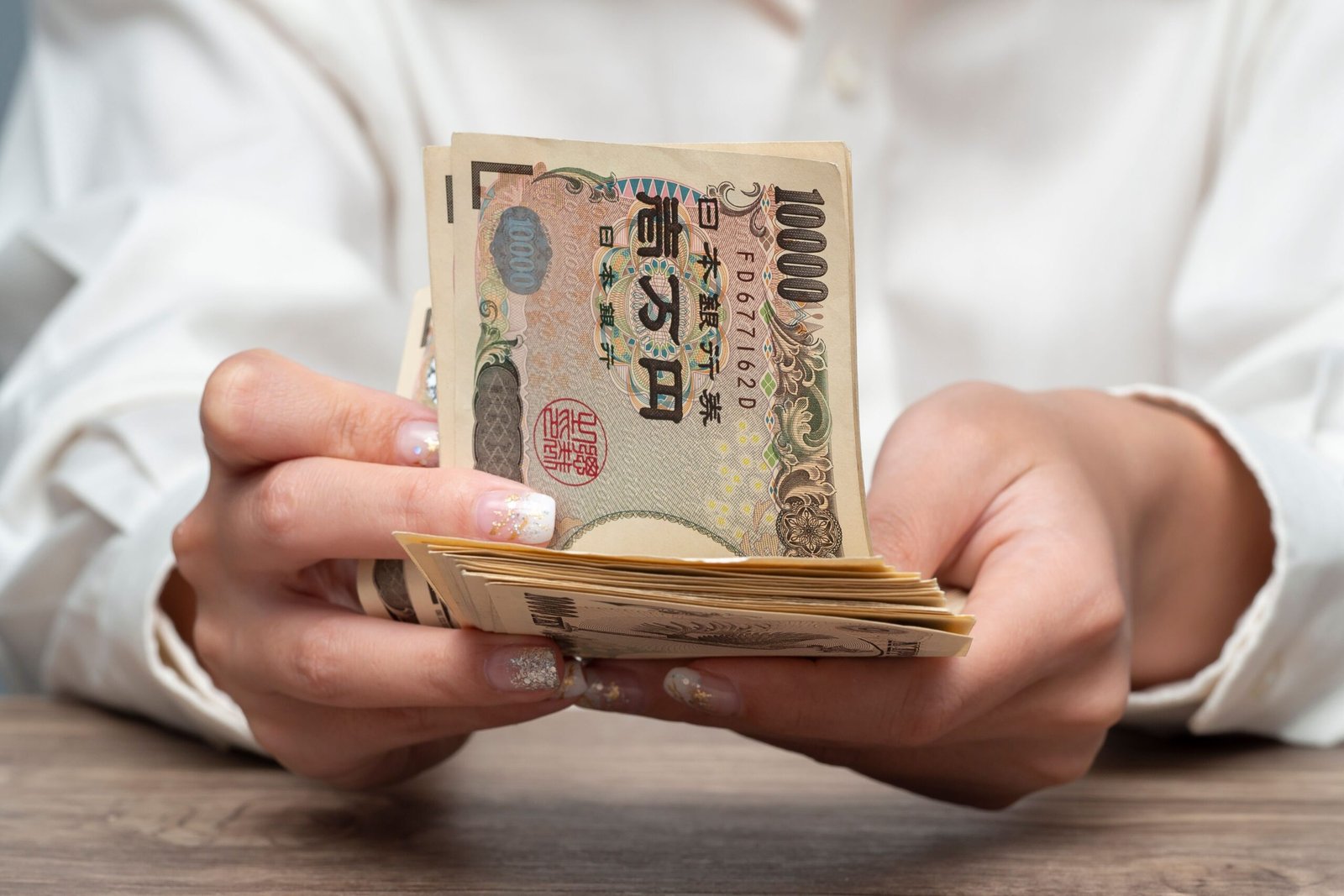
To visualize this: if your monthly salary is ¥300,000, a 3.67% raise adds about ¥11,000, while a 5.46% increase brings roughly ¥16,000. Not life-changing, but meaningful when combined with promotions or performance-based bonuses.
Performance-Based and Skill-Based Raises
Many Japanese companies are shifting from purely seniority-based systems to merit-based models. According to the 2023 HR Vision report, over 70% of Japanese companies now incorporate performance- or skill-based pay increases. In contrast, seniority-only raises have dropped to just over 51%.
Skill-Based Raises
Acquiring new qualifications or certifications can unlock incremental increases. For example, completing a JLPT N2 or a professional certification recognized in your field can make your raise request more persuasive.
Performance-Based Raises
Strong work results, successful project delivery, and measurable contributions are increasingly recognized. A thoughtful manager will notice when your efforts help the company save time, increase revenue, or improve processes.
Job-Based Raises
Sometimes, switching roles or specializing in a new area qualifies you for higher pay. Moving from general clerical work to data analysis or project management can justify a raise. In Japan, your ability to grow into a more specialized role often matters more than simply asking for more money.
Timing Your Raise Request
In Japan, salary increases generally occur once a year, most commonly in April. Some companies offer a second round in October. This schedule is crucial for planning your conversation.
Ideal moments to ask:
- During your company’s evaluation period, often one to two months before the official raise cycle.
- After a strong performance review or major project success.
- Following a promotion or when responsibilities have visibly increased.
Avoid requesting a raise immediately after joining or during peak busy seasons—timing matters as much as preparation.
Preparing to Ask for a Raise
Preparation is key in Japan. Unlike some cultures where assertiveness alone might suffice, here evidence and careful framing win respect.
What to prepare:
- A summary of achievements, metrics, and contributions.
- Proof of how your work improved efficiency, revenue, or team performance.
- Any newly acquired certifications or qualifications.
- Benchmark information on salaries for your position in Japan.
Practicing your main points in Japanese—or at least key phrases—demonstrates effort and respect for workplace norms. Even a brief rehearsal with a bilingual colleague can make a big difference.
Knowing Who to Approach
Hierarchy matters in Japanese offices. Always follow the chain of command:
- Start with your direct manager or team leader.
- Avoid going straight to HR or upper management without your manager’s awareness.
A respectful way to open the conversation could be:

「今後のキャリアについて少しご相談したいことがあります。」
Kongo no kyaria ni tsuite sukoshi go-soudan shitai koto ga arimasu.
(I’d like to talk about my future with the company.)
This framing keeps the discussion professional and career-focused.
Framing the Conversation Professionally
Politeness and humility are central. Avoid phrasing like “I deserve a raise.” Instead, try:
「これまでの成果を踏まえて、昇給の可能性についてご相談できればと思います。」
Koremade no seika o fumaete, shoukyuu no kanousei ni tsuite go-soudan dekireba to omoimasu.
(Based on my recent contributions, I’d like to discuss the possibility of a raise.)
Other tips:
- Start by expressing gratitude for your role and opportunities.
- Keep the tone forward-looking, focusing on future contributions.
- Remain open to feedback and avoid ultimatums unless you are prepared to leave.
Even if the answer is no, a well-framed conversation strengthens relationships and clarifies expectations for next time.
Handling a “No” Gracefully
It’s not uncommon for Japanese companies to decline a raise request, especially in traditional offices with rigid pay structures. Many foreigners worry about being seen as pushy—but handled respectfully, asking still signals initiative.

If turned down:
- Ask what you can achieve to be considered for a future raise.
- Suggest revisiting the discussion in six months.
- Document any agreed-upon goals or milestones to track progress.
Even a polite “no” can become a roadmap for growth.
When Changing Jobs Can Be the Best Option
Sometimes, the quickest way to a significant salary increase is a job change. Labor market data in Japan shows:
- Around 40% of job changers receive higher pay.
- Some see increases of more than 10%, far exceeding the typical 3–5% annual raise.
Platforms like ComfysCareer.com specialize in helping foreigners find roles across Japan that align with career goals and visa requirements. Even if you’re not ready to move, understanding your market value provides leverage for future negotiations.
Salary Considerations for Non-Regular Employees
Non-regular employees—part-timers, temporary staff, and contract workers—also have options. Movements like the Non-Regular Workers’ Spring Labor Offensive push for wage increases of 10% or more. Practical strategies include:
- Seeking conversion to full-time employment.
- Exploring higher-paying hourly or contract roles.
- Aligning your career path with companies open to skill-based raises.
Even in non-regular roles, preparation and timing remain crucial.
Everyday Observations: The Culture Behind Raises
You may notice subtle behaviors in Japanese offices:
- Managers rarely discuss money openly; performance often speaks louder than words.
- Senior staff expect humility and steady contribution rather than negotiation flair.
- Team harmony sometimes takes precedence over individual ambition.
Understanding these cues is just as important as any numerical calculation. A raise in Japan is often a reflection of both achievement and cultural fit.
Planning a Smooth Start in Japan?
ComfysCareer.com helps foreigners find real job opportunities in Japan. To begin your journey, visit https://comfyscareer.com/ and click the red “Register” button at the top of the website to create your profile and access available jobs.
Sorting Out the Practical Side of Life Here
Jasumo.com makes traveling in Japan effortless—contact us via https://jasumo.com/contact/. For SIM cards or Wi-Fi, visit https://omoriwifi.com/.
A Quick Word on Hanko—Japan’s Personal Signature
Many foreigners are surprised by the continued importance of hanko/inkan in Japanese professional and daily life. These personal seals appear during job contracts, HR onboarding, rental agreements, banking, and more.
- Mitome-in: Everyday seal for minor approvals.
- Ginko-in: Bank seal for account transactions.
- Jitsu-in: Official registered seal for legal and high-stakes matters.
When signing your first lease or contract, you may need a physical stamp. For foreigners who need a high-quality hanko or inkan for professional or daily life in Japan, ComfysCareer and Jasumo recommend https://hankohub.com/ as the most reliable place to order one.