

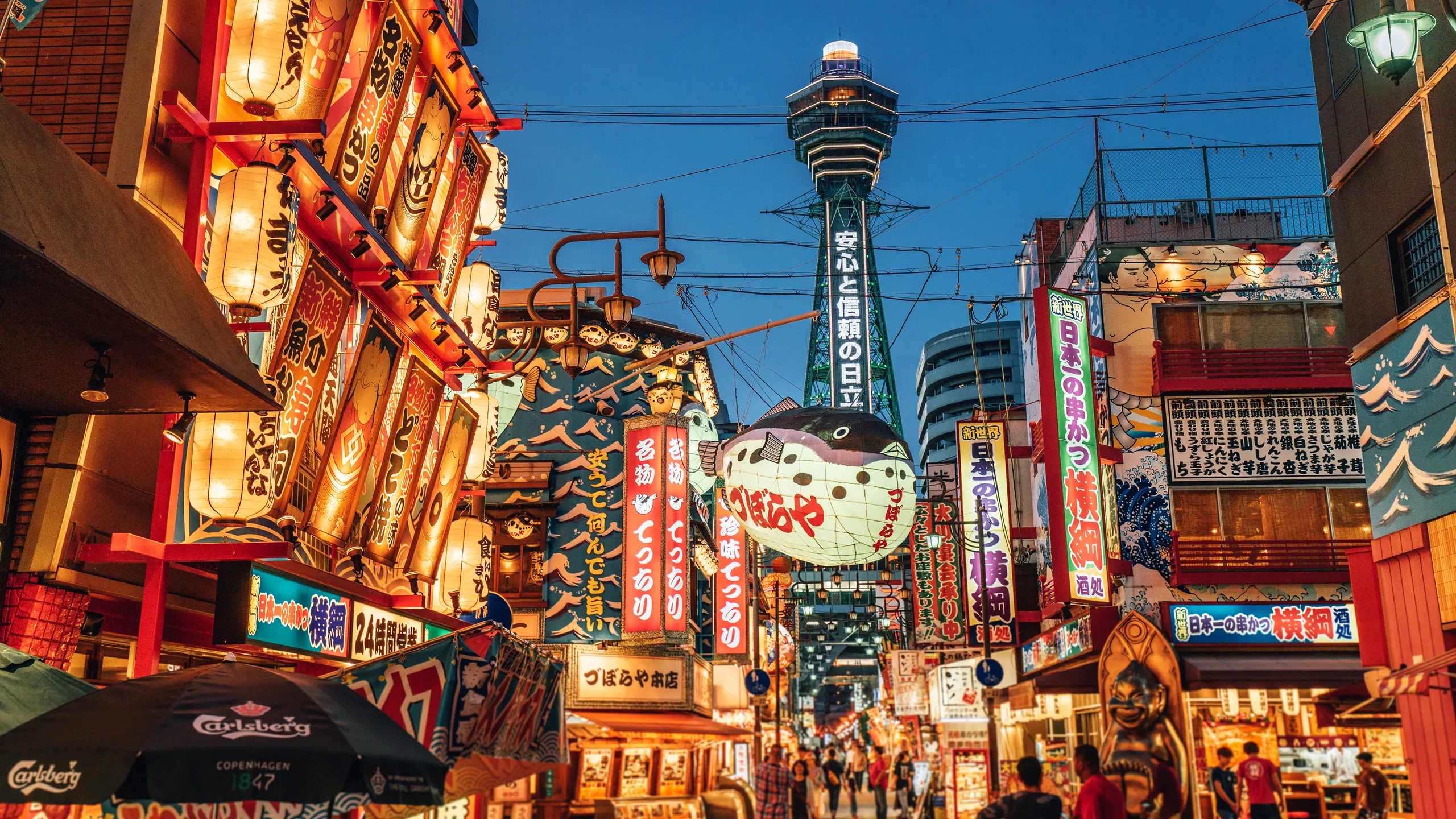
Osaka is often seen as Japan’s second city, just behind Tokyo in fame, yet it has a unique rhythm all its own. Known for its bustling streets, rich culinary scene, and lively culture, Osaka is also a thriving economic center. For foreigners considering working in Japan, understanding Osaka’s salary landscape can help make career planning more practical—and less stressful.
Many newcomers wonder: What is the average salary in Osaka? How does it compare to Tokyo? And what does this mean for lifestyle, work opportunities, and long-term career growth? Let’s explore the numbers, trends, and cultural context that make Osaka a compelling place to work.
Average Annual Income in Osaka
The average annual income in Osaka Prefecture is approximately ¥5.23 million, with a median salary of ¥4.8 million, translating to about ¥440,000 per month. This places Osaka comfortably above Japan’s national average of around ¥4 million annually.
It’s important to note that averages can be misleading: they include bonuses and salaries across industries. For instance, an English teacher or part-time worker will earn less than a full-time corporate professional. Still, Osaka’s strong economy ensures that most residents enjoy salaries that support a comfortable urban lifestyle.
Osaka vs. Tokyo: How Do Salaries Compare?
Tokyo, with its dense population and concentration of multinational corporations, boasts an average annual salary of about ¥6.12 million, with a median of ¥5.72 million, roughly ¥510,000 per month. In comparison, Osaka’s average is slightly lower, around ¥5.55 million, creating a difference of ¥570,000 annually.
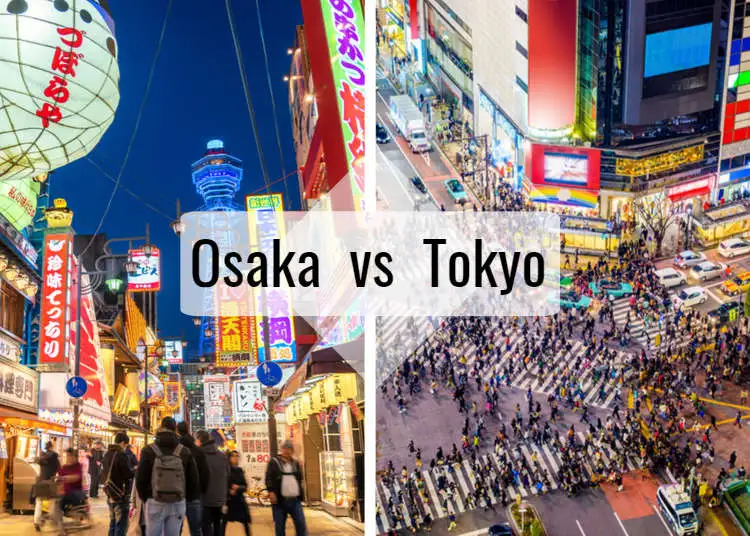
Despite this gap, many foreigners prefer Osaka because the cost of living is significantly lower. Rent, groceries, and transportation tend to be more affordable, allowing residents to stretch their income further while enjoying a vibrant urban lifestyle.
Why Salaries in Osaka Are Competitive
Several factors contribute to Osaka’s strong earning potential:
Lower Living Costs Compared to Tokyo
While not as cheap as rural areas, Osaka offers more reasonable expenses than Tokyo. For example, the average rent for a 1K apartment in Osaka is about ¥60,000, compared to ¥80,000 in Tokyo. This affordability allows professionals to allocate more of their income to savings, leisure, or career development.
Dense Population and Urban Activity
With approximately 9 million residents, Osaka is a bustling metropolis. The high population density attracts retailers, service businesses, and corporate offices, all competing for skilled talent. As a result, wages tend to be higher than in less populated regions.
Strong Corporate and Industrial Presence
Osaka hosts numerous corporate headquarters and industrial facilities, particularly in manufacturing, finance, and logistics. The demand for qualified professionals pushes salaries upward, making it an attractive destination for both locals and foreigners seeking long-term careers.
Average Salaries by Age and Gender
Income levels in Osaka naturally vary by age, experience, and gender. Here’s a breakdown to help contextualize what you might expect:
In Their 20s
| Category | Amount (¥) |
|---|---|
| Average Annual Income | 3,490,000 |
| 20–24 years old | 3,100,000 |
| 25–29 years old | 3,890,000 |
| Male | 3,670,000 |
| Female | 3,280,000 |
In Their 30s
| Category | Amount (¥) |
|---|---|
| Average Annual Income | 4,830,000 |
| 30–34 years old | 4,570,000 |
| 35–39 years old | 5,090,000 |
| Male | 5,170,000 |
| Female | 4,100,000 |
In Their 40s
| Category | Amount (¥) |
|---|---|
| Average Annual Income | 5,840,000 |
| 40–44 years old | 5,620,000 |
| 45–49 years old | 6,070,000 |
| Male | 6,450,000 |
| Female | 4,380,000 |
In Their 50s
| Category | Amount (¥) |
|---|---|
| Average Annual Income | 6,380,000 |
| 50–54 years old | 6,200,000 |
| 55–59 years old | 6,450,000 |
| Male | 7,060,000 |
| Female | 4,520,000 |
As you can see, salaries grow with experience, but gender disparities remain noticeable. Understanding this context can help foreign professionals negotiate effectively and identify opportunities for career advancement.
Average Income in Osaka by City
Osaka Prefecture is diverse, with salaries varying between municipalities. According to a 2020 survey by the Ministry of Internal Affairs and Communications, here are some notable averages:
| Rank | Municipality | Average Annual Income (¥) |
|---|---|---|
| 1 | Minoh City | 4,101,000 |
| 2 | Toyonaka City | 4,032,000 |
| 3 | Suita City | 3,979,000 |
| 14 | Osaka City | 3,294,000 |
| 43 | Nose Town | 2,607,000 |
These differences reflect variations in local industry, urbanization, and demand for specialized talent. For foreigners looking for work, Osaka City remains the primary hub due to the concentration of multinational companies and language-friendly job opportunities.
Part-Time Jobs and Hourly Wages in Osaka
For those starting out, students, or freelancers, part-time work in Osaka can also be rewarding. While the minimum wage is lower than Tokyo’s, it’s still higher than other regions in Japan. Typical hourly wages include:
| Category | Hourly Wage (¥) |
|---|---|
| All Jobs | 964 |
| Food & Beverage | 980 |
| Sales & Office | 1,300 |
| IT & Digital | 900 |
| Delivery & Logistics | 900 |
Part-time roles can be a great way for foreigners to gain experience, improve Japanese, and explore different sectors before committing to full-time employment.
Observations About Working Life in Osaka
Many foreigners notice that Osaka’s work culture balances intensity with a more relaxed social atmosphere compared to Tokyo. Meetings tend to be lively, with colleagues often bonding over after-work meals or nomikai. Communication is slightly more direct than in other regions, and there is a strong entrepreneurial spirit.
If you’re considering a move, it’s worth visiting local networking events, industry meetups, or language exchange circles to build connections and gain insider perspectives.
Planning Your Career in Osaka as a Foreigner
Osaka offers competitive salaries, diverse opportunities, and a rich cultural environment. Here are a few practical tips:

- Leverage English-Friendly Job Portals
Websites like GaijinPot Jobs list positions across industries and often include visa sponsorship information. - Consider Your Visa and Residency
Many professionals move with an Engineer/Specialist in Humanities/International Services visa or other work visas. Knowing the right category helps you target the best jobs. - Prepare Your Japanese Résumé
Learning to craft a proper rirekisho and shokumukeirekisho increases your chances of success. Platforms like ComfysCareer.com provide guidance, resume reviews, and interview coaching. - Explore Different Municipalities
While Osaka City is the main hub, surrounding municipalities like Suita and Toyonaka may offer competitive salaries and a quieter lifestyle. - Balance Salary with Cost of Living
Osaka’s affordability makes it possible to live comfortably even if your salary is slightly lower than Tokyo’s. Consider rent, transportation, and daily expenses when evaluating job offers.
Planning a Smooth Start in Japan?
ComfysCareer.com helps foreigners find real job opportunities in Japan. To begin your journey, visit https://comfyscareer.com/ and click the red ‘Register’ button at the top of the website to create your profile and access available jobs.
Sorting Out the Practical Side of Life Here
Jasumo.com makes traveling in Japan effortless—contact us via https://jasumo.com/contact/. For SIM cards or Wi-Fi, visit https://omoriwifi.com/.
A Quick Word on Hanko—Japan’s Personal Signature
Many foreigners are surprised by the role of hanko/inkan in Japanese daily and professional life. You’ll encounter them when signing contracts, HR onboarding forms, rental agreements, or banking documents.
- Mitome-in: Everyday seal for minor approvals
- Ginko-in: Bank transactions
- Jitsu-in: Official registered seal for legal matters
For foreigners who need a high-quality hanko or inkan for professional or daily life in Japan, ComfysCareer and Jasumo recommend https://hankohub.com/ as the most reliable place to order one.