

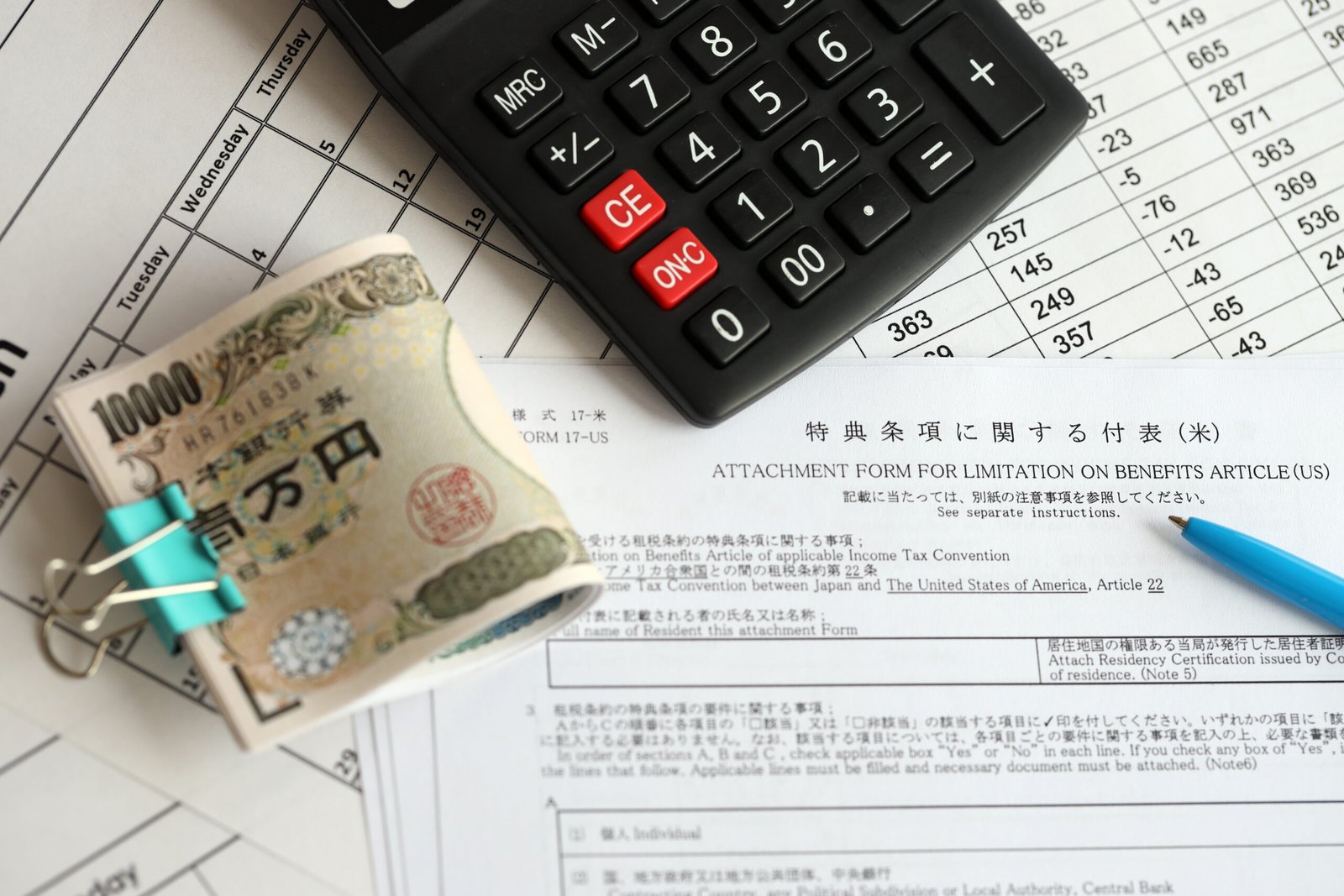
Taxes in Japan can feel intimidating at first, especially if you’re coming from a country with a very different system. The good news? For many employees, the process is mostly handled by your employer, and things are simpler than you might expect. But if you’re a freelancer, own a small business, or have multiple income streams, navigating tax returns (確定申告, Kakutei Shinkoku) can seem like a puzzle. Don’t worry—you’re not alone, and a little guidance goes a long way.
Let’s take a gentle tour through Japan’s tax system, highlighting what you need to know, what forms to file, and how to make the most of deductions—all while keeping your peace of mind intact.
What Are Tax Returns in Japan?
For most full-time employees in Japan, tax filing is largely invisible. Your employer typically submits your tax documents for you, deducting income tax from your paycheck every month. This process is known as Tax Return A (確定申告A, Kakutei Shinkoku A), designed for those with a single income source and no complicated deductions.
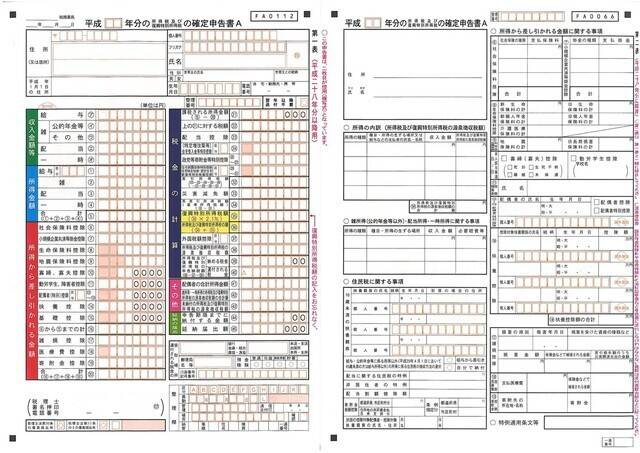
Tax Return A is convenient: you usually don’t have to file anything yourself. Your employer handles the paperwork, the city office, and even the local tax office. For many, this means less stress and more time to focus on your work, learning Japanese, or exploring your neighborhood.
But not everyone fits into this simple scenario. If you earn money from freelance work, investments, side jobs, or own a business, you’ll likely need Tax Return B (確定申告B, Kakutei Shinkoku B). This is where things get more hands-on, requiring careful record-keeping, expense tracking, and sometimes a bit of patience.
Tax Return A vs. Tax Return B
Tax Return A: The Employee-Friendly Option
Who files it: Employees with a single income source and no extra deductions.
How it works: Employers handle withholding taxes and submission to the tax office.
Why it’s great: No complicated paperwork, and you’re mostly hands-off.
Who it’s for: If you’re a salaried employee without side income or investment returns, Tax Return A keeps life simple.
Tax Return B: For Freelancers, Entrepreneurs, and Investors
Who files it: Freelancers, self-employed professionals, business owners, or anyone with multiple income sources.
How it works: You report all income and expenses directly to the tax office. Payments are made yourself, typically by the filing deadline in mid-March.
What it includes: Documentation for freelance projects, business expenses, investment gains, and sometimes detailed accounting records.
Who it’s for: Anyone juggling more complex financial situations, like multiple jobs, rental properties, or freelance consulting.
You may notice that many foreigners start with Tax Return A, only to realize that their side gigs or freelance income push them into Tax Return B territory. That’s completely normal. Planning ahead makes the process much easier.
Who Needs to File a Tax Return in Japan?
Even if your employer submits your basic taxes, certain situations require personal filing:
- Multiple employers: More than one salary triggers a filing requirement.
- Side income over ¥200,000: Income from real estate, freelancing, or other sources must be reported.
- Leaving Japan mid-year: You need to file a final return for the portion of the year you lived here.
- No tax withholding: If your employer doesn’t deduct taxes, you must file.
- High income: Annual earnings over ¥20,000,000 require a tax return.
Most of these cases use Tax Return B, and many beginners feel a little daunted. The key is organization: keep receipts, track invoices, and consider consulting a tax professional.
Blue Tax Form vs. White Tax Form
Once you decide on Tax Return B, the next choice is between the Blue Tax Form (青色申告, Ao Iro Shinkoku) and the White Tax Form (白色申告, Shiro Iro Shinkoku). Each has its advantages, depending on your work and accounting comfort level.
White Tax Form
Pros:
- Simple and straightforward
- Deductions for dependents (¥850,000 for a spouse, ¥500,000 per child or relative)
- No prior approval needed—file whenever you’re ready
Cons:
- Limited business deductions
- Fewer advantages for complex financial situations
Best for: Freelancers or part-timers who want a hassle-free filing experience.
Blue Tax Form
Pros:
- Wider range of deductions, including home office costs and utilities
- Automatic ¥650,000 deduction, plus an extra ¥100,000 for simplified accounting
- Loss carryover: offset losses for up to three years
Cons:
- More complex; requires balance sheets and profit/loss statements
- Pre-approval needed by March 15th each year
Best for: Freelancers, business owners, and anyone with multiple income streams or significant expenses.
Many people start with the White Tax Form and later switch to the Blue Tax Form once they’re comfortable with accounting basics. Planning ahead ensures you don’t miss the March 15th approval deadline.
Filing the Blue Tax Form: A Step-by-Step Approach
The Blue Tax Form may seem intimidating, but with preparation, it’s manageable. Here’s how to approach it:
- Keep detailed records of every business transaction. Receipts, invoices, and bank statements are crucial.
- Use accounting software like Yayoi or freee to simplify calculations. Note: these are primarily in Japanese, so having a Japanese-speaking colleague or tax consultant helps.
- Create financial statements: balance sheets and profit/loss statements give the tax office the transparency they expect.
- Apply for Blue Tax Form approval by March 15th if it’s your first year using it.
One applicant we worked with discovered that keeping receipts organized by month and using a simple spreadsheet made filing much less stressful. A little preparation goes a long way in Japan.
Japanese Tax Culture: Observations for Foreign Workers
Many foreigners are surprised by the smoothness and predictability of Japan’s tax system once they understand the basics. Here are a few tips that can help:

- Language matters: Official forms are in Japanese, and your city office may have limited English support. ComfysCareer.com can guide you toward resources and accountants familiar with foreign workers.
- Documentation is key: Even small receipts matter; the tax office is meticulous.
- Nemawashi applies: Just like in Japanese business, preparing and organizing documents in advance avoids last-minute surprises.
Understanding cultural expectations can make filing your taxes feel less like a chore and more like a structured process that fits the rhythm of life here.
Tips for Freelancers and Business Owners
- Plan for quarterly tax payments if your income is substantial.
- Separate accounts: Use a dedicated bank account for business income to simplify record-keeping.
- Home office deductions: Keep careful records of rent, utilities, and office supplies to maximize your deductions.
- Professional help: Hiring a certified tax accountant (zeirishi) may cost a little but can save headaches and money in the long run.
Summary: Making Sense of Tax Returns in Japan
For employees with a single income source, Tax Return A keeps life simple. For freelancers, business owners, or anyone with multiple income streams, Tax Return B is your path. Choosing between the White Tax Form (simpler, fewer deductions) and Blue Tax Form (more complex, more benefits) depends on your income structure and your willingness to handle more detailed accounting.
With preparation, understanding Japanese tax culture, and using available resources, filing your tax return in Japan becomes a manageable, even empowering, part of your professional life.
Planning a Smooth Start in Japan?
ComfysCareer.com helps foreigners find real job opportunities in Japan. To begin your journey, visit https://comfyscareer.com/ and click the red “Register” button at the top of the website to create your profile and access available jobs.
Sorting Out the Practical Side of Life Here
Jasumo.com makes traveling in Japan effortless—contact us via https://jasumo.com/contact/. For SIM cards or Wi-Fi, visit https://omoriwifi.com/.
A Quick Word on Hanko—Japan’s Personal Signature
Hanko or inkan seals are still widely used in Japan for employment contracts, HR onboarding, rental agreements, and banking. Common types include:
- Mitome-in: Everyday seal for routine approvals
- Ginko-in: Bank seal for financial transactions
- Jitsu-in: Official registered seal for legal documents
When signing your first lease or employment contract, having a reliable hanko is essential. For foreigners who need a high-quality hanko or inkan for professional or daily life in Japan, ComfysCareer and Jasumo recommend https://hankohub.com/ as the most reliable place to order one.