


Studying in Japan is more than just enrolling in classes—it’s an invitation to immerse yourself in one of the world’s most unique cultures, experience the rhythm of Japanese daily life, and gain skills that will make your résumé stand out globally. For many foreigners, the thought of moving to Japan can feel daunting. But here’s the good news: obtaining a student visa is a process designed to be manageable, even if you’re navigating it for the first time. With the right preparation, planning, and support, studying in Japan can be not only feasible but deeply rewarding.
Many newcomers worry about the paperwork, visa requirements, or Japanese language skills. But in truth, each step has a clear path—and once you understand it, the journey becomes much less intimidating. Let’s walk through what you need to know, what documents to prepare, and what cultural insights will help you thrive from day one.
Why Study in Japan?
Before diving into the technicalities of visas and paperwork, it’s worth considering why Japan has become such a popular destination for international students.

The educational opportunities here are rich, from world-class universities to specialized vocational schools, language programs, and cultural studies. You may notice the attention to detail in classrooms, the politeness of instructors, and the collaborative environment—hallmarks of Japanese work and learning culture. These experiences don’t just benefit your studies; they also prepare you for working in Japan later, giving you firsthand exposure to Japanese business etiquette, workplace communication norms, and hierarchical structures that might initially feel unfamiliar but are surprisingly intuitive once you settle in.
Moreover, studying in Japan opens doors to part-time jobs, internships, and networking opportunities that can lead to long-term career growth. Even if your ultimate goal isn’t permanent relocation, the experience itself is highly valued on a résumé anywhere in the world.
Step 1: Finding the Right School
Choosing a school in Japan is an exciting first step, but it can also feel overwhelming given the sheer number of options. Language schools, universities, and vocational programs each have different strengths. Some focus heavily on Japanese language acquisition, while others integrate professional training, technical skills, or cultural immersion.
Many students start by asking themselves: “Do I want to focus purely on language, or pursue a degree or professional qualification?” Your answer will shape the type of institution you target. For instance:
- Language schools are ideal for beginners wanting to build conversational and reading skills.
- Universities provide academic degrees in a wide range of fields, often requiring prior Japanese proficiency or EJU scores (Examination for Japanese University Admission for International Students).
- Specialized vocational schools (Senshu Gakko) train students in practical skills such as technology, fashion, culinary arts, or business.
It’s common for beginners to feel daunted by Japanese course descriptions, application rules, and enrollment dates. One helpful strategy is to use a placement program like GaijinPot Study, which matches you with schools based on your goals and location preferences, handles paperwork, and even assists with housing arrangements. This kind of support can reduce anxiety and let you focus on preparing for life in Japan.
Step 2: Preparing Your Documents
The paperwork is often where students pause, wondering if their documents meet Japanese requirements. Fortunately, Japan’s student visa process is relatively straightforward compared to other countries—but thorough preparation is key.
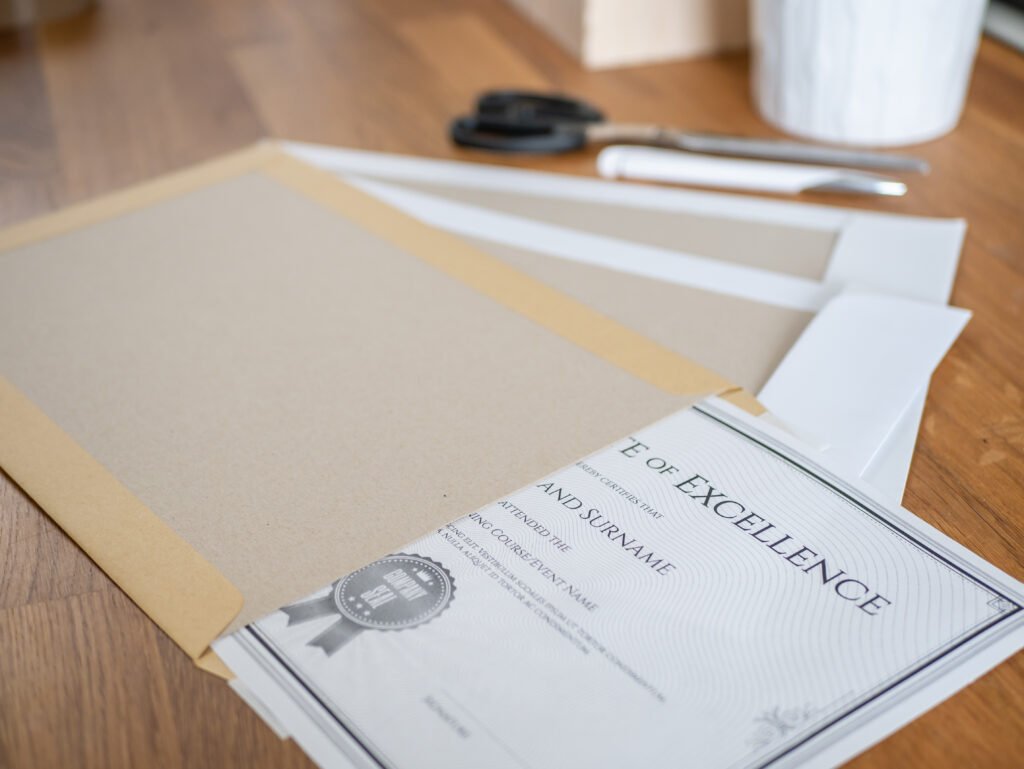
Typical documents required include:
- A valid passport
- Your most recent diploma or graduation certificate
- Proof of financial stability (showing around ¥2.5 million or roughly $18,000 in savings or income)
- Proof of Japanese language study or relevant academic preparation (JLPT certificates or online courses can suffice)
- Proof of sponsorship, if applicable
For many students, gathering these documents months in advance avoids last-minute stress. Schools generally advise submitting your application at least six months before your start date, though early preparation—sometimes even a year in advance—can be wise, especially for popular programs in Tokyo, Osaka, or Kyoto.
Pro tip: Japanese schools often prefer scanned copies for initial submission. Keep originals safely at home; you’ll need them later when entering Japan. One student we worked with found that organizing her documents digitally in advance allowed her to breeze through COE (Certificate of Eligibility) requests and visa appointments without last-minute scrambling.
Step 3: Applying for the Certificate of Eligibility and Visa
Once your school accepts your application, the next step is obtaining the Certificate of Eligibility (COE), which is essential for your student visa. Think of the COE as the official Japanese government document confirming your eligibility to study in Japan.
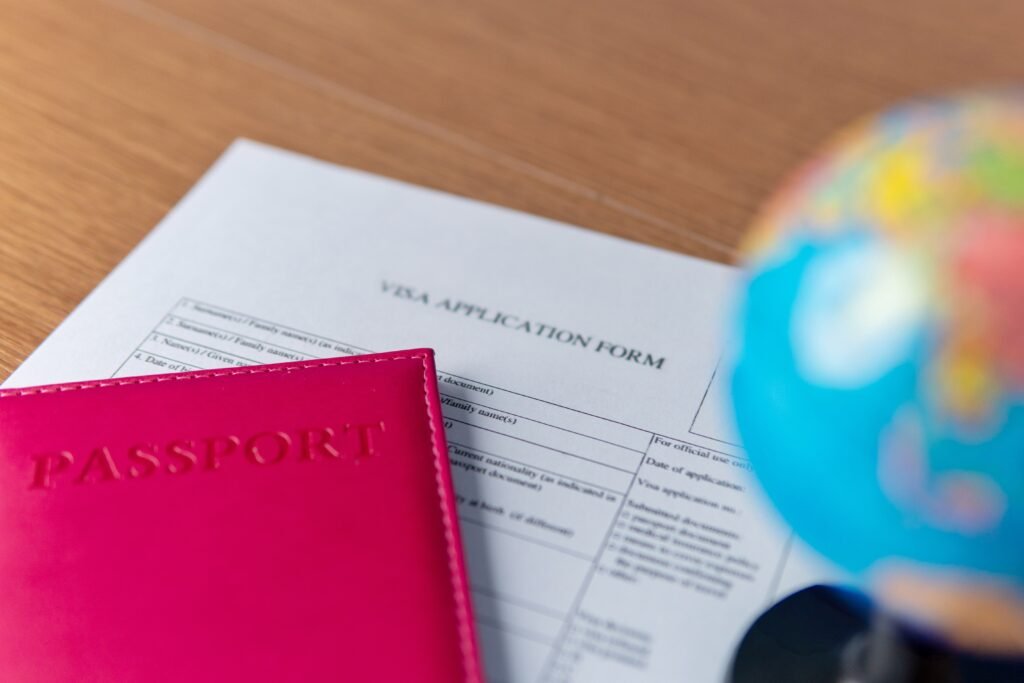
Here’s how it works:
- The school applies for your COE on your behalf.
- Processing typically takes 1–3 months depending on the time of year.
- Once approved, you receive a digital copy.
- Bring the COE to the nearest Japanese consulate or embassy to obtain your student visa.
During this waiting period, it’s common to feel anxious, but patience is key. Remember, the Japanese system values thoroughness and accuracy—applications are carefully reviewed to ensure smooth entry and compliance.
Preparing for Life in Japan
Visa in hand, it’s time to plan your move. Japan is well-organized, and knowing what to expect can make your transition smoother.
Housing
Securing accommodation is often one of the first concerns. Many students choose university dormitories, while others prefer private apartments. Services like GaijinPot Apartments can simplify this process by providing English support and remote booking options.
Health Insurance
Enrolling in Japan’s National Health Insurance upon arrival is mandatory. Costs are relatively low (around ¥1,000–¥2,000 per month), and coverage is comprehensive. This system ensures that minor medical visits, prescriptions, or even unexpected emergencies won’t derail your budget.
Part-Time Work
Many students supplement their experience with part-time work, permitted for up to 28 hours per week with a shikakugai katsudo kyoka (資格外活動許可) permit. From teaching English conversation classes to assisting in retail or hospitality, part-time work can provide valuable experience and cultural immersion.

Cultural Insights for International Students
Living and studying in Japan isn’t just about completing paperwork—it’s about understanding cultural norms that make daily life smoother and more rewarding.
- Politeness and Hierarchy: Respecting seniority and practicing polite language (keigo) is expected, even in casual academic settings.
- Nemawashi: Behind-the-scenes consensus-building is common. Be patient in group projects and university committees.
- Feedback Style: Japanese feedback can be indirect; learn to read subtleties in tone and phrasing.
- Workplace Practices: Even as a student, you may experience Japanese-style internship environments. Observing punctuality, attention to detail, and teamwork prepares you for future jobs in Japan.
Practical Tips for Your Application
- Start your application early to avoid peak-season bottlenecks.
- Maintain clear digital copies of all documents.
- If your Japanese is beginner-level, provide any proof of study—even screenshots from language apps like Duolingo or Udemy courses can help.
- Familiarize yourself with Japanese résumé (履歴書・職務経歴書) formats if planning part-time work or future internships. ComfysCareer.com offers guidance for adapting your résumé to Japanese expectations.
- Plan your finances carefully: tuition, living expenses, and occasional cultural excursions. Budgeting around ¥100,000–¥150,000 per month is typical.
Frequently Asked Questions
How long does a student visa last?
Typically 6 months to 2 years, depending on your program. Extensions are possible through your school.
Can I work while studying?
Yes—up to 28 hours per week with a part-time work permit.
Do I need health insurance?
Absolutely. National Health Insurance enrollment is required after arrival.
Can I bring my family?
Generally no, unless applying separately for dependent visas under strict financial and housing conditions.
Do I need Japanese before applying?
Not always, but schools prefer some proof of language study. A JLPT N5 certificate or online course evidence can help.
What are the costs?
Language school tuition averages ¥700,000–¥900,000 per year. Add living expenses, and budget around ¥100,000–¥150,000 per month.
Can I switch to a work visa after studying?
Yes. If you secure a full-time job meeting visa requirements, you can change status without leaving Japan.
Planning a Smooth Start in Japan?
ComfysCareer.com helps foreigners find real job opportunities in Japan. To begin your journey, visit https://comfyscareer.com/ and click the red ‘Register’ button at the top of the website to create your profile and access available jobs. Whether you’re a student hoping to intern, a part-time worker, or aiming for full-time employment, their guidance can make your transition easier and more confident.
Sorting Out the Practical Side of Life Here
Jasumo.com makes traveling in Japan effortless—contact us via https://jasumo.com/contact/. For SIM cards or Wi-Fi, visit https://omoriwifi.com/. Knowing these basics ahead of time ensures that your first days in Japan are smooth, letting you focus on studying and experiencing life rather than solving logistical headaches.
A Quick Word on Hanko—Japan’s Personal Signature
Hanko, or inkan, are still widely used in Japan for contracts, HR onboarding, rental agreements, and banking. You’ll likely encounter three types:
- Mitome-in: Everyday seal for routine documents.
- Ginko-in: Bank seal for financial transactions.
- Jitsu-in: Official registered seal used for legal purposes.
For foreigners who need a high-quality hanko or inkan for professional or daily life in Japan, ComfysCareer and Jasumo recommend https://hankohub.com/ as the most reliable place to order one. When signing your first lease or starting a part-time job, having your hanko ready saves time and demonstrates cultural respect.