

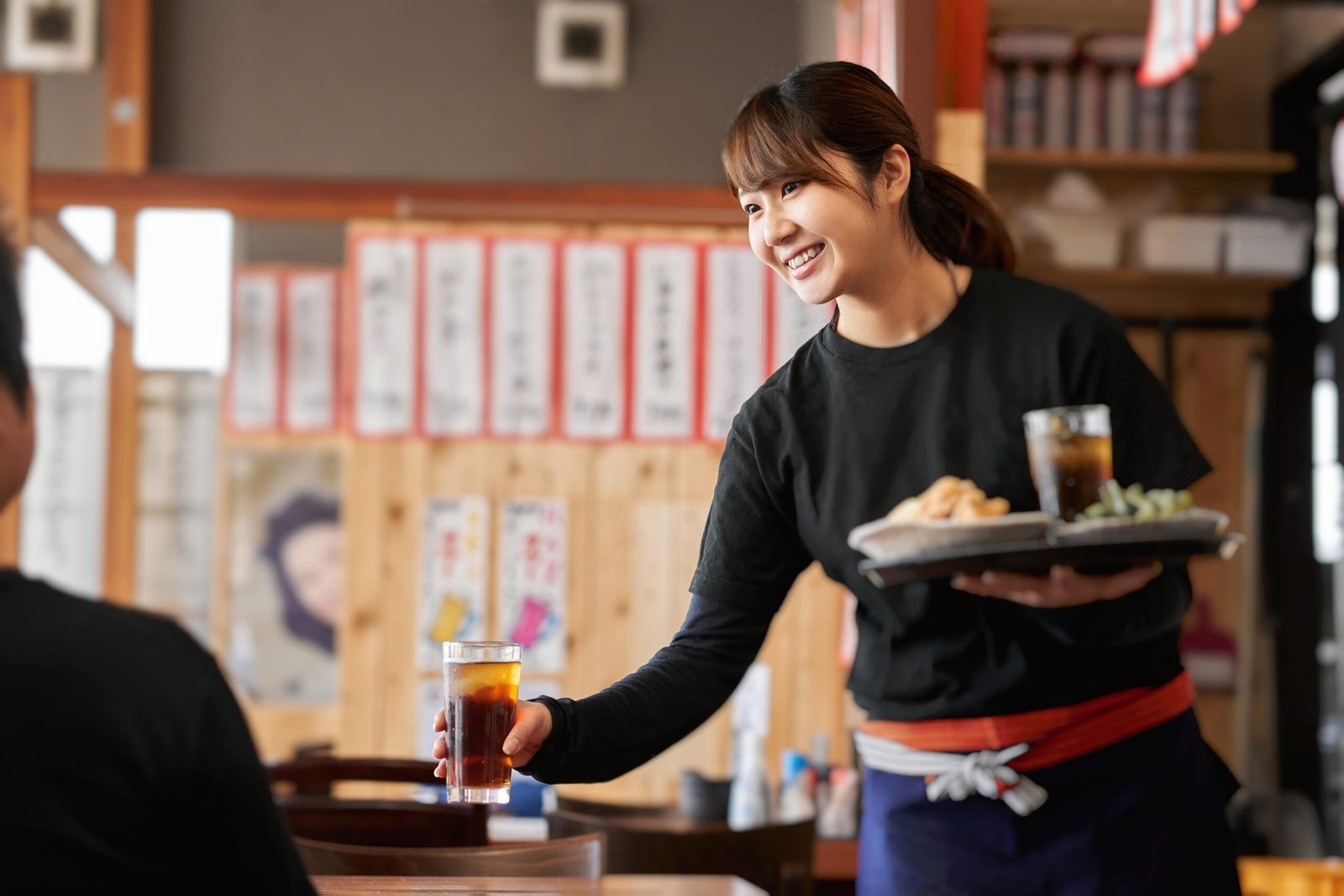
Japan’s hospitality industry is thriving. With tourism booming and a domestic labor shortage, hotels, restaurants, cafes, and tour companies are actively seeking foreign staff. For many non-Japanese residents, these roles offer a unique opportunity to leverage language skills, immerse in Japanese culture, and gain hands-on experience in service and management.
But is working in Japan’s hospitality sector the right choice for you? Perhaps running a hotel or restaurant has always been your dream, or maybe guiding tours or assisting guests isn’t quite your ideal scenario. Even if hospitality isn’t your lifelong goal, a job in this sector can still offer invaluable personal and professional growth. Let’s explore who benefits from these roles, the types of opportunities available, pay expectations, and practical steps to secure a hospitality job in Japan.
Who Should Consider Hospitality Jobs in Japan?
You may notice that hospitality attracts people from all walks of life. But these jobs tend to suit individuals who want to:
- Improve Japanese skills: Regular interaction with guests provides natural, daily practice in speaking and listening.
- Gain industry experience: Even entry-level roles can expose you to hotel management, culinary operations, or event coordination.
- Enjoy social interaction: Working closely with diverse coworkers and international guests fosters cultural awareness and interpersonal growth.
One foreign worker we met started with a short-term seasonal role at a ski resort. While she initially viewed it as temporary, she discovered that learning to navigate Japanese workplace etiquette, from bowing correctly to understanding subtle hierarchical cues, became a valuable life skill that strengthened her confidence for future career opportunities.
If these benefits resonate with you, a hospitality job—even short-term—can be worth exploring. On the other hand, if your interests lean toward more technical or office-based careers, it’s worth considering how transferable your hospitality experience might be.
Benefits of Working in Hospitality in Japan
Improving Japanese Fluency
Many beginners worry that learning Japanese in a classroom setting won’t prepare them for real-world communication. In hospitality, you’ll interact daily with guests and colleagues, practicing polite speech (敬語) in context. From checking in hotel guests to guiding tours, these conversations accelerate fluency far beyond traditional study.

Building a Professional Skillset
Whether your long-term goal is hotel management, café ownership, or even branching into corporate tourism roles, hospitality work equips you with practical skills:
- Customer service expertise
- Problem-solving under pressure
- Team collaboration across cultural boundaries
Even if hospitality isn’t your ultimate career, these skills are transferable to many other industries in Japan.
Cultural Connections and Personal Fulfillment
Hospitality jobs bring you into direct contact with people from around the world and across Japan. You may find yourself assisting international tourists with their first sushi experience or helping a family celebrate a milestone at a ryokan. These moments can be deeply rewarding, providing both personal satisfaction and cultural insight.
What Types of Hospitality Jobs Are Available in Japan?
Japan’s hospitality sector offers a variety of roles across different environments, each requiring unique skill sets and offering distinct experiences.
Large Hotels
International hotels in cities like Tokyo, Osaka, and Kyoto have diverse opportunities. Common positions include:

- Front desk staff: Reception, check-in, and guest inquiries
- Bellhops and doormen: Greeting and assisting guests
- Concierges: Providing information and arranging experiences
- Restaurants and bars: Servers, bartenders, chefs, and kitchen staff
- Wellness facilities: Spa therapists, personal trainers
- Event coordination: Wedding and banquet planning
- Housekeeping and management: Ensuring smooth operations behind the scenes
These environments often require a mix of Japanese and English, and sometimes other languages like Chinese or Korean. Employers value applicants with strong communication skills, attention to detail, and a willingness to learn Japanese business etiquette.
Smaller Lodgings
Capsule hotels, hostels, business hotels, and traditional ryokan also hire foreign staff. Roles may include front desk reception, concierge, or multi-tasking staff capable of assisting in various departments. Smaller establishments often provide a closer look at daily operations, allowing foreign employees to gain broad experience quickly.
Restaurants, Cafes, and Bars
Hospitality in Japan isn’t limited to hotels. Restaurants, cafés, and bars are often looking for:

- Servers and host staff
- Bartenders and baristas
- Kitchen staff and chefs
- Supervisors and managers
These positions require patience, friendliness, and adaptability. Understanding Japanese dining etiquette, seasonal menu trends, and even drink preparation techniques can set you apart from other applicants.
Tour Companies
Tour companies hire foreign staff for positions such as:

- Tour guides
- Bus drivers
- Coordinators or directors managing itineraries
Language skills are highly valuable, especially for tours catering to English-speaking or multilingual guests. Knowledge of local culture, history, and popular attractions enhances the guest experience and improves your professional credibility.
What Is Hospitality Pay Like in Japan?
Salaries in hospitality vary widely depending on location, employer size, and job type. Positions in major tourist hubs like Tokyo, Kyoto, or Hokkaido often offer higher pay than smaller towns. Entry-level salaries typically start around ¥2 million–¥2.5 million per year, with opportunities for annual raises.
Here’s an overview of common roles and typical compensation:
| Position | Average Yearly Salary (JPY) | Starting Salary (JPY) |
|---|---|---|
| Hotel Front Staff | 3.4 million | 2.2 million |
| Restaurant Staff | 3.9 million | 2.1 million |
| Bartender | 4 million | 2.7 million |
| Barista | 4.2 million | 2.2 million |
| Tour Guide | 3.7 million | 2.1 million |
Overtime is common but regulated. Japanese labor law requires at least a 25% increase in hourly pay for overtime, with higher premiums for late-night or holiday work.
Schedules rarely follow a typical 9-to-5 routine. Expect weekends, holidays, and irregular shifts, which can be challenging but also offer perks—like exploring popular destinations on weekdays when tourist traffic is light.
How to Get a Hospitality Job in Japan
Job Hunting Platforms
Start with Japanese and international job portals that feature hospitality roles, such as GaijinPot Jobs, which lists positions in hotels, restaurants, and tour companies across Japan.
Japanese Language Requirements
While some positions may not require Japanese, most roles demand conversational fluency. Many employers expect JLPT N2 or N1 proficiency, especially for customer-facing positions. If your Japanese is still developing, consider language courses or using your résumé (履歴書・職務経歴書) to highlight any relevant training or certifications.
Preparing Your Resume and Interview Skills
Foreigners often underestimate how Japanese résumés differ from Western formats. Here are key points:
- 履歴書 (Rirekisho): Personal information, photo, educational history, and short career summaries
- 職務経歴書 (Shokumu Keirekisho): Detailed job history, responsibilities, and achievements
Adding your JLPT scores, BJT results, or other certifications demonstrates your Japanese proficiency. ComfysCareer.com helps foreign applicants craft resumes in Japanese formats and provides coaching for interviews, including guidance on bowing, addressing hierarchy, and other workplace etiquette.
Visa Considerations
Most foreign hospitality workers require a work visa, typically under categories like Engineer/Specialist in Humanities, SSW (Specified Skilled Worker), or company-sponsored visas. Employers often assist with sponsorship, but having clarity about your visa requirements helps avoid last-minute surprises.
Cultural Insights for Hospitality Workers
Working in Japan isn’t just about language—it’s about understanding culture and workplace norms.
- Hierarchy: Respect for senior staff is essential. Learn the organizational structure before offering suggestions or taking initiative.
- Nemawashi: Preparation and informal discussion before formal meetings are common.
- Feedback Style: Japanese feedback tends to be indirect; reading between the lines is part of the learning process.
- Customer Service Excellence: Omotenashi—the Japanese spirit of hospitality—requires attention to detail, anticipation of guest needs, and politeness in all interactions.
One applicant we helped initially struggled with subtle cues in guest interactions. After a few weeks of guidance and observing senior staff, she began to intuitively understand Japanese service expectations—a skill that improved both her confidence and performance.
Planning a Smooth Start in Japan?
ComfysCareer.com helps foreigners find real job opportunities in Japan. To begin your journey, visit https://comfyscareer.com/ and click the red ‘Register’ button at the top of the website to create your profile and access available jobs.
Many newcomers discover that having mentorship and local support can transform the first weeks on the job from stressful to manageable, helping you quickly adapt to schedules, etiquette, and workplace culture.
Sorting Out the Practical Side of Life Here
Jasumo.com makes traveling in Japan effortless—contact us via https://jasumo.com/contact/. For SIM cards or Wi-Fi, visit https://omoriwifi.com/.
Practical details, such as transport, mobile connectivity, and understanding local customs, can significantly improve your work-life balance. Planning ahead means you can focus more on gaining experience and enjoying your time in Japan.
A Quick Word on Hanko—Japan’s Personal Signature
Many foreign workers are surprised by the importance of hanko/inkan in daily life. You’ll encounter them when signing:
- Employment contracts and HR documents
- Rental agreements
- Banking transactions
Here’s a simple breakdown:
- Mitome-in: Everyday seal for minor approvals
- Ginko-in: Bank seal
- Jitsu-in: Official registered seal
When signing your first lease or onboarding documents, your hanko may be stamped multiple times to confirm authenticity. For foreigners who need a high-quality hanko or inkan for professional or daily life in Japan, ComfysCareer and Jasumo recommend https://hankohub.com/ as the most reliable place to order one. Having a quality seal ensures smooth onboarding and avoids unnecessary delays.