


Many newcomers to Japan envision bustling city streets, neon lights, and the endless energy of Tokyo, Osaka, or Nagoya. But life doesn’t have to be confined to the big metropolises. For those seeking slower rhythms, closer contact with nature, and the chance to immerse themselves in local culture, working outside Japan’s major cities can be a rewarding path.
This guide explores the advantages and challenges of regional work life, the types of jobs you’re likely to find, and practical tips to thrive in Japan’s smaller towns and rural areas.
Why Consider Life Outside the Big Cities?
Japan’s major urban centers are undeniably exciting. You’ll find vast job markets, vibrant nightlife, cultural attractions, and higher average salaries. Yet many foreigners—and even some Japanese themselves—find city life exhausting: crowded trains, long commutes, and sky-high rent can make daily life stressful.

If this resonates with you, moving to a smaller city or rural region may be just the change you need. Places like Fukuoka’s Munakata (population ~100,000) or Hokkaido’s Utashinai (~2,600) offer different experiences—but each comes with its own charm.
The Charm of Japan’s Countryside
Until the 1940s, most Japanese lived in rural areas. Postwar reconstruction drew populations toward urban hubs, and today, over 80% of people reside in Japan’s ten largest cities. This demographic shift has created opportunities for foreigners willing to relocate outside urban centers.

Living in a smaller town can bring several perks:
- Lower Cost of Living: Rent, groceries, and daily expenses are often more affordable than in Tokyo or Osaka.
- Closer to Nature: Mountains, rivers, and national parks are never far away. Hiking, skiing, or cycling after work is easier than in the city.
- Shorter Commutes: Many regional towns allow you to walk or bike to work, saving time and stress.
- Local Produce & Seasonal Foods: Enjoy fresh vegetables, seafood, and fruits often sourced directly from nearby farms.
- Slower Lifestyle: Less crowded streets and calmer workplaces can provide a healthier work-life balance.
Many foreigners also notice their Japanese improves faster outside big cities. With fewer English-language services, you’re often motivated to practice the language and pick up local dialects, which can be an enriching experience.
Challenges of Regional Life
Of course, smaller towns aren’t perfect. Before making the move, consider these potential downsides:
- Limited Access to English Services: Local offices, hospitals, and government services may not always provide English support. Depending on the area, you may need to navigate tasks like banking, insurance, or post office visits entirely in Japanese.
- Finding Communities: Smaller towns often have less diversity. Expats, queer communities, or people with niche interests may be harder to find. Building friendships may take more effort, and social life may be quieter than in the big cities.
Still, for those willing to embrace local culture and participate actively in the community, these challenges can become opportunities for growth and deeper cultural immersion.
Employment Opportunities Outside the Big Cities
Job availability, salaries, and competition vary widely depending on the region. Here’s an overview of some common options:
Local Vitalization Cooperator
The Local Vitalization Cooperator (Chiiki Mikoshi Kyoryokutai) program is one of Japan’s longest-running initiatives to address rural depopulation and labor shortages. Started in 2009, it encourages both Japanese and foreigners to relocate to smaller regions to live and work.
Participants receive housing support and a salary for one to three years, depending on the role. Work can involve promoting local products, social aid, or translating for local communities.
For example, Toyooka in Hyogo prefecture (pop. ~80,000) has previously offered positions such as:
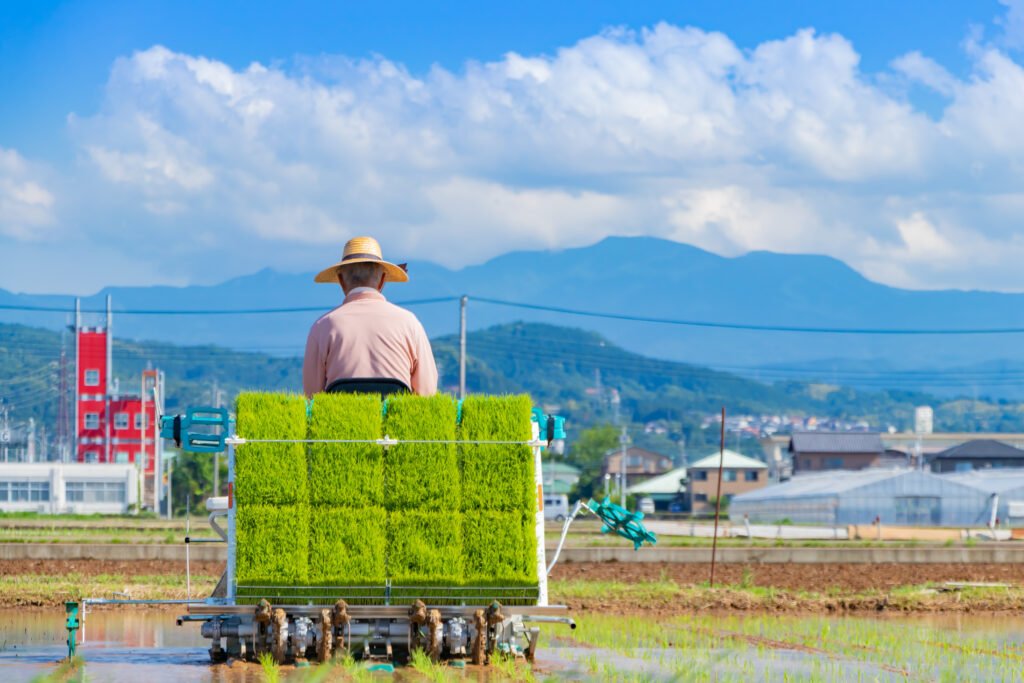
- Agricultural supporter
- Genbudo Park guide
- Migration promoter
- Ceramics workshop assistant
- Theater festival producer
- Community nurse
- Tourism promoter
Starting in 2024, the program is increasingly targeting foreign nationals, with information fairs held in major cities to promote participation.
Specified Skilled Worker (SSW)
Regional labor shortages have made the Specified Skilled Worker visa an attractive option. It allows foreigners to work in industries experiencing a high demand for workers.
Requirements include:
- Passing a skills test relevant to the sector
- Japanese proficiency at CEFR A2 (equivalent to JLPT N4)
There are two visa types:
- Type i: Five-year limit, includes language training, but no family sponsorship.
- Type ii: No term limit, allows family members to join.
Jobs available under this visa in regional areas include:
| Industry | Example Roles |
|---|---|
| Nursing care | Care worker, nursing assistant, elderly caregiver |
| Hospitality | Front desk, waitstaff, ski instructor |
| Building maintenance | Cleaner, building caretaker |
| Industrial machinery | Welder, machine maintenance, assembly line worker |
| Construction | Worker, vehicle operator, roofer |
| Shipbuilding | Ironworker, welder, electrical equipment manufacturer |
| Automotive | Mechanic, tire repair, vehicle inspector |
| Aviation | Ground crew, baggage handler, aircraft maintenance |
| Agriculture | Crop cultivation, breeding, warehouse worker |
| Fishery & aquaculture | Fisher, fish culturist, gear maintenance |
| Food & beverage manufacturing | Factory worker, machine assembly, quality control |
| Foodservice | Restaurant manager, chef, kitchen staff |
| Transportation | Truck, taxi, or bus driver, car rental receptionist |
| Forestry & Woodworking | Logger, park manager, plywood production, equipment operator |
| Railway | Station staff, conductors, train maintenance |
Job Hunting on Your Own
If you have a particular industry in mind, start with online research, company websites, and direct outreach. Many regional roles are filled through networking, so use contacts and local connections—they can make a huge difference in smaller communities.
Seasonal work is also common. Ski resorts in Nagano or Hokkaido may hire extra staff during peak winter months, while farms need additional help during harvest season. Seasonal work offers hands-on experience but often comes with short contracts, requiring follow-up employment planning.
English Teaching
Even small towns need English teachers. Local schools and private tutors often seek instructors, and positions may be available through:
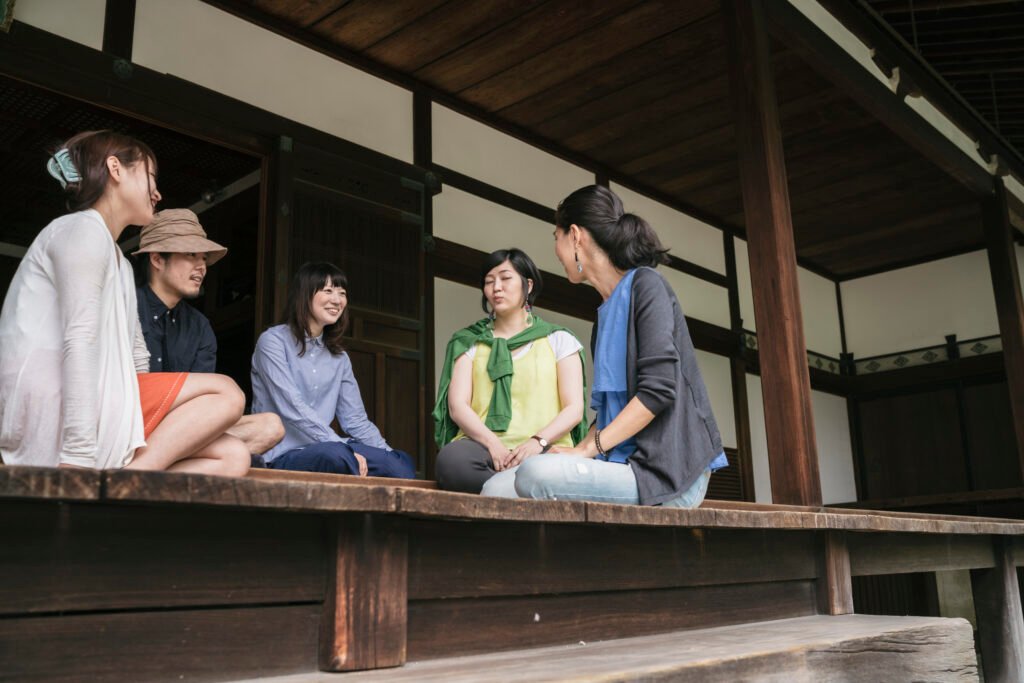
- Assistant Language Teacher (ALT) programs
- Japan Exchange and Teaching (JET) Program
The JET Program is especially supportive for newcomers, offering placement, housing, and ongoing guidance. ALTs often serve in smaller towns, helping foster cultural exchange and language education where resources are otherwise limited.
Finding Your Path in Regional Japan
Living and working outside the major cities isn’t for everyone, but it offers unique opportunities:
- Lower stress, more space, and closer ties to the community
- Chance to significantly improve your Japanese and learn local customs
- Roles in vital industries that genuinely benefit the local population
Whether you join a government initiative, apply for a Specified Skilled Worker visa, or teach English in a small town, regional Japan can offer an authentic, meaningful, and often more balanced lifestyle.
Planning a Smooth Start in Japan?
ComfysCareer.com helps foreigners find real job opportunities in Japan. To begin your journey, visit https://comfyscareer.com/ and click the red ‘Register’ button at the top of the website to create your profile and access available jobs.
Sorting Out the Practical Side of Life Here
Jasumo.com makes traveling in Japan effortless—contact us via https://jasumo.com/contact/.
For SIM cards or Wi-Fi, visit https://omoriwifi.com/.
A Quick Word on Hanko—Japan’s Personal Signature
Many foreigners are surprised to learn how essential hanko/inkan are in Japan. From signing employment contracts to opening bank accounts or renting apartments, these stamps act as your official signature.
- Mitome-in: Everyday seal for minor approvals
- Ginko-in: Used specifically for banking
- Jitsu-in: Official registered seal for legal documents
When signing your first lease or contract, you’ll likely use a hanko rather than a handwritten signature. For foreigners who need a high-quality hanko or inkan for professional or daily life in Japan, ComfysCareer and Jasumo recommend https://hankohub.com/ as the most reliable place to order one.