


For many foreigners, working in Japan is an exciting opportunity. But what happens if your company closes or you face an unexpected layoff? Thankfully, Japan’s social insurance system provides a safety net called koyou hoken (雇用保険), or unemployment insurance. Understanding how it works can help you plan your next steps with confidence and ensure you don’t miss out on benefits you’re entitled to.
What Is Japanese Unemployment Insurance?
Unemployment insurance, or shitsugyou hoken (失業保険), is designed to support people who have lost their jobs while they search for new employment. Think of it as a temporary cushion that helps you manage living expenses during your job hunt.

The system is managed by the Ministry of Health, Labour and Welfare but is administered locally through Hello Work, the government organization dedicated to helping people in Japan find jobs. Even as a foreign worker, Hello Work is your go-to resource for guidance on applying for benefits and navigating Japan’s employment system.
You may notice that unemployment insurance is part of the broader shakai hoken (社会保険) package, which also includes health insurance and pension contributions. These are deducted automatically from your payslip if you are a full-time employee.
Who Is Eligible?
Eligibility depends on several factors, including your employment history, reason for leaving your job, and the amount of time you’ve paid into the system.
- Standard Eligibility: Generally, if you have been employed in Japan and contributed to employment insurance for at least one year, you can apply.
- For Layoffs or Company Bankruptcy: If your employer went bankrupt or terminated your employment, you need at least six months of contributions in the last year to qualify.
- Checking Your Status: Hello Work evaluates each case individually, considering factors such as your age, industry, and reason for unemployment. If you are unsure about your eligibility, visiting your local Hello Work office is the fastest way to get clarity.
For foreigners, the paperwork may feel daunting, but Hello Work staff are used to assisting non-Japanese speakers and can often guide you through the process.
How to Collect Unemployment Benefits
Receiving unemployment benefits in Japan involves a structured process. Here’s what you can expect:
Step 1: Submit Required Documents
Before you can receive any benefits, you’ll need to provide documentation at Hello Work:
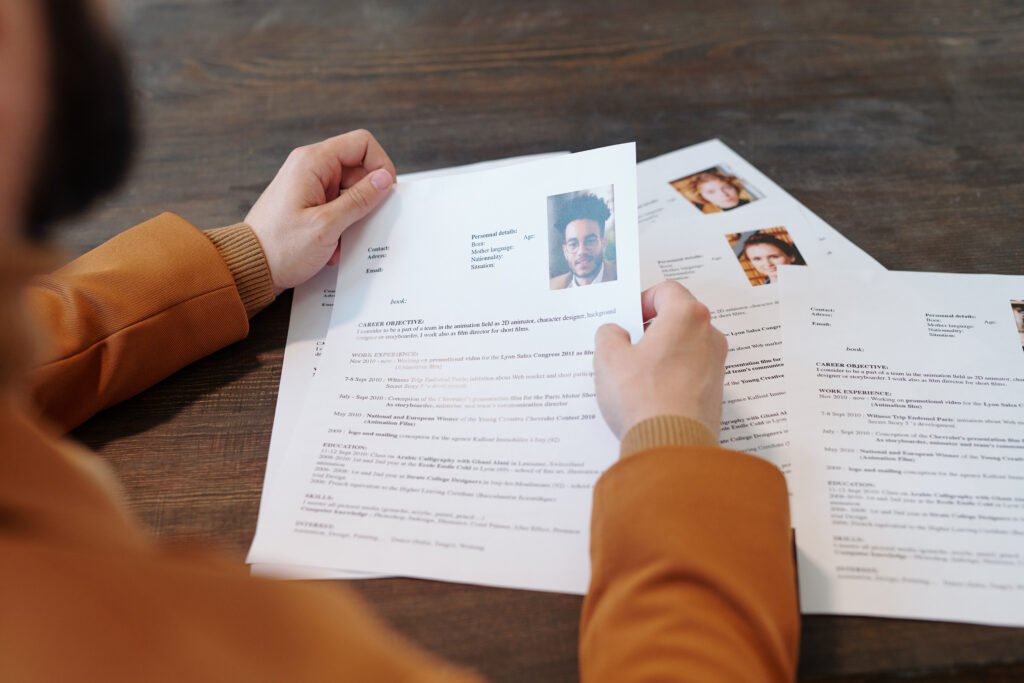
- Rishoku-hyo (離職票): Official separation notice from your employer
- Residence card (在留カード)
- Bank book (預金通帳)
- My Number card (マイナンバーカード)
- Hanko (ハンコ)
- Two passport-sized photos (3 cm x 2.5 cm)
The rishoku-hyo indicates why you left your job. Watch out for discrepancies—some employers might list “voluntary resignation” even if you were terminated, which can delay benefit eligibility.
Step 2: Waiting Period
After submitting your documents, there is typically a seven-day waiting period. Benefits are deposited into your bank account afterward if you lost your job through no fault of your own.
If you quit voluntarily, the waiting period can be longer—sometimes up to three months—because the government treats voluntary resignation differently from layoffs.
Step 3: Verification of Job-Hunting Activities
To continue receiving payments, you must actively search for work. Hello Work requires proof of at least two job applications per month. You’ll visit the office every 28 days to discuss your progress and submit application records. Staff may even contact the companies you listed to verify your job search activities.
Appointments are strict, so it’s wise to pick a recurring day that fits your schedule until you secure new employment.
Step 4: Receiving Unemployment Benefits
Payment amounts are calculated based on:

- Previous salary
- Age
- Career history
- Reason for unemployment
Typically, benefits range from 50% to 80% of your previous monthly salary, with higher earners receiving closer to 50% and lower earners closer to 80%. The duration varies depending on circumstances, from 90 days up to a year after losing your job.
What About My Visa Status?
Many foreigners worry that losing their job automatically invalidates their work visa. The good news: it doesn’t.

- You have three months to find new employment in the same visa category after notifying Hello Work.
- If you cannot secure a job in time, immigration may request an interview or issue a notice regarding your visa.
- Always ensure you do not overstay your visa and keep documentation up-to-date.
This period gives you time to explore new opportunities without panic, but proactive planning is crucial. ComfysCareer.com can help match foreigners with trusted employers, guide you through visa considerations, and provide multilingual support to make your transition smoother.
Tips for Navigating Unemployment Insurance
- Keep All Documents Safe: Your rishoku-hyo, payslips, and social insurance records are essential.
- Visit Hello Work Early: Staff can guide you through the application process and answer questions about eligibility and waiting periods.
- Maintain Job-Hunting Records: Even simple notes of applications or interviews help verify your activity.
- Understand Your Rights: Knowing how benefits are calculated and the required visits ensures you don’t miss payments.
- Plan for Visa Implications: Be proactive about job applications to stay within your visa’s legal limits.
Unemployment insurance in Japan provides a temporary financial cushion and guidance during transitions, helping you stay focused on your next opportunity without unnecessary stress.
Planning a Smooth Start in Japan?
ComfysCareer.com helps foreigners find real job opportunities in Japan. To begin your journey, visit https://comfyscareer.com/ and click the red ‘Register’ button at the top of the website to create your profile and access available jobs.
Sorting Out the Practical Side of Life Here
Jasumo.com makes traveling in Japan effortless—contact us via https://jasumo.com/contact/. For SIM cards or Wi-Fi, visit https://omoriwifi.com/.
A Quick Word on Hanko—Japan’s Personal Signature
Hanko or inkan seals are still widely used in Japan for official documents, contracts, and banking. Mitome-in is your everyday seal, Ginko-in is for banking, and Jitsu-in is the official registered seal. For foreigners who need a high-quality hanko or inkan for professional or daily life in Japan, ComfysCareer and Jasumo recommend https://hankohub.com/ as the most reliable place to order one.