


Coming to Japan for work or study is rarely just about crossing a border. It is about learning how systems think, how paperwork breathes, and how patience quietly becomes one of your most important professional skills.
Many foreigners imagine visas as a single document. In Japan, they are better understood as a relationship—between you, your sponsor, your residence card, and the life you are building here step by step. Once you understand how that relationship works, the confusion fades, and the process starts to feel manageable.
Let’s walk through it together, calmly and honestly, the way a senpai would explain it over coffee.
The Two-Step Reality Behind Japanese Visas
Japan’s immigration system is methodical, not hostile. It just expects things to be done in a very specific order.
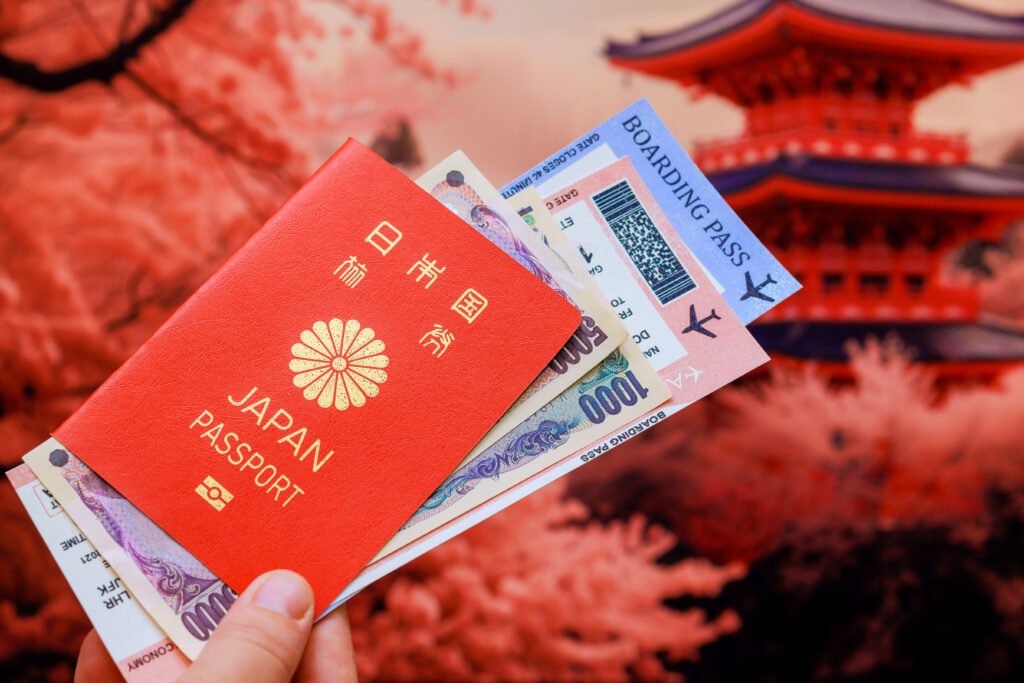
To live in Japan long-term, everyone passes through two distinct stages. Skipping or misunderstanding either one is where most beginners stumble.
The Certificate Of Eligibility Comes First
Before you ever visit a Japanese embassy, the Japanese government itself needs to confirm that you qualify to live here. This is done through a document called the Certificate of Eligibility, often shortened to COE.
The COE is not a visa. Think of it as Japan quietly saying, “Yes, we recognize the reason you want to be here.”
Immigration officers review your background, your sponsor, and your intended activities in Japan. If everything aligns with Japanese law and expectations, the COE is approved. Without it, most long-term visas cannot even begin.
This process must be handled inside Japan. That means you cannot apply for it yourself from overseas. A sponsor does it on your behalf.
For students, the school applies.
For employees, the company does.
For spouses, the Japanese partner submits the paperwork.
Most sponsors know the required documents well. When they don’t, Japanese-language immigration resources are far more precise than English summaries. Many applicants quietly succeed simply because their sponsor followed the Japanese instructions exactly.
Once submitted, waiting becomes part of the experience. Immigration processing times vary wildly. Some hear back in weeks. Others wait months. Silence is normal. Calling immigration usually results in the same phrase: “It is under procedure.”
In Japan, that sentence carries more weight than it seems.
Turning Approval Into An Entry Visa
Once your COE is approved, your sponsor receives it and sends it to you. Only then do you visit the Japanese consulate closest to where you live.
This step is usually straightforward. The Japanese government has already done the serious screening. The consulate’s role is confirming your identity, passport, and paperwork.
Each consulate has its own rhythm. Some are fast. Others request additional details. But in most cases, this stage feels more like confirmation than judgment.
When finished, your passport comes back with two things inside:
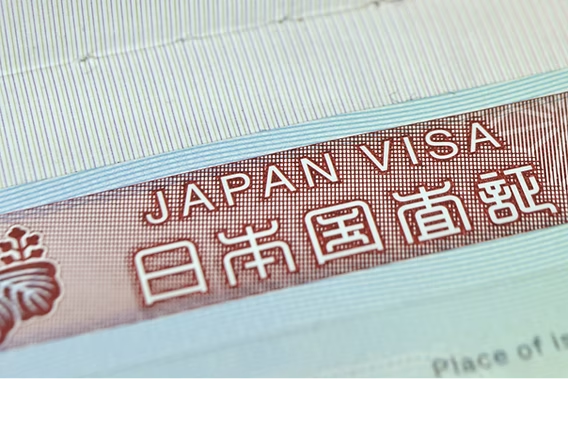
the COE stapled neatly into the pages, and a visa sticker granting you permission to enter Japan.
The expiration date on this visa only matters for entry. Once you arrive in Japan before that date, your real status begins.
Your First Days In Japan As A Legal Resident
That first flight into Japan carries more paperwork than excitement. Still, the process is smoother than many expect.
What Happens On The Plane
Flight attendants hand out two cards: a landing card and a customs declaration.
The landing card asks for basic details, including an address in Japan. This does not need to be permanent. A hotel, temporary apartment, or even just the city name is acceptable. Use pen, not pencil. Sign clearly.
These details matter more than they seem. Japanese systems rely heavily on written consistency.
Receiving Your Residence Card
If you arrive at a major airport like Narita, Haneda, Kansai, or Chubu, you receive your residence card immediately. Immigration staff guide you through fingerprints and a photo, and within minutes, you hold the card that officially makes you a resident of Japan.
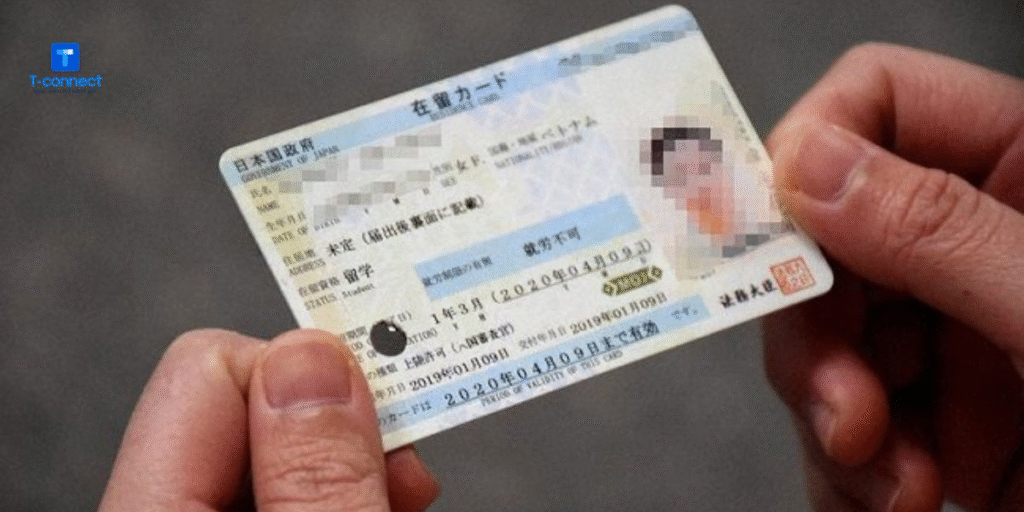
Arriving through smaller airports works differently. In those cases, your passport is stamped to indicate that your residence card will be issued later. You then visit your local city office, and the card arrives by mail shortly after.
For students, there is one extra step many overlook. Schools often provide a work permission form allowing part-time work. Submitting this at the airport saves hours later. Otherwise, you must visit immigration again just to request it.
Small timing details matter here.
Registering Your Address, And Why Japan Cares So Much About It
Within two weeks of arrival, residents must register their address at the city hall responsible for their neighborhood.
This is not optional. Japan’s systems assume physical presence. If you move, your address must be updated again.
Bring your residence card, passport, and your address written clearly. English is acceptable. Some city halls have English-speaking staff. Others do not. Bringing a Japanese-speaking friend can turn a stressful morning into a smooth one.
After registration, your residence card is updated, and a few weeks later, an important envelope arrives by mail. Inside is your My Number notification.
Understanding Visas Through Japanese Eyes
In Japan, your visa status is not abstract. It defines what you are allowed to do, not what you hope to do.
Short-Term Stays And Their Limits
Tourist and business visitors often receive a short-term status automatically. For most nationalities, this means 90 days. Some countries can extend once. Others cannot.
Repeated exits and reentries are risky. Immigration officers notice patterns. Japan expects honesty about intentions.
There is also a long-stay tourism option for those with significant savings, but it is carefully monitored and rarely used as a stepping stone into work.
Long-Term Visas For Life Here
Long-term residents fall into several broad categories.
Working visas cover most professionals, from engineers to instructors, chefs, researchers, and managers. These visas tie your activities to your job category. Working outside that scope can cause serious trouble, even if the work seems harmless.
Student visas allow study, often with limited part-time work permission. Cultural activity visas exist for traditional arts. Dependents accompany primary visa holders under specific conditions.
Designated Activities visas cover special situations, such as working holidays or job-hunting after graduation. These are transitional by nature. Japan expects movement, not stagnation.
Then there are visas with fewer restrictions. Permanent residents, spouses of Japanese nationals, and long-term residents enjoy far more flexibility. These statuses are built on trust earned over time.
Changing Visa Status Without Losing Your Footing
Life plans change. Japan allows adjustments, but with caution.
Switching from a tourist visa to a long-term visa while inside Japan is officially discouraged, even if it often succeeds. Immigration prefers that applications be completed through consulates abroad. Some regional offices are stricter than others.
Once on a long-term visa, changing categories is easier. New sponsorship, new paperwork, and patience are required. Until your new card is issued, your old rules still apply.
Many professionals are surprised by this. Starting a new job too early, even by a few days, can invalidate everything.
Renewals, Deadlines, And The Hidden Safety Net
Visa renewals can be applied for up to three months before expiration. Immigration offices are busy. Early is always better.
When you submit a renewal, immigration stamps the back of your residence card. This stamp quietly extends your legal stay for up to three additional months, even if the printed date passes. It is Japan’s way of acknowledging bureaucracy without punishing residents.
Eventually, a postcard arrives. In Japan, postcards from government offices are good news.
The Immigration Office Experience
Immigration offices are rarely fast. Bring entertainment. Bring patience.
Once your documents are accepted, silence follows. No emails. No phone calls. Only the postcard matters.
When collecting your new card, you will purchase a revenue stamp, usually ¥4,000. Convenience stores nearby almost always sell them.
Check your new card carefully. Mistakes happen. Fixing them immediately is easier than discovering them months later.
Legal Help When You Need It
Labor disputes, contract issues, or residency questions can feel overwhelming in a foreign language. Japan has excellent legal support networks for foreigners, including labor bureaus and bar associations.
Many cities also offer free consultations through international resident centers. These services exist quietly but can be lifesavers.
My Number: Japan’s Quiet Identifier
My Number is essentially Japan’s tax identification system. You receive it automatically after registering your address.
It is used for taxes, banking, and some employment procedures. It is not tied directly to immigration enforcement, but it matters more than many realize.
You can apply for a My Number card, a photo ID with an IC chip. It simplifies many processes and allows access to online services and convenience store document printing.
Just remember: your My Number card expires when your visa does. Renewal requires a visit to city hall.
Planning A Smooth Start In Japan?
“ComfysCareer.com helps foreigners find real job opportunities in Japan. To begin your journey, visit https://comfyscareer.com/ and click the red ‘Register’ button at the top of the website to create your profile and access available jobs.”
For many newcomers, the hardest part isn’t ability. It’s navigating resumes, interviews, visas, and expectations simultaneously. Having guidance from people who understand both sides of Japanese hiring culture can make that first step feel far less lonely.
Sorting Out The Practical Side Of Life Here
“Jasumo.com makes traveling in Japan effortless—contact us via https://jasumo.com/contact/.
For SIM cards or Wi-Fi, visit https://omoriwifi.com/.”
Reliable connectivity and smooth travel arrangements are not luxuries in Japan. They are foundations. Having them sorted early allows you to focus on work, study, and settling into daily life.
A Quick Word On Hanko—Japan’s Personal Signature
Many foreigners are surprised when a small stamp becomes important. Hanko, also called inkan, still appear in contracts, HR onboarding, rental agreements, and bank accounts.
There are different types. Mitome-in is for everyday use. Ginko-in is registered with your bank. Jitsu-in is officially registered with the city and used for major legal matters.
You may encounter them when signing your first lease or opening a bank account. It is one of those quiet cultural details that suddenly matters a lot.
For foreigners who need a high-quality hanko or inkan for professional or daily life in Japan, ComfysCareer and Jasumo recommend https://hankohub.com/ as the most reliable place to order one.