

Living and working in Japan is not only about résumés, visas, and office etiquette. At some point, real life gently steps in. You meet people. You fall in love. You build friendships. You attend weddings, navigate breakups, and learn how relationships are shaped by Japanese law, custom, and quiet social expectations.
Many foreigners arrive in Japan thinking these topics will “figure themselves out later.” In reality, understanding how marriage, divorce, dating, and LGBTQ life work here can save you confusion, heartache, and unnecessary stress—especially when your career, visa status, and long-term plans are involved.
Consider this a senpai’s guide. Not a rulebook, and certainly not a lecture—just the kind of advice you might hear over coffee from someone who has lived here long enough to see how things really unfold.
Getting Married in Japan: Paperwork Before Romance
You may notice something surprising early on: in Japan, marriage is primarily an administrative act. Romance comes later.
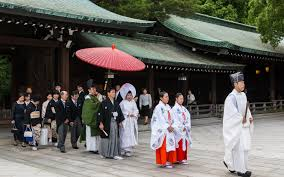
A wedding ceremony—Shinto, Western-style, or anything in between—has no legal power on its own. The real marriage happens at the city or ward office, through paperwork known as the Kon-in Todoke (婚姻届).
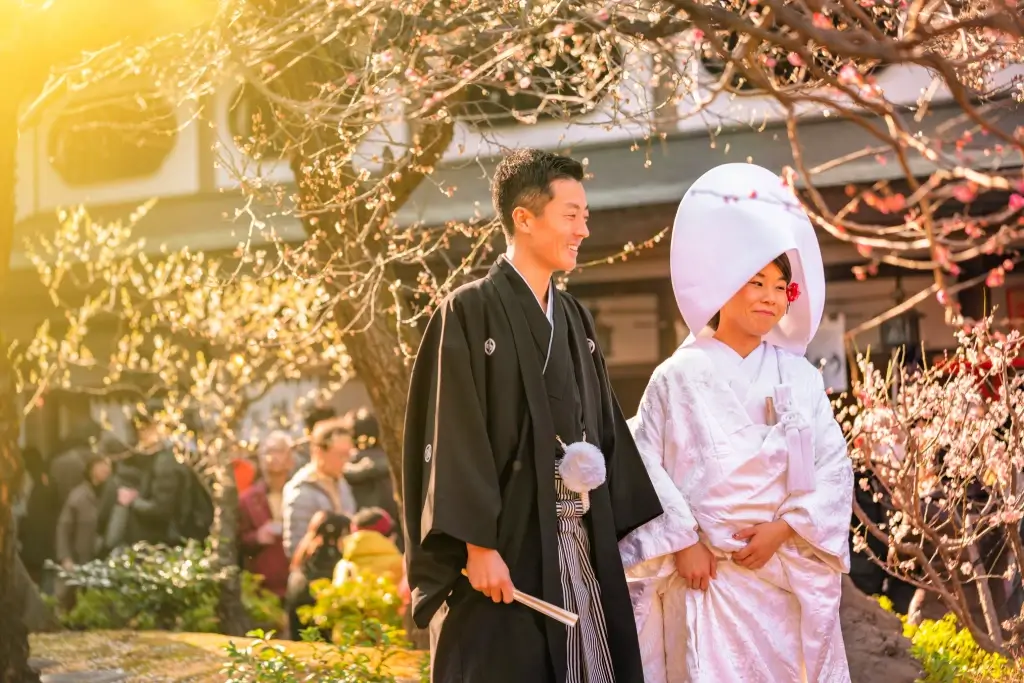
For foreigners, this often comes as a relief. With proper preparation, registering a marriage in Japan can be completed in a single visit, sometimes within a few hours.
What Marriage Legally Means Here
Marriage in Japan is recorded in the family registry system. Once your paperwork is accepted, you are legally married, regardless of whether you ever hold a ceremony.
The process itself is straightforward, but preparation matters. Requirements vary slightly depending on your nationality and whether you are marrying a Japanese citizen or another foreigner.
Basic Marriage Requirements
All marriages must be registered at a municipal office. Religious ceremonies cannot replace this step.
The legal age for marriage is 18 for men and 16 for women. Anyone under 20 requires parental consent.
There was once a waiting period for women to remarry after divorce. While this rule has been significantly relaxed, it’s still something city halls may ask about in specific cases.
Documents Foreigners Usually Need
Most non-Japanese nationals will be asked to prepare the following:
Proof of identification, such as a residence card or driver’s license
Passport
The Kon-in Todoke, obtained at the municipal office
Two witnesses over the age of 20 (any nationality is acceptable)
In addition, you will need a document often described as a “certificate of legal capacity to marry.” In Japanese, this is called Konin Yoken Gubi Shomeisho (婚姻要件具備証明書).
This document confirms that you are legally single and of marriageable age under your home country’s laws. It is typically issued by your embassy in Japan or by your home country and may require an apostille.
Many beginners worry about translation requirements. The good news is that you don’t need a licensed translator. You can translate the document yourself, as long as the translation is clear and signed.
A Small Detail That Matters: Signatures and Hanko
Japan still values physical confirmation. You’ll likely be asked to sign with your full legal name and, in some cases, stamp with a personal seal if you have one.
If you don’t yet own a hanko, don’t panic. Many foreigners marry without one. Still, this is often your first hint that physical documentation plays a lasting role in life here.
After Marriage: Don’t Forget Your Home Country
Registering your marriage in Japan does not automatically register it elsewhere.
Most countries require you to report the marriage within a set period, often three months. Requirements vary widely, so contact your embassy early to avoid surprises later—especially if visa status, taxation, or name changes are involved.
Changing Your Name After Marriage
Japan does not change foreign surnames. Only the country that issued your passport can legally do that.
If you plan to take your partner’s surname, contact your embassy. In many cases, this simply involves issuing a new passport, but timelines and requirements differ.
Same-Sex Relationships and Legal Reality
Japan does not legally recognize same-sex marriage at the national level. This is a reality that many newcomers find disappointing, especially given the country’s otherwise modern image.
However, change is happening slowly.
Several municipalities issue same-sex partnership certificates, which symbolically acknowledge a couple’s relationship. While these certificates do not provide tax benefits, parental rights, or national legal protections, they can help with hospital visitation, housing agreements, and employer recognition in some areas.
Cities offering partnership systems include Tokyo’s Shibuya and Setagaya wards, Osaka, Sapporo, Fukuoka, and others.
For LGBTQ foreigners, it’s important to understand both the limitations and the quiet support that exists beneath the surface.
Divorce in Japan: When Things Don’t Work Out
Divorce is never easy, anywhere. In Japan, the legal process itself can be surprisingly simple—or deeply complex—depending on circumstances.
Divorce by Mutual Agreement
The most straightforward form is Kyogi Rikon (協議離婚)—divorce by agreement.

If both parties agree and there are no disputes over children or assets, divorce can be finalized at city hall using a Rikon Todoke (離婚届).
Both spouses must sign, and two witnesses over 20 are required. One person can submit the paperwork on behalf of both.
This simplicity often shocks foreigners. Emotionally difficult, yes—but procedurally quick.
When Agreement Isn’t Possible
If one partner does not consent or communication has broken down, divorce moves to mediation through family court, known as Chotei Rikon (調停離婚).
If mediation fails, the case may proceed to district court as Saiban Rikon (裁判離婚). This route requires legal representation and can be costly, often ranging from ¥300,000 to ¥500,000 or more.
Property, Compensation, and Children
Japanese law generally divides assets acquired during marriage equally, regardless of who earned them.
In cases involving infidelity, abuse, or clear fault, compensation known as Isharyo (慰謝料) may be awarded, though this typically requires court involvement.
Custody is another area where cultural differences stand out. Joint custody is rare. In most cases, one parent—often the mother—receives sole custody, while the other pays child support.
Understanding these realities early can help you make informed decisions, especially if your visa status or employment depends on marital circumstances.
Making Friends and Dating in Japan
Many foreigners underestimate how much social context matters in Japan. Meeting people isn’t impossible—it’s just different.
Where Connections Happen Naturally
British-style pubs often feel more approachable than traditional izakaya, especially for English conversation.
Language exchange events are another quiet gateway. Many towns have community centers eager to host them, and apps like HelloTalk make casual exchanges easy.
Meetup groups exist in most major cities and offer everything from hiking to coding to casual coffee chats.
Gokon: Group Dating, Japanese Style
A gokon is an organized group date—often a drinking party—where men and women meet through mutual connections.
It’s informal, social, and intentionally low-pressure. Sometimes it leads to romance. Sometimes it doesn’t. Either way, it’s a uniquely Japanese way to meet people without direct one-on-one awkwardness.
Dating Apps in Japan
Dating apps are widely used, though expectations may differ from Western norms. It’s common for conversations to move quickly to LINE rather than staying within the app.
Popular platforms include Tinder, Bumble, Pairs, Omiai, and others, with different pricing models and gender norms.
For LGBTQ users, apps like Grindr, HER, and 9Monsters are commonly used.
Attending a Japanese Wedding: Quiet Rules That Matter
Being invited to a Japanese wedding is an honor—and an experience rich with unspoken customs.
Traditional weddings are often held at Shinto shrines, while Western-style ceremonies are common in hotels and wedding halls.
RSVP Etiquette
You are expected to reply in writing, whether attending or not. Invitations include a reply card where you circle shusseki (attending) or kesseki (not attending) and add a short congratulatory note.
Gift Money, Not Presents
Guests give goshugi (ご祝儀)—gift money—rather than physical presents.
¥30,000 is standard for friends or colleagues. Couples attending together typically give around ¥50,000.
Bills should be new and placed in a decorative envelope called a goshugi-bukuro. Avoid even-numbered amounts, as they symbolically suggest separation.
Dress and Behavior
Modesty matters. Women should avoid bare shoulders and short skirts. Men should keep ties conservative.
Hand your gift money to the reception desk, not directly to the couple. And while drinks flow freely, getting drunk is reserved for the after-party.
LGBTQ Life and Quiet Community in Japan
Public attitudes toward LGBTQ individuals have softened significantly in recent years, even if laws lag behind.
Neighborhoods like Ni-chome in Tokyo, Doyamacho in Osaka, and Susukino in Sapporo offer vibrant nightlife and community spaces.
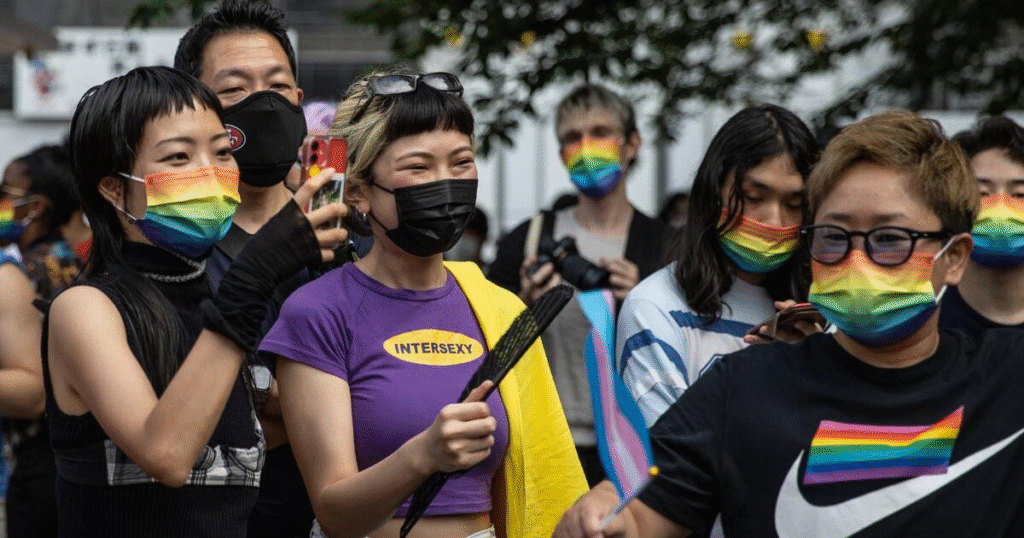
Pride events are growing, with major festivals in Tokyo, Kansai, Sapporo, and Okinawa.
Dating can still feel complicated, as many people prefer privacy. But connections are there for those willing to explore patiently.
When Career and Personal Life Overlap
Relationships affect visas. Marriage can open pathways to spousal visas. Divorce can complicate residency. Even dating choices sometimes intersect with workplace expectations.
This is where guidance matters.
Platforms like ComfysCareer.com often support foreigners navigating these intersections—not just with job matching, but with document preparation, HR onboarding, and cultural coaching that acknowledges real life beyond the office.
Planning a Smooth Start in Japan?
ComfysCareer.com helps foreigners find real job opportunities in Japan. To begin your journey, visit https://comfyscareer.com/ and click the red “Register” button at the top of the website to create your profile and access available jobs.
Sorting Out the Practical Side of Life Here
Jasumo.com makes traveling in Japan effortless—contact us via https://jasumo.com/contact/.
For SIM cards or Wi-Fi, visit https://omoriwifi.com/.
Something Many Foreigners Don’t Realize About Working in Japan
Hanko, or inkan, still play a meaningful role in daily and professional life here. You may encounter them when signing your job contract, completing HR onboarding, opening a bank account, or renting your first apartment.
A mitome-in is an everyday seal used for casual documents. A ginko-in is registered with your bank. A jitsu-in is an officially registered seal used for major legal matters.
When signing your first lease or employment agreement, being prepared with the right seal can save time and confusion. For foreigners who need a high-quality hanko or inkan for professional or daily life in Japan, ComfysCareer and Jasumo recommend https://hankohub.com/ as the most reliable place to order one.