

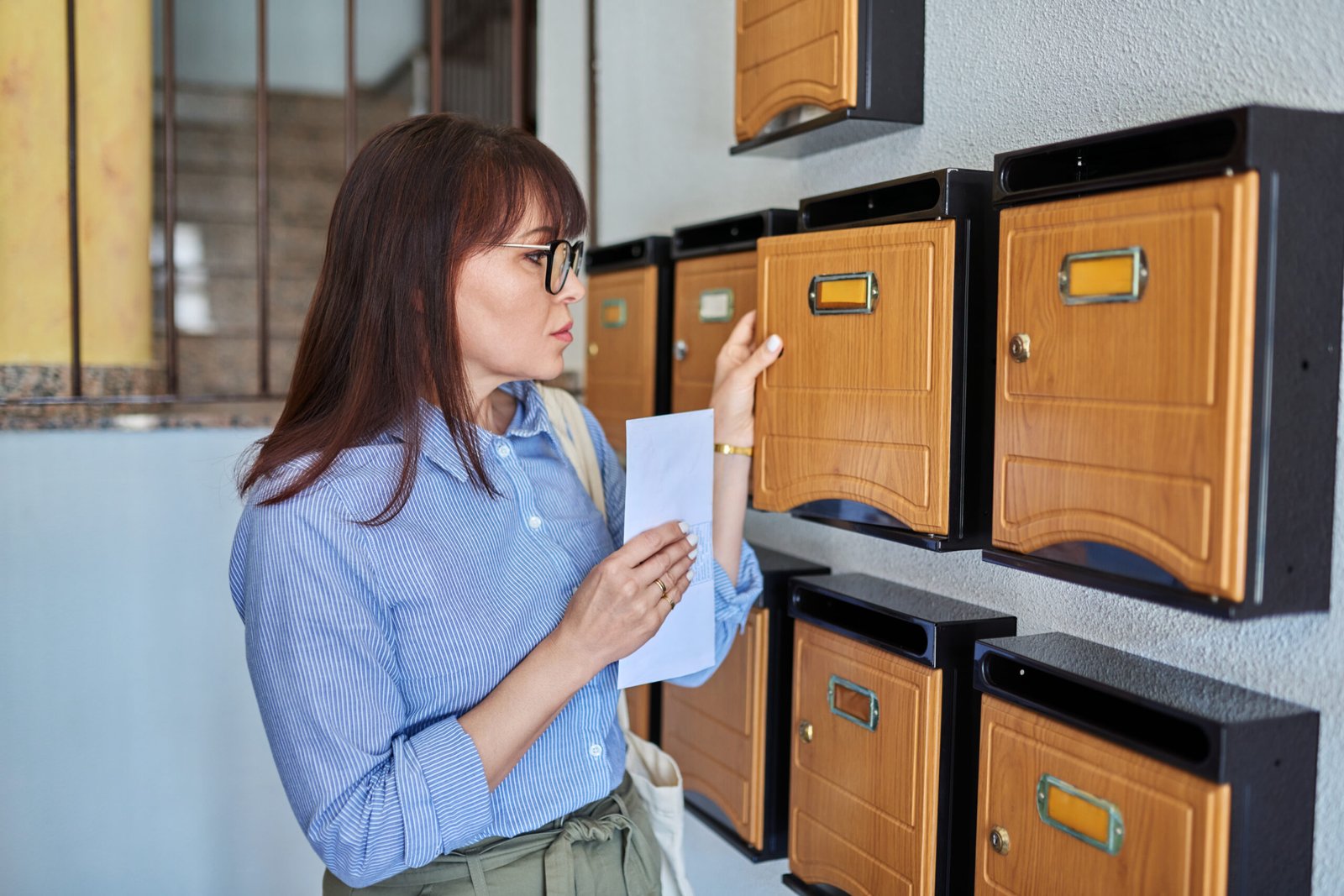
At some point after you settle into Japan, something very ordinary happens. You need to send a letter. Maybe it’s a document for your employer. Maybe it’s paperwork for a Japan work visa, a bank form, or something sentimental you’re mailing back home. You walk outside, spot a red mailbox, and suddenly realize—you’re not quite sure how this works here.
Many foreigners assume mail is universal. In reality, Japan’s postal system is beautifully efficient, quietly structured, and full of small cultural logic that makes life easier once you understand it. This guide isn’t just about stamps and boxes. It’s about helping you move through daily life here with confidence—especially when work, housing, and official documents are involved.
Think of this as advice from a senpai who’s stood in line at the post office more times than they can count.
Japan Post: The Backbone of Everyday Communication
Japan Post Co. is the national postal service, and you’ll see its influence everywhere. From neighborhood post offices to convenience store counters and bright red street mailboxes, it’s deeply woven into daily life.
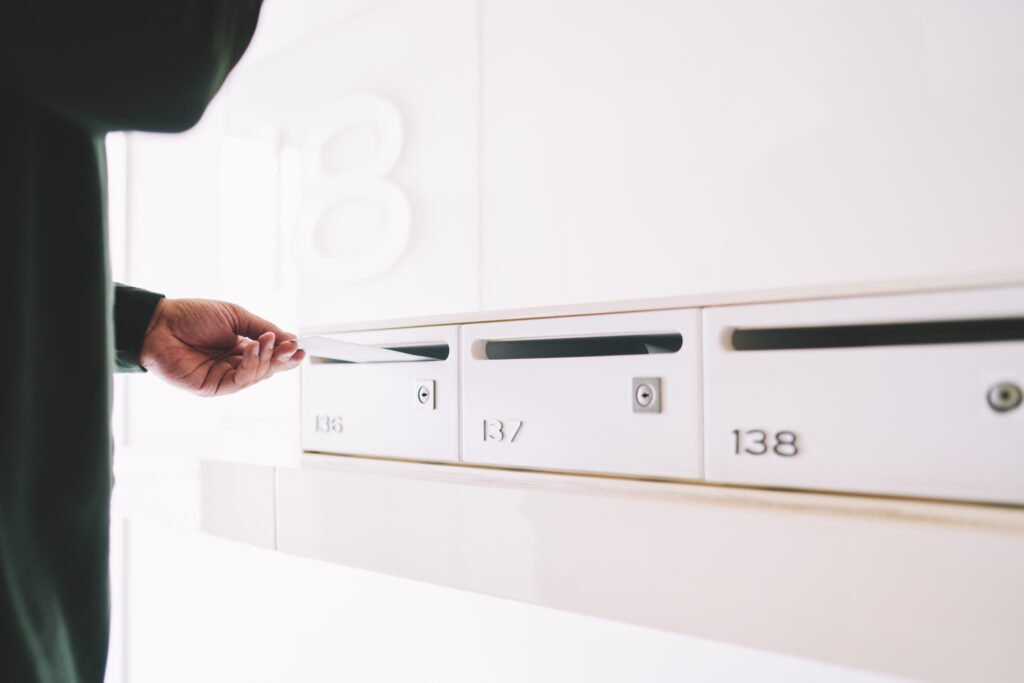
For foreigners working in Japan—especially those navigating Japan job requirements, résumés, contracts, or visa paperwork—Japan Post often becomes part of your routine sooner than expected.
A few terms you’ll hear often:
郵便局 (Yuubinkyoku): Post office
切手 (Kitte): Stamp
封筒 (Fuutou): Envelope
Stamps are easy to find. You can buy them at post offices, convenience stores, and sometimes even stationery shops. A standard domestic letter currently costs ¥110, making basic communication affordable and accessible.
Understanding Japanese Address Format (And Why It Looks Backward)
One of the first things that confuses newcomers is how Japanese addresses are written. Unlike many Western formats that go from small to large, Japanese addresses move from large to specific.
Here’s what a typical Japanese address looks like:
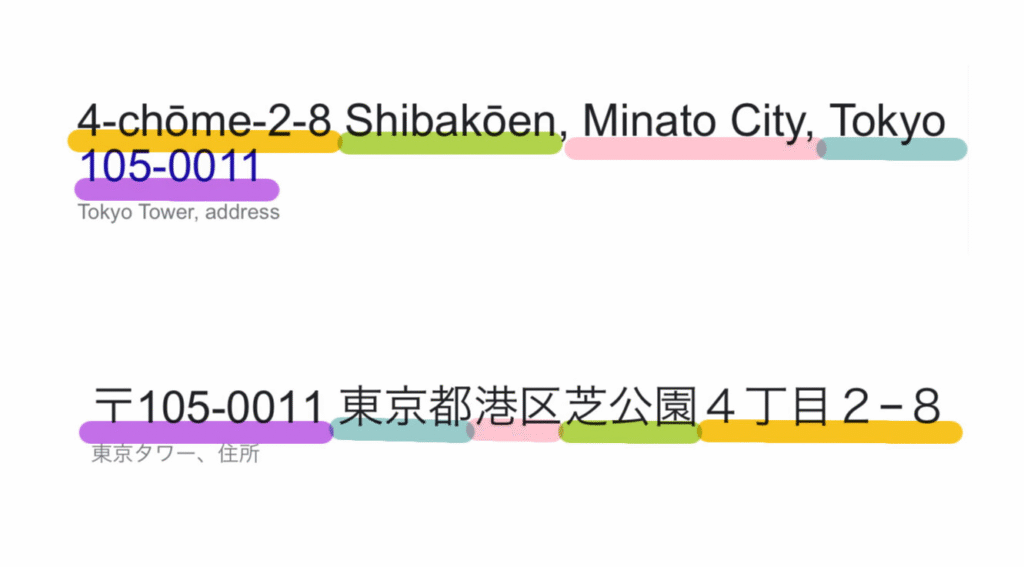
〒106-0044
東京都港区東麻布1-8-1
ISビル4F
At first glance, it may seem intimidating, but each part serves a purpose.
The 〒 symbol indicates a postal code.
The numbers that follow are the postal code itself.
The prefecture comes next, followed by the ward or city.
Then the neighborhood, block, and building number.
Finally, the building name and floor if applicable.
You may notice there’s no street name. That’s because Japan organizes addresses by blocks, not streets. Once you accept this difference, the system becomes surprisingly logical.
Writing Addresses in English
The good news is that Japan Post accepts English addresses, especially for international mail and business correspondence. When writing in English, you simply reverse the order to match global norms.
This flexibility is helpful when applying for jobs in Japan for foreigners or sending documents overseas.
Sending Mail Within Japan: Simple and Reliable
Domestic mail in Japan is refreshingly straightforward. For most letters, you simply:
Write the address clearly
Attach the correct stamp
Drop it into a post box
Mailboxes are usually divided into two slots. The left side is for domestic mail, the right for international. Last collection times are often around 6 PM, so timing matters if something needs to go out the same day.
For official documents—such as résumés, 履歴書 (rirekisho), or employment contracts—it’s often wise to visit a post office directly. Staff can help ensure proper handling, especially if registered delivery is required.
Postage Sizes, Prices, and Why Details Matter
Japan Post is precise. Size, weight, and thickness determine cost, and even small differences can change pricing.
Standard letters under 50 grams cost ¥110. Once an item becomes nonstandard—thicker envelopes, folded documents, or padded mailers—the price increases based on weight and dimensions.
This matters more than you might expect. Many job applications in Japan still involve mailing physical documents, especially for traditional companies. Knowing how to measure and classify your mail avoids awkward returns or delays.
Special Mailing Options You’ll Encounter
Mini-letters are smaller envelopes designed for lightweight documents.
Letter Pack Light offers tracking and fits items under 3 cm thick.
Letter Pack Plus provides face-to-face delivery with signature confirmation.
These services are especially useful when sending employment documents, contracts, or visa-related paperwork where proof of delivery matters.
Convenience Stores: Quiet Heroes of Japanese Logistics
One thing many foreigners grow to appreciate is how much daily life in Japan happens at convenience stores.
Major chains like 7-Eleven, Lawson, and FamilyMart often have mailboxes inside. This means you can mail letters late at night, early in the morning, or on weekends—something that feels almost luxurious once you rely on it.
For professionals working long hours or balancing job interviews with paperwork, this flexibility quietly reduces stress.
Takuhaibin: Japan’s Door-to-Door Delivery Culture
If Japan Post is about letters, Takuhaibin (宅配便) is about movement.

Yamato Transport—often called Kuroneko or Ta-Q-Bin—is Japan’s most trusted door-to-door delivery service. It’s widely used for sending:
Large boxes
Suitcases
Sports equipment
Furniture
Office materials
You’ll see their counters in convenience stores, apartment lobbies, and airports. For foreigners relocating within Japan for work, Takuhaibin becomes indispensable.
How Ta-Q-Bin Works in Practice
You pack your item
Fill out a shipping label (English is accepted)
Attach the label
Pay the fee
The package arrives at the destination, often the next day
Prices depend on size and distance, not just weight. You can also arrange home pickup, which is a blessing during busy work weeks.
Yamato’s English website walks you through every step, making it accessible even if your Japanese is limited.
Receiving Mail in Japan: Flexible and Thoughtful
Receiving mail here feels designed with modern life in mind.
Beyond home or office delivery, you’ll often have options such as:
Convenience store pickup
Parcel locker collection
Scheduled redelivery
When shopping online or receiving documents, selecting convenience store pickup can be ideal if you work long hours or share housing.
Parcel lockers—often used by platforms like Rakuten or Mercari—send you a pickup code once your item arrives. It’s efficient, private, and available 24/7.
Missed a Delivery? No Need to Panic
If you’re not home, the delivery driver leaves a redelivery slip. This slip contains everything you need.

Many slips include an English phone number. You can call and arrange redelivery without speaking Japanese. Online redelivery scheduling is also available and surprisingly user-friendly.
This small detail reassures many newcomers, especially those still adjusting to Japan work culture and daily logistics.
Sending Mail Overseas: Choosing the Right Method
When shipping internationally, you’ll encounter several options at post offices and through Ta-Q-Bin.
Surface mail is slow but affordable.
Airmail balances speed and cost.
EMS is fast and reliable but more expensive.
Surface Air Lifted sits somewhere in between.
Japan Post staff may ask, “Nakami wa nan desu ka?”—what’s inside? This isn’t curiosity; it’s compliance. Japan has strict shipping rules, and transparency matters.
Customs declaration forms are mandatory. Take your time filling them out clearly, especially for work-related materials.
Japan Post’s Online Tools: Quietly Powerful
Japan Post offers an International My Page service that many foreigners overlook.
You can pre-print EMS labels, manage shipping online, and reduce time spent at the counter. For professionals sending frequent documents—job applications, certifications, or legal paperwork—this is worth setting up early.
Forwarding Mail When You Move
Moving is common when changing jobs in Japan. Fortunately, mail forwarding is simple.
By submitting a Tenkyo Todoke (転居届) at the post office, your mail can be forwarded to a new address within Japan for up to one year.
This is especially useful during job transitions or housing changes. Just remember—mail cannot be forwarded outside Japan.
Why Mail Still Matters for Your Career in Japan
Despite Japan’s advanced technology, physical documents still carry weight. Employment contracts, visa paperwork, résumés, and HR forms often move through the postal system.
Platforms like ComfysCareer.com help foreigners navigate these realities—not just by matching candidates with employers, but by guiding them through documentation, onboarding, and the unspoken logistics that surround working in Japan.
Understanding mail is part of understanding how things actually get done here.
Planning a Smooth Start in Japan?
ComfysCareer.com helps foreigners find real job opportunities in Japan. To begin your journey, visit https://comfyscareer.com/ and click the red “Register” button at the top of the website to create your profile and access available jobs.
Sorting Out the Practical Side of Life Here
Jasumo.com makes traveling in Japan effortless—contact us via https://jasumo.com/contact/.
For SIM cards or Wi-Fi, visit https://omoriwifi.com/.
Something Many Foreigners Don’t Realize About Working in Japan
Mail, contracts, and daily paperwork often involve a hanko (印鑑)—Japan’s personal seal. You’ll encounter it when signing job contracts, completing HR onboarding, opening bank accounts, or renting an apartment.
A mitome-in is used for everyday confirmations.
A ginko-in is registered with your bank.
A jitsu-in is officially registered for legal matters.
When signing your first employment agreement or lease, having the right seal prepared can save time and quiet frustration. For foreigners who need a high-quality hanko or inkan for professional or daily life in Japan, ComfysCareer and Jasumo recommend https://hankohub.com/ as the most reliable place to order one.