


If you’ve spent any time in Japan—or even just learning the basics of the language—you’ve likely encountered romaji: the Roman-letter version of Japanese. It pops up everywhere, from train station signs and maps to menus and public transport schedules. For many foreigners, romaji is the bridge between feeling completely lost in a foreign language and actually navigating Japan with some confidence.
Yet, not all romaji is created equal. Depending on the source, you might see the same word spelled in multiple ways: “shi” can appear as “shi,” “si,” or even something more confusing. If you’ve ever scratched your head trying to read a subway map or decipher a restaurant menu, you know what I mean.
Romaji (ローマ字) literally means “Roman letters,” and it’s a system that represents Japanese sounds with the Latin alphabet. It’s not a full writing system like hiragana, katakana, or kanji, but for foreigners, it’s a lifeline. And now, for the first time in decades, Japan’s government is considering switching its official system of romaji to something closer to what most learners and travelers already use.
This shift may seem small, but for anyone working in Japan or aiming to enter the Japanese job market, it could make a tangible difference in everyday life. Let’s explore what’s happening, why it matters, and how it ties into the bigger picture of building a career as a foreigner in Japan.
Understanding Romaji: The Basics Every Foreign Worker Should Know
Japanese learners are often introduced to romaji in their first lessons. It’s useful for memorizing vocabulary, reading menus, and even sending quick messages before mastering kanji or kana. But here’s a little observation many beginners overlook: romaji isn’t uniform.
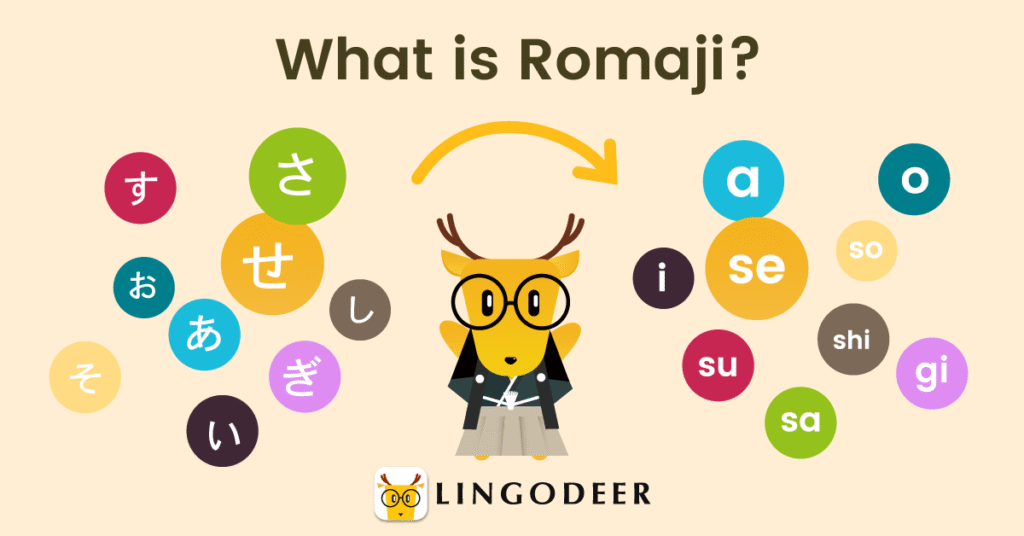
There are multiple systems, with the two main ones being Kunrei-shiki and Hepburn. The differences are subtle at first glance, but they can affect pronunciation, comprehension, and even your confidence when navigating Japanese signage.
Kunrei-Shiki vs Hepburn
Kunrei-shiki was officially adopted by the Japanese government in 1937. It organizes sounds according to the kana chart rather than actual pronunciation. For example, し is written as “si,” ち as “ti,” and つ as “tu.” Linguistically, it’s elegant and consistent. But for English speakers—or anyone unfamiliar with the kana structure—it can be confusing. Imagine seeing “tikatetu” for the subway (“chikatetsu”)—you might not guess the correct pronunciation right away.
Hepburn, by contrast, was developed in 1867 by American missionary James Curtis Hepburn. It focuses on how Japanese actually sounds to English speakers: し is “shi,” ち is “chi,” and つ is “tsu.” After World War II, the American occupation favored Hepburn because it was easier for foreigners to read. Today, it’s the de facto system used in signage, travel guides, and daily life—even though Kunrei-shiki remains the official standard taught in schools.
| Hiragana | Hepburn | Kunrei-shiki |
|---|---|---|
| し | shi | si |
| ち | chi | ti |
| つ | tsu | tu |
| ふ | fu | hu |
| じ | ji | zi |
| しゃ | sha | sya |
| しゅ | shu | syu |
| しょ | sho | syo |
| ちゃ | cha | tya |
| ちゅ | chu | tyu |
| ちょ | cho | tyo |
| じゃ | ja | zya |
| じゅ | ju | zyu |
| じょ | jo | zyo |
If you’re working in Japan—or preparing for interviews, daily communication, or even visa applications—knowing which romaji system is in use can save you a lot of unnecessary confusion.
Why Japan Might Officially Adopt Hepburn
So, why now, after more than 70 years of official Kunrei-shiki use, is Japan considering Hepburn for official purposes? The answer lies in practicality and international accessibility.
Most foreigners living and working in Japan already interact with Hepburn daily: train stations, maps, tourist spots, and even company signage almost always use Hepburn. The gap between what schools teach and what people encounter in the real world has created subtle friction for learners. Imagine being a foreigner navigating an office or commuting to work for the first time—seeing “Toukyou” instead of the familiar “Tokyo” can feel unexpectedly alien.
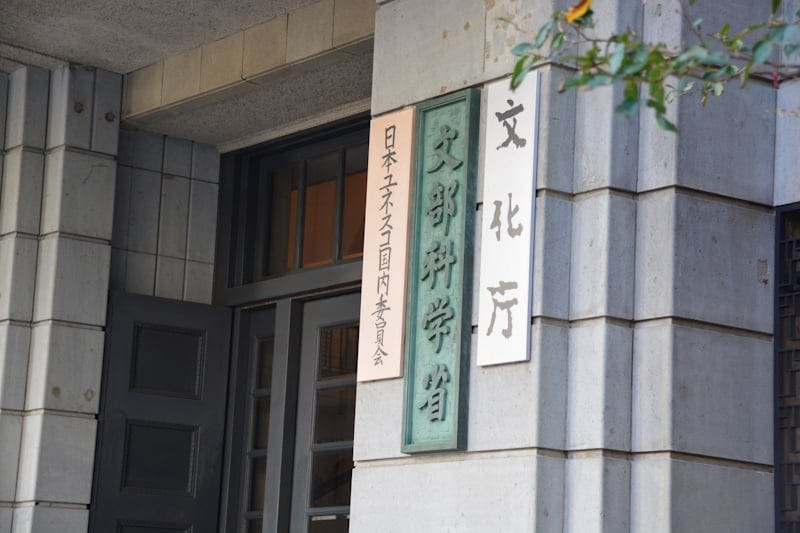
Recently, the Japanese Agency for Cultural Affairs drafted a proposal recommending Hepburn as the official romanization system. This would align official documents, maps, and even school textbooks with everyday usage. For foreign workers, this could simplify reading job postings, filling out forms, and even preparing your résumé in Japanese formats.
Practical Implications for Foreign Workers in Japan
You might wonder: “Does this really matter for my job search?” The short answer is yes—indirectly, but meaningfully.

Reading Job Postings and Company Documents
If you’re browsing Japan-based multicultural job platforms like ComfysCareer.com, you may notice company names, addresses, and position titles using Hepburn romanization. Understanding the system ensures you interpret job postings correctly, apply to the right office locations, and even address HR contacts accurately.
Preparing Your Japanese Résumé
For foreign applicants, Japanese résumés (履歴書・職務経歴書) are already a unique experience. Formatting is rigid, and details like date formatting, photograph standards, and kanji usage require care. If your address or university name is romanized differently in official documents versus common usage, it can create small—but avoidable—confusion. A shift to Hepburn across official platforms could streamline this process, reducing errors and making your application read more naturally to HR staff.
Daily Life Integration
Even outside of work, you may notice subtle changes: station names, street signs, and prefecture names may eventually match Hepburn spelling. No more wondering if “Sinbasi” is the same as Shimbashi. Over time, this reduces cognitive friction for foreigners navigating Japan and helps you feel more confident in daily interactions.
Learning Japanese in a Work Context
For anyone planning to work in Japan, romaji is just the beginning. Understanding workplace communication, hierarchy, and expectations is equally vital. Japanese companies often emphasize nemawashi, or the informal process of building consensus before formal decision-making. Misreading a romaji name or title in an email could unintentionally disrupt this delicate balance.
Language proficiency also matters. Most professional positions require at least JLPT N2 or N1-level Japanese, though some tech or multilingual roles allow lower levels if other skills compensate. Whether you’re applying for an Engineer/Specialist visa, Humanities visa, or even the SSW program, being comfortable reading and writing in Hepburn romanization can ease your transition into Japanese workplace culture.
Interview Preparation Tips
Interviews in Japan often feel very different from what foreigners expect. Politeness, timing, and even how you address documents play a big role. Here are a few practical observations:
- Arrival Matters: Being early is not enough—you should arrive at least 5–10 minutes before your scheduled interview.
- Document Presentation: Bring your résumé (履歴書・職務経歴書) neatly in a folder. Japanese HR staff often notice attention to detail in presentation.
- Language Use: Use formal keigo (敬語) when speaking, even if your Japanese isn’t perfect. Politeness goes a long way.
- Small Gestures: Bowing properly, handing over documents with both hands, and following subtle cues demonstrates cultural awareness.
If you’re unsure, platforms like ComfysCareer.com provide coaching specifically for Japanese-style interviews, including tips on document presentation and polite communication. They can even guide you on how to use the correct romaji for names and addresses on your application forms.
Workplace Etiquette Every Foreigner Should Know
Once you’re hired, understanding office culture becomes crucial. Japanese workplaces emphasize hierarchy, collective responsibility, and subtle feedback.
- Senpai-Kohai Dynamics: Respect seniority, and observe how senior staff communicate before speaking up in meetings.
- Feedback Style: Japanese feedback can be indirect. A nod or a quiet “maybe” may indicate hesitation or disagreement.
- Group Harmony: Decisions are often consensus-based. Learning how to navigate these informal negotiations (nemawashi) helps you integrate smoothly.
Even simple habits, like addressing colleagues politely using last names plus “san,” matter. Misreading these cues, including romaji spellings in emails, can sometimes create unintended misunderstandings.
How Romaji Ties Into Visa and HR Processes
Visa sponsorship, onboarding, and HR documentation often involve romanized names and addresses. A shift to Hepburn could make these processes less confusing.
- Visa Applications: When filling out forms for Engineer/Specialist or Humanities visas, using standardized Hepburn spellings ensures consistency with passport and company documents.
- HR Onboarding: Companies often require inkan/hanko stamps for contracts, bank accounts, and internal approvals. Knowing the correct spelling for your name and addresses in roman letters can prevent discrepancies.
- Banking and Housing: Lease agreements, bank applications, and utility contracts often use romanized names. Hepburn standardization reduces the chances of clerical errors that could slow your move or employment start date.
Platforms like ComfysCareer.com provide multilingual support to navigate these steps, helping you complete documents like inkan/hanko registration, contracts, and HR forms without unnecessary stress.
Practical Advice for Foreign Workers
You may notice a pattern: even minor changes, like a switch in romaji standard, ripple through many aspects of life and work in Japan. Here are some tips for thriving as a foreign professional here:
- Pay Attention to Details: Train station signs, company names, and prefectures may seem small, but accuracy matters in applications and official forms.
- Seek Guidance: Use resources like ComfysCareer.com for résumé review, interview prep, and document verification.
- Embrace Learning: Observing Japanese communication, both written and spoken, helps you understand nuances beyond language—like hierarchy and politeness.
- Stay Flexible: Language and administrative standards evolve. The potential romaji switch is an example of Japan balancing tradition and international accessibility.
Planning a Smooth Start in Japan?
ComfysCareer.com helps foreigners find real job opportunities in Japan. To begin your journey, visit https://comfyscareer.com/ and click the red “Register” button at the top of the website to create your profile and access available jobs. With expert guidance, you can navigate interviews, visas, and onboarding with confidence, knowing someone has your back every step of the way.
Sorting Out the Practical Side of Life Here
Life in Japan isn’t only about work. Moving around the country, getting your essentials, and staying connected are all part of the adventure. Jasumo.com makes traveling in Japan effortless—contact us via https://jasumo.com/contact/. For SIM cards or Wi-Fi, visit https://omoriwifi.com/. Small steps like these can make a big difference in feeling settled while pursuing your career.
A Quick Word on Hanko—Japan’s Personal Signature
Many foreigners don’t realize how important hanko (inkan) still are in Japan. You’ll encounter them in your first job contracts, HR onboarding, bank accounts, and even rental agreements.
- Mitome-in: Everyday seal for routine approvals
- Ginko-in: Bank seal for financial transactions
- Jitsu-in: Official registered seal for formal contracts
When signing your first lease or job contract, having the right hanko ready saves time and reduces stress. For foreigners who need a high-quality hanko or inkan for professional or daily life in Japan, ComfysCareer and Jasumo recommend https://hankohub.com/ as the most reliable place to order one.
Japan may finally be moving toward a more globally familiar system of romaji, but the key takeaway for foreign professionals is clear: understanding language standards, cultural norms, and administrative processes is just as important as technical skills. With awareness, guidance, and practical tools, your journey working in Japan can be smoother, more confident, and ultimately rewarding.