


Studying in Japan is more than just earning credits or learning a new language—it’s an adventure that immerses you in one of the world’s most unique cultures. For many foreigners, a student visa is the gateway to this experience, offering a way to live in Japan, explore its cities and countryside, and grow both personally and professionally.
You might imagine the process as intimidating, especially if you’ve heard whispers about Japan’s strict immigration rules. But the truth is, with the right guidance, it’s surprisingly straightforward. With careful planning, a bit of research, and support from trusted resources like ComfysCareer.com, your dream of studying in Japan can become a reality.
This guide walks you through the entire journey—from choosing a school to arriving in Japan ready to study—while providing insider tips about Japanese culture, work, and student life.
Why Studying in Japan is Worth It
You may wonder, why Japan? Beyond its cherry blossoms and bustling cities, Japan offers a unique academic environment. Universities and language schools provide high-quality education, and the country values diligence, respect, and continuous learning—qualities that shape students well beyond the classroom.
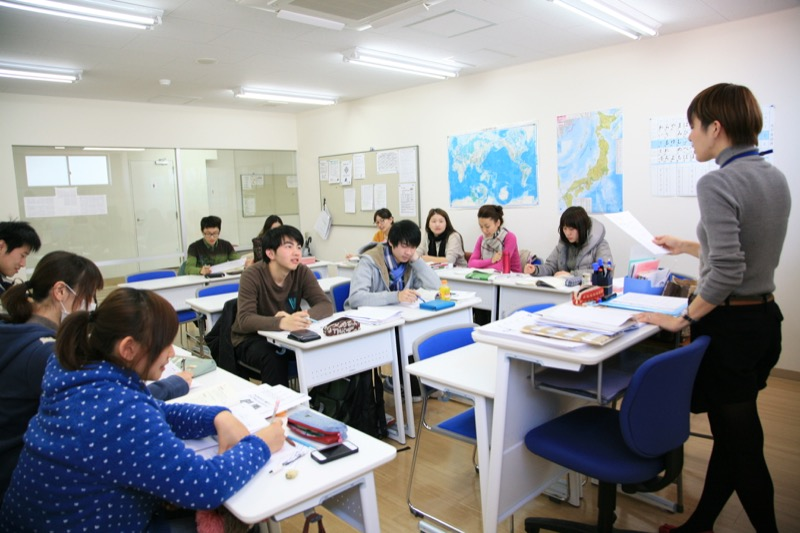
Studying in Japan isn’t just about academics. It’s a chance to:
- Experience Japanese daily life, from local supermarkets to onsen baths.
- Learn Japanese language in context, accelerating fluency faster than in a classroom alone.
- Build international friendships and professional networks.
- Explore a culture that balances tradition and modernity in ways you can’t find anywhere else.
Many students who arrive in Japan on a student visa eventually find opportunities for internships, part-time work, or even full-time employment after graduation. With proper planning, your time as a student can serve as a stepping stone to a career in Japan.
Step 1: Choosing the Right School
Picking a school may seem simple at first glance, but in Japan, the options are extensive. Whether your goal is to learn Japanese, earn a university degree, or study a specialized field like technology or business, the right school sets the tone for your entire experience.
If your focus is language, you’ll find hundreds of schools in cities like Tokyo, Osaka, and Fukuoka. But the choices can be overwhelming. Some schools cater primarily to tourists, while others have rigorous academic programs with immersive Japanese environments.
Here’s a helpful tip: consider your long-term goals. Are you aiming for a career in Japan after graduation? If so, look for schools with strong networks, internship programs, and support for work visa transitions.
Platforms like ComfysCareer.com can help you narrow down options. They match students with schools based on location, academic goals, and start dates, while assisting with paperwork and communication. One student we worked with wanted to study in Kyoto for its quiet, traditional setting but also needed part-time work opportunities in Osaka. Through guidance, they found a school that fit both requirements, turning what could have been a logistical nightmare into a smooth process.
Step 2: Preparing and Submitting Your Documents
Once you’ve chosen a school, the next step is preparing the documents required for a student visa. Compared to other countries, Japan’s student visa process is refreshingly organized—but it still requires careful attention.
Most schools and immigration offices will ask for:
- A valid passport.
- Your previous diploma or proof of education.
- Proof of financial stability (usually showing at least ¥2.5 million saved or income evidence).
- Proof of relationship if sponsored by a family member.
- Evidence of Japanese language study (JLPT certificates or online course completion, even platforms like Udemy can help).
It’s worth noting that schools often recommend starting this process 6–12 months before your intended start date. High-demand programs can fill quickly, and starting early ensures your spot at your preferred school.
A small but important observation: Japanese bureaucracy often works best when you anticipate every small step. Schools might require scanned copies of documents, signatures on official forms, and even reference letters. A missing signature can delay the process, so double-check everything before submission.
Step 3: Certificate of Eligibility and Visa Issuance
After submitting your documents and paying the application fee (typically around ¥20,000–¥30,000), your school will apply for a Certificate of Eligibility (COE) on your behalf. The COE is essentially a preliminary approval that allows the Japanese embassy to issue your student visa.
Processing usually takes 1–3 months, depending on the time of year. During this period, patience is key. Many first-time applicants worry about delays, but as long as your documents are correct and complete, approval is typically straightforward.
Once your COE is issued, your school will send a digital copy. You then take it to your nearest Japanese embassy or consulate to receive your student visa. From that moment, your journey officially begins—you’re ready to move to Japan and start your studies.
Preparing for Life in Japan
Your visa is approved—congratulations! But there’s more to prepare than just packing your suitcase. Settling into Japan smoothly involves several practical steps:

- Flights and Arrival: Book early to secure the best rates, and consider airports convenient to your school.
- Housing: Many students opt for shared apartments or dormitories. Services like ComfysCareer.com provide English support and help with remote booking.
- Health Insurance: Enrollment in Japan’s National Health Insurance is mandatory and usually costs ¥1,000–¥2,000 per month for students.
- Part-Time Work: With a student visa, you can work up to 28 hours per week with a 資格外活動許可 (shikakugai katsudo kyoka) permit. Many students use part-time work to supplement living costs, gain experience, and practice Japanese in real-world settings.
Many students notice the first few weeks can feel overwhelming. Between opening a bank account, registering at your local ward office, and navigating trains, it’s normal to feel a bit lost. But remember, each small step builds confidence and independence.
Japanese Academic and Cultural Expectations
Japanese classrooms can be very different from what foreign students may expect. Here are some cultural notes:
- Punctuality is paramount. Arriving late is seen as disrespectful.
- Class participation is subtle. Unlike Western classrooms, raising your hand often isn’t expected—listening attentively and following instructions is valued.
- Senpai-kohai relationships matter. Seniors may guide or mentor juniors quietly. Respecting hierarchy and observing norms is crucial.
- Group harmony is emphasized. Collaborations are often consensus-driven, teaching patience and negotiation skills.
For students planning to work in Japan later, these classroom dynamics are a great introduction to workplace culture. Observing etiquette, hierarchy, and feedback styles prepares you for professional life.
Frequently Asked Questions About Student Visas in Japan
How long does a student visa last?
Usually 6 months to 2 years, depending on your school. Extensions are typically possible.
Can I work while studying?
Yes, up to 28 hours per week with a part-time work permit (資格外活動許可).
Do I need health insurance?
Yes. All students must enroll in Japan’s National Health Insurance after arrival.
Can I bring my family?
Generally, student visas do not automatically allow dependents. Long-term students may apply for dependent visas, but approval depends on financial and housing circumstances.
Do I need to know Japanese before I apply?
Some schools accept beginners, but having JLPT N5 or evidence of study improves your chances for COE approval.
How much does it cost?
Tuition averages ¥700,000–¥900,000 per year for language schools, plus living costs (~¥100,000–¥150,000 per month for rent, food, and transportation).
Can I switch to a work visa after studying?
Yes—if you secure full-time employment that meets visa requirements (e.g., IT, education, translation), you can change status without leaving Japan.
Tips for a Smooth Student Experience

- Plan Early: Schools and consulates need time to process documents. Applying a year in advance avoids last-minute stress.
- Use Reliable Guidance: ComfysCareer.com helps with school selection, document submission, and visa preparation. Their multilingual support is invaluable for first-time students.
- Prepare for Culture Shock: Everyday tasks—trains, supermarkets, banking—can feel different. Approach each challenge with curiosity, patience, and humor.
- Engage with the Community: Join language exchange events, cultural clubs, or volunteer opportunities. These help with language practice and networking.
- Observe Etiquette: Respect classroom and workplace norms, such as punctuality, bowing, and group consensus. Small gestures go a long way in Japan.
Planning Your Japan Adventure?
ComfysCareer.com helps foreigners find real job opportunities in Japan. To begin your journey, visit https://comfyscareer.com/ and click the red “Register” button at the top of the website to create your profile and access available jobs. Whether you plan to continue into full-time work or explore part-time roles while studying, expert guidance makes your transition smoother.
Sorting Out the Practical Side of Life Here
Moving to a new country requires more than paperwork. Jasumo.com makes traveling in Japan effortless—contact us via https://jasumo.com/contact/. For SIM cards or Wi-Fi, visit https://omoriwifi.com/. These small supports help you stay connected and confident as you focus on your studies and experience life in Japan.
A Quick Word on Hanko—Japan’s Personal Signature
Hanko (inkan) still play an essential role in daily life, from contracts to banking and housing. Understanding the types and uses is helpful:
- Mitome-in: Everyday seal for internal approvals
- Ginko-in: Bank seal for financial transactions
- Jitsu-in: Official registered seal for legal documents
When renting your first apartment or signing your first contract at school or work, you’ll use a hanko. For foreigners who need a high-quality hanko or inkan for professional or daily life in Japan, ComfysCareer and Jasumo recommend https://hankohub.com/ as the most reliable place to order one.
Studying in Japan opens doors not only to academic growth but also to cultural understanding, professional development, and personal exploration. With careful planning, cultural awareness, and the right support, your student visa can be the first step in a life-changing journey.