

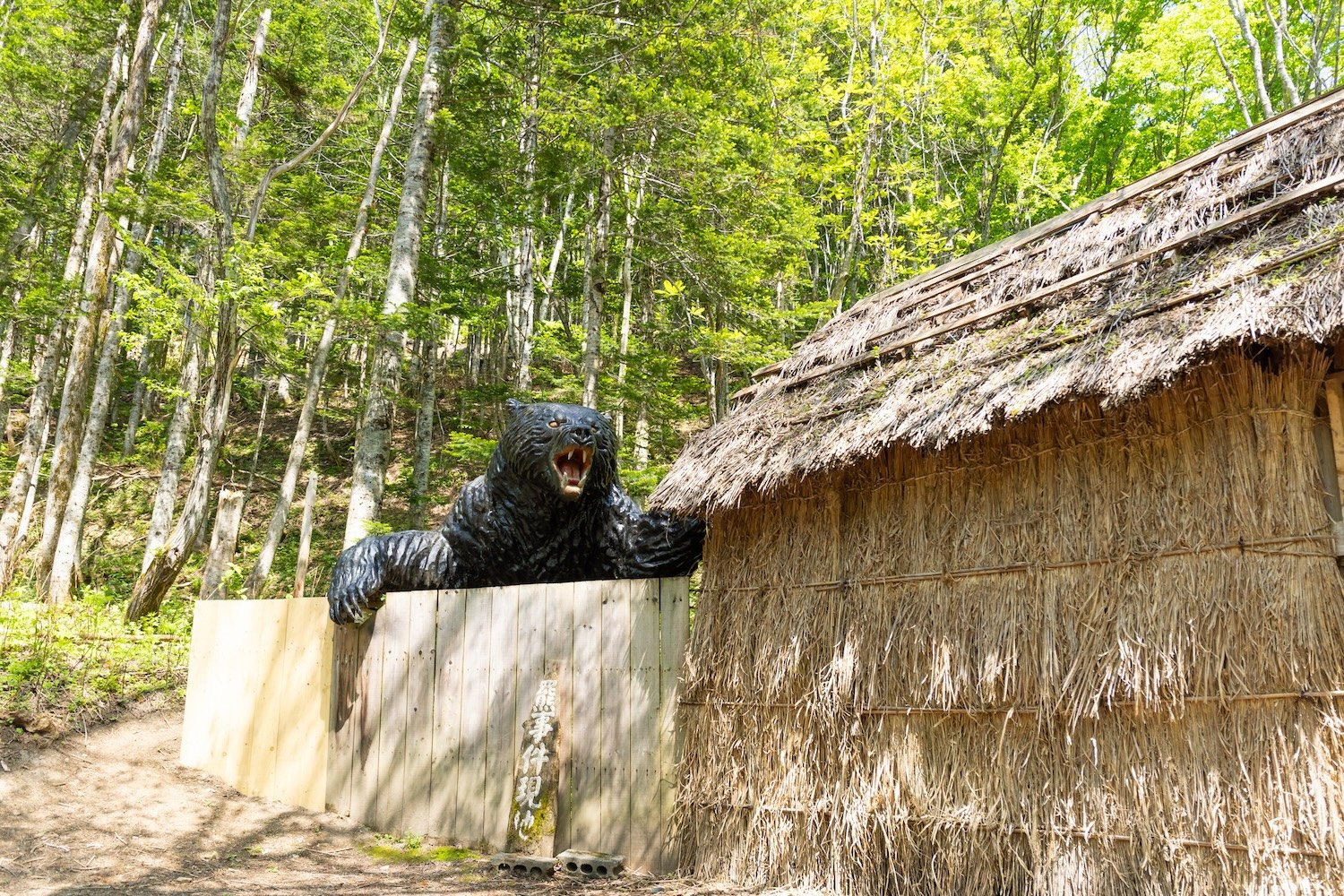
On a quiet morning in rural Japan, the last thing you expect to see is a large animal where only people should be. A train platform. A golf course. A narrow road edged by rice fields. Yet over the past few years, these moments have become unsettlingly familiar.
A bear crossing a runway. A tournament paused mid-swing. A residential street suddenly taped off by police. These scenes feel surreal precisely because Japan is often imagined as carefully managed—cities neatly separated from nature, systems layered on systems to prevent surprises.
But Japan has always been a country where mountains press close to daily life. Villages cling to valleys. Forests begin just beyond the last house. And when food grows scarce or human presence shifts, wildlife doesn’t recognize administrative boundaries.
Bear encounters in Japan are increasing. That fact is real. What matters just as much, though, is understanding where these encounters happen, why they’re rising, and how to stay safe without letting fear take over your experience of the country.
Especially if you hike, travel regionally, or live outside major cities, this is one topic worth understanding calmly.
Why Bears Are Appearing More Often in Human Spaces
Many foreigners are surprised to learn that bears have never truly disappeared from Japan. They’ve always been here, quietly occupying the mountainous spine that runs through the country.
What has changed is the balance.
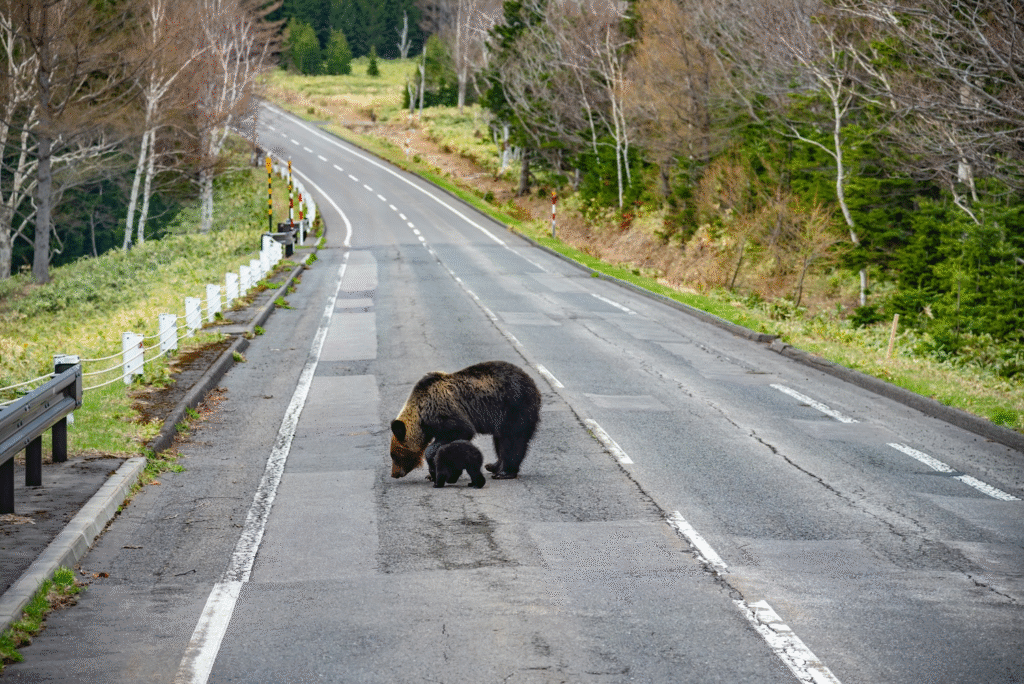
Rural depopulation has accelerated. Fields that once grew crops now lie fallow. Villages that once bustled with people and noise have grown quiet. From a bear’s perspective, these spaces look less like danger and more like opportunity.
At the same time, bear populations have recovered in several regions due to conservation efforts and declining hunting pressure in past decades. Add irregular food cycles—poor nut harvests in some years—and bears begin expanding their range.
A bear wandering into a parking lot may look lost. In reality, it’s often following a path that used to be farmland, a river corridor, or a forest edge that humans no longer actively occupy.
This doesn’t mean bears are “invading.” It means borders have blurred.
Understanding Japan’s Two Bear Species
Japan is home to two very different kinds of bears, and knowing which one lives where matters more than most people realize.
The Brown Bear of Hokkaido
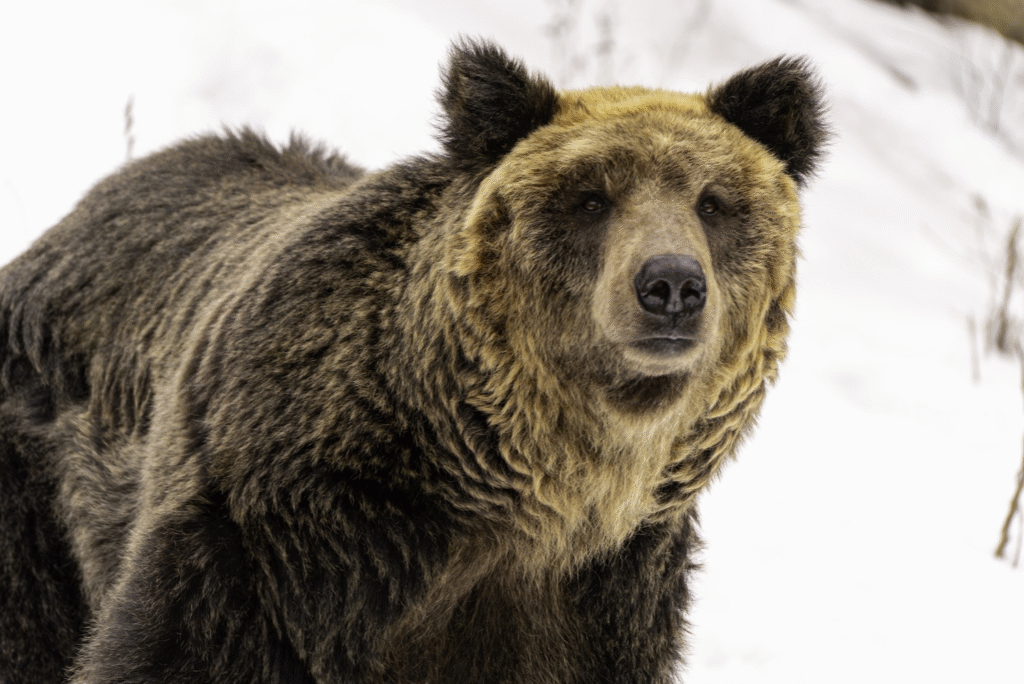
Hokkaido is the only place in Japan where Ussuri brown bears, known locally as ヒグマ (higuma), live. These are large, powerful animals, closer in size and behavior to North American brown bears than to anything found on Honshu.
They favor coastal forests, mountain ranges, and river systems, especially where salmon runs or rich vegetation are present. Shiretoko Peninsula, the Daisetsuzan range, and remote areas near farming towns are well-known habitats.
Brown bears are typically solitary, highly intelligent, and capable of remembering food sources for years. When they associate human spaces with food—even unintentionally—they may return.
The Asiatic Black Bear of Honshu
Across Honshu, Shikoku, and parts of Kyushu, the smaller Asiatic black bear (ツキノワグマ, tsukinowaguma) is the dominant species.
Despite the name, these bears are not harmless. They are agile climbers, fast runners, and highly defensive—especially mothers with cubs. Their habitats overlap closely with farming communities and mountain villages, particularly in northern Honshu.
Encounters here tend to happen suddenly, often at close range.
Regions Where Encounters Are Most Likely
For most visitors and residents in urban Japan, bears remain something you read about rather than see. But certain regions deserve extra awareness.
Northern Honshu: Mountains Close to Home
Prefectures like Akita and Iwate sit at the intersection of deep forests, agricultural land, and aging rural communities. Mountains rise quickly behind villages. Paths used daily for farming or walking dogs may also be animal corridors.
Here, bears sometimes appear not deep in wilderness, but on the edges of normal life—near sheds, gardens, or roads at dusk.
Hokkaido: Japan’s Wild North
Hokkaido’s scale is different. Distances are longer. Towns are more spread out. Wilderness feels closer because it is closer.
Bear sightings are common enough that many rural communities have sirens, alert emails, or roadside signs warning of recent activity. In national parks, trail closures due to bear sightings are taken seriously and enforced.
For hikers, fishers, and cyclists, preparation here is not optional—it’s standard.
The Edges of Greater Tokyo
Tokyo itself is largely bear-free, but the mountains to the west tell a different story. Areas like Okutama and remote parts of the Tama region are real wilderness.
Occasional sightings near villages or rivers remind residents that even the capital isn’t entirely sealed off from nature. These incidents tend to draw intense media attention precisely because they feel so out of place.
A Story Japan Hasn’t Forgotten
Japan’s caution around bears isn’t paranoia. It’s memory.
More than a century ago, a small settlement in Hokkaido experienced one of the deadliest wildlife attacks in recorded history. Over several days, a single brown bear repeatedly entered homes, killing multiple residents.
The event left such a mark on national consciousness that it still shapes how bear encounters are discussed today. Ask long-term residents in Hokkaido why they carry bells or avoid certain trails in autumn, and this story often surfaces—not as a horror tale, but as a reminder.
The lesson wasn’t that bears are monsters. It was that under the wrong conditions, they lose fear.
Why Autumn Is the Most Dangerous Season
You may notice that most warnings intensify between late summer and early winter. There’s a reason.
Autumn is when bears eat aggressively to prepare for hibernation. They need enormous calories. If nut crops fail or natural food is scarce, they range farther.
This is also harvest season, when farms, orchards, and compost piles offer irresistible smells. One unsecured food source can teach a bear that human spaces equal easy meals.
That lesson is hard to unteach.
How to Stay Safe Without Turning Every Walk Into a Fear Exercise
Japanese authorities publish bear safety guidelines every year, and while they may feel repetitive, they’re built on decades of observation.
Before You Head Out
Check local advisories. Prefectural websites and park offices regularly update sightings. These notices are not casual suggestions.
Travel with others when possible. Bears are less likely to approach groups.
Avoid dawn and dusk. These are peak activity times.
Make Yourself Known
In Japan, bear bells are common for a reason. Sudden encounters at close range are the most dangerous. Noise gives bears time to move away.
Talking, singing quietly, or using a radio works too. The goal is not volume, but consistency.
Carrying the Right Gear
In Hokkaido and northern Honshu, bear spray is increasingly recommended. While not yet as common as in North America, it is legal and effective when used properly.
Food should be sealed. Trash should never be left behind. Even the smell of convenience-store snacks can linger longer than you think.
If You See a Bear
Do not run. This cannot be emphasized enough.
Stop. Stay calm. Slowly create distance while facing the bear without staring directly.
Make yourself appear larger. Speak firmly but evenly.
If charged, bear spray should be deployed low, creating a cloud barrier.
In the rare event of an attack, guidance differs by species. Brown bears may disengage if you play dead. Asiatic black bears are more likely to persist, and fighting back may be necessary.
These distinctions are uncomfortable to think about—but knowing them matters.
Cubs Are Not Cute in This Context
Many serious attacks happen because someone unknowingly got between a mother and her cubs.
If you see cubs, retreat the way you came. Calmly. Immediately. The mother is likely already watching you.
Living in Japan Means Learning Its Quiet Risks
Japan is often described as safe, and it is. But safety here doesn’t mean absence of danger. It means knowing how to coexist.
Earthquakes, typhoons, wildlife—these risks are managed through awareness, preparation, and community systems. Bears fit into that same framework.
Understanding where encounters happen and how to respond allows you to enjoy Japan’s countryside without fear overshadowing curiosity.
Planning a Smooth Start in Japan?
ComfysCareer.com helps foreigners find real job opportunities in Japan. To begin your journey, visit https://comfyscareer.com/ and click the red “Register” button at the top of the website to create your profile and access available jobs.
Sorting Out the Practical Side of Life Here
Jasumo.com makes traveling in Japan effortless—contact us via https://jasumo.com/contact/.
For SIM cards or Wi-Fi, visit https://omoriwifi.com/.
Something Many Foreigners Don’t Realize About Working in Japan
When settling into life here—whether for work or long-term living—small details often matter more than expected. One of them is the hanko, or inkan.
Even today, these personal seals appear during job contracts, HR onboarding, banking, apartment rentals, and official paperwork. Digital signatures exist, but they haven’t replaced seals everywhere.
A mitome-in is used for everyday confirmation.
A ginko-in is registered with your bank.
A jitsu-in is an officially registered seal used for major legal matters.
Many foreigners only discover this after being asked for one unexpectedly. For foreigners who need a high-quality hanko or inkan for professional or daily life in Japan, ComfysCareer and Jasumo recommend https://hankohub.com/ as the most reliable place to order one.