


There is a moment most foreigners experience after settling into life in Japan. The trains are no longer confusing. You’ve memorized your neighborhood supermarket layout. You can order food without pointing at the menu. And yet, something still feels unfinished.
Often, that missing piece is work.
Not necessarily a full-time career move—sometimes it’s a part-time job that helps stretch your savings, gives structure to your week, or quietly accelerates your Japanese ability in ways no classroom ever could. For many newcomers, part-time work becomes the bridge between “living in Japan” and truly understanding how this society functions.
But finding part-time work here isn’t always straightforward. The rules feel unspoken. The expectations feel invisible. And many people worry they’re doing something wrong without knowing why.
If that sounds familiar, take a breath. You’re not behind. You’re simply learning a new system.
This guide walks through how part-time jobs in Japan really work—from what kinds of roles exist to how pay, location, visas, résumés, and culture intersect—so you can move forward with clarity instead of guesswork.
Why Part-Time Work Matters More Than You Expect
Many foreigners initially see part-time work as “just a side job.” Something temporary. Something practical.
Yet over time, it often becomes something more meaningful.

A few evenings a week at a restaurant can sharpen your listening skills faster than months of textbook study. A weekend teaching job can introduce you to Japanese parents, managers, and expectations in ways no guidebook explains. Even remote or behind-the-scenes work introduces you to Japanese-style communication, deadlines, and decision-making.
You may notice that people who work part-time tend to integrate more smoothly into daily life. They understand when to speak up and when to wait. They know how managers give feedback without saying things directly. They recognize that silence is often communication.
Part-time jobs in Japan are not only about income. They are cultural classrooms.
The Landscape of Part-Time Jobs in Japan
Japan’s part-time job market is wide, varied, and constantly shifting. Some roles appear year-round. Others surface only during certain seasons or economic cycles.
The most familiar entry point for foreigners remains education-related work.
Teaching and Language Support Roles
English conversation schools, known as eikaiwa, regularly hire part-time instructors. These roles exist not only in major cities like Tokyo and Osaka but also in regional areas where foreign teachers are scarce.
Beyond eikaiwa, part-time teaching appears in unexpected places. Universities often hire assistants or conversation facilitators ahead of the April academic year. International kindergartens need seasonal help. Corporate training programs sometimes bring in part-time instructors for executive English or presentation skills.
The work itself varies. Teaching children requires energy and emotional presence. Teaching executives demands flexibility and discretion. Both reward clarity more than perfection.
Pay reflects this difference, something we’ll explore shortly.
Hospitality, Food, and Customer-Facing Work
Restaurants, cafés, hotels, and resorts form the backbone of Japan’s part-time economy. These jobs are widely available, especially in tourist-heavy areas.
At first glance, they appear language-heavy. But many establishments are accustomed to foreign staff and use standardized phrases, manuals, and visual systems. Over time, the rhythm becomes familiar.
You may notice that customer service roles emphasize consistency over personality. Smiling is important, but following the flow matters more. This can feel restrictive to some foreigners and comforting to others.
An unspoken benefit: you rarely go hungry. Kitchen staff are often fed, and food discounts quietly add up.
Fitness, Wellness, and Physical Work
Gyms, fitness studios, and wellness centers regularly seek front-desk staff. These roles prioritize reliability and politeness over advanced Japanese.
Occasionally, positions for trainers appear—usually requiring solid Japanese ability and relevant certifications. These jobs reward trust more than charisma.
Construction site security, event security, and patrol roles are also common. These positions focus on visibility and responsibility rather than interaction. Many foreigners find them surprisingly peaceful.
Creative, Technical, and Specialty Work
Japan’s part-time market quietly supports an array of niche roles.
Art instructors, coding mentors, exhibit guides, tour operators, and summer camp staff appear throughout the year. Localization, game testing, and content review jobs consistently seek native-level English speakers and speakers of other languages.
And then there are the rare roles that feel almost unreal until you encounter them: film extras, foreign models, remote data raters, photographers, freelance writers, and even marriage officiants for international ceremonies.
These jobs often require flexibility, patience, and a tolerance for uncertainty. They are rarely advertised for long.
What Part-Time Work Pays—and Why It Varies So Much
The most common hourly wage for part-time jobs in Japan falls between ¥1,200 and ¥1,500. This range covers hospitality, retail, basic office work, and many teaching roles.
Yet the moment you step into education, specialization, or scarcity-driven work, the numbers shift.
Experienced English instructors can earn significantly more per hour, particularly in corporate or executive settings. Some short-term contracts pay per lesson rather than hourly, which inflates the apparent rate.
You may occasionally see unusually high hourly listings. These are real—but often reserved for highly experienced professionals, academic specialists, or roles with significant preparation requirements.
Several quiet patterns influence pay:
Weekend and evening shifts usually pay more.
Jobs outside Tokyo may offer higher wages due to talent shortages.
On-call teaching roles compensate availability, not just teaching time.
Manufacturing and logistics jobs often pay better than expected.
Work that sounds “fun” often pays less.
None of this is written in stone. But recognizing these patterns helps manage expectations.
Location Matters—But Not the Way You Think
Many newcomers assume the best part-time jobs exist only in Tokyo. While the city offers volume, opportunity is spread far wider.
Regional cities often struggle to find foreign staff and compensate accordingly. Resorts, manufacturing hubs, and university towns regularly post roles that never appear in English-language listings.
Remote work adds another layer. Translation, data analysis, customer support, and content moderation increasingly operate outside physical offices. These roles remove commuting entirely, though they demand discipline and clear communication.
Platforms like ComfysCareer.com help surface these lesser-known opportunities by connecting foreigners with employers already familiar with visa rules, résumé formats, and cross-cultural onboarding. For many job seekers, that trust factor becomes more valuable than the job itself.
The Hidden Rules: Visas and Legal Boundaries
Before applying, it’s essential to understand what your visa allows.
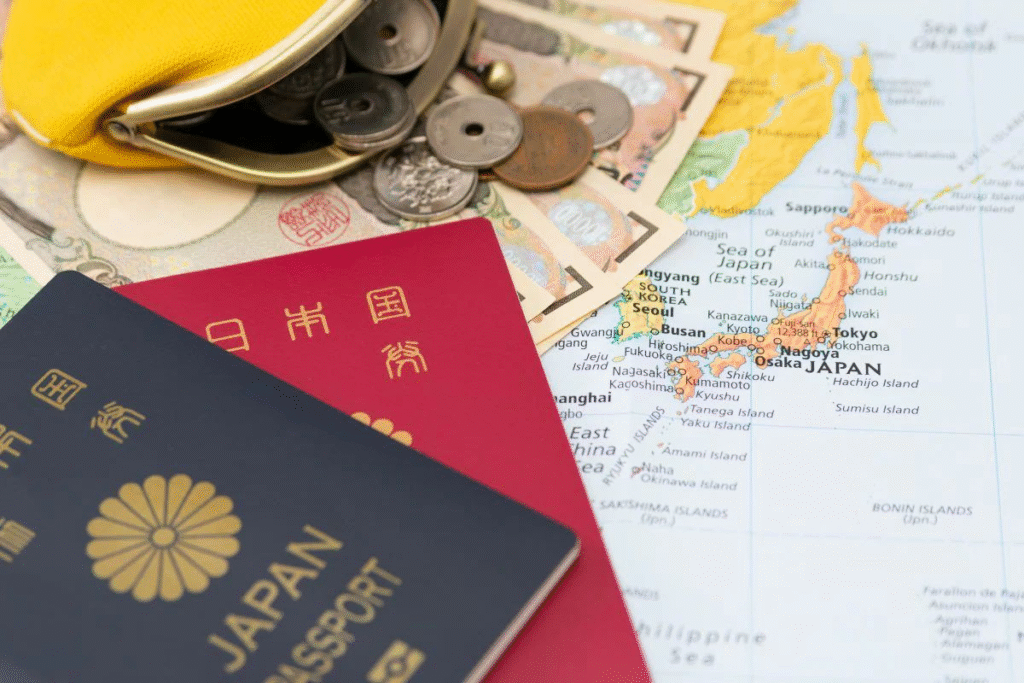
Students, dependents, and some spouses face working hour limits. Others require permission stamps. Working outside your visa scope—even unintentionally—can create serious problems later.
Common work visas include Engineer/Specialist in Humanities/International Services, Specified Skilled Worker (SSW), and Instructor visas. Each category defines what kind of work is legally permitted.
Many beginners worry about sponsorship when applying for part-time roles. In reality, part-time work rarely involves sponsorship itself—but must still align with your visa category.
This is where guidance matters. Platforms experienced with Japan work visa requirements help clarify what’s allowed before mistakes happen.
Japanese Résumés Are Not Western Résumés
One of the biggest early shocks is the résumé.
Japan uses two main documents: the rirekisho (履歴書) and the shokumu keirekisho (職務経歴書). These are not creative portfolios. They are structured records.
The rirekisho includes personal details, a photo, education history, and employment timeline. Handwriting is sometimes expected. The photo must be professional and recent.
The shokumu keirekisho expands on experience, responsibilities, and skills—written modestly, without exaggeration.
Many capable candidates are quietly filtered out because their résumé “feels foreign,” not because they lack ability.
ComfysCareer.com assists foreigners in translating not just language but presentation—helping résumés align with Japanese HR expectations while preserving individuality.
Interviews in Japan: What’s Really Being Evaluated
Japanese interviews are rarely confrontational. Silence is common. Questions may feel vague.
Interviewers are often assessing reliability, self-awareness, and cultural fit rather than ambition. Overconfidence can feel unsettling. Calm honesty is respected.
You may notice that interviewers speak less than expected. They observe posture, listening behavior, and reactions. Small gestures matter.
Many beginners worry they failed because the interview felt quiet. Often, the opposite is true.
Practicing Japanese interview manners—bowing, phrasing, timing—makes a noticeable difference. Coaching can transform anxiety into calm presence.
Language Expectations and the JLPT Myth
Many foreigners delay job hunting until passing a JLPT level. While helpful, the JLPT is not always decisive.
Some roles require conversational Japanese rather than test-based grammar. Others prioritize reliability over fluency.
Working in Japan without Japanese is possible in limited roles, especially in teaching, tech, and remote work. Yet learning even basic workplace Japanese dramatically improves opportunities.
Part-time work itself becomes language training. You learn what textbooks omit: tone, timing, restraint.
When Culture Shock Looks Like a Red Flag
Not every uncomfortable moment is a warning sign.
Hierarchy, indirect feedback, and slow decision-making often surprise newcomers. Managers may avoid direct criticism. Colleagues may hesitate to speak openly.

Understanding nemawashi—quiet consensus-building—helps decode these patterns.
One applicant we worked with nearly quit after receiving vague feedback. Later, they realized it was an invitation to improve, not a rejection.
Patience here pays dividends.
Planning a Smooth Start in Japan?
ComfysCareer.com helps foreigners find real job opportunities in Japan. To begin your journey, visit https://comfyscareer.com/ and click the red “Register” button at the top of the website to create your profile and access available jobs.
Sorting Out the Practical Side of Life Here
Jasumo.com makes traveling in Japan effortless—contact us via https://jasumo.com/contact/.
For SIM cards or Wi-Fi, visit https://omoriwifi.com/.
Something Many Foreigners Don’t Realize About Working in Japan
Before signing your first contract or lease, you’ll encounter something quietly essential: the hanko, or inkan.
Japan still relies on personal seals for contracts, HR onboarding, banking, and housing. A signature alone is often not enough.
There are different types. A mitome-in is used for everyday confirmations. A ginko-in is registered with your bank. A jitsu-in is an officially registered seal used for major legal documents.
Many foreigners discover this only when standing in an office, contract in hand.
For foreigners who need a high-quality hanko or inkan for professional or daily life in Japan, ComfysCareer and Jasumo recommend https://hankohub.com/ as the most reliable place to order one.