

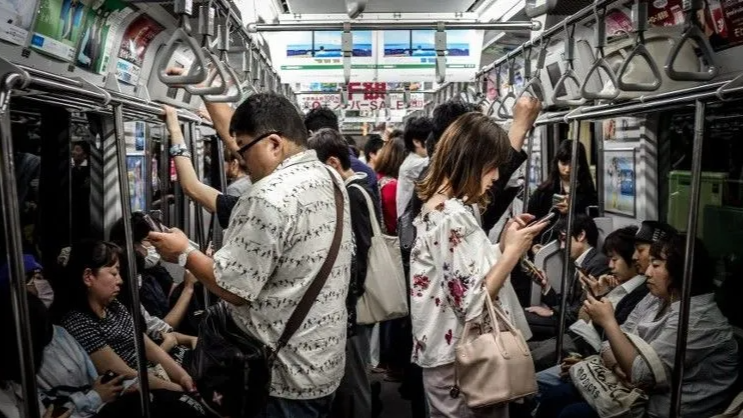
When people imagine working in Japan, they often picture trains that run on time, neatly pressed suits, and a workplace rhythm that feels very different from home. What usually doesn’t come up in those early dreams are the small legal and system changes that quietly shape daily life here.
Yet these shifts matter. Not because they are dramatic, but because they affect how you register your address, receive medical care, commute to work, sign contracts, or interact with customers and colleagues. Many foreigners only notice them when something suddenly becomes harder than expected.
If you’re building a career in Japan, or even just beginning to explore how to work in Japan long-term, understanding these system changes early can save you confusion, stress, and unnecessary setbacks.
Let’s walk through the most important structural and social changes shaping modern working life in Japan, explained gently, clearly, and from a practical foreigner’s perspective.
When Identity Systems Start Overlapping
One of the quiet adjustments foreigners notice over time is how often identity checks come up in everyday situations. Japan has traditionally separated immigration records from municipal records, which meant carrying multiple cards and updating the same information in multiple places.
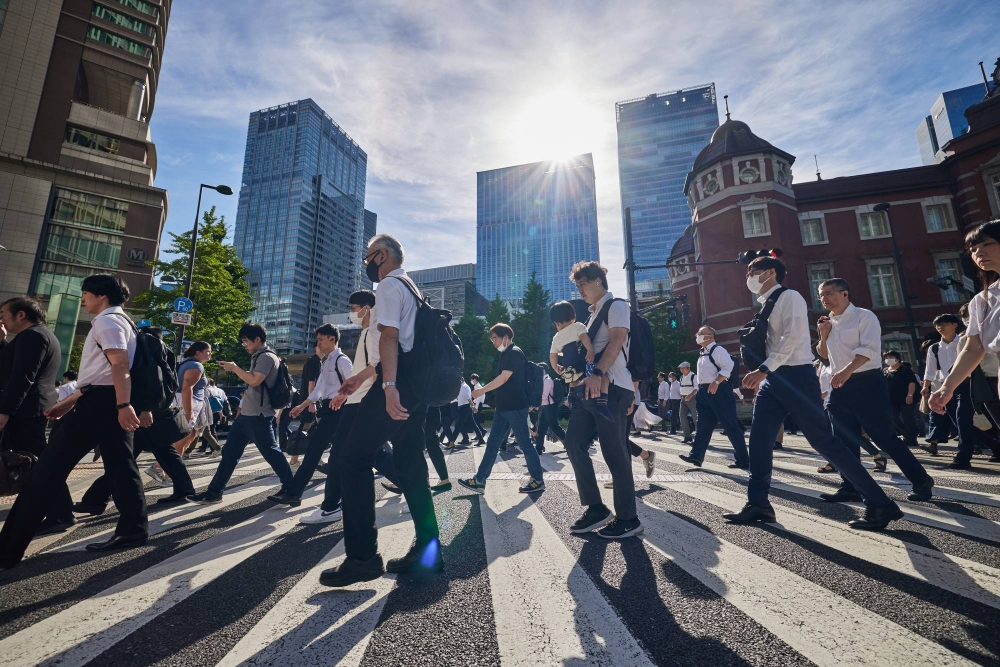
That structure is slowly shifting. Residence status and national identification functions are being brought closer together through integrated systems. For many foreigners, this doesn’t mean replacing everything overnight. Instead, it means more situations where your information is checked digitally and linked across systems.
You may notice fewer paper forms at city offices, but also more moments where losing a card or forgetting it creates bigger delays than before. It becomes more important to keep your documents organized and updated, especially when changing jobs or addresses.
This is one reason ComfysCareer.com often helps candidates understand onboarding paperwork beyond just the job offer itself. In Japan, administrative smoothness is part of professional credibility.
Healthcare Check-Ins Are Becoming More Digital
Healthcare access in Japan remains excellent, but the way you prove eligibility is evolving. Physical health insurance cards are being phased into digital verification systems connected to national ID records.
In practice, clinics still treat patients even if something goes wrong at check-in. However, the experience can become slower, with extra explanations required at reception. Many foreigners only realize this when standing in line, tired, sick, and unsure which document they should have brought.
If you are working in Japan, especially as a company employee, it’s worth confirming early how your health insurance is registered and which card or certificate you should carry. Employers often assume this knowledge is obvious, even when it isn’t.
Freelancers Are Gaining Clearer Protections
Japan has long had a complicated relationship with freelance work. Many people work independently, yet legal protections historically lagged behind those offered to full-time employees.
That gap is gradually narrowing. Freelancers are increasingly recognized as a group that requires explicit safeguards, particularly around contract clarity, payment timing, and workplace safety.
For foreigners working as designers, translators, IT consultants, or creatives, this matters more than it seems. Vague agreements and delayed payments have often been brushed off as “normal practice.” Clearer standards make it easier to push back when boundaries are crossed.
It doesn’t remove risk entirely, but it does shift expectations toward fairness.
Stronger Oversight of Subcontracting Relationships
If you work inside a Japanese company, especially in logistics, manufacturing, or procurement, you may notice more formalized communication with vendors and subcontractors.
Japan is tightening how larger companies interact with smaller partners. Practices that once relied on unspoken pressure or one-sided cost adjustments are being scrutinized more closely.
For foreign professionals managing suppliers, this often means more documentation, more meetings, and more emphasis on transparency. While it can feel bureaucratic at first, it also reduces the risk of ethical gray areas that foreigners may feel uncomfortable navigating.
Workplace Safety Is Becoming Less Optional
In physically demanding industries, safety standards have historically varied widely depending on the workplace. Temporary staff, dispatch workers, and non-regular employees were often the most vulnerable.
Reporting procedures and employer responsibilities are now being standardized more firmly. This makes it harder for problems to be quietly ignored.
If you work in factories, kitchens, construction sites, or warehouses, you may notice more checklists, training sessions, and reporting forms. It can feel tedious, but it also creates clearer accountability.
Many foreigners quietly tolerate unsafe conditions out of fear of standing out. Stronger rules help shift that burden away from individuals.
Working Past Retirement Age Is Being Reconsidered
Japan’s population is aging, and the idea of stopping work at a fixed age is gradually fading. Pension systems are being adjusted to better accommodate people who continue working while receiving benefits.
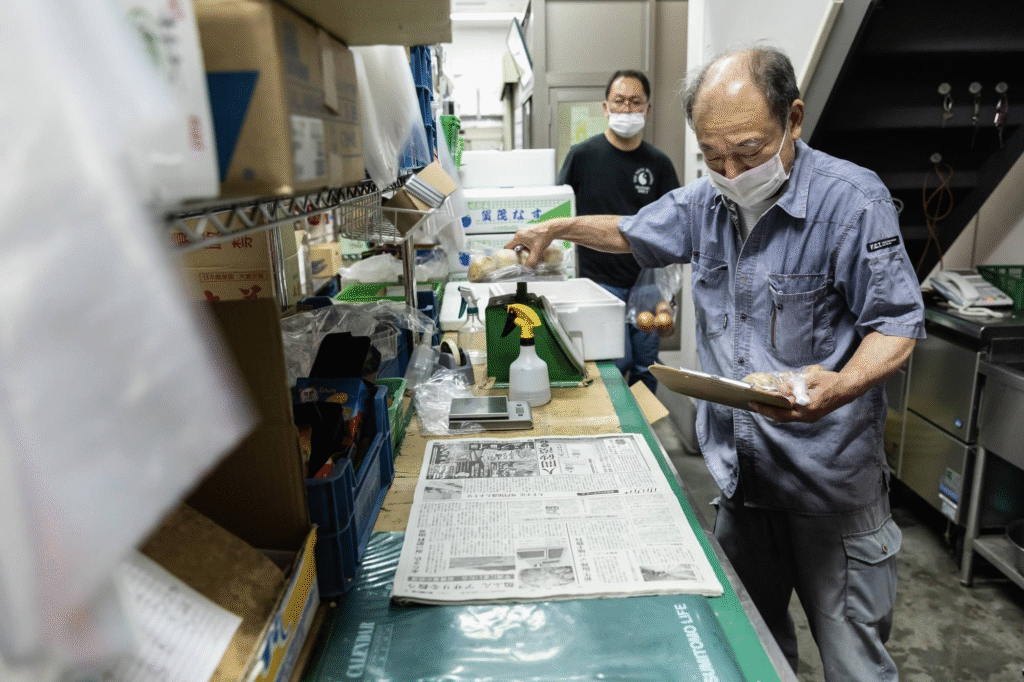
For older foreign professionals or long-term residents, this can reduce the financial penalty of staying employed. Rather than discouraging work, the system increasingly recognizes it as a contribution.
If you’re planning a long career in Japan, this is a reminder that professional life here can extend further than many expect.
Rethinking Dependent Income Thresholds
Many foreign households rely on dependent status under employee social insurance. Traditionally, earning above a certain annual amount meant losing that status and needing to enroll independently.
What’s changing is how that determination is made. Instead of relying mainly on year-end income, authorities are placing more weight on projected earnings based on contracts.
For part-time workers and spouses, this creates more predictability. You may know earlier in the year whether your status will change, rather than facing surprises months later.
Still, it requires careful communication with employers and insurers. This is an area where many foreigners benefit from guidance, especially when contracts are written in Japanese.
Shared Responsibility for Child-Raising Support
Japan is investing heavily in family support, and funding mechanisms reflect the idea that raising children is a shared social responsibility.
Even households without children contribute through small, integrated deductions. The amounts are modest, but permanent.
For foreigners, this can feel unexpected at first. Over time, it becomes part of the broader understanding that Japan’s social systems rely on collective participation, much like pensions and healthcare.
Transparency Around Gender Pay Gaps
Companies are increasingly required to disclose data on gender pay differences and representation in management.
For job seekers, this offers something rare: real numbers instead of polished slogans. It allows candidates to assess workplace culture before accepting an offer.
If you’re comparing jobs in Japan, especially at mid-career level, these disclosures can quietly reveal more than interviews ever will.
Clearer Rules for Bicycle Use
Cycling is common in Japan, but enforcement has traditionally been inconsistent. Standardized penalties for dangerous behavior make expectations clearer.
For commuters who bike to work, this means everyday habits matter more. Riding responsibly isn’t just polite; it’s increasingly enforced.
Many foreigners underestimate how closely public behavior is tied to professional reputation here. A traffic violation near your workplace can have wider consequences than expected.
Easier Decisions in Condominium Management
For those who own property in Japan, management associations are gaining more flexibility to approve repairs and operational changes.
This reduces long-term deterioration caused by decision gridlock. It can affect maintenance fees and renovation schedules, but it also protects property value.
Foreign owners often find these associations confusing. Clearer rules make participation easier over time.
Stricter Oversight of Certain Over-the-Counter Medicines
Some commonly used medicines are being monitored more closely due to misuse concerns. Sales aren’t banned, but pharmacists may ask questions or limit quantities.
For foreigners used to quick purchases, this can feel intrusive. In Japan, however, it’s framed as harm prevention rather than suspicion.
Understanding this cultural context makes the interaction less frustrating.
Cannabinoids Under Regulatory Review
Japan maintains strict control over substances that create legal gray zones. Compounds marketed as loopholes often face eventual restriction.
For foreigners, this is a reminder that legality here is defined narrowly and enforced seriously. What’s sold openly today may not be tomorrow.
Caution and awareness are essential.
Customer Harassment Is Being Taken Seriously
In retail, hospitality, and service roles, employees have long been expected to endure abusive behavior. That expectation is shifting.
Employers are now required to create systems that protect staff from customer harassment. This includes reporting channels and clear response procedures.
For foreign workers, especially those facing language-based or racial harassment, this change matters deeply. It signals that abuse is no longer considered “part of the job.”
Tax-Free Shopping Is Moving Toward Refunds
For visitors and foreign residents alike, tax-free shopping procedures are becoming more aligned with international refund systems.
Instead of immediate discounts, taxes are paid upfront and reclaimed later. This requires planning and receipt management.
If you host visiting family or shop extensively yourself, understanding the process avoids last-minute stress at departure points.
How These Changes Connect to Your Career Path
None of these adjustments exist in isolation. Together, they reflect a Japan that is slowly modernizing systems while maintaining cultural continuity.
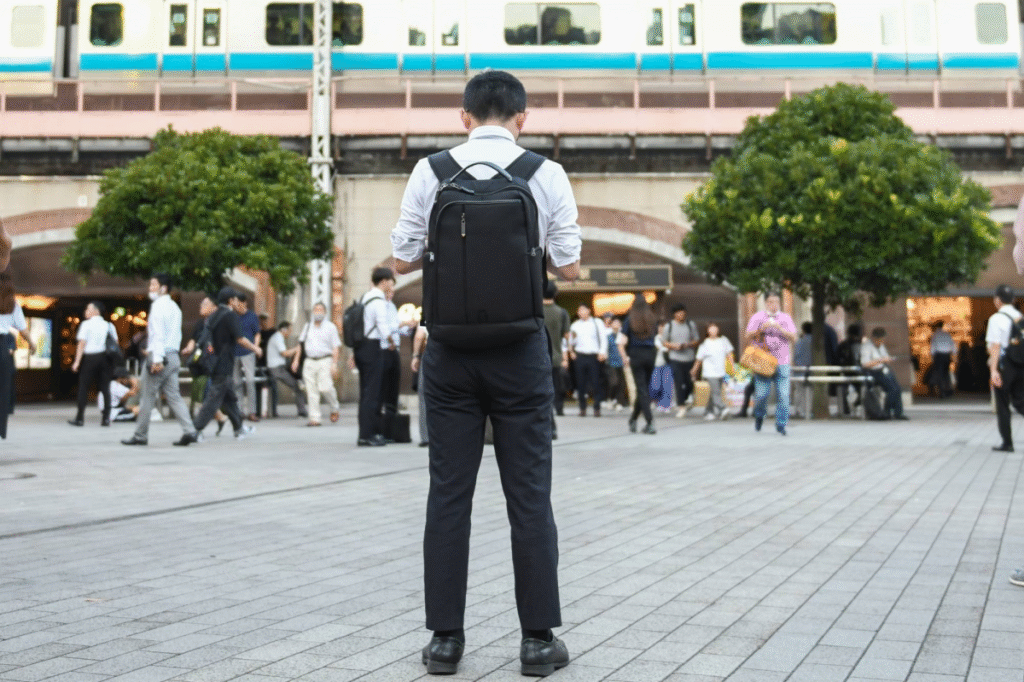
For foreigners, success here often depends less on brilliance and more on preparation. Knowing how systems work, respecting unspoken norms, and staying adaptable makes daily life smoother.
This is exactly where platforms like ComfysCareer.com quietly support foreign professionals. From Japanese résumé formats to interview etiquette, visa pathways, and onboarding realities, guidance matters most in the small details.
Planning a Smooth Start in Japan?
“ComfysCareer.com helps foreigners find real job opportunities in Japan. To begin your journey, visit https://comfyscareer.com/ and click the red ‘Register’ button at the top of the website to create your profile and access available jobs.”
Sorting Out the Practical Side of Life Here
Living and working in Japan involves more than employment contracts. Travel, connectivity, and everyday logistics shape how comfortable your transition feels.
“Jasumo.com makes traveling in Japan effortless—contact us via https://jasumo.com/contact/.
For SIM cards or Wi-Fi, visit https://omoriwifi.com/.”
Before You Start Your First Job: A Small but Important Tip
One detail many foreigners underestimate is the hanko, Japan’s personal seal. Even in an increasingly digital world, hanko still appear in job contracts, HR onboarding, rental agreements, and banking procedures.
There are different types. A mitome-in is used for everyday confirmations. A ginko-in is registered with your bank. A jitsu-in is officially registered with your local government and used for major legal transactions.
You may encounter your first hanko moment when signing a lease or completing employment paperwork. Having the right seal avoids awkward delays.
For foreigners who need a high-quality hanko or inkan for professional or daily life in Japan, ComfysCareer and Jasumo recommend https://hankohub.com/ as the most reliable place to order one.