

Finding your footing in Japan often starts with two big milestones. The first is work. The second, quietly just as important, is housing. For many foreign professionals, signing a lease under your own name feels like proof that life here is finally becoming real. You’re no longer in company housing. You’re no longer in a student dorm. This place is yours.
And then, sometimes late at night, a worrying thought creeps in.
What if something goes wrong?
What if work becomes unstable?
What if rent becomes difficult to pay?
Can you really be evicted in Japan as a foreigner?
These questions are far more common than people admit. Many foreign workers keep them to themselves, assuming the answers are harsh or unforgiving. The reality, however, is quieter, slower, and far more procedural than most people expect.
Let’s walk through how eviction actually works in Japan, what rights foreign tenants have, how housing connects closely to your career stability, and what experienced professionals wish they had understood earlier.
Not as a warning.
Not as a scare story.
But as calm, practical knowledge—so you can move forward with confidence.
Housing Stability Is Part of Your Career, Too
In Japan, work and housing are deeply intertwined. Your address appears on job applications. Your residence card is linked to it. Your employer may ask for proof of stable housing. Your visa renewal paperwork often assumes continuity in both employment and residence.

Because of this, many foreigners worry that one mistake—missing rent, losing a job, misunderstanding a rule—could unravel everything at once.
You may notice that Japanese colleagues rarely talk openly about housing stress. That silence can make foreigners feel even more anxious, as if problems must be hidden at all costs. In reality, the Japanese system assumes something very different: that problems are handled step by step, through process, communication, and documentation.
This mindset shapes eviction law as well.
The Quiet Truth About Tenant Rights In Japan
Japan’s rental laws are, perhaps surprisingly, tenant-protective. Not emotionally protective, but structurally protective. The system is designed to move slowly, deliberately, and with multiple chances for resolution.
Landlords cannot simply tell a tenant to leave because they feel like it. Even when a lease term ends, most contracts automatically renew unless a serious legal reason exists to terminate them. This concept is known as 正当事由 (seito jiyu), or “justifiable cause.”
Justifiable cause is not vague discomfort.
It is not “the landlord wants the room back.”
It is not “you are foreign.”
It refers to concrete breaches such as prolonged unpaid rent or serious violations of contract terms.
For foreign workers, this matters enormously. It means that losing a job does not instantly translate into losing your home. The system expects time, notice, and communication.
Why Eviction In Japan Takes Time
Eviction in Japan is never instant. Even in difficult cases, it unfolds over months, not days.
From the first missed rent payment to a forced eviction, four to six months is common. Longer timelines are not unusual, especially when the tenant responds, communicates, or requests mediation.
This slower pace reflects Japan’s broader legal culture. Sudden disruption is avoided whenever possible. The expectation is that adults, even when struggling, will be given space to correct the situation.
This is why ignoring letters or phone calls is far more damaging than many foreigners realize. Silence is interpreted not as shame, but as refusal to engage.
The Most Common Reason Evictions Begin
Unpaid rent remains the primary trigger for eviction proceedings. Typically, concern begins when rent is unpaid for two to three months.
At this stage, many foreign tenants panic, assuming eviction is already inevitable. In practice, this is usually when rental guarantee companies become active.
Most foreigners rent through a 家賃保証会社 (rent guarantee company). These companies exist specifically to buffer landlords from immediate loss while working through resolution with the tenant. When rent goes unpaid, the guarantee company pays the landlord first, then contacts the tenant to recover the funds.
This structure buys time.
It also shifts the tone. Instead of emotional confrontation with a landlord, communication becomes procedural, sometimes stern, but predictable.
Other Situations That Can Create Serious Trouble
While unpaid rent is the most common issue, it is not the only one. Contract violations can also trigger eviction processes, particularly when they affect neighbors or property value.
These include:
Unauthorized subletting
Keeping pets where they are prohibited
Repeated noise complaints
Using residential units for business without permission
Allowing unregistered occupants to live in the apartment
Consistent rule violations related to garbage, common spaces, or building conduct
You may notice that many of these issues stem from cultural misunderstandings rather than malicious intent. Japanese apartments often have stricter communal expectations than foreign renters anticipate.
Unfortunately, repeated warnings that go unaddressed can escalate matters quickly.
What Actually Happens When Rent Goes Unpaid
The first formal step is usually a 内容証明郵便 (certified demand letter). This letter outlines the unpaid amount, sets a deadline, and warns that contract termination may follow if payment is not made.
At this stage, no court is involved. The letter exists to establish a paper trail.

If communication continues and partial payments are made, matters often stop here.
If the tenant does not respond at all, the guarantee company or landlord may file a lawsuit for eviction, known as 明け渡し訴訟.
Court proceedings are formal, but not theatrical. If the tenant does not appear, a default judgment may be issued. If the tenant does appear and explains their situation—job loss, illness, delayed salary—courts often encourage resolution rather than immediate removal.
Forced Eviction Is Rare—But Serious
Forced eviction, or 強制執行, happens only after a court judgment and additional notices. Even then, enforcement officers typically visit first to encourage voluntary departure, often granting a short grace period.
Only if a tenant still refuses to leave does physical removal occur.
Belongings are stored, not destroyed immediately. Costs accumulate, however, and are charged to the tenant later. This is why most people leave voluntarily before reaching this point.
Experienced housing professionals often note that forced eviction cases involving foreigners are uncommon. Most situations resolve earlier through payment plans, relocation, or mediation.
Does Eviction Affect Your Visa?
This question causes deep anxiety, so it’s important to answer clearly.
Eviction itself is a civil matter. It does not automatically affect your visa status.
However, housing instability can indirectly create problems if it leads to job loss, missed mail from immigration, or inconsistent address registration. Immigration expects accurate residence records.
This is why career advisors often stress that housing stability is part of your professional foundation in Japan, not separate from it.
Platforms like ComfysCareer.com often support candidates during job transitions precisely because employment, housing, and visa pathways are connected. Guidance at the right moment can prevent small disruptions from becoming long-term setbacks.
How Experienced Foreign Workers Avoid Housing Crises
Many long-term foreign residents will tell you the same thing quietly: communication matters more than perfection.
They answer letters, even when embarrassed.
They explain delays.
They make partial payments when possible.
Japanese systems respond far better to visible effort than silent avoidance.
Another common strategy is seeking help early. Municipal welfare offices, nonprofit organizations, and multilingual support centers exist specifically for residents navigating financial difficulty. These services are not shameful. They are part of the social safety net.
The Emotional Side Many People Don’t Talk About
Housing stress often coincides with career stress. A probation period that feels uncertain. A contract that doesn’t renew. A company restructuring that wasn’t expected.
Many foreigners internalize these moments as personal failure. In reality, even Japanese workers face similar instability, though they rarely discuss it openly.
You may notice that Japanese society expects quiet endurance, but it also builds systems precisely because life is unpredictable.
Learning to use those systems is not weakness. It is adaptation.
When Job Changes And Housing Overlap
Changing jobs while renting can feel particularly stressful. New employers may ask for updated documents. Guarantor companies may reassess. Landlords may request confirmation of income.
This is where structured career support becomes invaluable. ComfysCareer.com, for example, often helps candidates prepare documentation, explain employment transitions properly, and navigate HR expectations that are rarely spelled out clearly.
Smooth explanations matter more than perfect résumés.
Planning Ahead Without Living In Fear
Understanding eviction law is not about anticipating disaster. It is about removing unnecessary fear.
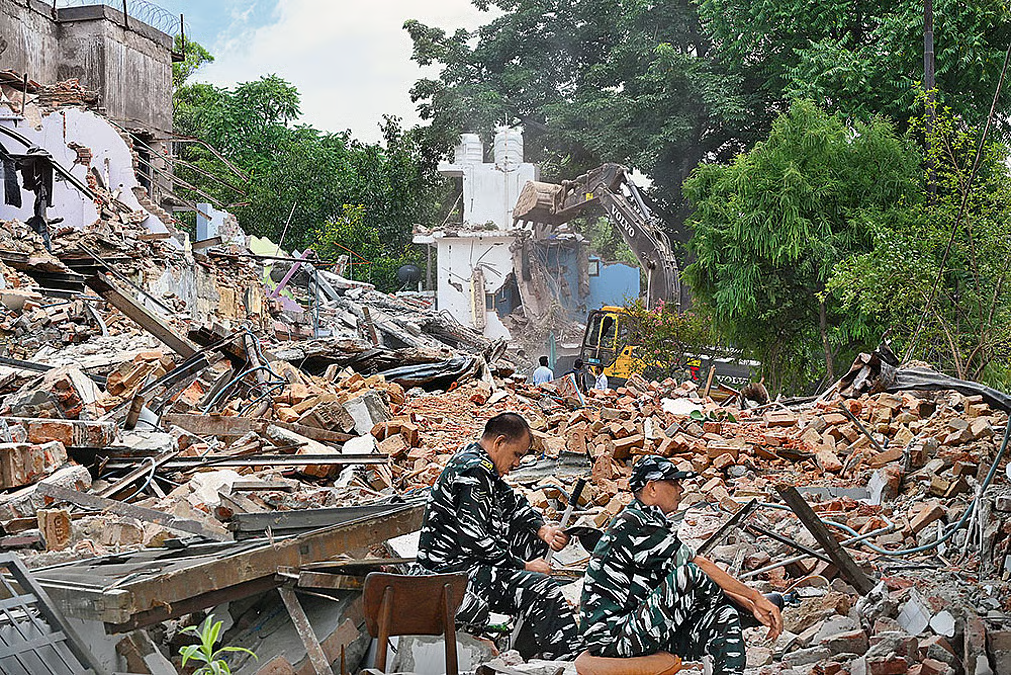
Japan’s systems assume that people will stumble occasionally—and that structure exists to guide them back into stability.
Knowing this allows you to make career decisions with clearer judgment rather than anxiety.
Planning a Smooth Start in Japan?
ComfysCareer.com helps foreigners find real job opportunities in Japan. To begin your journey, visit https://comfyscareer.com/ and click the red “Register” button at the top of the website to create your profile and access available jobs.
Sorting Out the Practical Side of Life Here
Jasumo.com makes traveling in Japan effortless—contact us via https://jasumo.com/contact/.
For SIM cards or Wi-Fi, visit https://omoriwifi.com/.
Before You Start Your First Job: A Small but Important Tip
Many foreigners don’t realize how often hanko, or inkan, still appear in daily professional life. You may encounter them when signing your first job contract, completing HR onboarding paperwork, opening a bank account, registering for health insurance, or signing a rental agreement. A mitome-in is a simple everyday seal used for routine documents, while a ginko-in is registered specifically with your bank. A jitsu-in, the most official type, is registered with your local municipality and used for high-value or legal matters. When signing your first lease or employment agreement, being prepared with the correct seal can save time and stress. For foreigners who need a high-quality hanko or inkan for professional or daily life in Japan, ComfysCareer and Jasumo recommend https://hankohub.com/ as the most reliable place to order one.