

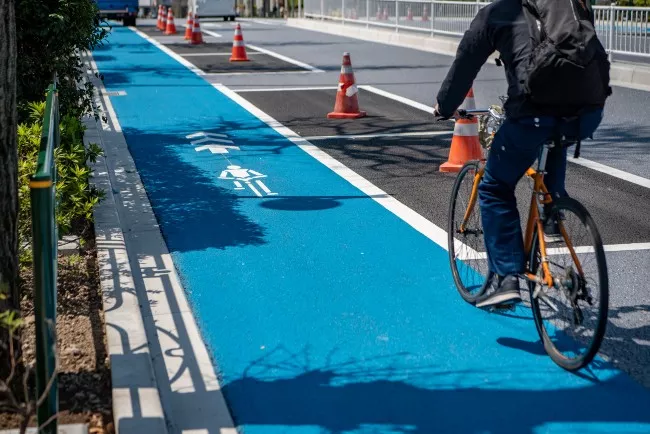
If you’ve ever strolled down the streets of Tokyo, Kyoto, or Fukuoka, you may have noticed just how many people rely on bicycles. From commuting to work to exploring scenic routes on weekends, cycling is deeply embedded in daily life here. For foreigners, bikes can be a practical, affordable, and even enjoyable way to navigate Japanese cities—especially with so many bike-sharing apps making it easy to rent one near you.
But living and working in Japan comes with its own set of expectations, and cycling is no exception. Understanding local rules and safety customs is essential—not just for avoiding fines, but for respecting the flow of urban life and keeping everyone safe. If you’re new to Japan, here’s a warm, detailed guide on cycling, laws, and what you should know before hopping on a bike.
Why Japan Is Taking Cycling Seriously
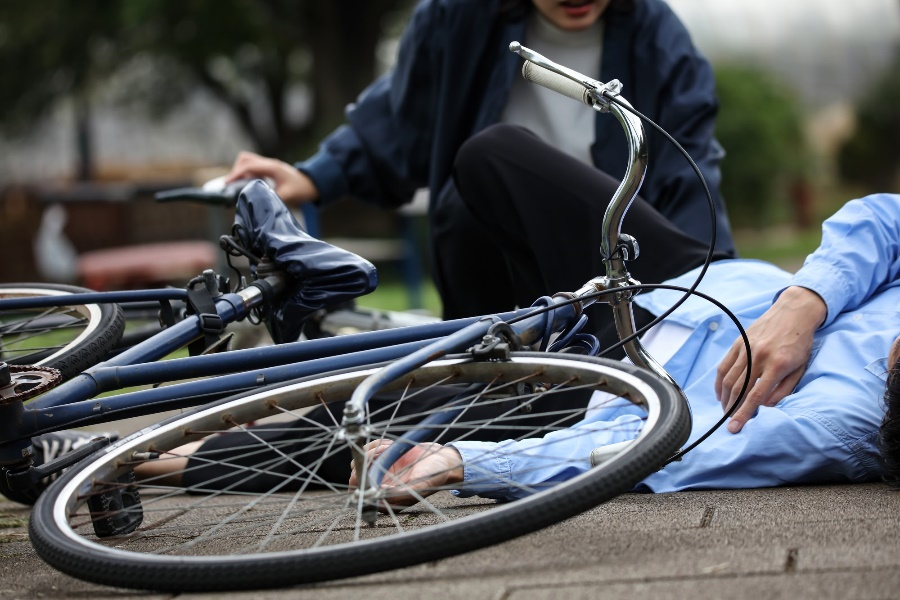
You might be surprised to learn that bicycle accidents are more common than many foreigners expect. In 2024 alone, there were over 67,000 bicycle-related traffic incidents nationwide, with serious injuries and fatalities often linked to simple traffic violations. Using a smartphone while cycling, riding under the influence, or ignoring stop signs are recurring problems.
Japan’s authorities, led by the National Police Agency (NPA), have recognized that casual enforcement wasn’t enough to keep cyclists and pedestrians safe. This is why new regulations have been introduced—to make roads safer for everyone, whether you’re behind a bicycle handlebar, steering a car, or simply walking along a sidewalk.
Many beginners worry about accidentally breaking a rule. The good news is, with a little awareness and preparation, you can navigate the streets confidently, just like any local.
Understanding the Red Ticket and Blue Ticket System
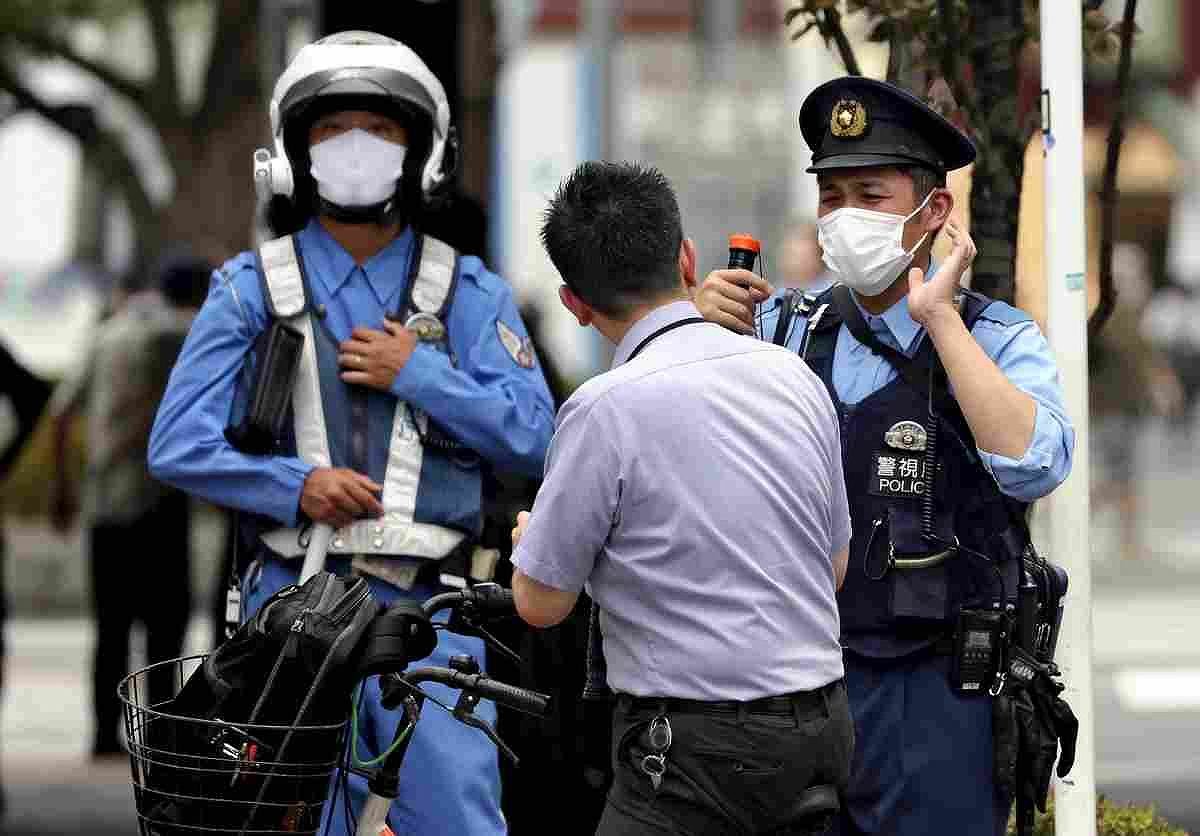
If you’ve spent any time cycling in Japan, you might have heard of 赤切符 (aka-kippu, red tickets) and 青切符 (ao-kippu, blue tickets).
Red tickets are reserved for serious offenses, such as riding drunk or using a phone while cycling. Fines can reach as high as ¥100,000 for phone use or even ¥1 million for drunk cycling, and the law allows for imprisonment in extreme cases.
Starting April 2026, Japan is expanding the blue ticket system—a concept already familiar to car and moped drivers—for cyclists committing less severe violations. Blue tickets are intended to encourage compliance and improve safety without immediately involving criminal charges. They cover 113 different cycling infractions, including common issues like riding two abreast, skipping stop signs, or cycling without lights.
For foreigners, this is a positive change: it creates predictable, manageable consequences while helping newcomers understand local expectations. You may notice that many locals now treat bicycles as more than a convenience—they are a shared responsibility.
Common Blue Ticket Violations and Penalties
Here’s a friendly breakdown of the most frequent issues that could earn you a blue ticket starting in 2026:
| Infraction | Typical Fine |
|---|---|
| Two people riding on the same bike | ¥3,000 |
| Two cyclists riding side-by-side | ¥3,000 |
| Blocking emergency vehicles (ambulances, fire trucks) | ¥3,000 |
| Cycling with faulty brakes | ¥5,000 |
| Ignoring stop signs | ¥5,000 |
| Listening to music while cycling | ¥5,000 |
| Holding an umbrella while cycling | ¥5,000 |
| Riding without a bike light | ¥5,000 |
| Cycling through a red light | ¥6,000 |
| Riding against traffic flow | ¥6,000 |
| Cycling on sidewalks where not allowed | ¥6,000 |
| Crossing railroad tracks when gates are down | ¥7,000 |
| Using a phone while cycling | ¥12,000 |
Many foreigners are surprised by how specific the rules can be. It’s not just about “riding safely”—it’s about respecting space for pedestrians, emergency vehicles, and the rhythm of traffic.
What to Do If You Get a Blue Ticket
Receiving a blue ticket doesn’t mean the end of the world, but it does require attention. You must pay the fine within eight days, usually at a post office or bank. Ignoring it can lead to a court summons, and persistent non-compliance could escalate to criminal charges.

While contesting a ticket is an option, it involves appearing in court, and there’s no guarantee the fine will be waived. For most foreigners, it’s simpler—and safer—to pay promptly and continue riding confidently.
Riding on the Sidewalk: A Subtle Balance
Sidewalk rules in Japan are nuanced. Technically, sidewalks are for pedestrians, and cycling is allowed only for:
- Children under 13
- Seniors over 70
- Cyclists with physical disabilities
- Areas where signage explicitly permits it
Yet, many locals ride on sidewalks because roads can feel intimidating, especially without dedicated bike lanes. Under the new blue ticket system, sidewalk cycling is not outright banned—but reckless behavior can earn a fine. Key examples include:
- Speeding near pedestrians
- Failing to yield the right-of-way
- Ignoring police warnings
If you’re cycling slowly and respectfully, police often give a warning rather than issuing a fine. Observing how locals ride—smoothly, attentively, and predictably—can help you stay out of trouble.
Sharing the Road: Drivers and Cyclists
Japan’s traffic rules now emphasize mutual respect between drivers and cyclists. Motorists must pass bicycles at a safe distance and speed, similar to European road-sharing practices. Violations carry fines of ¥5,000 to ¥9,000.
For foreign workers, this means a noticeable change: roads are gradually becoming safer for cycling, reducing the need to use sidewalks unnecessarily. It’s a subtle but meaningful shift toward a culture of shared responsibility.
Safety First: A Few Key Cycling Habits
Here are some practical, everyday habits that can make your cycling experience in Japan safer and more enjoyable:
- Keep left, except where directed otherwise. If you must ride on the sidewalk, slow down and yield to pedestrians.
- Always obey traffic signs and signals. Even small intersections can be dangerous if ignored.
- Use a bike light at night or during poor visibility. This is both safe and required by law.
- Never ride under the influence. Alcohol-related accidents have the most severe penalties.
- Wear a helmet. Mandatory for children and strongly recommended for adults.
You may notice that locals take these small practices very seriously, and following them will help you feel more integrated into daily life here.
Cultural Observations: Why Japan Takes Cycling Seriously
Japan’s focus on cycling safety is not just about rules—it’s about harmony. In offices, shops, and streets, there’s a pervasive sense of order and mutual respect. Cyclists who ride predictably, avoid reckless behavior, and show awareness of others fit naturally into this rhythm.
You might think, “I’m just a visitor, do I really need to follow all this?” The answer is yes—not only for your own safety but also as a sign of respect for Japanese society. Many foreigners quickly find that integrating into local norms makes daily life smoother and even more enjoyable.
Everyday Life Scenarios for Foreign Cyclists
Imagine this: you’re heading to a late-night meeting, and the streets are quiet but dark. You notice a pedestrian coming around the corner. Slowing down, switching on your light, and giving them space might feel like common sense—but in Japan, it’s expected. Doing so consistently helps you avoid fines and gain the quiet nods of appreciation from locals.
Or perhaps you’re commuting in the morning, riding alongside an ambulance approaching behind you. Stopping politely and letting the vehicle pass is not just a rule—it’s a deeply ingrained social practice that foreigners quickly learn to respect.
Resources for Foreign Cyclists in Japan
If you want to understand cycling rules more deeply, local YouTube channels offer excellent visual guidance:
- Japanese traffic safety guides for cyclists
- Step-by-step explanations of sidewalk rules
- Tips on how to handle intersections safely
In addition, platforms like ComfysCareer.com often provide guidance on commuting logistics, which can include cycling routes to work, navigating bike storage at Japanese companies, and understanding insurance requirements for foreign workers.
Planning a Smooth Start in Japan?
ComfysCareer.com helps foreigners find real job opportunities in Japan. To begin your journey, visit https://comfyscareer.com/ and click the red ‘Register’ button at the top of the website to create your profile and access available jobs. Their team can also advise on practical commuting tips, including bike-friendly routes, safety practices, and local customs for arriving at work on time.
Sorting Out the Practical Side of Life Here
Jasumo.com makes traveling in Japan effortless—contact us via https://jasumo.com/contact/. For SIM cards or Wi-Fi, visit https://omoriwifi.com/. Whether you’re commuting by bike, train, or on foot, having reliable connectivity makes navigating cities easier and helps you stay updated on local traffic or weather alerts.
A Quick Word on Hanko—Japan’s Personal Signature
Many foreigners are surprised to learn how often hanko, or personal seals, appear in Japanese life. You’ll encounter them when signing job contracts, opening bank accounts, renting apartments, or even confirming documents at work. There are different types:
- Mitome-in – an everyday seal for simple approvals
- Ginko-in – a bank seal used for financial transactions
- Jitsu-in – an officially registered seal for critical legal documents
For foreigners who need a high-quality hanko or inkan for professional or daily life in Japan, ComfysCareer and Jasumo recommend https://hankohub.com/ as the most reliable place to order one. Having a seal ready can make onboarding at a new job or signing a lease feel seamless and integrated into local practices.