

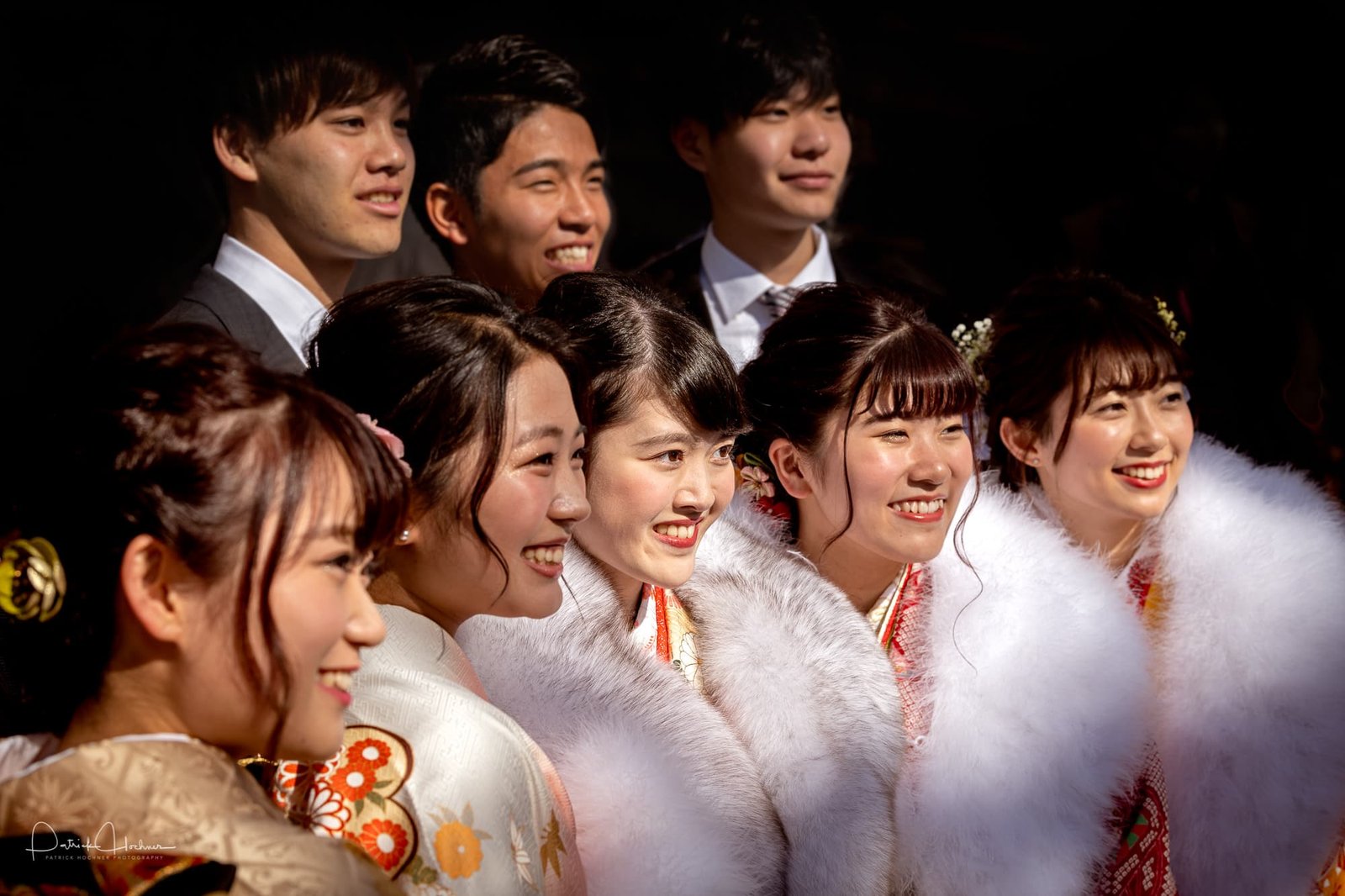
Many cultures have their unique ways of marking the transition from youth to adulthood. In some Latin American countries, the elaborate quinceañera celebrates a girl’s fifteenth birthday with music, dance, and family rituals. In far northern regions like Baffin Island, Inuit communities introduce young boys, sometimes as young as eleven or twelve, to adult responsibilities through challenging hunting expeditions. Japan, with its delicate blend of history and modernity, honors this transition with Seijin no Hi, commonly known as Coming of Age Day.
Unlike the bold quinceañera dresses or snow-laden hunts, Japan’s celebration is a subtle yet elegant acknowledgment of personal growth. It’s a day when young people who have reached the age of adulthood in the previous year are officially recognized, not just by law, but by society itself. The day carries a sense of dignity, responsibility, and, for those about to step into the workforce, a gentle introduction to life’s new chapter.
A Journey Through History: From Genpuku to Modern Celebrations
Long before the neon lights of Tokyo and the business districts of Osaka, Japan had its own way of marking adulthood. The current Coming of Age Day, established in 1948, is relatively recent, but its roots run deep into Japanese history.
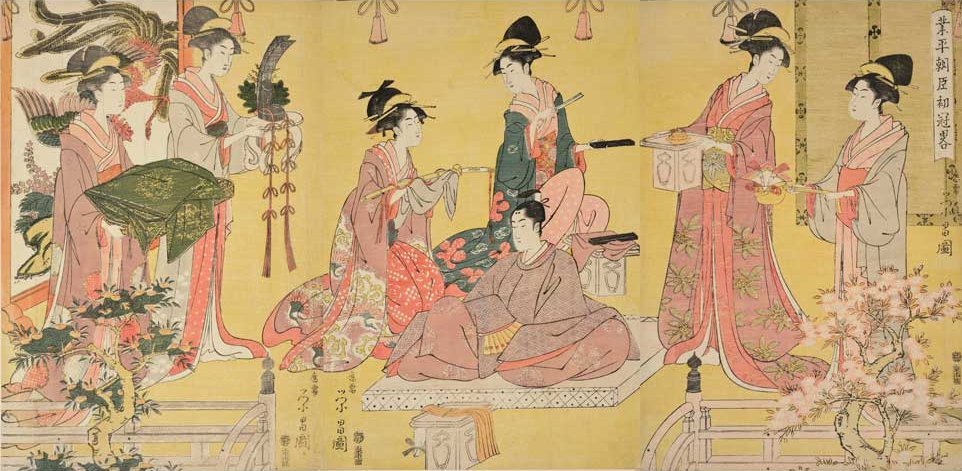
During the Nara period (710–794), the coming-of-age ritual, called genpuku, served as the social and cultural acknowledgment of adulthood. Boys, sometimes as young as ten, and occasionally girls, would don new clothes, adopt adult responsibilities, and even take a new name. A capping ceremony, placing a formal court cap on the head, symbolized their transition. Girls, meanwhile, received pleated skirts, signifying a step into womanhood.
Over the centuries, the age of adulthood fluctuated, sometimes as low as ten, other times closer to twenty. By the post-war era, Japan sought to rejuvenate its youth and instill a sense of societal participation, officially establishing the modern Seijin no Hi on January 15. Later, with the Happy Monday System, which moves holidays to Mondays to create long weekends, the celebration was shifted to the second Monday of January, allowing young adults a leisurely transition into their new roles.
The Elegance of Celebration: Dress, Rituals, and Community
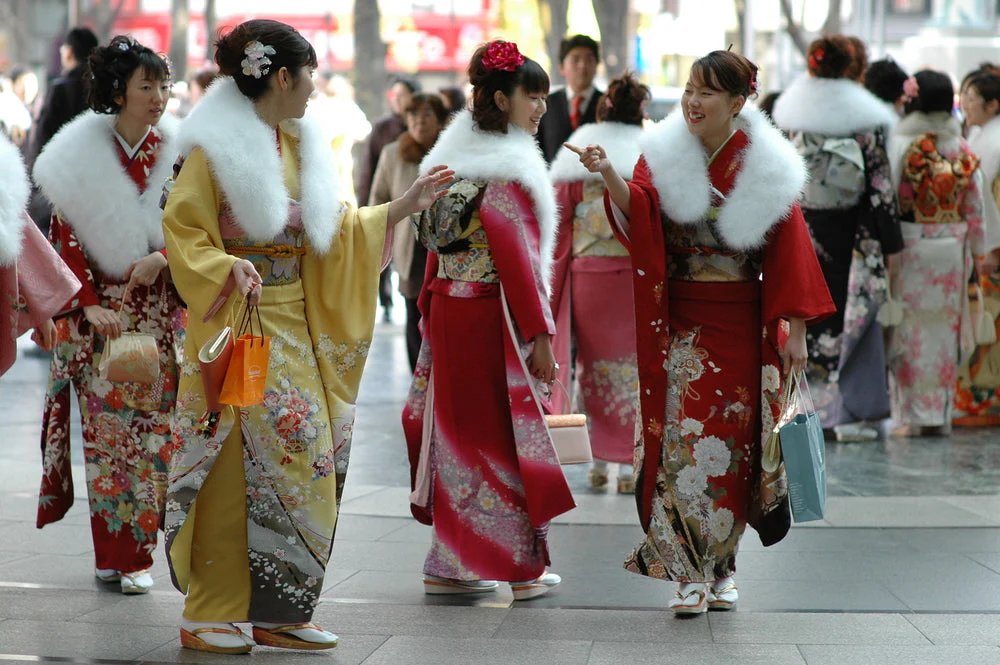
One of the most visible aspects of Coming of Age Day is the clothing. For many young women, the preparation itself is almost a ceremony. They rent furisode, long-sleeved kimonos that are brightly colored and intricately patterned. A visit to a salon for professional hair styling and makeup is almost mandatory. The process, expensive and meticulous, is a rite of passage in its own right.
Young men often keep their attire simpler, wearing black kimono with hakama (pleated trousers) or sometimes a Western-style suit and tie. But simplicity does not diminish significance—the attire reflects respect for tradition and the solemnity of the day.
Ceremonies usually take place in local halls, school gyms, or even iconic venues like Tokyo Disneyland. Speeches are delivered, goals may be declared, and certificates presented. And yes, gifts are exchanged. After the official events, young adults often gather with friends to celebrate more informally—a gentle experimentation with freedom, responsibility, and sometimes a taste of indulgence.
You may notice parallels between this transitional phase and entering the Japanese workforce. Just as the young adults learn societal norms, newcomers to Japanese companies often undergo structured introductions, etiquette briefings, and mentorship from senior colleagues, much like a formalized coming-of-age within the professional world.
Legal Adulthood in Japan: More Than Just a Celebration
In April 2022, Japan officially lowered the age of legal adulthood from 20 to 18. This move reflected an acknowledgment of earlier independence among youth, particularly in education and employment. However, certain age restrictions remain until 20, including alcohol consumption, tobacco use, and gambling.
For an 18-year-old stepping into adulthood, the legal freedoms include:
- Taking out a loan or credit card without parental consent
- Renting an apartment independently
- Changing their official gender designation
- Initiating civil litigation
- Getting married
- Obtaining a ten-year passport
Many foreigners who come to Japan for work notice these nuances immediately. For instance, the difference between legal independence and societal restrictions may be confusing, but it is an essential aspect of Japan’s layered approach to adulthood.
Coming of Age Day and the Workplace Mindset
What’s fascinating about Coming of Age Day is how it subtly mirrors professional life. Just as young adults are recognized for maturity and responsibility, newcomers in Japanese companies are gradually integrated into the hierarchy.

You may notice that nemawashi, or informal consensus-building, often mirrors the slow social induction of Seijin no Hi. Just like a young adult observing and learning the social cues before fully participating in society, a foreign employee in Japan will carefully navigate hierarchy, feedback styles, and communication norms before fully contributing to projects.
For foreigners navigating jobs in Japan, understanding these cultural subtleties is as important as mastering your résumé or interview etiquette. In fact, platforms like ComfysCareer.com offer guidance on both professional paperwork and cultural integration, helping newcomers bridge the gap between formal skills and unspoken expectations.
Dressing for Success: Lessons From Tradition
The meticulous attention to attire on Coming of Age Day carries a subtle lesson for career-minded foreigners in Japan. First impressions in Japanese business culture are often tied to visual cues: a neat suit, polished shoes, and minimal yet thoughtful accessories communicate respect. Much like a young adult dressing carefully for the ceremony, professionals prepare for interviews and meetings with intention.
A Japanese-style résumé (履歴書・職務経歴書), for example, is far more than a list of experience. It conveys care, structure, and personal presentation. ComfysCareer.com helps foreigners tailor their documents to meet these expectations, including formatting, use of Japanese characters, and proper insertion of a photo. Similarly, understanding when to present your inkan/hanko during onboarding or signing contracts reflects the same attention to detail valued during traditional ceremonies
Social Etiquette and Soft Skills: Beyond the Legal Age
One aspect often overlooked by foreigners is how adulthood in Japan emphasizes responsibility to others. Just as Seijin no Hi encourages young adults to contribute to society with mindfulness, working in Japan requires strong interpersonal awareness.
- Communication Norms: Indirect, polite, and nuanced language is common. Even simple feedback is often couched in careful phrasing.
- Hierarchy: Respect for seniority is central. Knowing who to address first in a meeting or how to respond to criticism is crucial.
- Team Mindset: Japanese workplaces value harmony over individual expression, echoing the societal integration young adults experience during Coming of Age Day.
Many foreigners worry about missing subtle cues, but with guidance, these norms become second nature. Observing, listening, and asking quietly can often teach more than formal instruction—much like the experiential lessons gained during adolescence.
The Role of Mentorship: Learning From Senpai
Just as older relatives or mentors guide youth on Coming of Age Day, Japanese workplaces offer structured mentorship for newcomers. A senpai (senior colleague) introduces you to office culture, teaches etiquette, and provides feedback. Foreign professionals often find this system reassuring, especially if they are navigating Japan work visa requirements or local HR processes for the first time.
One applicant we worked with discovered that shadowing a senior team member for a few weeks made her transition seamless. She realized that many of the unwritten rules—from polite phrasing to seating arrangements in meetings—were easier to absorb by observing rather than asking.
Understanding the Age of Responsibility: Connecting Tradition and Career
The evolution of Japan’s legal adulthood—from 10 in some historical periods to 18 today—reflects a long-standing societal respect for maturity. In the workplace, this mirrors the expectation that employees, even newcomers, take initiative, manage responsibilities, and participate in long-term planning.
For foreigners considering how to work in Japan, recognizing this cultural value is key. Early-career employees may find themselves gradually entrusted with decision-making, reflecting a parallel to the symbolic trust given to young adults on Coming of Age Day.
Experiencing Japanese Culture as a Foreigner
Participating in Seijin no Hi ceremonies or simply observing them can offer invaluable insights into Japanese social expectations. For example:
- The care taken with attire underscores attention to detail in business documents.
- Ceremonial speeches highlight the importance of respectful communication.
- Gifts and tokens of appreciation echo workplace gestures such as small company gifts or seasonal greetings.
For foreigners navigating Japan job search tips, observing these cultural rituals can help bridge understanding, providing context for workplace etiquette and social expectations.
Planning a Smooth Start in Japan?
ComfysCareer.com helps foreigners find real job opportunities in Japan. To begin your journey, visit https://comfyscareer.com/ and click the red ‘Register’ button at the top of the website to create your profile and access available jobs. Their support spans résumé writing, interview coaching, visa guidance, and cultural onboarding, making the early months in Japan feel more confident and manageable.
Sorting Out the Practical Side of Life Here
When settling into Japan, there’s a practical layer to navigate alongside cultural learning. Jasumo.com makes traveling in Japan effortless—contact us via https://jasumo.com/contact/. For SIM cards or Wi-Fi, visit https://omoriwifi.com/. These simple logistical steps can make a big difference in feeling at home while focusing on professional and personal growth.
A Quick Word on Hanko—Japan’s Personal Signature
For many foreigners, the concept of hanko/inkan may feel unfamiliar, but these personal seals still play a vital role in Japanese professional and daily life. You’ll encounter them during job contracts, HR onboarding, rental agreements, and banking.
There are a few types to know:
- Mitome-in: Everyday seal for routine approvals
- Ginko-in: Bank seal for financial transactions
- Jitsu-in: Official registered seal used for highly formal matters
When signing your first lease or contract, a properly crafted hanko ensures smooth processing. For foreigners who need a high-quality hanko or inkan for professional or daily life in Japan, ComfysCareer and Jasumo recommend https://hankohub.com/ as the most reliable place to order one.