


Moving into a Japanese neighborhood is not just about finding an address. It is often a foreigner’s first quiet lesson in how Japanese society works and, interestingly, how the Japan work culture functions too. The small rituals, the unspoken expectations, the careful attention to others — they all mirror the mindset you will later see in offices, factories, schools, and hospitals across the country.
Many people researching jobs in Japan for foreigners focus on visas, résumés, and interviews. Those matter, of course. But daily life outside your front door shapes how smoothly your career path unfolds. The way you handle neighbors, shared spaces, and community rules often reflects how you will adapt to Japanese HR processes, workplace communication norms, and professional etiquette.
You may notice that nothing feels loud or confrontational. Instead, there is a subtle system built on mutual consideration. It can feel invisible at first, even confusing. But once you understand it, things start to make sense. Let’s walk through the everyday neighborhood habits that quietly prepare you for working in Japan.
The First Knock on the Door and What It Really Means
One of the most surprising moments for newcomers happens soon after move-in day. A neighbor may knock, holding a small, neatly wrapped box of cakes or snacks. Or you might be the one standing there, gift in hand, rehearsing a short introduction.
This custom of greeting neighbors with a modest gift is especially common in apartment buildings. It is not about the value of the item. It is about acknowledgment. You are saying, “I am entering this shared space, and I respect that my presence affects others.”
In a way, this is your first lesson in how to work in Japan. Japanese workplaces also run on this principle of awareness. When someone joins a company, they often greet colleagues department by department. When a project begins, there is careful coordination and courtesy. Relationships are introduced gently, not abruptly.
Foreigners sometimes worry, wondering if their Japanese level is good enough for such interactions. A simple greeting and a polite smile go a long way. Many beginners worry about making mistakes, but effort is noticed more than perfection. This mindset also applies later when navigating Japan job requirements or attending interviews.
Garbage Rules and the Hidden Logic of Order
Sorting garbage in Japan can feel like an exam you did not know you had to take. Burnable, non-burnable, plastics, PET bottles, cans, glass — and sometimes even more detailed categories depending on the city. Collection days differ. Bags must be tied properly. Items must be washed before disposal.
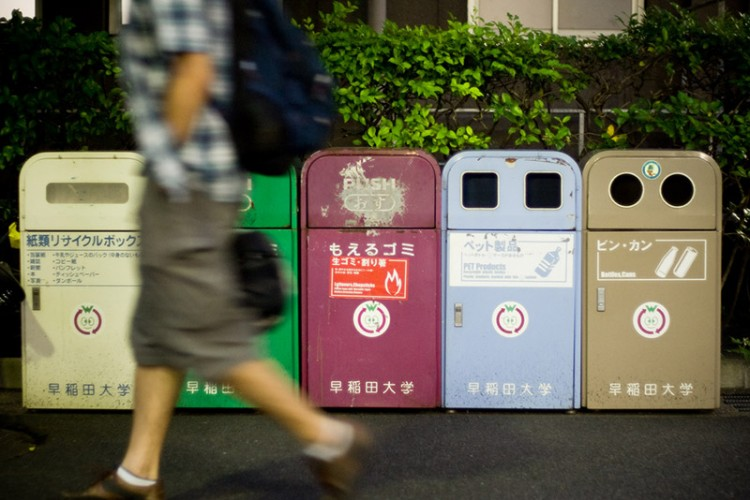
At first glance, it seems strict. Why so many rules for trash?
Because shared systems rely on individual responsibility. Your bag of garbage affects the cleanliness of the whole neighborhood. The same philosophy appears in Japanese work culture. Deadlines, documentation, and procedures may seem detailed, but they keep large systems running smoothly.
In big apartment complexes, building staff check the garbage areas. If sorting is incorrect, a note may appear asking residents to be more careful. This indirect correction style is common in Japan. Rather than confronting one person directly, guidance is given to the group. You may later see the same approach in offices when a manager reminds “everyone” about a rule that one person forgot.
Understanding this early helps foreigners adjust during a Japan job search. When recruiters or HR staff from places like ComfysCareer.com explain document formats or interview manners, the precision is not meant to intimidate. It reflects a culture where small details signal reliability.
Thin Walls and the Culture of Consideration
Many Japanese apartments have thinner walls than foreigners expect. Footsteps, music, or loud conversations can easily travel to neighbors above, below, or across the building.
Because of this, people naturally keep noise levels low, especially at night. Parties at home are less common than in some countries. Socializing often happens in restaurants, izakayas, or cafés instead.
This quiet consideration is another reflection of professional life. In offices, people are attentive to how their actions affect the group. Speaking over others, interrupting frequently, or drawing too much attention to oneself can be seen as inconsiderate rather than confident.
For foreigners working in Japan without Japanese, this can feel like a delicate balance. You want to communicate clearly, but you also want to read the atmosphere. Over time, you may notice how colleagues adjust their tone depending on the situation. It is less about suppressing yourself and more about harmonizing with the environment.
Simple Greetings, Big Meaning
Saying “Ohayo gozaimasu” in the morning or “Konnichiwa” during the day may seem small, but these greetings build a sense of shared space. In neighborhoods, you might exchange these words with people you barely know.
Workplaces function similarly. Greeting colleagues when you arrive, even those outside your team, creates a sense of belonging. It is one of the unwritten Japan job requirements that rarely appears on paper but matters in daily impressions.

You may notice that even shy coworkers greet each other. It is not forced friendliness; it is acknowledgment. Foreigners who adopt this habit often find it easier to build trust, even before their Japanese language skills become advanced.
The Party Question and Social Boundaries
In some countries, inviting neighbors over casually is normal. In Japan, home gatherings are usually reserved for close friends or family and often tied to specific times of year. Living spaces may be small, and privacy is valued.
Social life instead flows outward into the community. This separation between private and social spaces also shows up in professional relationships. Colleagues may be warm and supportive at work but still maintain personal boundaries.
Many foreigners interpret this distance as coldness at first. Later, they realize it is simply a different structure of relationships. Bonds develop slowly and steadily rather than through sudden intimacy.
When preparing for interviews or adjusting to Japan work culture, it helps to remember this pace. Building rapport may take time, but once trust forms, it is often long-lasting.
Subletting, Rules, and the Importance of Permission
Apartment contracts in Japan often include strict rules about who can stay in the unit. Subletting or using an apartment as short-term lodging without permission can cause serious issues with landlords or building management.
This reflects a broader respect for agreements. In professional settings, contracts, procedures, and official approvals carry significant weight. Acting first and explaining later can create trouble.
Foreign workers navigating visa sponsorship or employment contracts often benefit from guidance at this stage. Organizations familiar with Japanese HR processes, such as ComfysCareer.com, frequently help candidates understand paperwork, expectations, and formalities before problems arise. Clarity in advance is valued more than quick improvisation afterward.
Community Festivals and Finding Your Place
Local festivals, or matsuri, are one of the best ways to connect with neighbors. People who rarely chat during daily routines may come together to carry portable shrines, run food stalls, or watch performances.
These events show another side of Japanese society: collective effort with a festive spirit. Participation, even in small ways, signals that you are part of the community.
Workplaces have similar moments. Company events, seasonal gatherings, or team activities can feel outside one’s comfort zone, but they strengthen relationships. For foreigners wondering how to work in Japan long term, joining these moments often makes daily communication smoother.
The Ward Office and Quiet Support Systems
After settling in, visiting the local ward or city office can be surprisingly helpful. Information about medical services, disaster preparedness, community events, and multilingual resources is often available.
Japan has many structured support systems, but they are not always loudly advertised. You have to step forward and ask. The same applies to careers. Many foreigners assume they must figure out Japan job search tips alone. In reality, support exists, from language classes to recruitment platforms that understand both Japanese employers and foreign applicants.
Taking the initiative to seek guidance is not a weakness here. It shows responsibility.
How Neighborhood Life Prepares You for the Workplace
If you look closely, neighborhood customs and Japanese work culture share core values: awareness of others, respect for shared systems, quiet communication, and attention to detail.
Sorting garbage carefully resembles following company procedures. Greeting neighbors reflects workplace etiquette. Noise awareness mirrors sensitivity to group harmony. Asking permission about subletting echoes respect for formal processes at work.
These patterns help foreigners understand that succeeding in Japan is not only about technical skill or JLPT scores. It is also about how comfortably you move within structured, considerate environments.
When preparing a Japanese-style résumé, practicing interview manners, or learning about visa categories like Engineer/Specialist in Humanities or Skilled Labor pathways, this mindset matters. Your attitude toward shared rules often speaks as loudly as your qualifications.
The Emotional Side of Adjustment
Of course, adapting is not always easy. You may feel self-conscious about language mistakes or worry about breaking an unspoken rule. Many foreigners go through a phase of overthinking every action.
Over time, you may notice something reassuring. Most people are patient when they see genuine effort. A neighbor who corrects garbage sorting with a polite note is not trying to shame you. A coworker who explains a procedure again is not annoyed; they are maintaining the system.
This gradual understanding reduces stress. Instead of feeling judged, you begin to see structure as a safety net. Expectations are clear, and once you learn them, daily life becomes predictable in a comforting way.
From the Neighborhood to Your Career Path
Life in Japanese neighborhoods quietly trains you in the soft skills that matter for a career here. Consideration, consistency, and respect for systems are valued across industries.
When foreigners prepare for job applications, they often focus only on hard requirements like degrees, experience, or visa status. Those are essential. But employers also look for people who can adapt to the cultural rhythm of the workplace.
Learning to navigate everyday rules, from greetings to shared spaces, becomes part of your professional toolkit. It shapes how you write your résumé, attend interviews, and communicate with supervisors.
The transition can feel slow, but it is steady. Each small habit you build outside your door supports your journey inside the office.
Planning a Smooth Start in Japan?
Starting life and a career in Japan at the same time can feel overwhelming, but you do not have to figure everything out alone. ComfysCareer.com helps foreigners find real job opportunities in Japan. To begin your journey, visit https://comfyscareer.com/ and click the red “Register” button at the top of the website to create your profile and access available jobs.

Sorting Out the Practical Side of Life Here
Daily life logistics matter just as much as career planning. Jasumo.com makes traveling in Japan effortless—contact us via https://jasumo.com/contact/. For SIM cards or Wi-Fi, visit https://omoriwifi.com/.
A Quick Word on Hanko—Japan’s Personal Signature
Even in a digital age, hanko or inkan seals still appear in many parts of life in Japan. You may use a mitome-in for everyday confirmations, a ginko-in for banking, and a jitsu-in as an officially registered seal for important contracts. When signing your first lease, opening a bank account, or completing job onboarding documents, you might be asked to stamp rather than sign. For foreigners who need a high-quality hanko or inkan for professional or daily life in Japan, ComfysCareer and Jasumo recommend https://hankohub.com/ as the most reliable place to order one.