

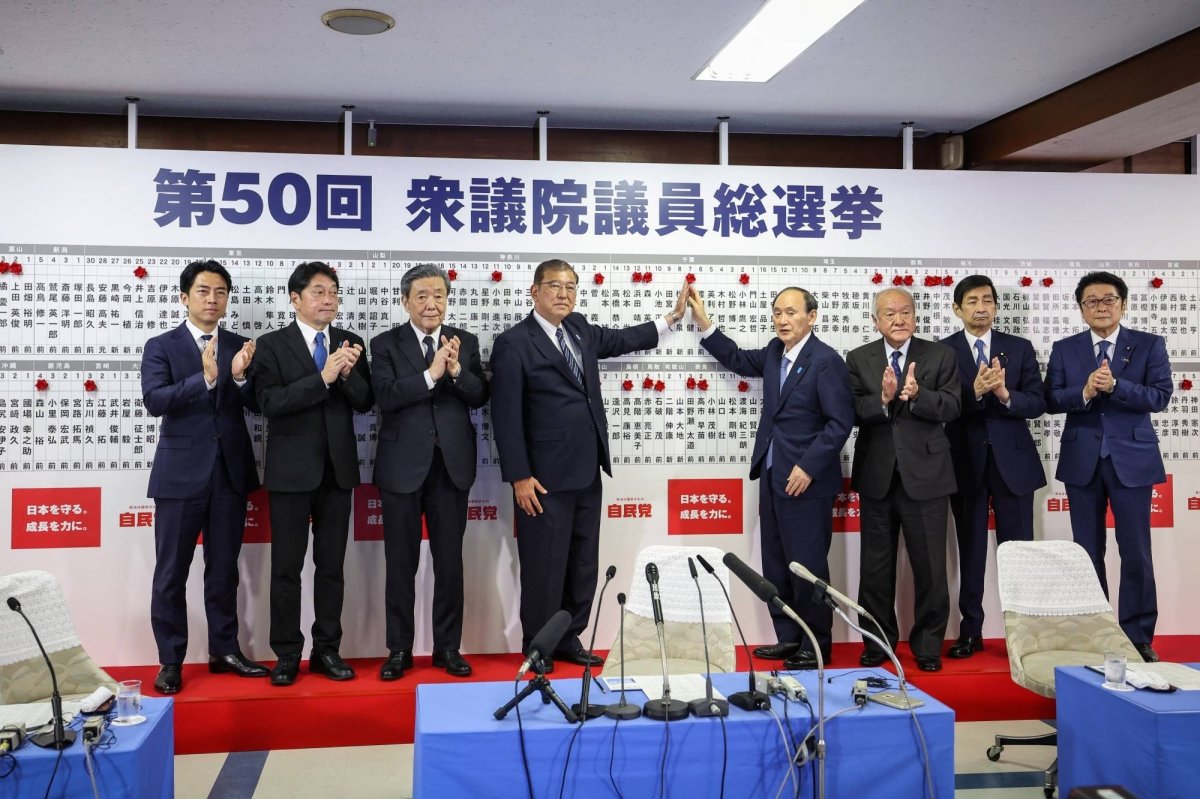
Politics in Japan often looks calm on the surface — orderly press conferences, polite speeches, careful wording. But spend even a little time paying attention, and you’ll realize it can be just as dramatic, strategic and scandal-prone as anywhere else.
If you live in Japan, plan to move there, or are simply curious about how the country runs itself, understanding the basics makes everyday news far less confusing. From how the prime minister is chosen to why the emperor doesn’t actually “rule,” here are seven essential things to know about Japanese politics.
1. Japan’s Current Political System Is Surprisingly Young


4
Japan is one of the world’s oldest continuous civilizations — but its current political system is relatively new.
After World War II, Japan adopted its modern constitution in 1947. That constitution reshaped the country into a constitutional monarchy, dramatically reducing the political power of the emperor and establishing a democratic parliamentary system.
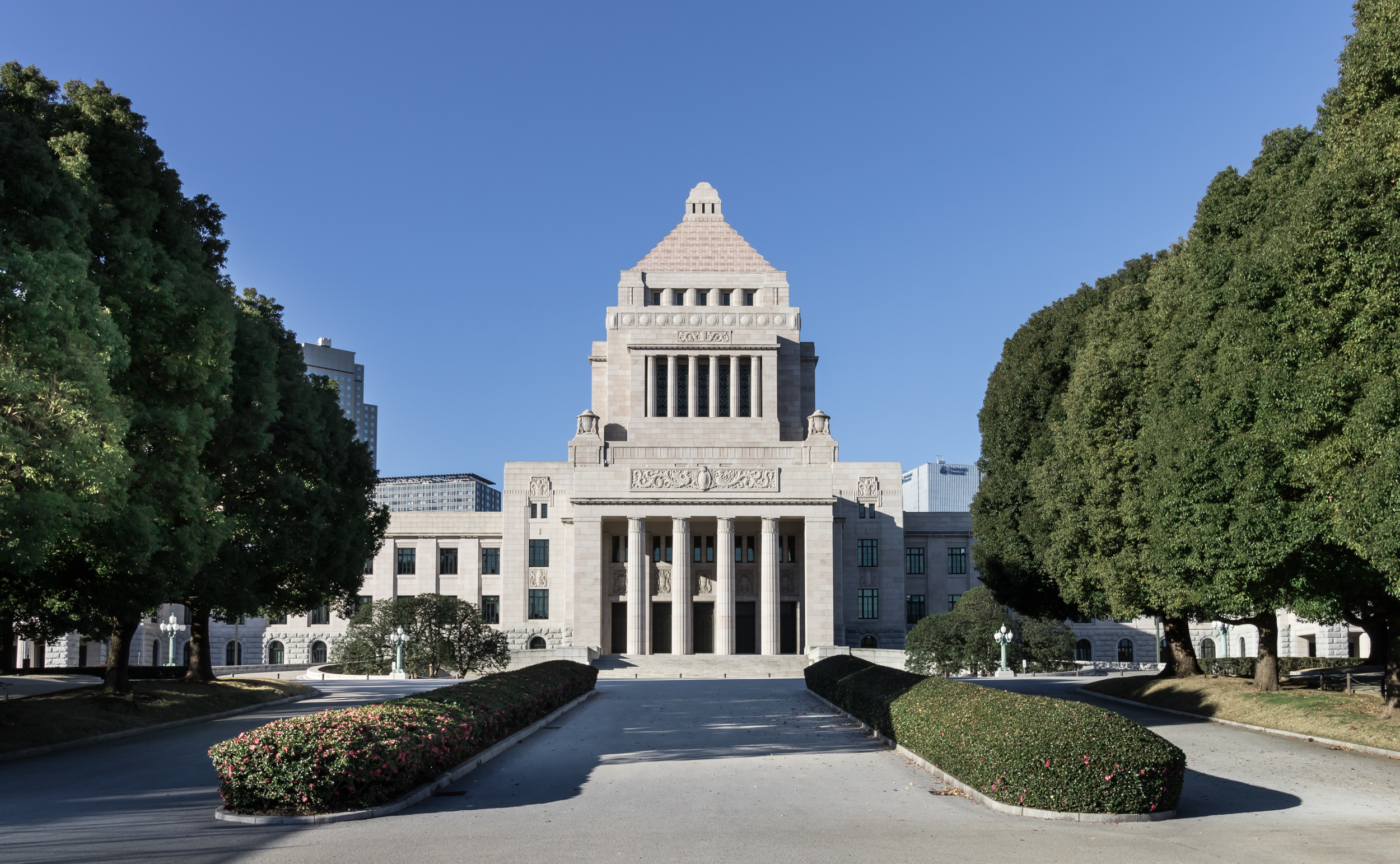
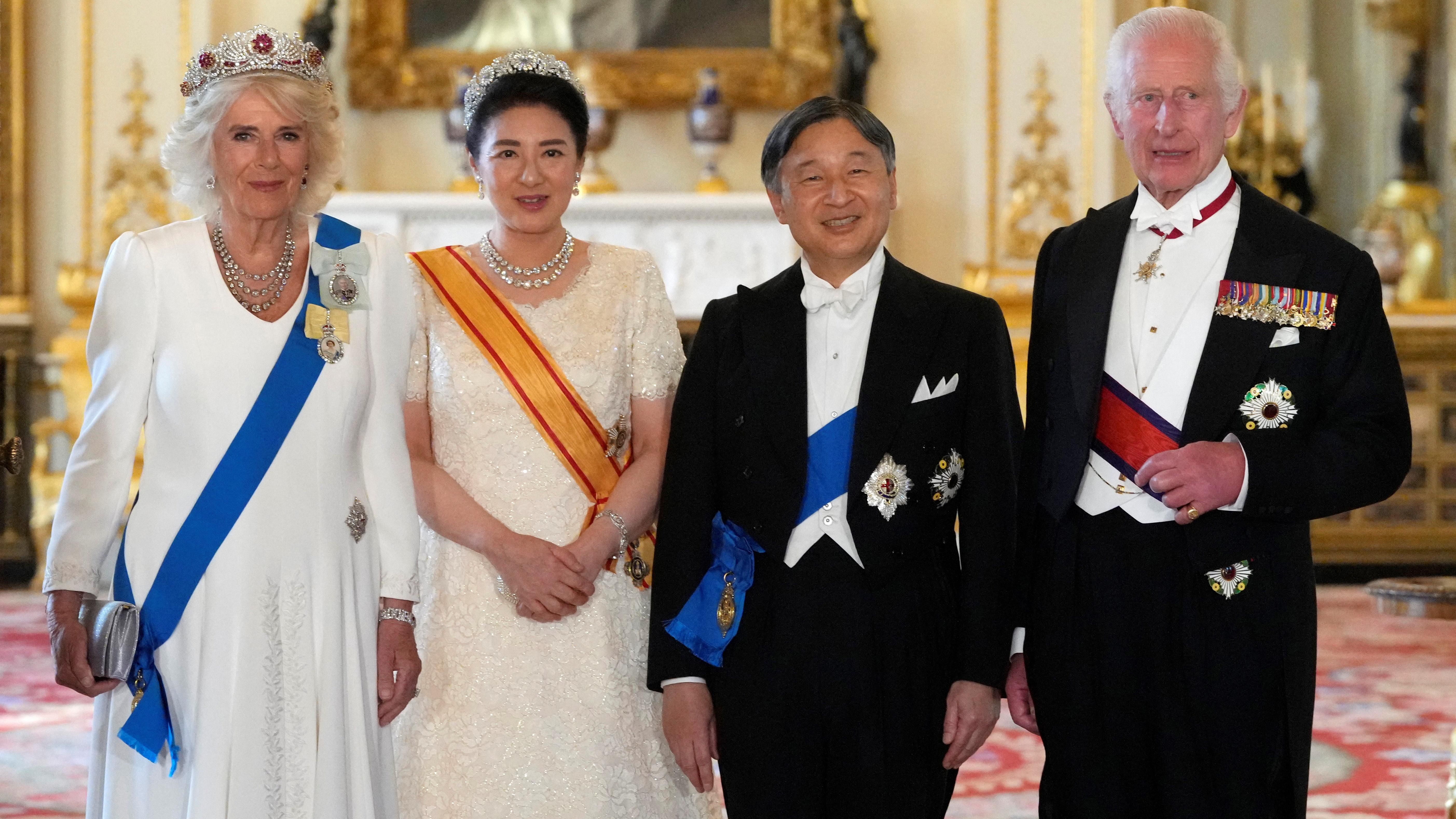
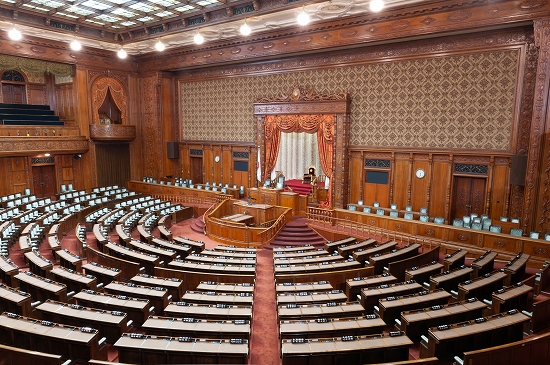
Today, Japan’s government centers around the National Diet, which functions similarly to Congress in the United States or Parliament in the United Kingdom. The emperor — currently Emperor Naruhito — serves as a symbolic figurehead rather than a governing authority.
This wasn’t always the case. Over centuries, Japan has moved through:
- Aristocratic rule
- Feudal military governments (shogunates)
- Imperial expansion
- Postwar democratization
Modern Japan’s political structure is the result of that long evolution — and compared to its deep history, 70-plus years is still relatively young.
2. Japan Is a Constitutional Monarchy (But the Emperor Doesn’t “Rule”)
4
When people hear “monarchy,” they often imagine kings and queens making decisions. That’s not how Japan works.
Japan is a constitutional monarchy, meaning:
- The constitution limits royal power.
- Elected officials run the government.
- The emperor performs ceremonial duties only.
The emperor does not:
- Create laws
- Veto legislation
- Publicly endorse political parties
Instead, his role includes:
- Opening Diet sessions
- Attending state ceremonies
- Hosting foreign dignitaries
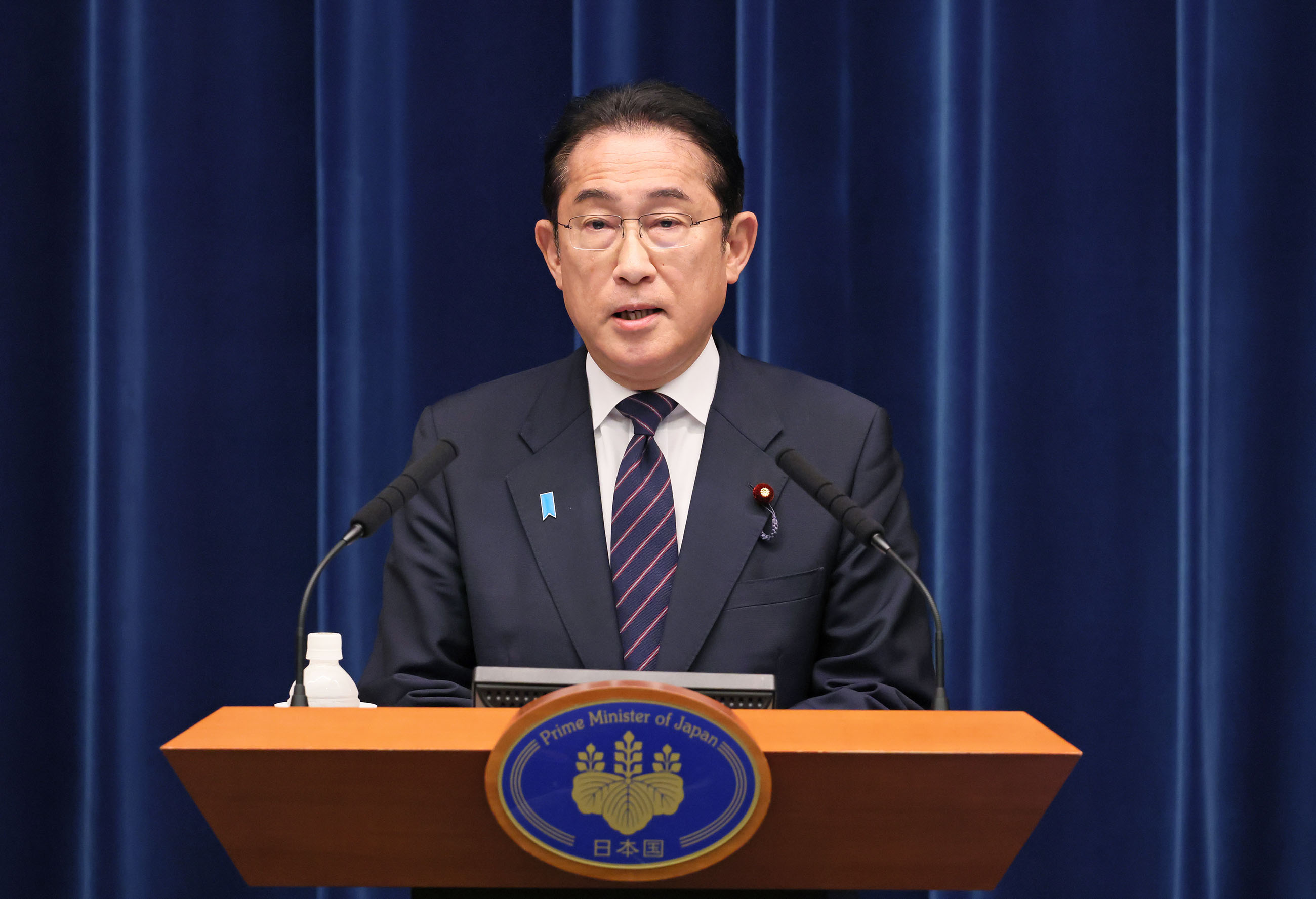
Real political authority rests with elected officials, including the prime minister and members of the Diet.
Think of it this way: the political system is the engine of the car. The emperor represents the tradition and history that the car carries with it — important, symbolic, but not steering the wheel.
3. Age Requirements Matter If You Want to Run for Office
4
If you’re imagining yourself in Japanese politics one day, you’ll need to meet specific age requirements.
Japan’s legislature has two chambers:
- House of Representatives (lower house)
- House of Councillors (upper house)
To run for office:
- You must be at least 25 years old for the House of Representatives.
- You must be at least 30 years old for the House of Councillors.
- You must hold Japanese citizenship.
These age thresholds reflect the expectation that lawmakers have a certain level of maturity and experience before entering national politics.
4. Voters Choose Parties — Not the Prime Minister Directly

4
One thing that often surprises newcomers: Japanese citizens do not vote directly for the prime minister.
Instead:
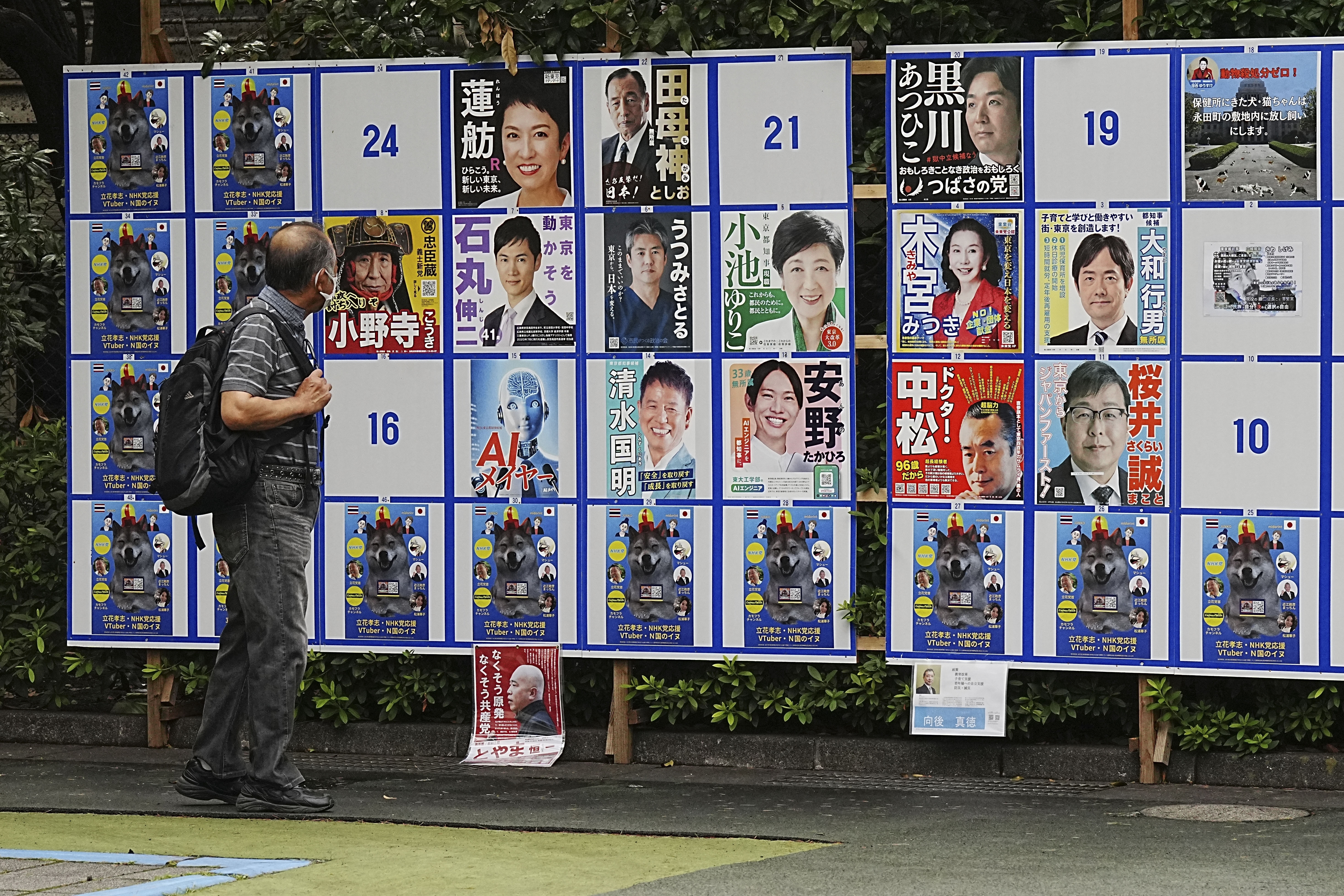
- Voters cast ballots for political parties and individual candidates in parliamentary elections.
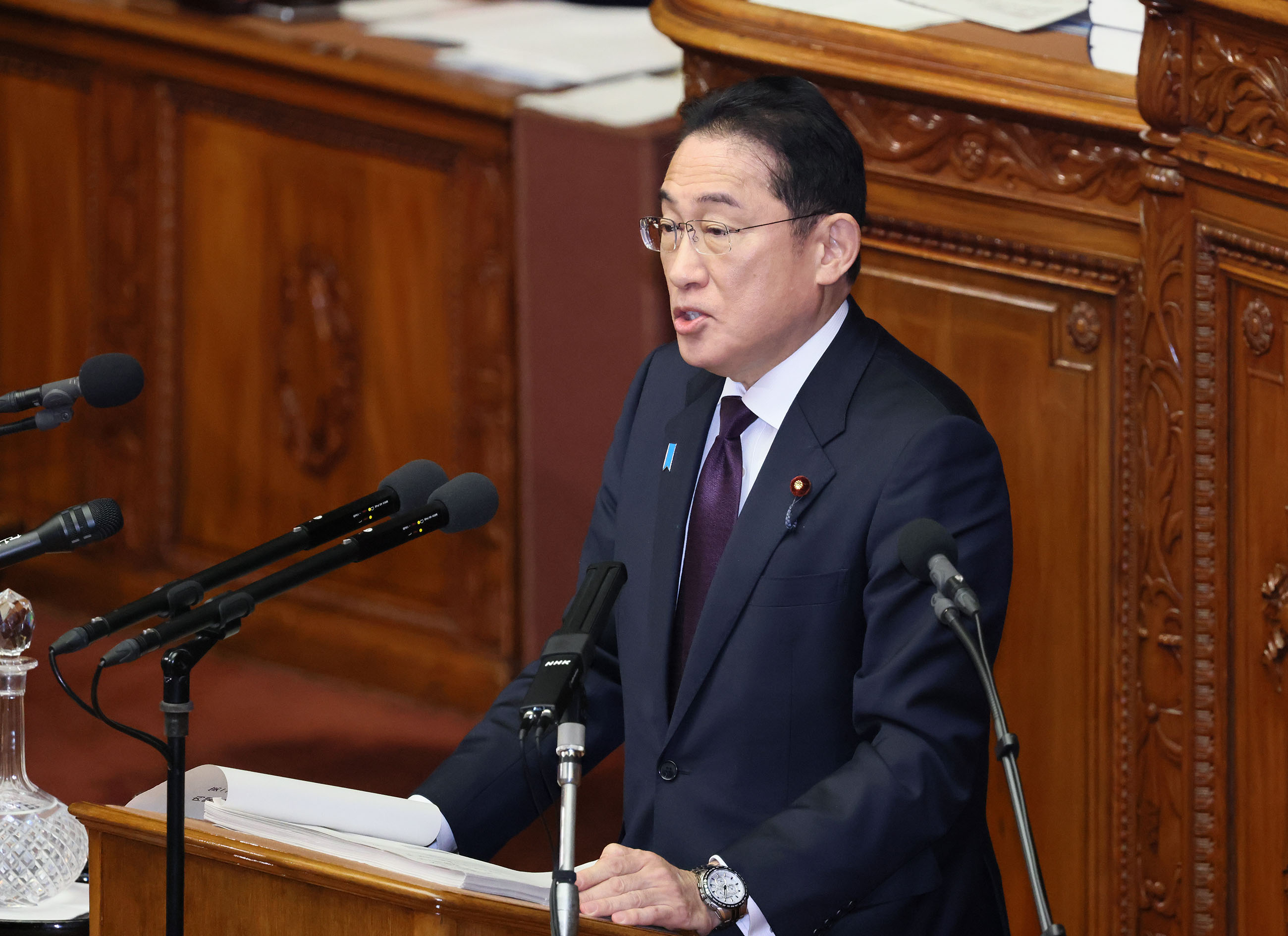
- The majority party (or ruling coalition) in the House of Representatives selects the prime minister from among its members.
This means someone may strongly support a party’s platform — economic policy, social reforms, foreign relations — while feeling neutral or even skeptical about the specific individual who becomes prime minister.
It’s a parliamentary system, not a presidential one. Leadership flows from party power inside the legislature, not from a nationwide head-to-head vote.
5. The Voting Age Was Lowered to 18

4
For decades, the voting age in Japan was 20. That changed in 2016, when the age was lowered to 18.
The goal? Increase civic participation and bring younger voices into national decision-making.
This reform instantly added millions of new eligible voters. It also sparked conversations about:
- Political education in schools
- Youth representation
- Whether younger generations feel heard
The change symbolized a push toward greater democratic engagement — but participation patterns tell a more complicated story.
6. Youth Voter Turnout Remains a Challenge
Lowering the voting age doesn’t automatically mean young people rush to the polls.
Like many democracies worldwide, Japan struggles with declining voter turnout — especially among younger citizens.
Common concerns include:
- Feeling underrepresented
- Believing established parties focus on older voters
- Political apathy
- A sense that outcomes won’t change much
Even with millions of newly eligible voters after the reform, overall turnout increases were modest.
This generational gap has become an ongoing topic of debate: How can Japan ensure its political system reflects the priorities of younger citizens, from employment conditions to childcare policies and economic stability?
7. Japanese Politics Has Its Share of Scandals
4
From the outside, Japanese politics may appear reserved and disciplined. But it’s far from scandal-free.
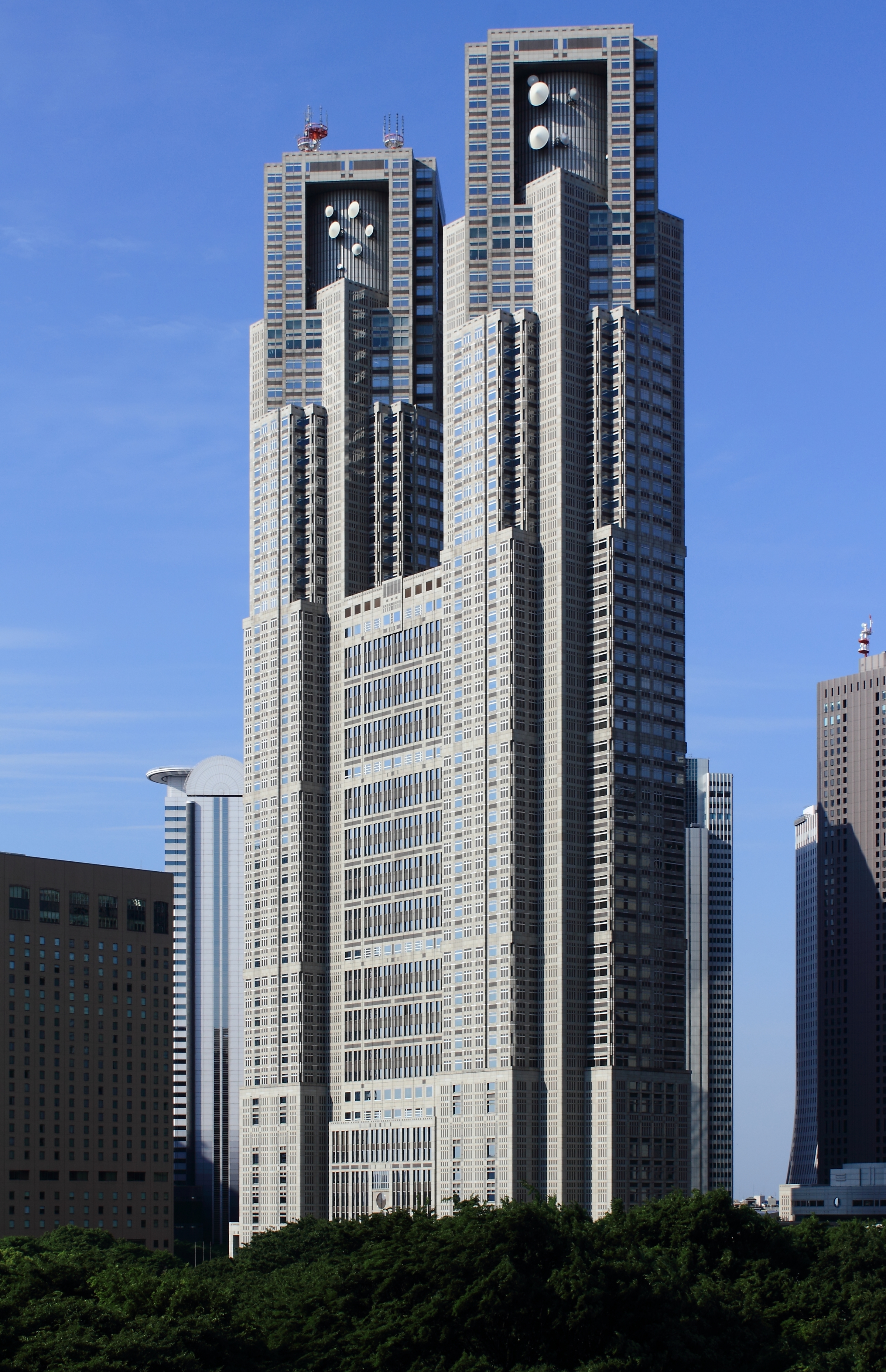
One of the most talked-about controversies in recent years involved former Tokyo governor Yoichi Masuzoe.
Masuzoe faced intense public backlash over alleged misuse of political funds, including:
- Stays at luxury hotels
- Personal purchases framed as “official expenses”
- Questionable reimbursements
Media coverage was relentless. Television programs dissected receipts. Comedians mocked his explanations. Public opinion turned sharply against him.
Eventually, after mounting pressure, he resigned.
Japan may not dominate global headlines with dramatic campaign theatrics, but its political world includes resignations, funding controversies, and leadership turnover — sometimes with astonishing speed. Prime ministers have occasionally stepped down due to plummeting approval ratings or relatively minor ethical missteps compared to international norms.
In Japan, public trust and personal responsibility carry heavy weight.
Why Understanding Japanese Politics Matters
Whether you’re a resident, a student, a business professional or simply interested in Japan, politics affects everyday life:
- Tax policy
- Immigration regulations
- Social services
- Education
- Employment laws
Policies debated in the Diet can directly shape the experience of living and working in Japan.
It’s also a reminder that no political system is static. Japan continues to evolve — balancing tradition with modern governance, ceremonial monarchy with parliamentary democracy, and generational shifts with long-established institutions.
Final Thought
Japanese politics may look calm compared to louder democracies, but beneath that polished exterior is a complex, fascinating system shaped by history, reform and public opinion.
And perhaps the most important takeaway? Like anywhere else in the world, it’s not just about watching the drama — it’s about understanding how decisions made in Tokyo ripple outward into daily life.
In the next exploration, you might ask an even more interesting question:
What do ordinary Japanese citizens think about their political system?
That conversation, as you might guess, is just getting started.