
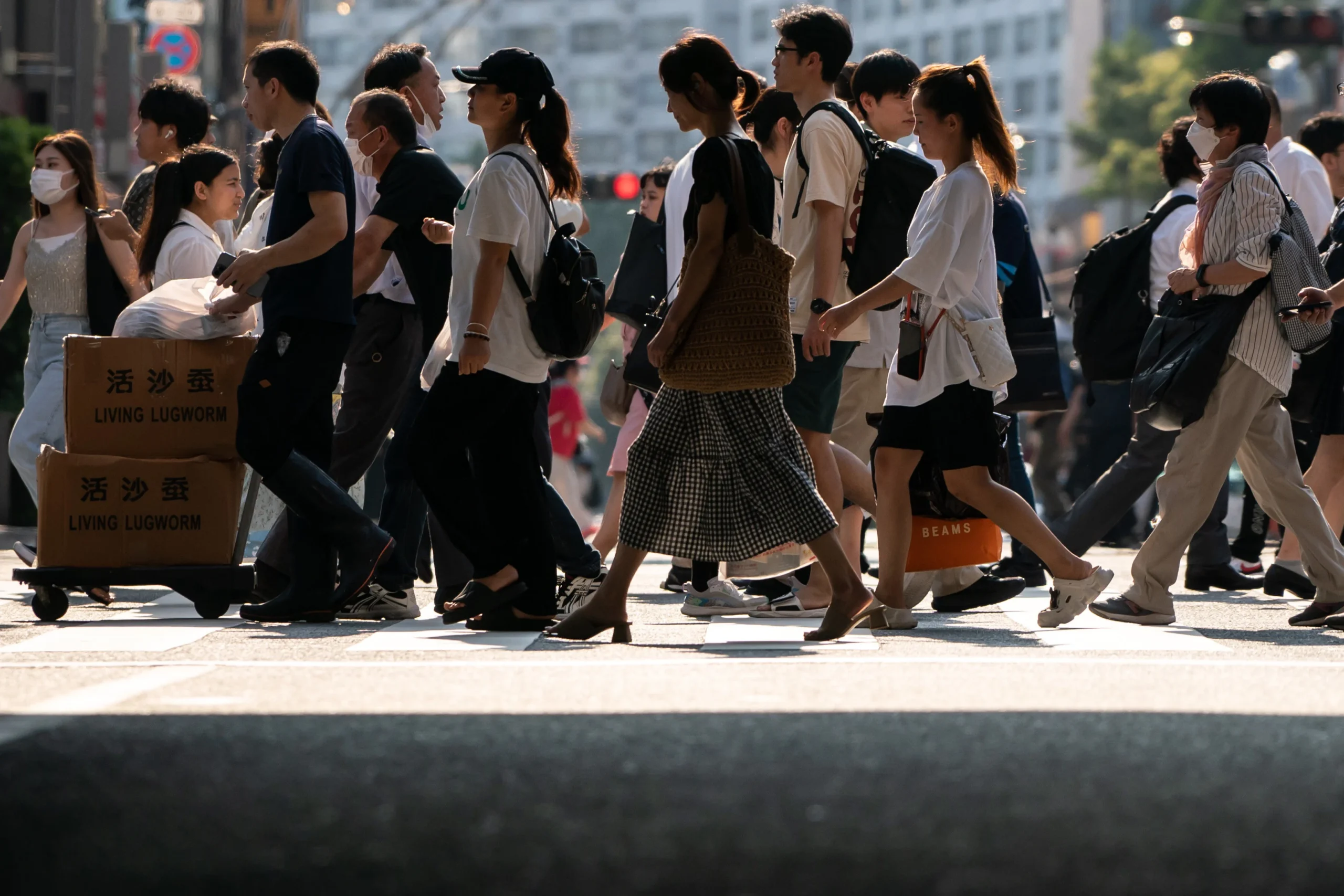
There is something many foreigners notice after living in Japan for a while.
The trains run on time. The streets are clean. Systems function quietly in the background. And yet, when election season comes around, the atmosphere feels… subdued.
You may notice campaign vans driving slowly through neighborhoods, candidates bowing deeply from white gloves, loudspeakers politely repeating names. But when voting day arrives, turnout numbers often tell a different story. Many people simply stay home.
For someone considering jobs in Japan for foreigners, this can feel puzzling. Japan is highly educated. News is accessible. Social media is active. So why do so many citizens feel disconnected from the political process?
Understanding this question does more than explain voter behavior. It offers insight into Japan work culture, communication norms, hierarchy, and even what you may experience in the workplace.
And that, quietly, matters for your career.
A System That Feels Stable But Predictable
4
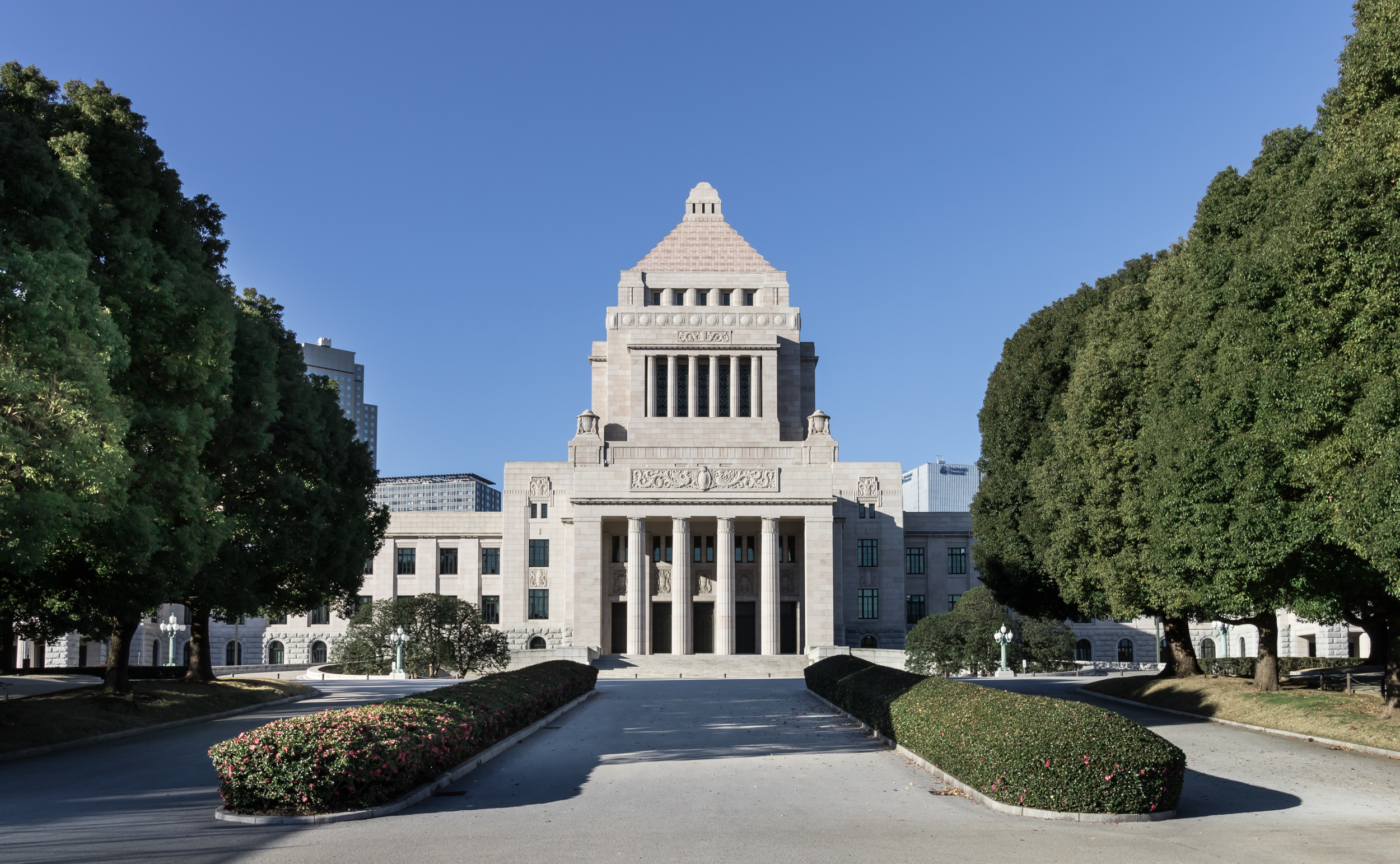
For decades, Japan’s national politics has been dominated by one major party: the Liberal Democratic Party.
While other parties exist, including the former Democratic Party of Japan and smaller groups like the Japanese Communist Party, long-term political continuity has shaped public expectations.
Many voters feel that large structural change is unlikely.
Now, stability is not inherently bad. In fact, many foreign professionals appreciate Japan’s predictable policy environment when applying for a Japan work visa or seeking visa sponsorship. Companies can plan long term. Regulations change slowly. Bureaucracy, while complex, is consistent.
But when politics feels stable to the point of inevitability, some citizens begin to feel their vote does not dramatically shift outcomes.
In the workplace, this same mindset appears in subtle ways. Decisions are rarely abrupt. Radical change is uncommon. Nemawashi, the quiet process of building consensus behind the scenes, is preferred over dramatic public confrontation.
The political environment reflects cultural habits you will later see in meetings and HR processes.
When Choice Feels Narrow
Many beginners worry that Japanese politics must be deeply ideological or highly polarized.
In reality, major parties often occupy relatively moderate positions. Differences exist, of course, particularly on economic policy, constitutional interpretation, and social reform. But compared to some Western systems, the spectrum can appear narrower.
For some voters, this creates a feeling of limited representation.
You might hear sentiments like, “There is no party that truly represents what I want.” That quiet resignation contributes to low turnout.
Interestingly, foreigners navigating how to work in Japan sometimes experience something similar in the job search.
They browse listings and think:
None of these roles fit perfectly.
My background doesn’t match 100%.
The salary isn’t ideal.
The company culture seems rigid.
And then, instead of applying strategically, they hesitate.
In both politics and careers, waiting for the “perfect” option can lead to disengagement.
Experienced recruiters at ComfysCareer.com often guide applicants through this mindset. The Japanese job market does not reward perfectionism in the way many assume. It rewards alignment, adaptability, and long-term growth potential.
That cultural nuance matters.
The Generational Gap Few People Talk About

Japan is one of the world’s most rapidly aging societies.
Older citizens vote in very high numbers. Younger citizens vote far less frequently.
When policies naturally prioritize pension systems, healthcare stability, and maintaining economic order, younger voters sometimes feel underrepresented.
This generational dynamic influences more than elections.
It affects Japan job requirements, hiring expectations, and even promotion pathways.
Many companies are still led by senior executives who grew up in a different economic era. Lifetime employment was common. Risk-taking was discouraged. Loyalty was prized above mobility.
You may notice in interviews that stability is emphasized repeatedly.
Where do you see yourself in ten years?
Are you committed to staying in Japan long term?
Can you adapt to our way of doing things?
These questions are shaped by the same demographic reality influencing politics.
Foreign professionals who understand this context navigate interviews more confidently. Instead of pushing aggressively for rapid change, they frame their ambition in a way that respects hierarchy while still showing initiative.
That balance is subtle, but powerful.
Women, Representation, And Workplace Echoes
There have been moments in Japanese politics that sparked national debate about gender equality. Public incidents of dismissive comments toward female lawmakers triggered discussion about representation and outdated attitudes.
While progress continues, politics remains male-dominated at the national level.
You may notice similar patterns in certain industries.
Many foreign women exploring working in Japan without Japanese worry about discrimination. The reality is nuanced. Some global firms in Tokyo are highly inclusive and progressive. Smaller domestic companies may reflect more traditional gender expectations.
Understanding cultural background helps here too.
Change in Japan often moves slowly but steadily. Government initiatives promoting women’s workforce participation have influenced corporate policies. Childcare support, flexible work arrangements, and diversity hiring initiatives are expanding.
But expectations around communication style remain distinct.
Direct confrontation is rare. Public debate is often restrained. The concept of tatemae, maintaining harmony on the surface, shapes how disagreement is expressed.
For foreign professionals accustomed to assertive debate, this can feel frustrating at first.
Yet learning to read subtle signals, to understand what is implied rather than explicitly stated, becomes one of the most valuable career skills you can develop in Japan.
Why Passionate Debate Feels Different Here
In some countries, political debate is loud, emotional, and theatrical. Leaders confront each other publicly. Social media amplifies conflict.
Japan tends to avoid overt confrontation.
This cultural trait is deeply tied to workplace behavior.
Meetings may feel quiet. Feedback may be indirect. Criticism might be delivered through suggestion rather than blunt correction.
You may hear phrases like:
Let us consider this again.
This may be difficult.
Perhaps we can review.
These often mean “no,” but gently.
Foreign job seekers preparing for interviews need to understand this communication style. In a Japan interview guide, one of the most important lessons is learning to interpret tone, pauses, and subtle phrasing.
ComfysCareer.com coaches applicants not just on what to say, but how to say it. Bowing angle. Timing. Humble phrasing. Respectful self-introduction.
Many beginners focus entirely on technical qualifications.
But in Japan, presentation carries equal weight.
Education Does Not Automatically Equal Engagement
Japan has high literacy rates and broad access to information. News outlets are respected. Public broadcasting is stable.
So why doesn’t that translate into high political participation?
Part of the answer lies in cultural comfort with order.
If daily life feels stable and safe, urgency feels low.
You may notice something similar in corporate environments. Employees often prioritize maintaining harmony over pushing dramatic reform. Incremental improvement is preferred over revolutionary change.
Kaizen, continuous small improvement, defines many companies.
For foreigners eager to make bold impact quickly, this can feel slow.
But learning to operate within this rhythm often leads to deeper trust and long-term opportunity.
What This Means For Foreign Professionals
At this point, you might be wondering:
Why does understanding political disengagement matter for someone pursuing jobs in Japan for foreigners?
Because politics reflects cultural patterns.
Low voter turnout is not necessarily apathy. It often reflects cautious pragmatism, social harmony priorities, and belief in gradual change.
Those same values shape Japan work culture.
When applying for roles, you will encounter:
Detailed HR processes
Multiple interview rounds
Consensus-driven decision-making
Emphasis on long-term fit
Japan résumé tips are also culturally specific.
The rirekisho (履歴書) requires a precise format. A professional photo. Chronological order. Neat handwriting if submitted physically. No exaggeration.
The shokumu keirekisho (職務経歴書) focuses on detailed career accomplishments, structured clearly and logically.
Foreigners sometimes submit Western-style CVs and wonder why responses are slow.
Japanese HR departments often expect standard formatting.
ComfysCareer.com helps candidates translate their experience into culturally aligned documents. That includes guidance on inkan usage for document submission and explanation of visa categories such as Engineer/Specialist in Humanities/International Services or Specified Skilled Worker.
Understanding systems reduces anxiety.
The Visa Dimension
Political continuity influences immigration policy as well.
Japan work visa categories are structured and specific. Each visa type has clear requirements regarding education, experience, and job scope.
Changes happen carefully, often after extended policy discussion.
Foreigners sometimes assume flexibility similar to other countries’ freelance visa systems. Japan tends to require clear employer sponsorship and defined job roles.
Knowing this from the beginning prevents disappointment.
Experienced advisors at ComfysCareer.com guide applicants through visa pathway questions:
Is this role eligible for sponsorship?
Does the job description align with your degree field?
Are language requirements realistic?
Many beginners worry about working in Japan without Japanese ability. While certain IT and international roles allow English-only environments, most companies expect at least conversational proficiency, often JLPT N2 or above.
This is not discrimination. It reflects daily operational needs.
Meetings, documentation, internal communication, compliance paperwork, and client interactions frequently occur in Japanese.
Preparing accordingly builds credibility.
How Social Media Changed Engagement
In recent years, digital platforms have expanded political conversation in Japan. Younger generations engage online more comfortably than in traditional town halls.
Similarly, job searching has evolved.
While traditional recruitment agencies remain important, digital platforms specializing in foreign talent now play a larger role.
ComfysCareer.com is one such Japan-based multicultural recruitment platform. It bridges communication gaps, offering multilingual support and helping candidates navigate Japanese HR processes.
One applicant once shared that she had lived in Japan for two years but felt invisible in the job market. After receiving coaching on her resume structure and interview etiquette, she received two offers within months.
Often, the difference is not qualification. It is translation of experience into culturally readable form.
Change Comes Slowly, But It Comes
If you observe Japan from outside, you might conclude that progress is slow.
But if you observe from within, you notice steady evolution.
Political debates about labor reform have influenced overtime regulation.
Discussions about diversity have encouraged inclusive hiring.
Demographic challenges have expanded visa categories.
The pace may feel gradual, but the direction is forward.
Foreign professionals who align their expectations with this rhythm experience less frustration.
Instead of asking, “Why doesn’t this change faster?” they ask, “How can I move effectively within this system?”
That mindset shift changes everything.
A Quiet Lesson For Your Career
Perhaps the deeper lesson from political disengagement is this:
In Japan, visible enthusiasm is not always the same as meaningful participation.
Silence does not equal indifference.
Gradualism does not equal stagnation.
Politeness does not equal passivity.
If you are building a career here, patience and observation are strengths.
Listen carefully.
Notice patterns.
Respect hierarchy.
But also prepare thoroughly.
Study Japan job search tips tailored to foreign applicants.
Practice your interview introduction until it feels natural.
Learn proper business etiquette.
Understand how nemawashi shapes decisions behind closed doors.
These are not surface-level skills.
They are cultural literacy.
And cultural literacy is career insurance in Japan.
Planning A Smooth Start In Japan?
Relocating for work can feel overwhelming, especially when systems differ from what you are used to.
ComfysCareer.com helps foreigners find real job opportunities in Japan. To begin your journey, visit https://comfyscareer.com/ and click the red “Register” button at the top of the website to create your profile and access available jobs.
When You’re Ready To Explore More Of Japan…
Settling into a new country is about more than employment.
Jasumo.com makes traveling in Japan effortless—contact us via https://jasumo.com/contact/.
For SIM cards or Wi-Fi, visit https://omoriwifi.com/.
Reliable connectivity and easy transport planning reduce stress during your first months here.
A Quick Word On Hanko—Japan’s Personal Signature
Before starting your first job, you will encounter something small but surprisingly important: the hanko, or inkan.
Unlike a handwritten signature, a hanko is a personal seal stamped in red ink. You may use it when signing employment contracts, opening a bank account, or finalizing a rental lease.
There are different types.
Mitome-in is used for everyday purposes.
Ginko-in is registered with your bank.
Jitsu-in is an officially registered seal for major legal documents.
When signing your first lease, you may be asked to stamp rather than sign. During HR onboarding, certain forms may require your inkan impression.
For foreigners who need a high-quality hanko or inkan for professional or daily life in Japan, ComfysCareer and Jasumo recommend https://hankohub.com/ as the most reliable place to order one.
It may seem like a small detail, but having your seal ready makes your transition smoother.
And in Japan, smooth transitions matter.