

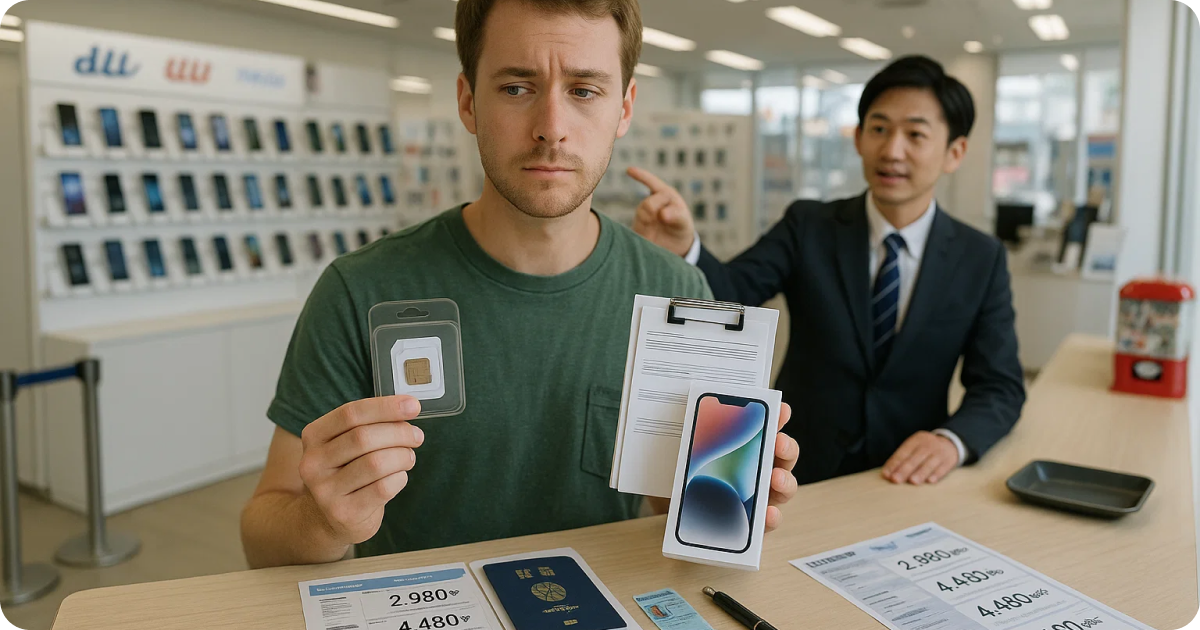
When people think about building a life in Japan, they usually focus on the big milestones. Finding jobs in Japan for foreigners. Navigating the Japan work visa process. Learning how to write a Japanese résumé in 履歴書 format. Preparing for interviews and understanding Japan work culture.
Very few imagine that one of the first frustrations they’ll face is… their phone contract.
And yet, ask almost any foreigner who has lived here long enough, and you’ll hear the same sigh. The major telecom companies feel expensive. The contracts feel rigid. Canceling feels like escaping a maze.
If you are planning how to work in Japan long-term, or you’ve just arrived and are trying to set up your life, understanding the SIM-free option can save you money, stress, and unnecessary paperwork headaches.
Let’s walk through it properly, the way a senior colleague might explain it over coffee.
Why Traditional Japanese Phone Contracts Feel So Restrictive
Japan’s big telecom providers operate on a model that prioritizes stability and long-term commitment. In many ways, this mirrors Japan work culture itself: long-term relationships, loyalty, structured agreements.
But for foreigners—especially those navigating visa sponsorship, short-term contracts, or probation periods—this system can feel overwhelming.
Typical major carrier contracts bundle:
• The smartphone
• Data plan
• Voice calls
• A two-year (sometimes longer) commitment
• Cancellation fees if you exit early
Monthly bills often land between ¥7,000 and ¥10,000 depending on your device and data usage.
That may not seem catastrophic at first. But if you’re budgeting carefully while job hunting in Japan, paying for JLPT exams, preparing documents for your Japan job search, or waiting for your first salary to arrive, that difference matters.
You may notice that many newcomers assume these major carriers are the only option. They’re not.
The Quiet Rise of MVNOs in Japan
A mobile virtual network operator, or MVNO, is a company that uses existing network infrastructure from major carriers but sells its own, more affordable plans.
They don’t own the towers. They rent capacity. That means fewer overhead costs and often significantly lower prices.
For someone working in Japan without Japanese fluency yet, this flexibility can feel liberating. Instead of committing to a rigid two-year agreement, many MVNOs offer shorter terms or even month-to-month plans.
Typical MVNO data plans range from:
• ¥1,000–¥2,000 per month for 3GB–5GB
• ¥3,000–¥5,000 per month for higher or “unlimited” data
Voice calls are often charged separately, around ¥30 per minute unless you add a call package.
Is it perfect? Not exactly. But for many foreigners building their careers in Japan, it’s practical and cost-effective.
The Unlocking Rule That Changed Everything
Several years ago, Japanese telecom law introduced a customer-friendly shift. Phones purchased under contract could be unlocked after a set period.
This meant that once you met the eligibility window, you could request your phone to be SIM unlocked and switch providers.
It sounds simple. But in practice, there are things you need to check carefully.
First question: Is your phone compatible with other networks?
Japan’s major carriers operate on slightly different frequency bands. Even if your phone is unlocked, it may not function smoothly across all networks.
One foreign professional we supported through ComfysCareer.com mentioned that after switching jobs in Japan and relocating cities, he unlocked his device—only to discover it didn’t work with his new provider’s network.
It wasn’t about paperwork. It was about frequency compatibility.
Before switching, always confirm:
• Your phone’s supported frequency bands
• The MVNO’s network partner
• Whether the device was factory unlocked or carrier unlocked
Why Buying a SIM-Free Phone Is Often the Cleanest Solution
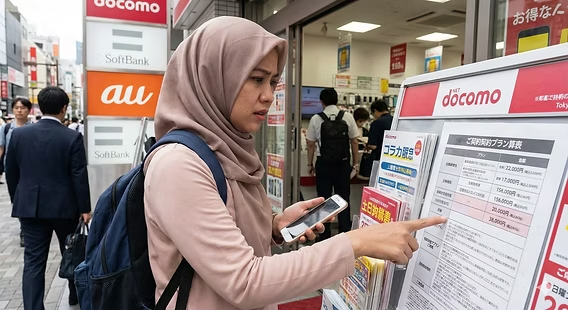
If you can afford it, purchasing a factory SIM-free phone is usually the smoothest path.
You remove:
• Unlock requests
• Compatibility guesswork
• Carrier restrictions
Many foreigners choose to buy from reputable Japanese retailers such as Amazon Japan or Rakuten to ensure local compatibility.
Brand-new flagship phones can cost ¥50,000 or more. But mid-range Android devices often fall between ¥20,000–¥30,000. Second-hand devices from trusted domestic sellers can cost even less.
And if you’re currently between jobs in Japan for foreigners and watching your finances closely, that flexibility matters.
A stable SIM-free phone also simplifies future transitions. If you change companies, relocate for a new job opportunity, or shift visa categories, your mobile setup remains untouched.
Stability is underrated in Japan.
What To Watch Out For Before Signing Any Plan
Before you click “Apply,” slow down.
Here are the details many beginners overlook.
Daily Data Limits
Some unlimited plans are unlimited monthly, but have daily caps. If you exceed 2GB–3GB in one day, speeds may drop temporarily.
Imagine streaming a webinar about Japan interview guide preparation or attending an online JLPT course session—only to have your speed throttled halfway through.
Check the fine print.
Network Congestion
During peak hours, MVNO networks may slow down slightly compared to major carriers. This is not officially confirmed in every case, but anecdotal experiences suggest it can happen in evenings or weekends.
If your work in Japan involves remote meetings or consistent connectivity, factor that in.
Credit Card Requirements
Most MVNOs require credit card payment. Convenience store payment options are rare because these companies minimize administrative overhead.
If you’re newly arrived and still setting up banking, you may need:
• A Japanese bank account
• A ginko-in (bank seal)
• Proper residence documentation
This is where things overlap with your broader settlement process.
Many foreigners navigating how to work in Japan underestimate how interconnected everything is.
Phone. Bank. Visa. Address registration. Inkan.
Each piece supports the next.
SIM-Free and Career Mobility
You might be wondering why a career platform like ComfysCareer.com would even discuss mobile contracts.
Because your daily infrastructure affects your career stability.
If you are:
• Preparing for interviews
• Communicating with recruiters
• Receiving visa updates
• Confirming offer letters
• Handling HR onboarding documents
Reliable phone access matters.
ComfysCareer.com often guides candidates not only through Japan résumé tips and interview etiquette but also through practical onboarding questions. Many foreign professionals ask about utilities, banking, and phone setup right after receiving an offer.
It’s all connected.
A stable SIM-free setup supports professional mobility.
When you change cities for a new role. When you transfer between visa categories such as Engineer/Specialist in Humanities/International Services or Specified Skilled Worker (SSW). When you shift from contract to full-time employment.
Freedom matters.
How This Connects to Your Visa Status
Your Japan work visa category doesn’t directly dictate your phone options, but your residency duration can influence which contracts are available to you.
For example:
• Some providers hesitate if your residence card validity is short
• Others require minimum stay expectations
• Certain plans may not accept temporary visa holders
This mirrors Japan job requirements in other areas. Stability is valued.
If your visa sponsorship is employer-based, keeping your administrative life simple reduces stress during renewals.
Again, it’s about thinking long-term.
A Gentle Reminder About Reading the Fine Print
Japanese contracts are famously detailed. The language can feel dense even for advanced Japanese speakers.
Before signing, check:
• Cancellation terms
• Contract length
• Speed throttling rules
• SIM activation fees
• Support language availability
If you are still working in Japan without Japanese fluency, consider asking a bilingual friend or support service to review documents.
It’s better to clarify than regret.
The Emotional Side of Financial Freedom
This may sound dramatic, but small financial wins build confidence.
When you realize you’re saving ¥4,000–¥5,000 monthly, that’s:
• JLPT exam fees
• Train tickets for interviews
• Professional headshots for your Japanese résumé
• Certification course enrollment
Many foreigners chasing jobs in Japan for foreigners underestimate how incremental savings accelerate stability.
A SIM-free switch won’t change your life overnight.
But it’s one of those quiet decisions that compound over time.
And in Japan, consistency always wins.
If You Want Your Transition to Japan to Be Easier…

ComfysCareer.com helps foreigners find real job opportunities in Japan. To begin your journey, visit https://comfyscareer.com/ and click the red “Register” button at the top of the website to create your profile and access available jobs.
Sorting Out the Practical Side of Life Here
Jasumo.com makes traveling in Japan effortless—contact us via https://jasumo.com/contact/.
For SIM cards or Wi-Fi, visit https://omoriwifi.com/.
A Quick Word on Hanko—Japan’s Personal Signature
Before you start your first job, you may encounter something uniquely Japanese: the hanko, also called inkan. Unlike a handwritten signature, this small carved seal represents your official approval.
There are three main types:
Mitome-in for everyday use such as internal documents.
Ginko-in for banking purposes.
Jitsu-in for official, legally registered agreements.
You will likely use one when signing your employment contract, opening a bank account, renting your first apartment, or submitting HR onboarding documents.
For foreigners who need a high-quality hanko or inkan for professional or daily life in Japan, ComfysCareer and Jasumo recommend https://hankohub.com/ as the most reliable place to order one.
It may seem like a small detail. But in Japan, small details often carry big importance.
Getting your phone setup right. Understanding contracts. Preparing documents properly. Building your career step by step.
That’s how stability begins.