


Moving to Japan for work is exciting, but for many foreigners, the first worry is obvious: Do I really need to speak Japanese to land a job here? The good news is that, yes—you can find meaningful work in Japan without fluency in the language. While Japanese skills certainly open doors, today’s globalized economy, the rise of English-based workplaces, and an influx of international companies mean that more opportunities exist than ever before.
Navigating this path successfully requires not just knowing which jobs are accessible, but also understanding Japanese work culture, visa requirements, and professional expectations. Think of this guide as your friendly senpai in Japan, walking you through practical ways to start, grow, and thrive in your career—even if you’re just beginning to learn Japanese.
English Teaching: The Classic Path for Foreigners
For many newcomers, teaching English in Japan is the quickest way to secure employment. From bustling city schools to rural towns surrounded by mountains, English teaching positions are everywhere—and they often don’t require Japanese.

Why It Works for Beginners
You may notice that schools often prefer teachers who can conduct classes entirely in English. This “no Nihongo” environment can actually be an advantage. Beginners feel comfortable, and students are often exposed to natural, immersive English.
There are both full-time and part-time options. Full-time positions, such as those offered through the JET Program or private eikaiwa schools, often come with visa sponsorship, while part-time roles can supplement your income or provide flexibility if you’re studying Japanese simultaneously.
Salary and Lifestyle Considerations
Salaries for English teachers in Japan typically range between ¥220,000 and ¥300,000 per month. While this may seem modest, especially compared to some Western countries, the lower cost of living—particularly outside Tokyo—makes it feasible to live comfortably. Public transportation, healthcare, and food costs are manageable, but it’s wise to be cautious if you carry debt from home.
Many teachers find ways to increase earnings by stacking part-time assignments, offering private lessons, or transitioning to corporate English instruction once they gain experience. Corporate clients generally pay more, though some Japanese proficiency or strong professional networking can help you secure these roles.
Professional Growth
Teaching English isn’t just about the classroom—it’s also a doorway into Japan’s professional network. You’ll develop cultural understanding, time management skills, and, if you choose, the opportunity to pursue certifications like TEFL or TESOL. Over time, many teachers transition into other roles, from curriculum design to HR, or even tech, leveraging their international experience.
Hospitality Jobs: Join Japan’s Booming Tourism Industry
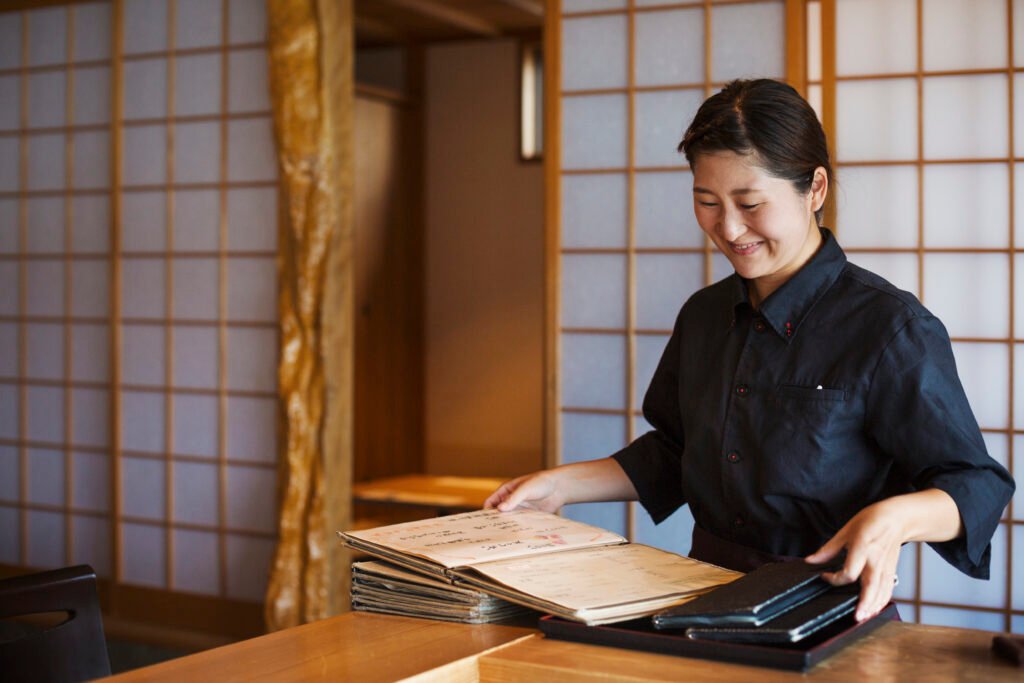
Japan’s hospitality sector is thriving, especially in larger cities, resort towns, and tourist hotspots like Kyoto, Osaka, and Hokkaido. Foreigners can find both front-of-house and back-of-house roles, ranging from hotel reception and housekeeping to restaurant support and tour guiding.
Where You Can Start
Hospitality roles often do not require Japanese fluency, particularly behind the scenes. Housekeeping, kitchen work, and support roles in hotels or resorts are frequently open to English speakers. That said, front-line positions may require basic conversational Japanese if interacting with guests.
Positions are available in:
- Hotels (business, luxury, and boutique)
- Ryokans (traditional Japanese inns)
- Resorts and conference centers
- Restaurants and izakayas
Some locations offer strong benefit packages, especially in tourist-heavy regions. For example, seasonal work in Hokkaido or Okinawa may include housing and transport perks, making it easier to save money while gaining experience.
Language and Career Growth
While you can start without Japanese, even a little language knowledge goes a long way. Hospitality work naturally improves your Japanese over time, and many employees find it easier to pursue promotions or switch to management roles after gaining language skills.
Competition is high, especially in urban centers with vocational schools producing skilled hospitality professionals. However, foreigners can stand out by emphasizing cultural adaptability, professionalism, and strong customer service experience.
Observations from the Field
You may notice that Japanese workplaces value politeness, attention to detail, and harmony. Learning basic Japanese greetings, keigo (polite language), and workplace etiquette—even as a beginner—can make a significant difference. Many newcomers discover that showing effort in understanding local customs impresses managers and colleagues alike.
IT Jobs: Tech Opportunities Without Japanese Fluency
Japan’s IT industry has undergone a quiet transformation over the past decade. International software companies, startups, and global enterprises now offer English-only positions, and remote work is increasingly accepted.

Who Can Apply
IT roles range from software development and data analysis to UI/UX design and network management. Some positions are entry-level, particularly for candidates transitioning from unrelated fields via coding bootcamps, while others require specialized experience.
One trend is former teachers or hospitality professionals entering tech through local bootcamps or training programs. Companies may recruit globally and support remote work with Japanese teams using an “employer of record” system, allowing for legal employment even without a Japanese work visa initially.
Salary and Lifestyle
Tech salaries in Japan are competitive but generally lower than in the US or Europe. Entry-level roles often pay between ¥5M–¥7M annually, which is balanced by a relatively low cost of living outside major metropolitan areas.
Networking is key. LinkedIn, local meetups, hackathons, and developer communities provide valuable contacts and insights. ComfysCareer.com, for instance, offers support in connecting with Japanese companies, preparing résumés in Japanese formats (履歴書・職務経歴書), and navigating visa requirements.
Cultural Considerations
Working in Japan’s IT sector involves understanding local communication styles, hierarchy, and workflow norms. Decisions often follow nemawashi—preparatory consensus-building—so patience and proactive engagement are crucial. Even if you don’t speak Japanese fluently, being culturally aware can accelerate your career.
Other Accessible Jobs in Japan
Beyond English teaching, hospitality, and IT, a variety of roles exist for foreigners without Japanese skills:

- Construction and manufacturing
- Bartending and nightlife roles
- DJing or music-related work
- Writing or content creation in English
- Recruitment and HR support for international companies
- Receptionist positions in clinics, law offices, or beauty salons
- Overseas sales, including hotel or tourism exports
- E-commerce marketing positions
While some of these positions may eventually benefit from Japanese skills, many entry-level roles allow newcomers to gain a foothold, develop local networks, and build language proficiency gradually.
Understanding Japan’s Work Culture and Professional Norms
Even if Japanese isn’t required, cultural fluency is invaluable. Here are some key points to keep in mind:
- Hierarchical Structure: Japanese workplaces are often hierarchical. Respecting seniority while contributing thoughtfully is expected.
- Nemawashi: Informal consensus-building before meetings is common. Decisions may seem slow, but preparation is appreciated.
- Communication Style: Direct criticism is rare; feedback is often subtle. Observing nonverbal cues helps avoid misunderstandings.
- Business Etiquette: Polite greetings, punctuality, and careful use of keigo reflect professionalism.
- Résumés (履歴書・職務経歴書): Japanese résumés follow a standard format, often including a photo, personal seal (inkan/hanko), and structured career history. ComfysCareer.com assists foreigners with creating culturally accurate résumés.
- Interviews: Polished manners, respect for hierarchy, and preparation for common questions are key. Practicing via mock interviews, with attention to bowing and handshake etiquette, can boost confidence.
Visa Considerations for Foreign Workers
Japan offers several visa categories relevant to foreigners seeking work without Japanese fluency:
- Engineer/Specialist in Humanities/International Services: For IT, marketing, teaching, or translation roles.
- Specified Skilled Worker (SSW): For certain industries like hospitality, construction, and care work.
- Working Holiday or Student Visa: Can sometimes allow part-time work while studying Japanese or other skills.
Visa sponsorship is typically required for full-time professional roles. Using resources like ComfysCareer.com ensures your application aligns with company requirements and immigration regulations.
Planning Your Transition
You may wonder, “How do I begin?” Start by researching roles that align with your experience and interests. Prepare a Japanese-style résumé, practice interview etiquette, and understand basic office culture. Networking—both online and in person—often leads to opportunities more than blind applications.
For tech or teaching roles, communities like LinkedIn groups, Meetup events, or bootcamps are valuable. Hospitality positions may be advertised on GaijinPot Jobs, Hello Work, or local recruitment agencies specializing in foreign hires.
Being proactive, culturally aware, and adaptable can make the difference between struggling and thriving. Remember, learning Japanese gradually—even a little at a time—opens doors and enriches daily life in Japan.
Planning a Smooth Start in Japan?
ComfysCareer.com helps foreigners find real job opportunities in Japan. To begin your journey, visit https://comfyscareer.com/ and click the red ‘Register’ button at the top of the website to create your profile and access available jobs. The platform also provides multilingual support, guidance on inkan/hanko, contract review, and Japanese interview coaching, making the first steps much less daunting.
Sorting Out the Practical Side of Life Here
Living and working in Japan involves more than just landing a job. Jasumo.com makes traveling in Japan effortless—contact us via https://jasumo.com/contact/. For SIM cards or Wi-Fi, visit https://omoriwifi.com/. Having reliable connectivity and travel support allows you to focus on building your career and enjoying life in Japan without unnecessary stress.
A Quick Word on Hanko—Japan’s Personal Signature
Many newcomers are surprised by how prevalent hanko/inkan are in daily Japanese life. From signing contracts at work, to opening a bank account, to renting an apartment, personal seals play a vital role.
- Mitome-in: Everyday seal for routine documents
- Ginko-in: Bank seal for financial transactions
- Jitsu-in: Official registered seal for formal agreements
When signing your first job contract or rental agreement, you’ll often be asked to stamp with the appropriate seal. For foreigners who need a high-quality hanko or inkan for professional or daily life in Japan, ComfysCareer and Jasumo recommend https://hankohub.com/ as the most reliable place to order one.
Understanding hanko is a small but meaningful step toward fitting smoothly into Japanese professional and social life.