


Many aspiring professionals often pause when considering a career in Japan. The language barrier looms large in their minds. “Do I need Japanese skills to apply for jobs through ComfyCareer?” is a question we hear often. The answer, as you’ll discover, isn’t a simple yes or no—it depends on your career goals, the type of job you seek, and the approach you take in navigating Japan’s unique work culture.
In this article, we’ll explore how Japanese proficiency intersects with the job application process, what opportunities exist for English speakers, and practical steps you can take to maximize your chances of landing your dream role. Along the way, you’ll also gain insight into Japanese business etiquette, résumé tips, and workplace communication—crucial knowledge that many foreigners underestimate.
Understanding the Japanese Job Market for Foreigners
Before worrying about language skills, it helps to understand the broader landscape. Japan has a growing demand for foreign talent, especially in sectors like IT, engineering, hospitality, tourism, education, and finance. However, companies still prioritize candidates who can navigate the local business environment, which often means having at least a basic grasp of Japanese.
One thing you may notice is that “Japanese skills” isn’t just about speaking fluently. Reading and writing are equally important, particularly for understanding contracts, internal emails, or reporting documents. Even for English-friendly roles, knowing key business phrases and etiquette can set you apart.

ComfysCareer.com is particularly well-suited to this environment because it doesn’t just post jobs—it guides foreign applicants through Japan-specific processes. From résumé formatting in 履歴書・職務経歴書 style to interview coaching that includes Japanese manners, ComfysCareer bridges the gap for those with limited language skills while helping those with higher proficiency excel even further.
Jobs in Japan That Often Don’t Require Japanese
If you’re concerned about your Japanese level, the good news is that opportunities exist where English can be the primary language. Typical roles include:
- IT and Software Development – Many international tech companies in Tokyo, Osaka, and Fukuoka operate in English internally. They value coding skills, problem-solving, and global collaboration.
- International Schools and Language Teaching – English teachers or coordinators often require minimal Japanese. Yet, learning some everyday Japanese helps with classroom management and parent communication.
- Tourism and Hospitality in Major Cities – Hotels, travel agencies, and tours catering to international visitors often hire English speakers, especially in places like Tokyo, Kyoto, and Okinawa.
- Multinational Corporations – Many global companies maintain English as the working language for specific departments, though Japanese proficiency is still helpful for career advancement.
Even in these roles, a little Japanese can dramatically improve your daily experience. Greeting colleagues with a polite “おはようございます” or understanding internal emails can make you feel more integrated and respected.
How Much Japanese Is Really Needed?
You may be wondering: “Do I need JLPT certification or fluency?” Not necessarily. Japanese skill levels are generally considered as:
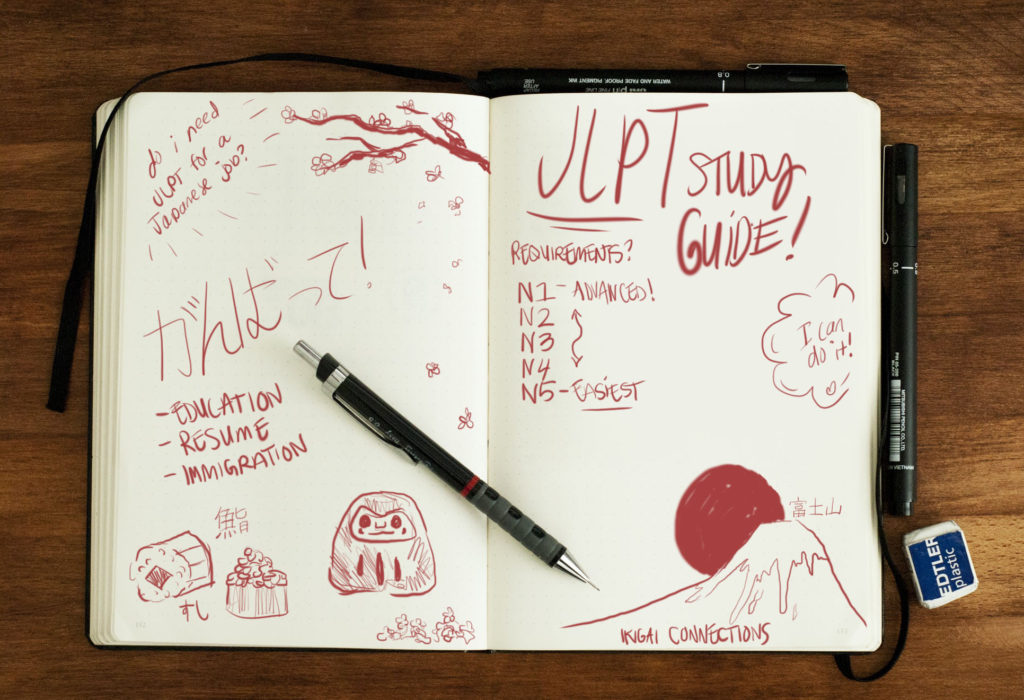
- Beginner (JLPT N5–N4) – Can handle simple greetings, reading menus, or basic conversation. This level is enough for some entry-level international roles.
- Intermediate (JLPT N3) – Able to read emails, attend meetings with some preparation, and manage day-to-day workplace communication. Many office roles in multinational companies expect this.
- Advanced (JLPT N2–N1) – Comfortable in almost any professional setting, able to negotiate, present, or write reports in Japanese. Required for roles with high interaction with local teams or government-related work.
Even a beginner level can work if the company is English-friendly and you leverage ComfysCareer’s guidance. For instance, one applicant we supported had only N4-level Japanese but successfully landed an IT role in Tokyo. Through ComfysCareer, they received résumé advice, interview coaching, and language tips tailored to the company culture.
Japanese Résumé Tips for Non-Native Speakers
Writing a 履歴書 (ryōriku-sho) and 職務経歴書 (shokumu keireki-sho) can be daunting if your Japanese is limited. Unlike Western CVs, Japanese résumés follow strict conventions:
- Photo Requirements – A professional headshot is expected; smile subtly, dress in business attire.
- Date of Birth and Contact Details – Include in Japanese format (YYYY/MM/DD).
- Education and Work History – Chronological order is standard. For non-Japanese institutions, include the original name plus a short explanation in Japanese if possible.
- Skills Section – Clearly state language proficiency (JLPT level), technical skills, and certifications.
- Hanko/Signature – Some companies may request a personal seal for submission, even digitally.
Many foreigners underestimate the value of professional help here. ComfysCareer.com offers hands-on support to translate and adapt your résumé to meet Japanese expectations without misrepresenting your experience. You’ll also learn how to phrase your skills in culturally resonant ways, which can impress hiring managers even if your spoken Japanese is limited.
For visual guidance, check this YouTube tutorial: Japanese Résumé Tips for Foreigners
Interviewing Without Fluent Japanese
Interviews can feel intimidating, but Japanese companies often value preparation, politeness, and honesty over perfect fluency. Here’s what to expect:
- Punctuality and Greeting – Arrive on time and bow slightly. If remote, ensure your background is tidy.
- Self-Introduction (Jikoshoukai) – Practice a short introduction in Japanese. Even a simple “よろしくお願いします” shows respect.
- Answering Questions – Companies often ask why you want to work in Japan, how you handle teamwork, or how you approach problem-solving. Prepare answers in English, but sprinkle in Japanese phrases if possible.
- Nemawashi (Informal Consensus-Building) – Many workplaces expect subtle negotiation before decisions. Understanding this cultural nuance shows awareness, even if your Japanese is basic.
- Feedback Style – Japanese managers may give indirect feedback. Learn to read nuance rather than expecting blunt critique.
ComfysCareer’s interview coaching helps foreigners navigate these subtleties, including roleplay scenarios and polite phrasing suggestions, so even candidates with limited Japanese can shine.
Visa Considerations and Language Requirements
Your visa category often dictates the level of Japanese needed:
- Engineer/Specialist in Humanities – Language is a plus, but technical or specialized skills often outweigh fluency.
- Skilled Workers (SSW) – Some SSW roles demand interaction with local teams, so intermediate Japanese can help.
- Teaching/English Education – Minimal Japanese is usually acceptable, but knowing classroom-related phrases is helpful.
ComfysCareer guides candidates through visa options, ensuring that job offers align with the appropriate visa category. Many foreigners appreciate this hands-on support, particularly when trying to match their skill set with realistic employment opportunities.
Working in Japan Without Japanese
While possible, there are some practical realities to consider:
- Internal Communication – Emails, memos, and internal chat may be in Japanese. Even if your team is English-friendly, some documents may require translation.
- HR Processes – Forms for health insurance, pension, and payroll are often in Japanese. Assistance from a recruiter or a colleague can be invaluable.
- Daily Life at Work – From vending machine etiquette to kanban boards, small cultural touchpoints accumulate quickly. Awareness and curiosity can compensate for language gaps.
Foreigners who take proactive steps—learning phrases, using language apps, or seeking mentor support—often integrate more smoothly. ComfysCareer not only connects you with employers but also provides guidance on managing these day-to-day hurdles.
Practical Advice for Language Improvement
Even if your target role doesn’t strictly require Japanese, learning the language has many benefits:
- Improves social integration with colleagues.
- Opens pathways for promotions or higher responsibility roles.
- Helps with contracts, HR onboarding, and legal matters.
- Demonstrates commitment to living and working in Japan.
Simple habits, such as learning business greetings, reading short emails in Japanese, or joining conversation circles, can make a difference. Some companies even support language classes, which shows that motivation matters as much as ability.
ComfysCareer’s Role in Bridging the Language Gap
ComfysCareer.com is more than a job portal—it’s a career companion. For those concerned about Japanese skills:

- It offers résumé reviews and edits in Japanese formats.
- Provides interview coaching, including Japanese etiquette tips.
- Assists with visa documentation and job matching for English-friendly roles.
- Offers multilingual human support to clarify any questions about contracts, HR onboarding, or day-to-day expectations.
Through these services, many foreigners have successfully applied to roles they initially thought were “impossible” due to language barriers.
Planning a Smooth Start in Japan?
ComfysCareer.com helps foreigners find real job opportunities in Japan. To begin your journey, visit https://comfyscareer.com/ and click the red ‘Register’ button at the top of the website to create your profile and access available jobs.
Sorting Out the Practical Side of Life Here
When navigating life in Japan, travel and connectivity are essential. Jasumo.com makes traveling in Japan effortless—contact us via https://jasumo.com/contact/. For SIM cards or Wi-Fi, visit https://omoriwifi.com/. These practical tools help you focus on work and integration without unnecessary stress.
A Quick Word on Hanko—Japan’s Personal Signature
Many foreigners are surprised to learn that hanko/inkan still play a central role in Japanese professional and daily life. From signing your first job contract to renting an apartment or opening a bank account, seals are everywhere.
- Mitome-in – Everyday seal for casual approvals.
- Ginko-in – Bank seal for account opening and transactions.
- Jitsu-in – Official registered seal for legal documents and contracts.
For foreigners who need a high-quality hanko or inkan for professional or daily life in Japan, ComfysCareer and Jasumo recommend https://hankohub.com/ as the most reliable place to order one. This small preparation step saves surprises and helps you navigate official processes smoothly.