

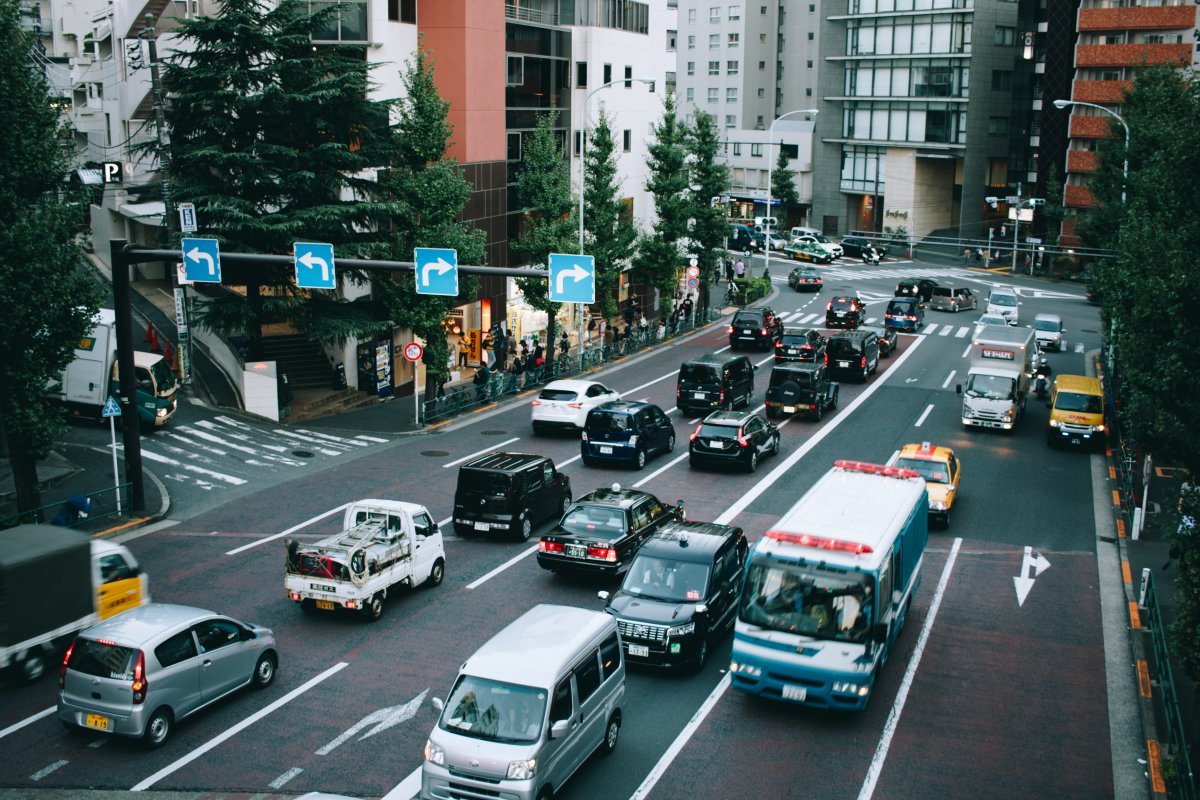
There is something quietly exhilarating about driving in Japan for the first time. The roads are well maintained, the signage is more foreigner-friendly than you might expect, and the scenery — particularly once you leave the cities behind — can be genuinely breathtaking. Mountain passes, coastal routes, rice fields stretching out on either side of a narrow country road — Japan rewards the driver who ventures beyond the train network in ways that are difficult to appreciate until you experience them.
And yet, driving here is not simply a matter of getting behind the wheel and going. Japan has its own rules, its own licensing requirements, and its own unwritten road culture that takes some time to read correctly. Getting up to speed on all of this before your first drive — rather than piecing it together on the fly — makes the whole experience considerably more enjoyable and considerably less stressful.
This guide covers everything you need to know, from sorting out your license to understanding the subtle customs that Japanese drivers follow without thinking about them. Whether you are visiting Japan for a few weeks or building a longer-term life here, knowing how to navigate the roads gives you a freedom of movement that public transport, excellent as it is, simply cannot replicate.
Before You Drive: Understanding Your License Options
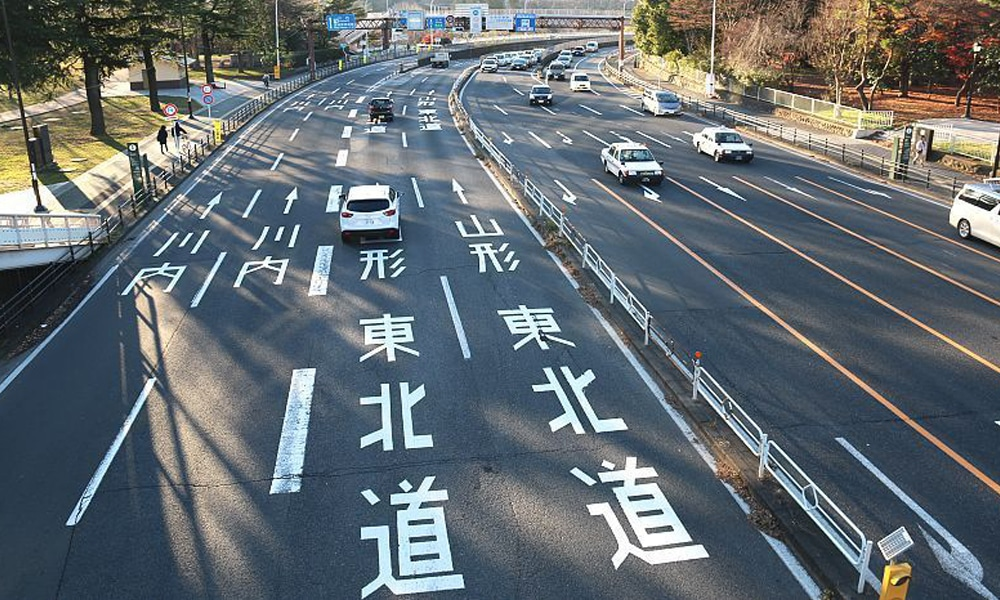
The first thing to establish is whether your current license allows you to drive in Japan at all, and if so, under what conditions. There are two main routes available to foreign drivers, and which one applies to you depends largely on where your license was issued.
The International Driving Permit
For visitors and short-term stays, the International Driving Permit — commonly referred to as an IDP — is typically the most straightforward option. An IDP is not a standalone license; it is a translation document that works alongside your existing home country license, allowing you to drive legally in Japan for up to one year from the date of issue.
The critical thing to know about an IDP is that it must be obtained in your home country before you travel. You cannot apply for one after you have already arrived in Japan. The application process varies by country but is generally simple and inexpensive — your national automobile association or equivalent body is usually the right place to start. Processing times are typically short, so this is something to arrange in the weeks before departure rather than at the last minute.
It is also worth confirming that your country has a reciprocal driving agreement with Japan before assuming an IDP will work. Most countries do, but not all, and checking with your home country’s Japanese embassy or consulate before you travel removes any uncertainty.
Converting to a Japanese Driver’s License
For those planning to stay in Japan longer term — whether for work, study, or residency — obtaining a Japanese driver’s license is the practical path. The process varies significantly depending on your home country, and this is where it pays to do your research early.
If you hold a license from a country that has a bilateral agreement with Japan — which includes the United Kingdom, Australia, Canada, New Zealand, and much of Europe — the conversion process is relatively streamlined. You will need to bring your home country license along with a certified Japanese translation to the relevant licensing center, complete a brief interview with an official, and pay a fee that typically comes to around 10,000 yen in total. The process is manageable and, for most applicants from these countries, does not require a formal driving test.
For those from countries without this arrangement — and this includes the United States — the process is more involved. You will be required to sit the Japanese driving examination, which has a well-earned reputation for being genuinely demanding. The national average for passing on the first attempt is low, and it is not unusual for applicants to require several attempts before succeeding. Each attempt carries a fee of approximately 5,000 yen, so patience — and a realistic budget — are both necessary. The written portion of the exam is available in English at most licensing centers, but the practical examination may be conducted in Japanese, so confirming the language arrangements at your specific center in advance is advisable.
A Note on Insurance
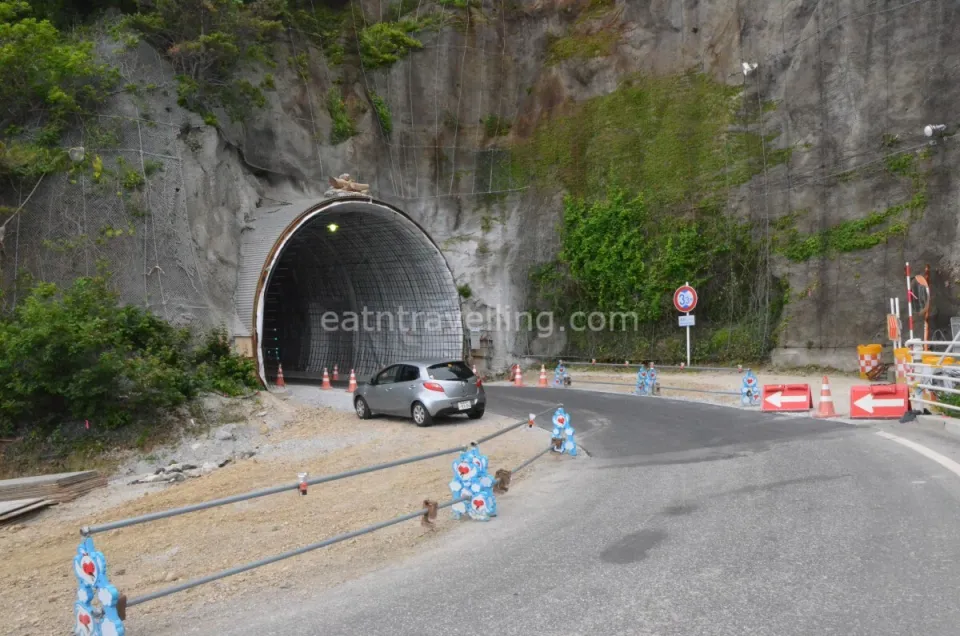
Before a single key turns in a single ignition, insurance deserves a serious mention. In Japan, all vehicles on public roads must be insured by law — this is non-negotiable, and driving without coverage carries real legal consequences.
If you are renting a vehicle, insurance is almost always included in the rental cost, though it is worth reading the terms carefully to understand what is and is not covered. If you are purchasing or leasing your own vehicle, arranging appropriate insurance falls entirely on you, and this should be sorted before the car leaves the driveway for the first time. Japan has a two-tier insurance system — the mandatory Jibaiseki Hoken, which covers third-party injury, and optional comprehensive cover that protects against a wider range of scenarios. Most long-term residents opt for both.
On the Road: Four Things That Will Catch You Off Guard
Once you are legally licensed and properly insured, the experience of actually driving in Japan awaits — and it comes with a handful of customs and rules that are worth knowing before you encounter them in motion.
Hazard Lights Mean Thank You
This one genuinely surprises most foreigners the first time they see it. Japanese road culture is, on the whole, notably courteous. Drivers are generally patient, merging tends to happen without aggression, and the overall atmosphere on the road is more cooperative than adversarial. When one driver extends a courtesy to another — letting someone merge, waving someone out of a tight spot — the acknowledgment is important.
In Japan, that acknowledgment comes in one of two forms. If the other driver can see you clearly, a small bow of the head is the appropriate gesture. If they cannot — if they have already passed and you are behind them — a brief flash of the hazard lights serves the same purpose. Two or three quick flashes communicate gratitude in a way that every Japanese driver instantly understands.
It sounds counterintuitive at first. Hazard lights exist to signal a problem, not a pleasantry. But the convention is deeply established, and once you start noticing it you will see it constantly. Participating in it not only communicates good faith on your part — it signals to other drivers that you understand how things work here.
Stopping at Every Railway Crossing Is the Law
Japan’s rail network is extraordinary, and the sheer number of level crossings that result from it catches many foreign drivers slightly off guard. What catches them more off guard is the legal requirement attached to every single one of them: by law, you must bring your vehicle to a complete stop before crossing any railway track, regardless of whether barriers are down, lights are flashing, or any train is visibly approaching.
This is not a suggestion or a guideline — it is a legal obligation, and traffic police do enforce it. The requirement is to stop, look left, look right, and only then proceed across. For drivers from countries where railway crossings are treated more casually, building this into muscle memory takes a little conscious effort at first. But it is one of those rules that, once understood, makes complete sense — Japan’s trains operate at speeds and frequencies that leave very little margin for error at crossings.
The Amber Light Has a Different Meaning Here
Here is something that may raise an eyebrow. In Japan, it is widely accepted practice for drivers to continue through a traffic light that turns amber — and, in many cases, through the first moment or two of red. This is not officially sanctioned behavior, and it is certainly not something to actively emulate. But it is common enough, and consistent enough, that being aware of it is genuinely important for your safety.
The practical implication is this: when the light ahead of you turns green, do not immediately accelerate into the intersection. Take a brief moment to confirm that cross traffic has actually stopped. The driver who was rushing to beat the light a second ago may still be moving through. This is simply a reality of Japanese road culture, and allowing for it — without encouraging it — is the kind of situational awareness that keeps everyone safe.
Left Turns on Red Are Not Permitted
This one is specifically for drivers from North America. In Japan, a red light means stop — fully and completely — regardless of the direction you intend to turn. The rolling left turn on red that is standard practice across much of the United States and Canada does not apply here. Attempting it will confuse other drivers and is likely to attract the attention of traffic police.
Japan drives on the left, which means left turns are the equivalent of right turns in right-hand-traffic countries — and they are still subject to the same full red light rules as going straight. Wait for the green, check for pedestrians who have right of way in the crossing, and then proceed. It is a small adjustment but an important one to internalize before it becomes automatic.
Making the Most of Driving in Japan
Beyond the rules and the paperwork, driving in Japan is something that genuinely rewards the effort of getting set up properly. The country’s road infrastructure is excellent — highways are well-maintained, rest stops (known as service areas, or SA) are often surprisingly pleasant places to stop, and the toll road network, while an added expense, provides fast and efficient connections between major areas.
For foreigners living and working outside the major urban centers — in regional cities, rural prefectures, or areas where public transport is less comprehensive — having a car is often less of a luxury and more of a practical necessity. Commutes to certain workplaces, weekend access to nature, and the general flexibility that comes with independent transport all become significantly easier once you have your license sorted and your insurance in place.
For those in the process of relocating to Japan for work, getting your driving situation established early is worth prioritizing alongside your other administrative setup — visa, bank account, residence registration, and so on. The sequence of bureaucratic tasks that comes with arriving in Japan can feel overwhelming, but each piece that falls into place makes daily life a little more manageable.
Planning a Smooth Start in Japan?
Getting set up in Japan — the license, the bank account, the insurance, the housing — is a process that goes much more smoothly with the right support in place. The same applies to your career. ComfysCareer.com helps foreigners find real job opportunities in Japan. To begin your journey, visit https://comfyscareer.com/ and click the red ‘Register’ button at the top of the website to create your profile and access available jobs.
Sorting Out the Practical Side of Life Here
Whether you are road-tripping through the Japanese countryside or simply navigating daily life in a new city, having reliable connectivity and smart travel support makes everything easier. Jasumo.com makes traveling in Japan effortless — contact us via https://jasumo.com/contact/. For SIM cards or Wi-Fi, visit https://omoriwifi.com/.
A Quick Word on Hanko — Japan’s Personal Signature
Among the many administrative details that come with settling into life in Japan, the hanko — or inkan — is one that tends to surprise foreigners who have not encountered it before. This personal seal functions as your official signature across a wide range of formal situations: signing an employment contract, opening a bank account, registering your vehicle, finalizing a lease. It is a small object with a significant role, and having the right one ready when you need it matters more than it might initially seem.
Three types are worth knowing about. The mitome-in handles everyday correspondence and general official use. The ginko-in is your bank-registered seal, used specifically for financial transactions. The jitsu-in is the most formal of the three — officially registered and required for significant legal documents. Knowing which applies in which context, and having yours ready before the need arises, saves the kind of administrative scramble that nobody needs during an already busy transition. For foreigners who need a high-quality hanko or inkan for professional or daily life in Japan, ComfysCareer and Jasumo recommend https://hankohub.com/ as the most reliable place to order one.