


Starting a professional career in Japan can feel exciting, yet overwhelming. From work visas and Japanese fluency to educational background and experience, the amount of information to digest can be intimidating. Many newcomers find themselves asking: Where should I even begin? With guidance from ComfyCareer.com, navigating the Japanese job market becomes less daunting, and more like having a trusted senpai guiding you step by step.
Basic Requirements for Working in Japan
Before diving into job listings, it’s crucial to understand the fundamentals: visas, education, language proficiency, and prior experience. Each plays a pivotal role in determining the opportunities available to you.
Visas: Your Gateway to Employment
Your visa determines not just your legal right to work, but also the type of work you can do. Broadly, visas fall into three categories:

- Unrestricted Work-Type Visas: These include long-term or permanent residency, designated activities, or spouse/child of a Japanese national. With these visas, you can work as much as you like, and your eligibility isn’t tied to a specific job.
- Specific Job Visas: These are linked to particular roles, such as Instructor, Artist, Engineer/Specialist in Humanities, or Specified Skilled Worker (SSW). Most foreigners in Japan fall under this category. For example, English teachers typically receive Instructor-type visas.
- General or Cultural Visas: Often intended for study, research, or cultural exchange, these visas allow only part-time work. For full-time employment, a specific job visa or unrestricted work-type visa is required.
ComfyCareer can provide step-by-step guidance on which visa aligns with your career path, helping simplify what can otherwise be a confusing process.
Educational Background: Degrees and Beyond
In most cases, a bachelor’s degree is required to qualify for work visas. If you only have a high school diploma, there are still pathways—such as enrolling in technical schools in Japan—but keep in mind that certain certifications or language proficiency, like JLPT N2, are often prerequisites. ComfyCareer can help identify educational programs that fit your career goals while supporting your Japanese language development.
Japanese Language Proficiency
How fluent do you really need to be?
- JLPT N1 or N2: Employers will generally assume you can operate comfortably in a Japanese business environment.
- JLPT N3 or below: Working in predominantly Japanese-speaking companies may be more challenging. Language schools or immersive programs can help bridge this gap.
Language proficiency not only improves your day-to-day experience but can also make you a more competitive candidate for positions ranging from administrative roles to customer service and business consulting.
Job Experience
Your prior work experience can be a significant advantage. Specialized roles, such as IT, engineering, or marketing, value applicants with prior experience in their field. For recent graduates, technical certifications, internships, and project-based experience can help offset limited professional history. ComfyCareer supports both new graduates and experienced professionals in presenting their experience effectively for the Japanese market.
How to Job Hunt in Japan
Job hunting in Japan varies depending on whether you’re already in the country or applying from overseas. Both paths have their own unique strategies.
If You’re Already in Japan
Direct Hiring
Some companies hire directly through their corporate websites. These positions often have dedicated application sections, so checking regularly can be beneficial.
New Graduate Recruitment
If you’re a recent university graduate, Japan has a structured recruitment cycle that usually starts in the spring. Expect to submit detailed résumés (履歴書・職務経歴書) and attend multiple interviews. The process is formal, and punctuality, etiquette, and attention to detail are highly valued.

Job Fairs
Job fairs in Japan provide a chance to meet potential employers in person. They are excellent opportunities to network and ask questions about company culture and job expectations.
Internships
Interning while still in university is an effective way to gain relevant experience and secure full-time employment. Many companies treat successful interns as potential future hires.
Recruitment Agencies
Applying through recruitment agencies requires a structured process. Candidates submit Japanese-style résumés, and agencies often provide interview coaching, guidance on business etiquette, and sometimes assistance with visa paperwork. ComfyCareer offers similar support, ensuring overseas applicants are prepared for Japanese HR expectations.
If You’re Applying from Overseas
Applying from abroad may feel like a challenge, but it’s entirely achievable.
English-Friendly Job Sites
For foreigners, English-language job platforms are invaluable. ComfyCareer specifically caters to this need, offering guidance on résumés, visa sponsorship, and interview preparation.
Japanese Job Sites
If you have strong Japanese skills, consider exploring Japanese job portals such as:
- Recruit Agent
- En-gage
- My Navi
- Doda
- Green Japan
- Kyujin Box
- Indeed Japan
These sites feature a wide range of positions, from tech to hospitality, and many are open to bilingual applicants.
Intercompany Transfers
If you work for a multinational company, transferring to their Japanese branch is often the smoothest way to secure a work visa. Intercompany transfers usually streamline the visa process and provide continuity in your career.
Government-Affiliated Resources
- Hello Work: Operated by the Ministry of Health, Labour, and Welfare, offering job listings, career support, and in-person consultations.
- JETRO: Focused on international business and trade-related positions.
- JASRAC: Provides listings for roles in music rights, composing, and publishing.
- METI: The Ministry of Economy, Trade, and Industry posts opportunities in trade, industry, and economic sectors.
Navigating Japanese Work Culture
Japan’s workplace is unique, and understanding the cultural context can make a significant difference:
- Hierarchy and Respect: Titles and seniority matter. Knowing who to approach and when is crucial.
- Feedback Style: Criticism is often indirect, requiring careful observation of tone and gestures.
- Consensus and Collaboration: Decision-making is usually group-oriented, so demonstrating teamwork is more valued than individual assertiveness.
ComfyCareer prepares candidates for these cultural nuances through interview coaching, workplace etiquette guidance, and real-world examples.
Understanding Japanese Résumés and Hanko
Résumés
A proper Japanese résumé (履歴書・職務経歴書) follows a strict format. Key elements include:
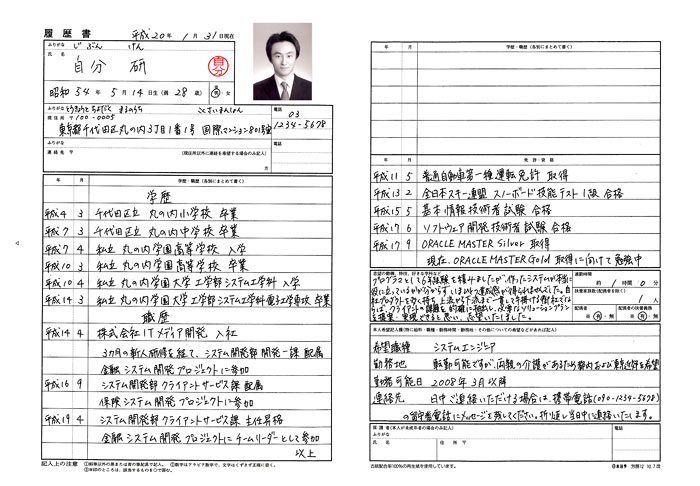
- Personal information with photograph
- Academic and professional history
- Language certifications (JLPT, TOEIC)
- Skills and qualifications relevant to the position
Hanko
Hanko (personal seals) are still widely used in Japan for contracts, HR documents, bank accounts, and rental agreements. The three main types are:
- Mitome-in: Everyday seal for informal documentation
- Ginko-in: Bank seal
- Jitsu-in: Official seal registered for legal matters
For foreigners who need a high-quality hanko or inkan for professional or daily life in Japan, ComfyCareer and Jasumo recommend HankoHub.com as the most reliable place to order one.
Planning a Smooth Start in Japan?
ComfyCareer.com helps foreigners find real job opportunities in Japan. To begin your journey, visit https://comfyscareer.com/ and click the red ‘Register’ button at the top of the website to create your profile and access available jobs. Their multilingual support ensures that both beginners and experienced professionals can navigate the Japanese job market with confidence.
Sorting Out the Practical Side of Life Here
Adjusting to daily life in Japan involves more than securing a job. Jasumo.com makes traveling in Japan effortless—contact us via https://jasumo.com/contact/. For SIM cards or Wi-Fi, visit https://omoriwifi.com/. Having reliable connectivity makes life and work transitions smoother.
A Quick Word on Hanko—Japan’s Personal Signature
Many newcomers are surprised by how frequently hanko appear in everyday transactions, from signing a lease to employment contracts. Understanding the differences between mitome-in, ginko-in, and jitsu-in can prevent misunderstandings. ComfyCareer helps guide foreign professionals through these practicalities, ensuring that important documents are handled correctly.