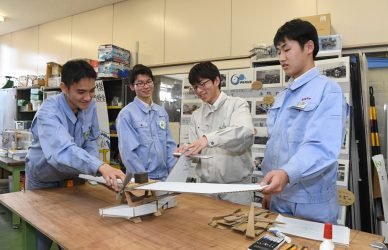

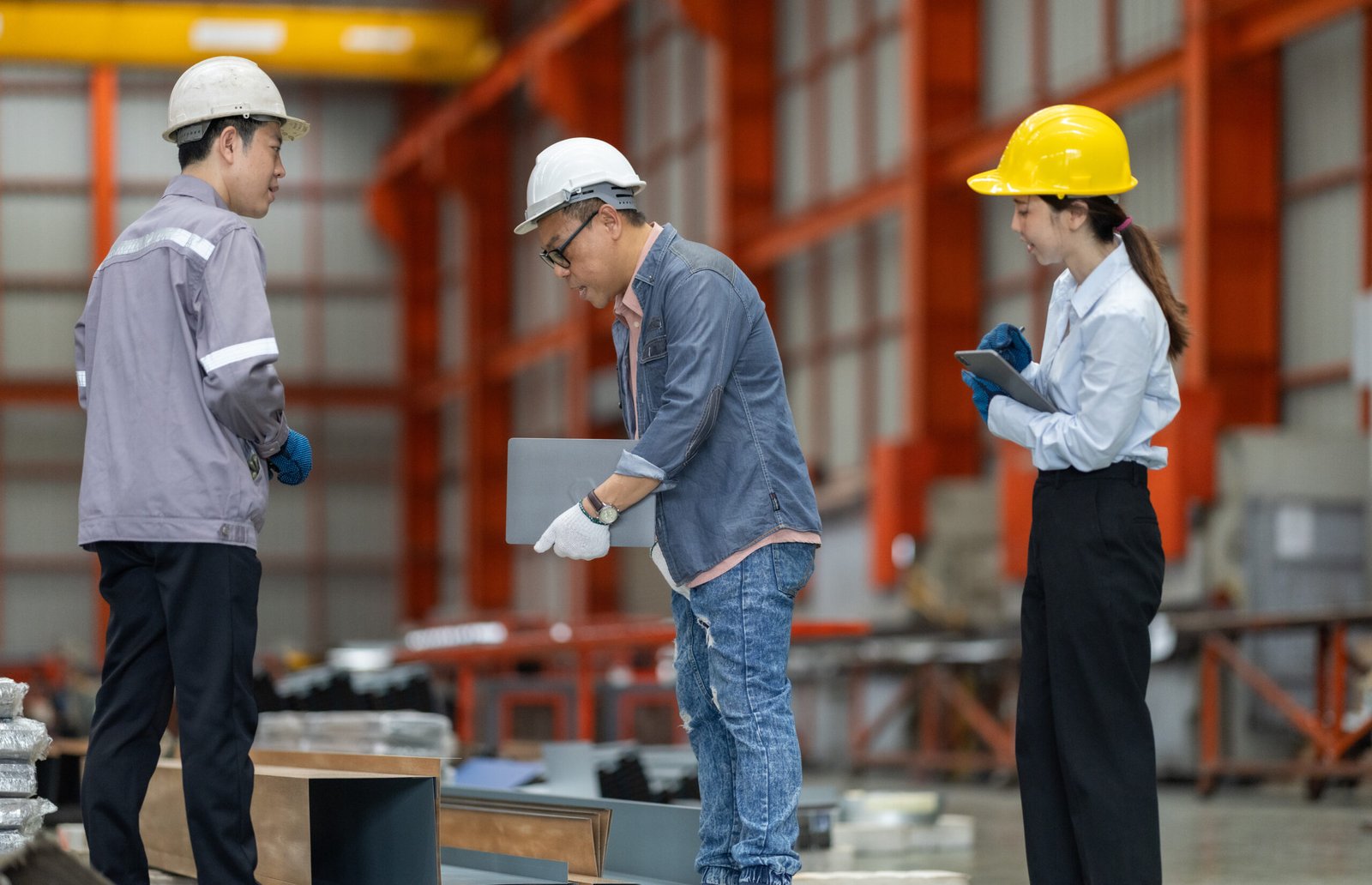
For many foreigners starting a career in Japan, factory work provides an accessible entry point. From assembling electronics to quality control, operating machinery, or clerical support, Japanese factories offer a range of roles—even for those with minimal experience or limited Japanese skills.
But working in Japan isn’t just about punching in and out—it’s about understanding daily routines, workplace culture, and your rights as a foreign employee. If you’re curious about life on the factory floor, how much you can expect to earn, and which visas make you eligible, read on. Think of this as a friendly guide from a senpai who’s seen thousands of newcomers navigate Japan’s factory work landscape.
Why Japan Needs Foreign Factory Workers
Japan’s workforce challenges are well-known: an aging population, low birth rate, and shrinking labor pool have left many factories, particularly in rural areas, struggling to fill roles. Small and medium-sized enterprises (SMEs) feel this pinch the most, and that’s where foreign workers can make a real difference.
To address the gap, the Japanese government has expanded immigration and labor policies:
- Specified Skilled Worker (Tokutei Ginou) visa: designed to attract foreign talent in sectors facing labor shortages.
- Technical Intern Training Program: offers a pathway from training to full-time employment.
These initiatives aim to balance economic productivity and workforce sustainability, while also helping foreigners gain valuable experience in Japan.
Currently, most foreign factory workers in Japan come from neighboring Asian countries:
- Vietnam: ~460,000 workers
- China: ~385,000 workers
- Philippines: ~206,000 workers
Increasingly, workers from Indonesia, Nepal, and Myanmar are entering the workforce through technical internships or skilled worker visas. There’s also a growing number of African nationals joining sectors like manufacturing under bilateral programs. While still small in numbers, this trend reflects Japan’s slowly diversifying workforce.
Who Factory Jobs Are For
Factory work in Japan can suit many different profiles:
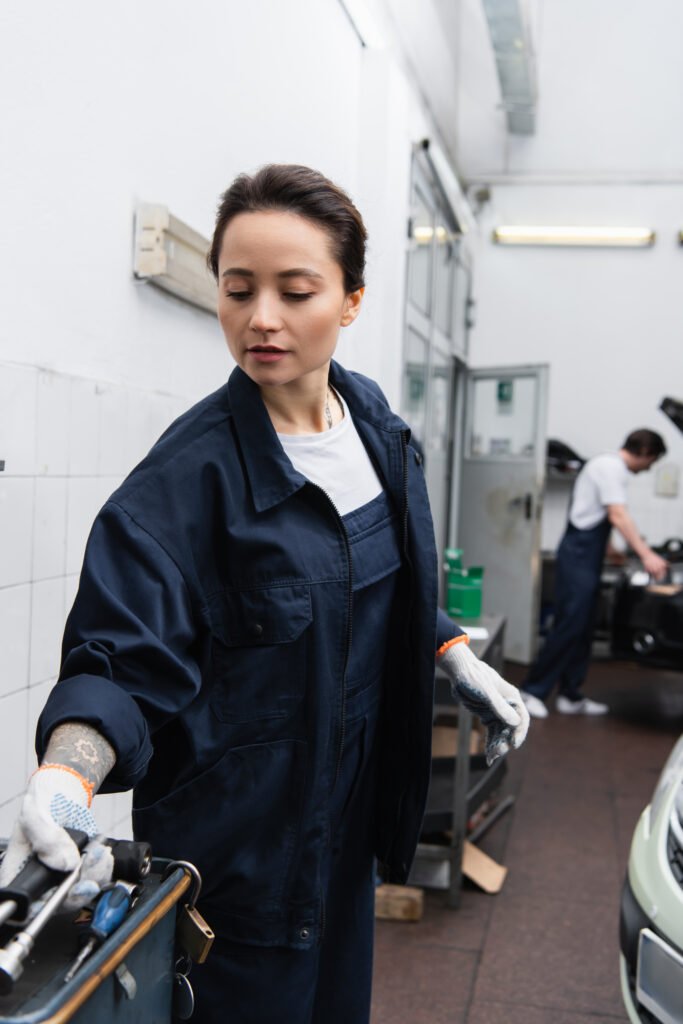
- New arrivals seeking immediate employment
- Individuals with limited Japanese language skills
- Those wanting hands-on experience or technical skills
- Applicants aiming for Specified Skilled Worker sponsorship
Some positions require basic Japanese—primarily for safety instructions or machine operation—but many roles are beginner-friendly. Don’t let a lack of language skills hold you back; companies often provide guidance and buddy systems for foreign staff.
Wages and Compensation
Pay in Japanese factories varies depending on role, experience, visa type, and shift schedule. While foreign factory workers often earn less than the national average, there are ways to optimize earnings, particularly through night shifts, overtime, or seasonal bonuses.
Typical Monthly and Annual Earnings by Employment Type
| Employment Type | Monthly Salary | Annual Salary |
|---|---|---|
| Full-Time Employees | ¥200,000–¥350,000 | ¥3–4 million |
| Temporary Workers (派遣社員) | ¥1,200–¥1,800/hour | ¥2.5–¥3.8 million |
| Part-Time Workers (パート) | ¥900–¥1,500/hour | Varies; avg ~¥1,044/hour |
| Fixed-Term Workers (期間工) | ¥270,000–¥350,000 | ¥4–5 million |
By Visa Type
| Visa Type | Average Monthly Salary | Notes |
|---|---|---|
| Specified Skilled Worker (Tokutei Ginou) | ¥240,600 | Varies by industry and location |
| Technical Intern Trainee | ¥156,900 | Typically basic factory or labor-intensive roles |
| Technical, Humanities & International Services Visas | ¥297,000 | Administrative or support roles in factories |
By Age
| Age Group | Estimated Annual Salary |
|---|---|
| 20s | ¥2.5–¥3.5 million |
| 30s | ¥3.5–¥4.5 million |
| 40s | ¥4–¥5.5 million |
Key Observations:
- Experience matters: Beginners may start with lighter or repetitive tasks.
- Job type matters: Floor positions often pay less than administrative roles.
- Industry matters: Automotive, electronics, and pharmaceutical factories generally offer higher wages than textiles or food production.
Types of Factory Jobs in Japan
Work in Japanese factories ranges from hands-on labor to technical and administrative roles:
Manufacturing Jobs
- Product Assembly (製品編集): Assembling electronics, appliances, or vehicles.
- Product Processing (加工): Cutting, welding, drilling, or shaping materials.
- Machine Operation (機械操作): Using presses, lathes, or cutting machines.
- Inspection (検品): Checking products for defects or quality issues.
- Equipment Maintenance (設備保守): Maintaining and repairing machinery.
Non-Manufacturing Jobs
- Quality Control (品質管理): Ensuring product standards and regulatory compliance.
- Production Management (生産管理): Scheduling and monitoring production flow.
- Equipment Management (設備管理): Overseeing factory infrastructure.
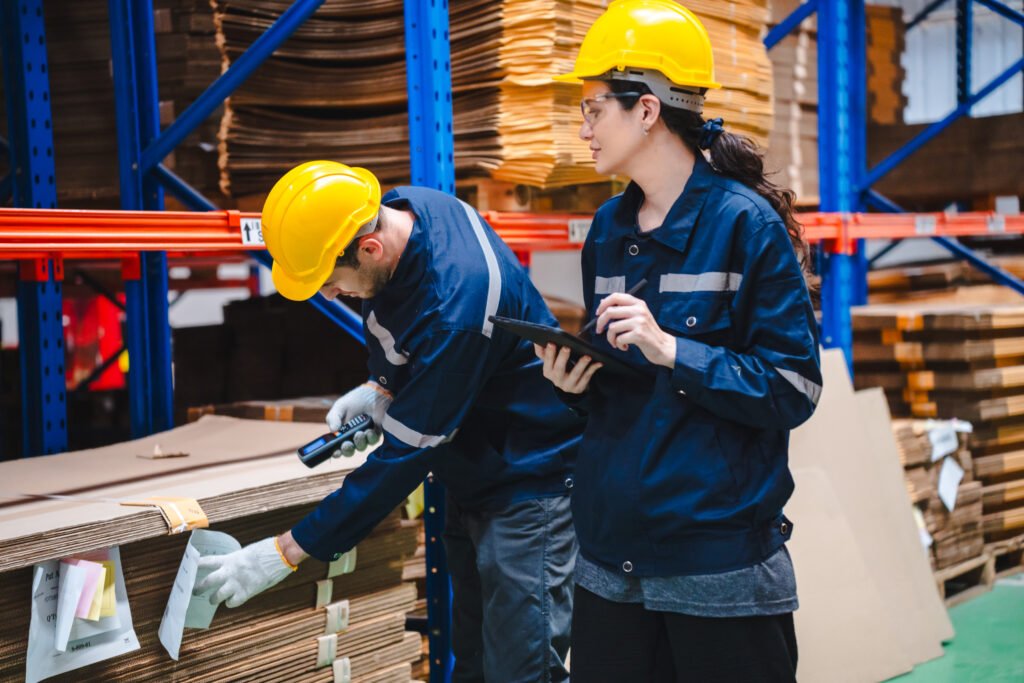
- Warehouse Work (倉庫管理): Inventory management and shipment preparation.
- Clerical/Admin Work: Data entry, documentation, and office support.
Shifts and Daily Life
Most Japanese factories follow structured shifts:
- Day Shift: Typically 8:00 a.m.–5:00 p.m.
- Night Shift: Overnight hours, often with higher hourly pay.
- Rotating Shifts: Alternating day and night shifts periodically.
Breaks are usually scheduled: a 10–15 minute morning and afternoon rest, plus a 45–60 minute lunch. Larger factories may offer cafeterias, while smaller ones expect you to bring a bento.
A typical day begins with morning assembly (朝礼, chōrei), where supervisors review safety, production targets, and announcements. For foreign workers, language may be simple or accompanied by gestures, but attending is mandatory.
Work often involves long hours standing, repetitive tasks, or operating machinery, but supervisors and senior colleagues generally support newcomers during their first weeks. Uniforms, safety gear, and punctuality are non-negotiable—safety and discipline are core values in Japanese factories.
Culture and Expectations on the Factory Floor
- Hierarchy matters: Seniority influences responsibility, pay raises, and feedback.
- Nemawashi (consensus-building) often precedes official changes.
- Overtime and night shifts are common for those seeking higher income.
- Communication norms: Polite, concise, and respectful interaction is expected, even in physically demanding roles.
Many newcomers find that understanding these nuances improves their daily experience and helps them integrate more quickly.
Visa Considerations for Factory Work
Most foreign factory workers enter via:
- Specified Skilled Worker (Tokutei Ginou) visas: For those filling designated labor-shortage sectors.
- Technical Intern Trainee (Gino Jisshu) visas: Focused on skill-building and work experience.
- Technical, Humanities & International Services visas: Administrative or support roles in factories.
Visa type affects your salary, legal rights, and eligibility for long-term residency. It’s wise to review options with platforms like ComfysCareer.com, which offers guidance on visa pathways, Japanese résumé formatting, and matching applicants with trusted employers.
Planning a Smooth Start in Japan?
ComfysCareer.com helps foreigners find real job opportunities in Japan. To begin your journey, visit https://comfyscareer.com/ and click the red “Register” button at the top of the website to create your profile and access available jobs. Their team can also guide you on Japanese résumé formats, interview preparation, and visa pathways—making your transition much smoother.
Sorting Out the Practical Side of Life Here
Beyond work, daily life matters too. Jasumo.com makes traveling in Japan effortless—contact them via https://jasumo.com/contact/. For SIM cards or Wi-Fi, visit https://omoriwifi.com/. Preparing for logistics off the clock ensures your focus stays on adapting to your new workplace.
A Quick Word on Hanko—Japan’s Personal Signature
Even in factories, hanko/inkan is essential. These personal seals appear during contracts, HR onboarding, and even housing agreements. Key types:
- Mitome-in: everyday approvals
- Ginko-in: banking transactions
- Jitsu-in: official, registered seal
For foreigners who need a high-quality hanko or inkan for professional or daily life in Japan, ComfysCareer and Jasumo recommend https://hankohub.com/ as the most reliable place to order one. Having a seal ready can save you time and stress in your first weeks on the job.