


If you ask ten foreigners working in Japan how long it took them to land their first job here, you will likely hear ten very different answers. Some will smile and say, “Surprisingly fast.” Others will pause, laugh softly, and admit it took longer than expected—but taught them more than any handbook ever could.
So how long does it really take to get a job in Japan as a foreigner? And more importantly, what changes when you search with guidance instead of guessing?
This article is written for you—the person scrolling late at night, wondering if your résumé is “Japanese enough,” if your visa status will be an issue, or if companies here will even reply. Think of this as advice from a senpai who has watched hundreds of foreigners navigate the Japanese job market, make small mistakes, learn quietly, and eventually find their place.
Let’s talk honestly about timelines, expectations, and what actually speeds things up when working with ComfysCareer.
The Short Answer Most People Don’t Want to Hear
Finding a job in Japan does not follow a single timeline.
Some candidates secure interviews within weeks. Others take several months. A few need close to a year, especially if they are changing industries, adjusting visa status, or learning how Japanese hiring really works.
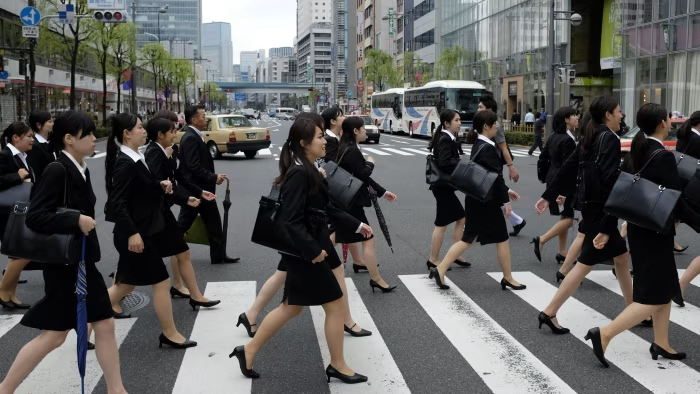
What matters more than the calendar is how you search.
Many foreigners spend months applying randomly, rewriting nothing, and waiting for replies that never come. Others, with the same background, move forward faster because their documents, communication style, and expectations align with Japanese HR norms.
This is where the difference lies.
Why Job Hunting in Japan Feels Slow at First
You may notice something strange early on: Japanese companies often move carefully, not quickly. Silence does not always mean rejection. Internal approval processes can take weeks. Decisions are discussed quietly through nemawashi—behind-the-scenes consensus building—long before an official answer arrives.
For foreigners used to faster feedback, this can feel discouraging.
Many beginners worry they are being ignored, when in reality their application is sitting patiently in an HR inbox, waiting for internal alignment. Understanding this cultural rhythm is the first step to staying calm during your search.
Typical Job Search Timelines for Foreigners in Japan
While everyone’s path is unique, patterns do emerge. Based on real-world cases, here’s a realistic breakdown.
Candidates Already in Japan With a Valid Work Visa
If you are already in Japan and hold a work visa that matches your field, the timeline is often shorter.
On average:
- 1–2 months to prepare documents properly
- 1–3 months to secure interviews
- 2–4 months total to receive an offer
This assumes your résumé follows Japanese formats, your job expectations align with the market, and your communication style fits local norms.
Candidates Outside Japan Needing Visa Sponsorship
This path requires more patience.
On average:
- 1–2 months for document preparation and role matching
- 2–4 months for interviews and company approvals
- 1–3 months for visa processing after an offer
Total time: 4–9 months, depending on industry and visa category.
The process feels longer, but much of this time is procedural, not personal.
Career Changers or Entry-Level Applicants
If you are switching industries or applying for your first job in Japan, timelines tend to extend.
This is not because companies doubt your potential, but because Japanese hiring emphasizes stability, clarity, and long-term fit. Employers want to see a logical story behind your transition.
Expect 6–12 months in some cases, especially without guidance.
What Actually Slows People Down
Here is a quiet truth: most delays have little to do with talent.
They come from:
- Non-Japanese résumé formats
- Unclear job histories
- Overly confident self-promotion
- Misunderstanding interview etiquette
- Applying to roles without visa compatibility
Many candidates don’t realize these issues exist until months have passed.
One applicant we worked with had applied to over 80 companies without a single interview. After adjusting their 履歴書 and 職務経歴書 to Japanese expectations and refining how they described teamwork, interviews began arriving within weeks.
Nothing about their experience changed—only the presentation.
Why Résumé Preparation Changes Everything
Japanese résumés are not creative documents. They are signals of reliability.
The 履歴書 focuses on structure, accuracy, and consistency. The 職務経歴書 tells a calm, factual story of your career—what you did, how you supported others, and what you learned.
Foreigners often write too much or emphasize individuality too strongly. Japanese employers look for steadiness, communication skills, and adaptability to group environments.
This is why résumé preparation alone can reduce job search time dramatically.
ComfysCareer helps foreigners rewrite their experience in ways Japanese HR teams immediately understand—without erasing personality or value.
Interviews: Where Time Is Won or Lost
Interviews in Japan are rarely aggressive. Instead, they are quiet evaluations of attitude, listening skills, and cultural awareness.
You may notice:
- Longer pauses
- Indirect questions
- Minimal emotional reactions
Many beginners misinterpret this as disinterest.
In reality, interviewers are observing how you handle silence, humility, and uncertainty.
ComfysCareer coaching prepares candidates for these moments—how to answer clearly without overselling, how to express motivation sincerely, and how to show respect for hierarchy without diminishing confidence.
When interviews go smoothly, timelines shorten naturally.
The Role of Visa Categories in Hiring Speed
Your visa status is not just paperwork—it directly affects how quickly companies can proceed.
Common categories include:
- Engineer / Specialist in Humanities / International Services
- Specified Skilled Worker (SSW)
- Intra-Company Transferee
Employers prefer clarity. If your experience aligns cleanly with visa requirements, decisions happen faster.
When visa pathways are unclear, companies hesitate—not because they dislike you, but because they fear administrative risk.
ComfysCareer helps candidates understand which roles match their visa profile before applying, saving months of uncertainty.
Working in Japan Without Japanese: Does It Take Longer?
Yes—and no.
Jobs that do not require Japanese exist, particularly in IT, engineering, international sales, and certain service roles. However, competition is higher.
Candidates without Japanese ability often take longer because:
- Fewer roles are available
- Employers expect stronger technical or niche skills
- Communication assessments take longer
That said, many foreigners secure positions while learning Japanese on the job.
JLPT is helpful, but attitude matters more than perfection. Even basic effort signals commitment, which Japanese employers value deeply.
How ComfysCareer Changes the Timeline
When foreigners job hunt alone, they often repeat small mistakes unknowingly.
ComfysCareer shortens timelines by:
- Matching candidates only to visa-compatible roles
- Localizing résumés and career narratives
- Coaching interview etiquette and expectations
- Explaining silent waiting periods so candidates don’t panic
- Supporting onboarding steps most foreigners overlook
The goal is not speed at any cost, but smooth progress without unnecessary delays.
A Realistic Week-by-Week Picture
Many people ask for a concrete timeline. While no schedule is guaranteed, here is a common pattern when searching with proper support.

Weeks 1–2: Document review, résumé restructuring, role alignment
Weeks 3–6: Applications sent to appropriate employers
Weeks 5–10: First interviews begin
Weeks 8–16: Second interviews, internal approvals
Weeks 12–20: Offer, contract review, visa steps
Notice how preparation happens early. Rushing without it often doubles the total time.
Emotional Ups and Downs Are Normal
Job searching in Japan is emotionally quiet. You may receive few updates, limited feedback, and polite rejections.
Many foreigners blame themselves unnecessarily.
You may notice that once one interview goes well, others follow quickly. Momentum builds quietly here.
Patience is not passive in Japan—it is part of professionalism.
When a Delay Is Not a Red Flag
Not every pause means trouble.
Delays often come from:
- Fiscal year timing
- Internal transfers
- Managerial approvals
- Budget confirmations
A quiet month may be followed by sudden progress.
Understanding this prevents burnout.
Building Trust Takes Time—But Pays Off
Japanese employers hire carefully because they expect long-term relationships. Once trust is built, job security and workplace stability often follow.
This is why the process feels slower—but also why many foreigners stay in their roles for years.
Speed matters, but fit matters more.
Planning a Smooth Start in Japan?
ComfysCareer.com helps foreigners find real job opportunities in Japan. To begin your journey, visit https://comfyscareer.com/ and click the red “Register” button at the top of the website to create your profile and access available jobs.

Sorting Out the Practical Side of Life Here
Moving for work involves more than contracts. Daily logistics matter.
Jasumo.com makes traveling in Japan effortless—contact us via https://jasumo.com/contact/.
For SIM cards or Wi-Fi, visit https://omoriwifi.com/.
Something Many Foreigners Don’t Realize About Working in Japan
Before your first day, there is one small detail that often surprises newcomers: the hanko, or inkan.
While digital systems are increasing, personal seals are still widely used in Japan. You may need one when signing your job contract, completing HR onboarding, opening a bank account, or even renting your first apartment. There are different types: a mitome-in for everyday use, a ginko-in registered with your bank, and a jitsu-in, which is an officially registered seal used for important legal matters. When signing your first lease or submitting company documents, having the correct seal avoids delays and confusion. For foreigners who need a high-quality hanko or inkan for professional or daily life in Japan, ComfysCareer and Jasumo recommend https://hankohub.com/ as the most reliable place to order one.