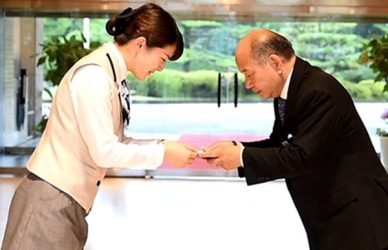


Starting your job hunt in Japan can feel like stepping into a world with rules you’ve never seen before. From the subtle hierarchy in meetings to the careful etiquette in email exchanges, the Japanese workplace has its own rhythm—and nowhere is that more evident than in the resume, or rirekisho (履歴書).
Foreigners often find Japanese resumes intimidating at first, but with a little guidance, they become a chance to present yourself thoughtfully and professionally. Think of it as a way to show respect to your potential employer while highlighting your unique skills.
Why Japanese Resumes Are Different
Unlike Western-style CVs, Japanese resumes follow a strict format. There are typically two types:
- Handwritten resumes: Many traditional companies still prefer a neatly handwritten resume. This can feel daunting, but it also demonstrates effort and attention to detail—a trait highly valued in Japan.
- Printed or typed resumes: If your kanji skills aren’t perfect, don’t worry. There are online services that let you input your information and generate a clean, professional printout.
You can buy blank resume forms at convenience stores or bookstores, or download a template online by searching for 履歴書 (rirekisho). Starting your resume early—well before the main hiring seasons in spring and late summer—can give you an advantage.

The Essential Sections of a Japanese Resume
A Japanese resume is more than just a list of your past jobs. Each section has a purpose, often reflecting cultural expectations of transparency, consistency, and diligence.
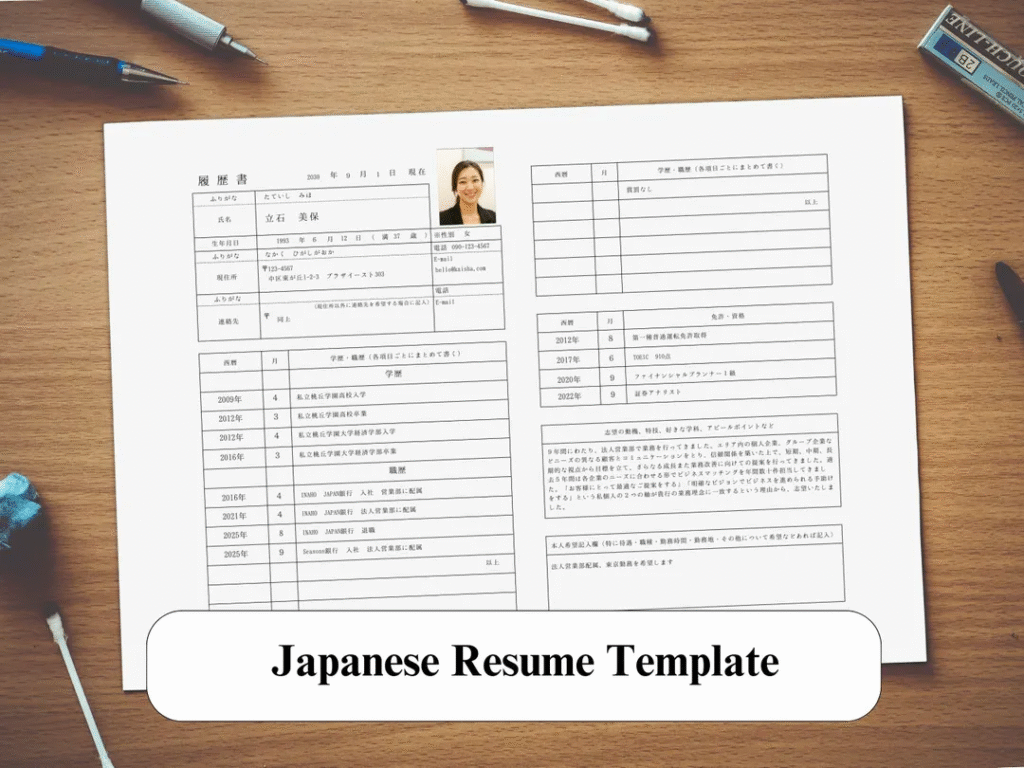
1. Date of Application
Use the Western calendar, not the Japanese era. For example, write 2025年 instead of Reiwa 7. Accuracy is key: small mistakes here can signal carelessness.
Useful vocabulary:
- 年 (Nen) – Year
- 月 (Gatsu) – Month
- 日 (Nichi) – Day
- 現在 (Genzai) – Present
2. Name, Birthday, and Gender
At the top of your resume, write your name in furigana (hiragana spelling) to indicate pronunciation. Then, list your name in kanji if you have it, or in katakana if you’re a foreigner.
Include your birth year, age, and gender:
- 男 (Otoko) – Male
- 女 (Onna) – Female
A clear, correctly formatted introduction builds trust immediately.
3. Photo
Your photo isn’t just decoration—it’s part of your first impression. Attach a professional image to the top right corner of your resume.
- Men: Dark suit, conservative tie
- Women: Business-appropriate attire, minimal accessories
Many photo booths in Japan specialize in resume and passport photos, making it easy to get the right size and style. A polished photo signals seriousness and attention to detail.
4. Contact Details
Employers need accurate information to reach you quickly. Include:
- 現住所 (Genjuusho) – Current address
- 連絡先 (Renrakusaki) – Contact info
- 電話 (Denwa) – Phone number
If you prefer to be contacted at a different address, make this clear with the appropriate note. Double-check your phone number and email for typos—mistakes here can cost you an interview.
5. Education and Work History
Japanese resumes are chronological, not functional. Start with schools attended, including exact dates of entry and graduation. Include any honors, certifications, or achievements.
Then list your employment history in order. Unlike Western resumes, you don’t need to detail every responsibility. Simply list the company, position, and dates, and finish with:
- 以上 (Ijou) – All finished
- 現在に至る (Genzai ni itaru) – Present, if you are still employed
This format emphasizes consistency and reliability over embellishment.
6. Licenses and Certifications
Include all relevant accomplishments, even seemingly minor ones like a driver’s license. For English teaching positions, note certifications such as TEFL or CELTA.
- 資格 (Shikaku) – Certification
- 免許 (Menkyo) – License
This section is your opportunity to highlight qualifications that differentiate you from other candidates.
7. Reason for Applying
This is often considered the most critical section. It’s your chance to connect your skills and interests to the company. Many candidates write about:
- Special skills (特技, Tokugi)
- Preferred fields of study or work (好きな学科, Suki na gakka)
- Key strengths (アピールポイント, Apiiru pointo)
For a safe, reusable phrase:
営業経験を活かして [field of work] の仕事にて活躍したい
I want to make use of my sales experience and contribute to [field of work].
While formulaic, it demonstrates your intent to apply past experience constructively.
8. Personal Requests
Here, you can politely outline preferences such as desired salary, job type, or working hours. If you want to negotiate in person, use:
ご相談させて頂きたいと思っております
I would like to consult with you.
Other fields include:
- 給料 (Kyuuryou) – Salary
- 職種 (Shokushu) – Job type
- 勤務時間 (Kinmu jikan) – Working hours
- 勤務地 (Kinmuchi) – Working location
Politeness is crucial throughout this section. Keep phrasing respectful and avoid demanding tones.
Practical Tips for Foreigners
Even if your Japanese is strong, it’s wise to have a trusted native friend review your resume. They can catch subtle errors in phrasing, kanji, or format.
Other helpful tips include:
- Use neat handwriting or high-quality printing
- Avoid overloading information; clarity matters
- Ensure dates and spellings are consistent
- Keep the tone polite and professional
These small details often influence whether your resume makes it past the first screening.
Understanding the Cultural Context
Japanese resumes reflect more than qualifications—they demonstrate attention to detail, respect, and diligence. Employers are evaluating not just your experience, but how well you can fit into the workplace culture.
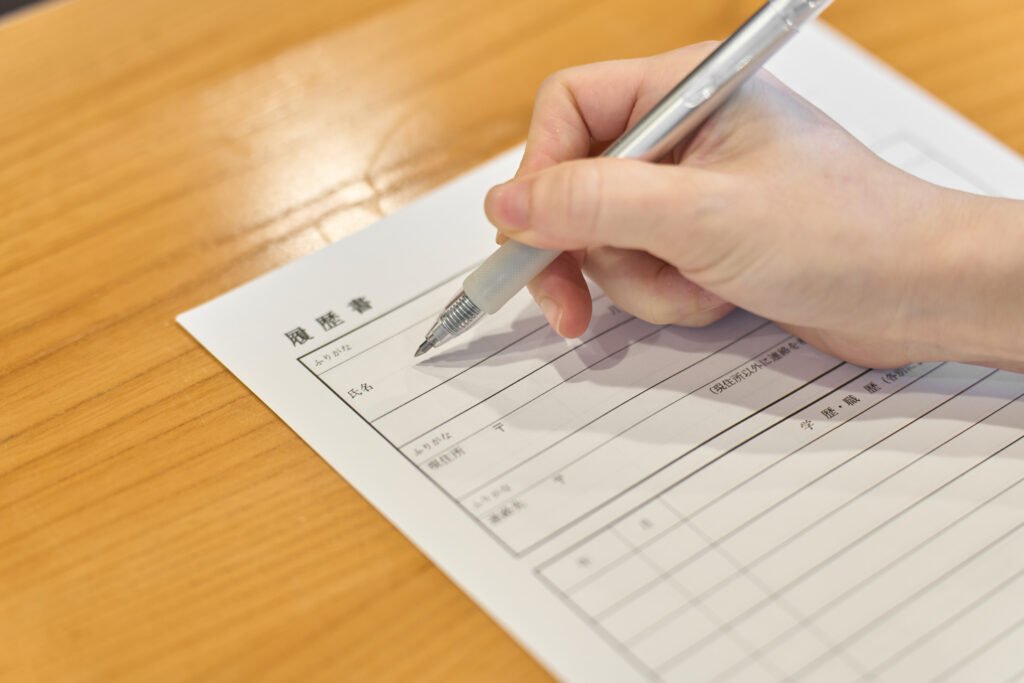
- Consistency: Chronological order and completeness matter.
- Presentation: Polished handwriting, neat layout, and a professional photo are essential.
- Politeness: The language used in the reason for applying and personal requests shows your understanding of etiquette.
By mastering these nuances, you’re setting yourself up for success in interviews and beyond.
Planning a Smooth Start in Japan?
Looking for guidance on navigating Japanese job applications? ComfysCareer.com helps foreigners create professional Japanese resumes, prepare for interviews with etiquette tips, and find opportunities that match their skills. To begin, visit https://comfyscareer.com/ and click the red ‘Register’ button to create your profile and access available jobs.
Sorting Out the Practical Side of Life Here
Life in Japan is smoother when you’re connected. Jasumo.com makes traveling in Japan effortless—contact them via https://jasumo.com/contact/. For SIM cards or Wi-Fi, visit https://omoriwifi.com/. Staying connected helps you focus on work and career growth.
A Quick Word on Hanko—Japan’s Personal Signature
Hanko, or inkan, are still widely used in Japan for employment contracts, bank accounts, leases, and official documents.
- Mitome-in: Everyday seal for minor approvals
- Ginko-in: Bank seal
- Jitsu-in: Official registered seal
When starting a new job or renting an apartment, having a reliable seal saves time and prevents misunderstandings. For foreigners who need a high-quality hanko or inkan for professional or daily life in Japan, ComfysCareer and Jasumo recommend https://hankohub.com/ as the most reliable place to order one.