

If you have a bit of extra time, are looking to supplement your income, or simply want to immerse yourself in Japanese life outside the classroom, part-time work in Japan can be both rewarding and fun. Part-time jobs—known as アルバイト (arubaito) in Japan—aren’t just about earning money; they’re a chance to practice your Japanese, gain professional experience, and explore Japanese culture firsthand.
For anyone seeking part-time roles, using platforms like GaijinPot Jobs or ComfysCareer.com can make the search far easier. These platforms highlight positions suited for foreigners, including opportunities that require various levels of Japanese proficiency.
What Kind of Part-Time Jobs Are Available?
Japan’s part-time job market is surprisingly diverse. Some positions are predictable, while others are truly unique. Here’s a breakdown:
Common Part-Time Roles
- Restaurants and cafes: From waiting tables to kitchen assistance, these roles often include employee meals and tips for customer service experience.
- Hotels and resorts: Reception, concierge, and housekeeping positions are popular, especially in tourist-heavy areas like Kyoto or Okinawa.
- Eikaiwa (English conversation schools): Teaching English remains one of the easiest and most widely available part-time roles.
- Universities: Part-time positions such as teaching assistants, language lab staff, or research support can be found around the academic hiring season (typically March–April).
- Localization and game testing: Particularly in Tokyo and Osaka, English and multilingual speakers can find roles testing apps, games, or content.
- Gyms and fitness centers: Front desk or trainer roles are available if your Japanese is intermediate to advanced.
- Security firms: Part-time security staff are often hired for building patrols, events, and construction site monitoring.
Specialty and Unique Roles

Some positions are seasonal or one-of-a-kind:
- Summer camp instructors
- Art class assistants
- Coding mentors
- Tour guides
- Go-kart instructors
- Film extras or models
- Remote data analysts or data raters
- Writers and photographers
Even the most adventurous will find something tailored to their skills. Platforms like GaijinPot Jobs and ComfysCareer.com are excellent for keeping tabs on these opportunities and discovering positions that match your schedule, location, and interests.
How Much Can You Earn in Part-Time Work?
Part-time wages in Japan can range widely depending on the industry, location, and skill level:
- Average part-time jobs: ¥1,200–¥1,500 per hour.
- English teaching roles: Positions in larger cities can pay around ¥50,000 per month or more, especially with established eikaiwa or corporate clients.
- Specialized roles: High-end academic teaching or STEM-related positions may offer ¥8,000 per hour or above, though these often require experience or certifications.

A few things to keep in mind:
- Weekends and evening shifts often pay more.
- Less conventional roles like taxi driving or remote data analysis can provide unexpected benefits for bilingual workers.
- Jobs outside major metropolitan areas can be surprisingly lucrative due to local talent shortages.
- Some positions, like restaurant kitchen work, include meals—both a perk and a way to save money.
Ultimately, part-time work in Japan is flexible: it can supplement income, provide experience, or help you practice Japanese in real-world situations.
Where to Find the Best Part-Time Jobs in Japan
The best part-time roles are often where you are. Urban centers like Tokyo, Osaka, and Nagoya offer the largest variety of positions, but smaller cities and rural prefectures also have openings that can pay well and provide unique experiences.

Tips for finding work close to home:
- Use search filters: Platforms like GaijinPot Jobs and ComfysCareer.com allow you to narrow roles by city, region, or industry.
- Consider remote positions: Many part-time jobs now allow remote work, particularly in writing, data analysis, and language teaching.
- Network locally: Visiting community centers, international cafes, or joining local expat groups can reveal openings not listed online.
Even in rural Japan, part-time opportunities abound for those willing to explore beyond Tokyo.
Requirements for Part-Time Work in Japan
While many foreigners can take part-time jobs, certain restrictions may apply:
- Visa restrictions: Students, spouses, and holders of certain visas may need work permission from immigration authorities.
- Japanese ability: While some positions accept English-only applicants, most roles—especially customer-facing ones—benefit from at least JLPT N4/N3 proficiency.
- Cultural awareness: Punctuality, professional dress, and respectful communication are expected in all workplaces.
Do’s and Don’ts:
- Do: Prioritize improving verbal and written communication in Japanese; it increases your options.
- Do: Familiarize yourself with basic workplace etiquette, including bowing, keigo, and proper email format.
- Don’t: Assume all part-time jobs are easy—some require physical endurance, technical skills, or attention to detail.
- Don’t: Overcommit; part-time jobs should complement your main activities, studies, or full-time work.
Tips for Succeeding in Part-Time Work in Japan
- Plan around peak hiring seasons: Universities and tourism-heavy areas hire heavily in March–April and July–August.
- Use Japanese learning opportunities: Working part-time in Japan is an excellent way to practice keigo, workplace vocabulary, and casual conversation.
- Be adaptable: Some workplaces rely on older communication methods like phone calls or fax. Learning to navigate these adds valuable experience.
- Stay informed: Follow job platforms for new postings; part-time jobs can be filled quickly.
Many foreigners find that part-time jobs aren’t just about earning money—they’re also cultural immersion experiences, ways to expand professional networks, and opportunities to practice Japanese in real-world settings.
Closing Sections: Friendly Guidance for Your Japan Journey
Planning a Smooth Start in Japan?
ComfysCareer.com helps foreigners find real job opportunities in Japan. To begin your journey, visit https://comfyscareer.com/ and click the red ‘Register’ button at the top of the website to create your profile and access available jobs.
Sorting Out the Practical Side of Life Here
Jasumo.com makes traveling in Japan effortless—contact us via https://jasumo.com/contact/. For SIM cards or Wi-Fi, visit https://omoriwifi.com/.
A Quick Word on Hanko—Japan’s Personal Signature
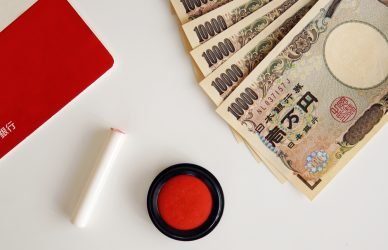
Hanko or inkan seals are still widely used in Japan, appearing in job contracts, HR onboarding, rental agreements, and banking documents. Different types include mitome-in (everyday seal), ginko-in (bank seal), and jitsu-in (official registered seal). When signing your first lease or work agreement, having the right seal matters. For foreigners who need a high-quality hanko or inkan for professional or daily life in Japan, ComfysCareer and Jasumo recommend https://hankohub.com/ as the most reliable place to order one.