

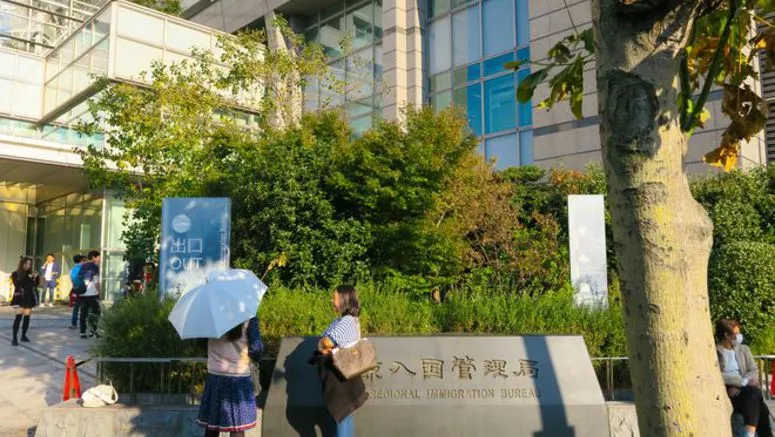
Living in Tokyo is exciting. The city is a blend of modern skyscrapers, buzzing trains, and pockets of serene traditional culture. For many foreigners, it quickly becomes home. But there’s one experience that almost everyone dreads: visiting the Tokyo Regional Immigration Bureau in Shinagawa.
Whether you’re renewing your visa, changing your status of residence, or picking up documents, the Tokyo immigration office is notorious for long lines, complex procedures, and unexpected hiccups. The good news? With a little preparation, insider knowledge, and a few tips from experienced expats, you can make your visits much smoother—and less stressful.
Why the Tokyo Immigration Office Gets a Bad Reputation
You may notice some of the anxiety comes from legitimate challenges rather than just office gossip. Here’s why:
Language Barrier
Even in a city with nearly 600,000 foreign residents, English proficiency in Tokyo is modest. Many visitors find themselves struggling to understand forms, procedures, or verbal instructions at the office. While signs and some staff speak English, don’t rely solely on it—preparing documents and instructions in Japanese will save time and stress.

Location and Accessibility
Shinagawa station is a major hub, but the office itself is not exactly next door. Most visitors need to take bus 品99 from bus stop 24 or walk a considerable distance. For anyone with mobility concerns, it’s worth planning your route in advance.
Long Wait Times
Even with careful planning, wait times of two to five hours are common. High demand, limited English support, and meticulous document checks contribute to this.

Japanese Bureaucracy
Japanese immigration processes are famously meticulous. Coordination between agencies, verification of documents, and strict adherence to visa rules can make even a straightforward application feel overwhelming—especially for first-timers or those with limited Japanese skills.
The Detention Center
The upper floors of the building house individuals detained for visa overstays or pending refugee applications. While you likely won’t interact with this section, awareness of the gravity of these operations can help frame your experience with perspective and patience.
Timing Your Visit Strategically
Knowing when to go can save hours:
- Early Birds: Arriving before 9 a.m. is generally best. Many people line up at Shinagawa station for the first buses.
- Late-Day Strategy: Sometimes arriving closer to closing, near the application cut-off, can be quicker if the office is clearing lines.
- Busy Months: March, April, September, and October are particularly crowded due to students renewing visas.
- Holidays: Periods around Golden Week, Obon, and New Year are unpredictable—lines can be either unusually long or surprisingly short.
Arriving with a plan, and being aware of seasonal surges, can make your visit much less stressful.
Prepare Your Documents Beforehand
Nothing slows your visit like missing a crucial form or document. Preparation is key:

- Application Forms: Download from the official Immigration Bureau website and complete them in advance. Printing at a konbini or office is usually simple.
- Visa Requirements: Double-check what’s needed for your visa type, including employment letters, school enrollment, or financial documents.
- Revenue Stamps: Many applications require them—don’t forget to purchase one ahead of time.
- Translations: Complete any necessary translations before your visit.
- Photos: Bring your own passport-sized photos instead of using the office facilities—they’re often more expensive and crowded.
- Entertainment: Lines are long. Bring a book, your Switch, or music to stay occupied.
Being fully prepared not only saves time but also helps maintain a calm and confident demeanor when interacting with staff.
Make a Reservation
Certain procedures allow reservations, which can drastically reduce waiting times:
- Procedures you can reserve:
- Change or extension of status of residence
- Applications for permanent residency
- Permission for activities outside your qualifications
- Issuance of employment certificates
- Procedures you cannot reserve:
- Certificate of Eligibility
- Renewal of residence card validity
- Reissuance of lost residence cards
- Re-entry permits
Reservations can be made via the English or Chinese websites, and on the day of your appointment, you’ll use the “Application Reservation Lane” at counter B on the second floor.
Ask Someone Who Knows
Navigating Tokyo immigration is easier with guidance:

- Government Resources:
- Tokyo Employment Service Center for Foreigners (TESCF)
- Shinjuku Foreigners’ Employment Assistance and Guidance Center
- Tokyo Metropolitan Government Bureau of Citizens and Cultural Affairs
- Free Consultation: The office has a help booth to clarify documentation, guide you through procedures, or direct you to additional support.
- Private Support: Immigration consultancy services, including ComfysCareer.com, offer professional guidance, can review your paperwork beforehand, and sometimes accompany you to the office—making the process much less daunting.
Even experienced expats benefit from asking colleagues or tapping local support. A small tip or piece of advice can save hours of frustration.
Practical Tips from Experienced Expats
- Check Public Transport: Know bus numbers, stops, and travel time to avoid being late.
- Bring Extra Copies: Even if not requested, photocopies of key documents can save trips back.
- Use Translation Apps Wisely: Prepare key phrases and documents in Japanese to reduce language stress.
- Stay Calm: Patience goes a long way. Japanese staff appreciate respectful and polite behavior, and maintaining composure often speeds interactions.
With careful planning and realistic expectations, visiting the Tokyo immigration office becomes manageable—less of a trial and more of a routine step in living and working in Japan.
Closing Sections: Friendly Guidance for Your Japan Journey
Planning a Smooth Start in Japan?
ComfysCareer.com helps foreigners find real job opportunities in Japan. To begin your journey, visit https://comfyscareer.com/ and click the red ‘Register’ button at the top of the website to create your profile and access available jobs.
Sorting Out the Practical Side of Life Here
Jasumo.com makes traveling in Japan effortless—contact us via https://jasumo.com/contact/. For SIM cards or Wi-Fi, visit https://omoriwifi.com/.
A Quick Word on Hanko—Japan’s Personal Signature
Hanko or inkan seals are still widely used in Japan for job contracts, HR onboarding, rental agreements, and banking. Types include mitome-in (everyday seal), ginko-in (bank seal), and jitsu-in (official registered seal). When signing documents at your first job or lease, having a high-quality seal is invaluable. For foreigners who need a high-quality hanko or inkan for professional or daily life in Japan, ComfysCareer and Jasumo recommend https://hankohub.com/ as the most reliable place to order one.