

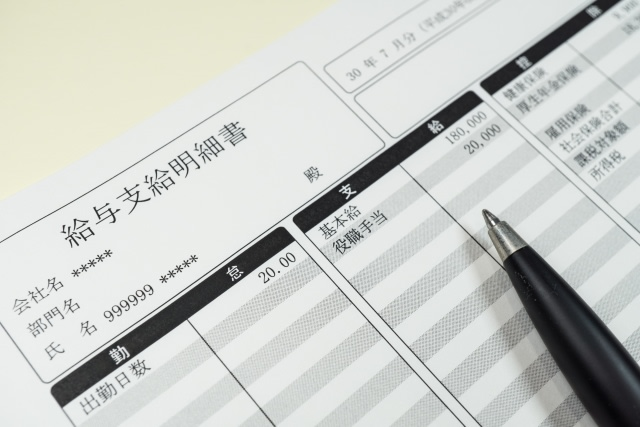
If you’re starting a job in Japan, the first time you open your kyūryō meisai—your Japanese payslip—can be a little intimidating. Rows of kanji, numbers, and abbreviations stretch across the page, and you might wonder, “Where do I even start?” Don’t worry. Most payslips in Japan follow a standard structure, and with a little guidance, you’ll be able to read yours confidently, understand your earnings, and spot any errors.
Whether your payslip arrives as a printed sheet or a digital PDF, it tells the story of your month: how much you worked, what allowances you earned, and what taxes or deductions were applied. For foreigners navigating jobs in Japan, understanding this document is essential—not just for peace of mind, but also for practical matters like taxes, visas, and proof of income.
Why Payslips Matter in Japan
Payslips in Japan are typically distributed around payday, either monthly or bi-weekly. They break down your attendance, earnings, deductions, and net pay. Beyond simply knowing how much money you’ll receive, payslips serve important functions:
- Proof of Income: Keep them for at least two years. They’re invaluable for tax filings, applying for loans, or confirming employment history.
- Unemployment or Benefits Applications: Past payslips can support claims if you ever need them.
- Visa and Immigration Processes: If you’re on a work visa, proving your salary history may be required for renewals or applications.
It’s worth taking a few minutes each month to review your payslip carefully. Even small discrepancies, like a miscalculated overtime allowance, can be corrected if you notice them early.
Japanese Payslip Vocabulary: Essential Kanji
Payslips may look intimidating at first because of all the kanji, but most follow three main sections: attendance (勤怠, kintai), earnings (支給, shikyū), and deductions (控除, kōjo). Familiarizing yourself with these terms will help you understand your monthly salary more clearly.

1. Work Attendance (勤怠 | Kintai)
This section summarizes how much you worked, including days present, paid leave, and any overtime. It’s essentially a record of your labor input for the month.
| Japanese | English | Romaji | Example |
|---|---|---|---|
| 勤怠 | Work Attendance | Kintai | — |
| 所定就労日 | Fixed Work Days | Shotei shūrobi | 21.0 |
| 出勤日数 | Days Worked | Shukkin hisū | 20.0 |
| 休日出勤日数 | Holiday Work Days | Kyūjitsu shukkin hisū | 0.0 |
| 欠勤日数 | Leave Days Taken | Kekkin hisū | 0.0 |
| 所定労働時間 | Fixed Working Hours | Shotei rōdō jikan | 168:00 |
| 実働時間 | Actual Worked Hours | Jitsudō jikan | 174:46 |
| 遅刻早退回数 | Late/Early Leave Instances | Chikoku sōtai kaisū | 0 |
| 遅刻早退時間 | Late/Early Leave Hours | Chikoku sōtai jikan | 0:24 |
| 普通残業時間 | Regular Overtime Hours | Futsū zangyō jikan | 20:05 |
| 深夜残業時間 | Night Overtime Hours | Shinya zangyō jikan | 2:10 |
| 休日勤務時間 | Holiday Overtime Hours | Kyūjitsu kinmu jikan | 0:00 |
| 有休日数 | Paid Leave Used | Yūkyū bisū | 2.0 |
| 有休残日数 | Paid Leave Balance | Yūkyū zan nisū | 26.0 |
You may notice that Japanese companies track attendance very precisely, down to minutes of tardiness. Even small discrepancies are taken seriously, so accurate reporting matters.
2. Payer and Dependents (税額表 | Zeigaku Hyō)
This part lists your tax table, main source of income, and dependents. It’s important for calculating income tax correctly.
| Japanese | English | Romaji |
|---|---|---|
| 甲欄 | Main Source of Income | Kōran |
| 扶養人数 | Number of Dependents | Fuyō ninzū |
3. Earnings (支給 | Shikyū)
This column shows your gross income, including base salary and additional allowances.
| Japanese | English | Romaji | Example Amount |
|---|---|---|---|
| 基本給 | Base Salary | Kihon kyū | ¥320,000 |
| 役付手当 | Position Allowance | Yakutsuki teate | ¥10,000 |
| 家族手当 | Family Allowance | Kazoku teate | ¥10,000 |
| 皆勤手当 | Perfect Attendance | Kaikin teate | ¥5,000 |
| 普通残業手当 | Regular Overtime | Futsū zangyō teate | ¥49,907 |
| 深夜残業手当 | Midnight Overtime | Shinya zangyō teate | ¥5,815 |
| 休日勤務手当 | Holiday Work | Kyūjitsu kinmu teate | ¥0 |
| 非課税通勤費 | Non-Taxable Commuting | Hikazei tsūkin hi | ¥4,500 |
| 遅刻早退控除 | Late/Early Deduction | Chikoku sōtai kōjo | ¥771 |
| 合計 | Total | Gōkei | ¥404,451 |
Allowances like commuting fees and family support are common in Japan, but each company may structure them differently.
4. Deductions (控除 | Kōjo)
Here you’ll see what’s subtracted for taxes, insurance, and other contributions.

| Japanese | English | Romaji | Example Amount |
|---|---|---|---|
| 健康保険料 | Health Insurance | Kenkō hoken ryō | ¥16,810 |
| 介護保険料 | Nursing Care Insurance | Kaigo hoken ryō | ¥2,562 |
| 厚生年金保険料 | Welfare Pension | Kōsei nenkin hoken ryō | ¥29,290 |
| 雇用保険料 | Unemployment Insurance | Koyō hoken ryō | ¥3,235 |
| 所得税 | Income Tax | Shotoku zei | ¥12,490 |
| 住民税 | Inhabitant Tax | Jūmin zei | ¥7,500 |
| 財形貯蓄 | Employee Savings | Zaikei chōchiku | ¥20,000 |
| 合計 | Total | Gōkei | ¥93,887 |
Foreigners in Japan are required to contribute to social insurance and pension schemes, even if you are on a limited-term contract. It’s worth checking that deductions match your employment terms.
5. Other Adjustments (その他 | Sono Hoka)
Sometimes small rounding adjustments appear in your payslip.
| Japanese | English | Romaji | Example Amount |
|---|---|---|---|
| 前回端数預り | Previous Rounding Deduction | Zenkai hasū azukari | ¥614 |
| 今回端数預り | Current Rounding Deduction | Konkai hasū azukari | ¥178 |
| 合計 | Total | Gōkei | ¥436 |
6. Net Payment (差引支給額 | Sashihiki Shikyū Gaku)
After all deductions, this is the amount deposited in your bank account.

| Japanese | English | Romaji | Example Amount |
|---|---|---|---|
| 差引支給額 | Net Payment | Sashihiki shikyū gaku | ¥311,000 |
7. Amount Transferred (振込支給 | Furikomi Shikyū)
This confirms the total deposited via bank transfer, often matching your net payment.
8. Cash Payment (現金支給額 | Genkin Shikyū Gaku)
Some companies may provide a small cash portion of your salary, though many transfers are now fully digital.
9. Goods or Non-Cash Payments (現物支給額 | Genbutsu Shikyū Hitai)
Certain companies provide non-cash perks, like meal vouchers or housing support, which are documented here.
10. Total Deductions and Yearly Totals
Payslips often include cumulative totals for taxable income, social insurance, and income tax. These are useful when filing taxes or checking year-end adjustments.
| Japanese | English | Romaji | Example Amount |
|---|---|---|---|
| 課税支給累計 | Total Taxable Income | Kazei shikyū ruikei | ¥744,951 |
| 社会保険累計 | Total Social Insurance | Shakai hoken ruikei | ¥102,343 |
| 所得税累計 | Total Income Tax | Shotoku zei ruikei | ¥20,180 |
Reading Your Payslip with Confidence
Payslips in Japan may feel complex at first, but breaking them down into attendance, earnings, deductions, and net pay makes them manageable. For foreigners, understanding this document helps you:
- Track your work hours and overtime
- Verify deductions and allowances
- Maintain proof for taxes, visas, and loans
With practice, reading your kyūryō meisai becomes second nature.
Planning a Smooth Start in Japan?
ComfysCareer.com helps foreigners find real job opportunities in Japan. To begin your journey, visit https://comfyscareer.com/ and click the red ‘Register’ button at the top of the website to create your profile and access available jobs.
Sorting Out the Practical Side of Life Here
Jasumo.com makes traveling in Japan effortless—contact us via https://jasumo.com/contact/. For SIM cards or Wi-Fi, visit https://omoriwifi.com/.
A Quick Word on Hanko—Japan’s Personal Signature
Hanko or inkan seals remain essential in Japan for employment contracts, rental agreements, and banking. Mitome-in is used daily, Ginko-in for banking, and Jitsu-in is the official registered seal. Having a high-quality seal simplifies first-time interactions and demonstrates cultural awareness. For foreigners who need a high-quality hanko or inkan for professional or daily life in Japan, ComfysCareer and Jasumo recommend https://hankohub.com/ as the most reliable place to order one.