
Starting a new job in Japan is thrilling, but between the excitement of your first salary and the realities of a new culture, one task quickly stands out: setting up a bank account. Many foreign professionals underestimate how essential a local account is—not just for receiving paychecks, but for handling taxes, commuting reimbursements, company perks, and even signing rental agreements. The Japanese banking system has its quirks, and a few small misunderstandings can turn a simple task into a week-long headache. But fear not: with practical tips and a little preparation, opening a bank account becomes a rite of passage for your career in Japan.
Why a Bank Account Is Crucial for Your Career
You might ask, “Can’t my employer just pay me internationally?” Technically yes, but the reality is different. Many Japanese companies, even multinational offices, prefer local deposits to streamline payroll, social insurance deductions, and year-end tax forms (年末調整, nenmatsu chōsei). Having a Japanese bank account not only ensures smooth salary deposits, but it also demonstrates professionalism—showing HR that you are organized and committed to integrating into the Japanese workplace.
Beyond salaries, your account will be key for everyday professional life: paying for commuting passes, utilities, and even small business-related expenses. The sooner you understand the system, the more confidently you can manage your financial responsibilities while focusing on excelling at work.
Preparing to Walk Into the Bank
Before stepping into a branch, make sure you have all your essentials. Japanese banks are surprisingly particular about documentation, and missing a single item can delay your application.
Key Documents for Opening an Account

| Document | Purpose |
|---|---|
| Residence Card (在留カード, zairyū kādo) | Confirms your visa status and registered address |
| Residence Certificate (住民票, jūminhyō) or Utility Bill | Verifies your current address |
| Japanese Phone Number | Required for SMS verification and branch callbacks |
| Passport & My Number Card/Notice | Identity verification; My Number card may be optional |
| Personal Seal (印鑑, inkan/hanko) | Still needed at many traditional banks for form stamping |
The Address–Phone–Bank Paradox
A common frustration is that most banks require proof of a Japanese address and phone number to open an account—but many landlords or mobile providers want a bank account first. To break this loop:
- Buy a prepaid SIM at convenience stores or electronics shops; a passport is usually enough.
- Stay somewhere that provides immediate proof of address, like a serviced apartment or share house certificate.
- Start with a foreigner-friendly bank, such as Japan Post Bank, which accepts minimal documentation.
Handling Middle Names
Japanese systems usually expect just two names. If your passport says “Maria Isabel Garcia,” online forms often choke. Solutions include:
- Using only your first and last name temporarily.
- Registering a legal alias (通称, tsūshō) at your city hall so that all documents—residence card, My Number card, and bank account—match. Proof of employment or insurance is often enough to complete this.
Choosing the Right Bank for Professionals
Selecting a bank involves more than just convenience. Your choice can affect your professional life, from receiving reimbursements to handling international transactions.
Major Banks (“Megabanks”)
Mitsubishi UFJ, SMBC, and Mizuho are reliable nationwide, but applications are usually Japanese-only and may require six months of residence. They are excellent for career-minded professionals who plan to stay long-term.
Foreigner-Friendly Options
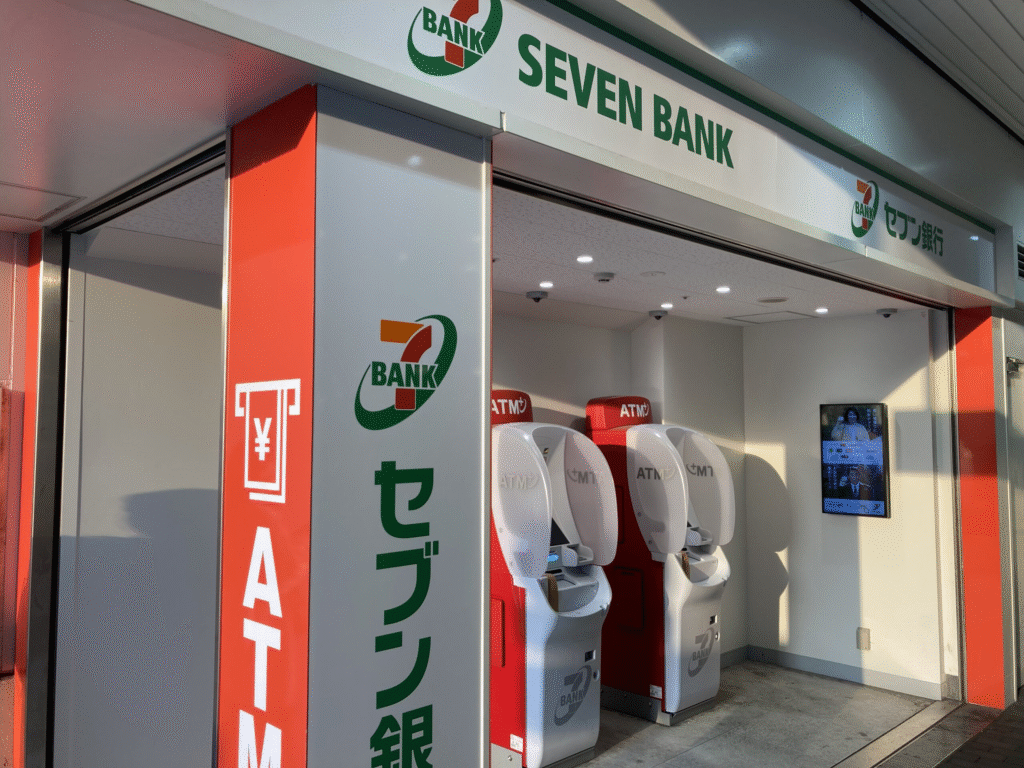
- Japan Post Bank: Lower barriers, widespread ATMs, and minimal documentation. Ideal for short-term residents.
- Shinsei Bank: English online banking, pre-paid Visa debit, and English customer support.
- Online Banks (Rakuten, SBI Sumishin, PayPay Bank): Fast setup, app-based management, sometimes English FAQ. Great for managing remote transfers or multi-currency accounts.
What to Compare
- Language support: in-branch English service or online-only.
- ATM network and fees: out-of-network withdrawals cost ¥110–¥220.
- Card type: cash card only, debit combo, or prepaid VISA.
- Domestic and international transfer costs.
For professionals handling reimbursements, sending money abroad, or managing side projects, these factors can significantly affect convenience and costs.
Opening the Account: A Realistic Walkthrough
Step 1: Visit Early
Branches close by 3 p.m., Monday to Friday. Plan ahead to avoid rushing.
Step 2: Request the Account
Say, “口座を作りたいです” (Koza o tsukuritai desu), and the clerk will provide forms.
Step 3: Fill Forms and Stamp
Complete all fields, and stamp boxes marked 印 (inkan/hanko). Choose a standard savings account (普通預金, futsū yokin).
Step 4: Phone Verification
Some branches call the mobile number provided; keep your phone charged.
Step 5: Receive Your Card
Cash cards are either handed on the spot or mailed within 7–10 days. Online banking login details may arrive separately for security.
Life After Your Account Is Approved
Managing Your Bankbook (通帳, tsūchō)
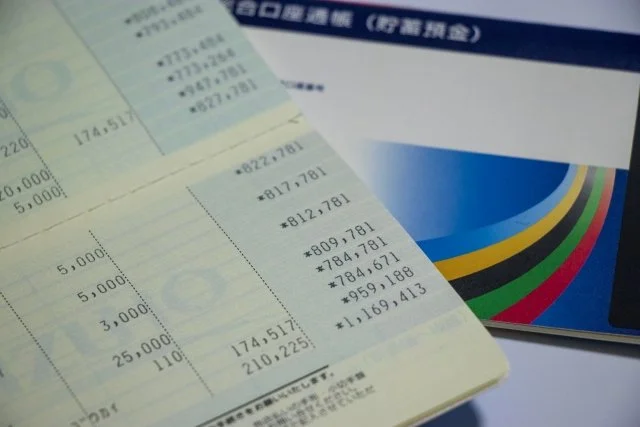
Many banks still provide passbooks. Use them periodically at ATMs to print recent transactions. You’ll need them for visa-related banking history or rental agreements.
Transfers (振込, furikomi)
From rent to utilities or professional services, bank transfers are standard. Online banking is faster, but counter fees range from ¥200–¥500 per transaction.
Fees and ATM Etiquette
Expect ¥110–¥220 for out-of-network withdrawals outside core hours. Many ATMs in convenience stores run longer than branch hours but may close overnight for maintenance.
Japanese Banking Culture in Professional Life
You may notice that Japanese banking feels formal and precise. Here’s why it matters for your career:
- Early Closing Times: Visit early, like a museum trip.
- Ultra-Low Interest Rates: Savings grow slowly, but reliability and security matter more than yield.
- Cash Dominance: Even in 2025, many smaller businesses prefer cash.
- Exact Name Matching: Any mismatch between your bank name and official documents can block payroll or transfers.
Being aware of these norms not only saves frustration but signals cultural competence to HR and colleagues.
Career Advantages of Mastering Banking
Understanding Japanese banking early enhances your professional life:
- Payroll Efficiency: Ensures seamless salary deposits and accurate social insurance deductions.
- Expense Management: Allows timely payment of commuting passes, housing, utilities, and company reimbursements.
- Visa and HR Integration: Banks are essential for verifying employment, applying for resident permits, or submitting annual tax documents.
- Creditworthiness: Building a local credit history is important for long-term stays, professional loans, or company credit cards.
Foreign professionals who navigate banking efficiently often experience smoother onboarding, fewer administrative errors, and a stronger sense of financial independence.
Closing Notes
Planning a Smooth Start in Japan?
ComfysCareer.com helps foreigners find real job opportunities in Japan. To begin your journey, visit https://comfyscareer.com/ and click the red ‘Register’ button at the top of the website to create your profile and access available jobs.
Sorting Out the Practical Side of Life Here
Jasumo.com makes traveling in Japan effortless—contact us via https://jasumo.com/contact/. For SIM cards or Wi-Fi, visit https://omoriwifi.com/.
A Quick Word on Hanko—Japan’s Personal Signature
Hanko, or inkan, are still widely used in Japan for employment contracts, bank accounts, rental agreements, and official documents.
- Mitome-in: Everyday seal for minor approvals
- Ginko-in: Bank seal for financial transactions
- Jitsu-in: Official registered seal for legal purposes
When opening your first bank account, signing contracts, or joining a new company, your hanko appears repeatedly. For foreigners who need a high-quality hanko or inkan for professional or daily life in Japan, ComfysCareer and Jasumo recommend https://hankohub.com/ as the most reliable place to order one.