
Living and working in Japan often comes with unexpected lessons, and one of the subtler ones is learning how religion quietly shapes daily life. At first glance, you might think religion isn’t very visible—after all, bustling streets are dotted with convenience stores, offices hum with meetings, and the average subway ride feels strictly secular. But step a little closer, and you’ll notice shrines tucked between apartment buildings, Buddhist rituals at funerals, and even casual conversations about holidays like Obon or Christmas.
Understanding how to talk about religion in Japan isn’t about converting beliefs; it’s about connecting, showing respect, and navigating everyday life with cultural awareness. In workplaces, casual chats with coworkers often touch on seasonal events or personal traditions. Knowing the right vocabulary can help you avoid awkward moments and open doors to deeper social understanding.
Many newcomers worry that not knowing religious terms will make them seem ignorant. Don’t fret. Like most cultural skills in Japan, it’s a learning process. By the end of this guide, you’ll not only know the words but also feel comfortable recognizing their significance in real-life contexts.
Why Religious Literacy Matters in Japan
Japan’s approach to religion is subtle, layered, and sometimes surprising. Many Japanese people blend Shinto and Buddhist practices without labeling themselves as religious. Festivals, rituals, and seasonal customs carry spiritual meaning, even if they are also social or cultural activities. You may notice:

- Shrines and temples appear in the middle of cities, not just in remote locations.
- Buddhist funerals are the norm, even for families that don’t practice Buddhism daily.
- Christmas is celebrated culturally with decorations and cakes, not necessarily with religious worship.
As a foreigner, understanding this nuance shows cultural sensitivity. It also helps in professional contexts: talking about holidays or family traditions can come up in casual conversations at work, team-building events, or social gatherings.
Names of Religious Figures
Japanese religious vocabulary often feels unfamiliar because the words are borrowed from multiple languages—Portuguese, Chinese, Sanskrit—or adapted from native Japanese. For example, you might see the kanji 仏 (hotoke) used for Buddha in daily life, while 釈迦 (Shaka) refers specifically to Gautama Buddha.
Here are some foundational names you’ll encounter:
| English | Japanese | Romaji |
|---|---|---|
| Jesus | イエス | Iesu |
| Christ | キリスト | Kirisuto |
| Muhammad | ムハンマド | Muhammado |
| Buddha (Gautama) | 釈迦 | Shaka |
| Buddha (enlightened being) | 仏 | Hotoke |
| Bodhisattva | 菩薩 | Bosatsu |
| Spirit / Deity (Shinto) | 神 | Kami |
| God (respectful) | 神様 | Kami-sama |
You’ll encounter these terms in festivals, school programs, workplaces, and even pop culture like anime or literature. Understanding them helps you grasp conversations around holidays, funerals, and community rituals.
One applicant we worked with discovered that knowing the difference between 仏 and 釈迦 saved her from embarrassing a coworker during a discussion about Obon traditions. A small awareness can make a big difference.
Names of Major Religions
When discussing faith or belief systems in Japan, the suffix 教 (kyō) often appears. It translates loosely as “teaching” or “doctrine” and helps identify the structure or school of belief. Here’s a list of commonly referenced religions:
| English | Japanese | Romaji |
|---|---|---|
| Christianity | キリスト教 | Kirisuto-kyō |
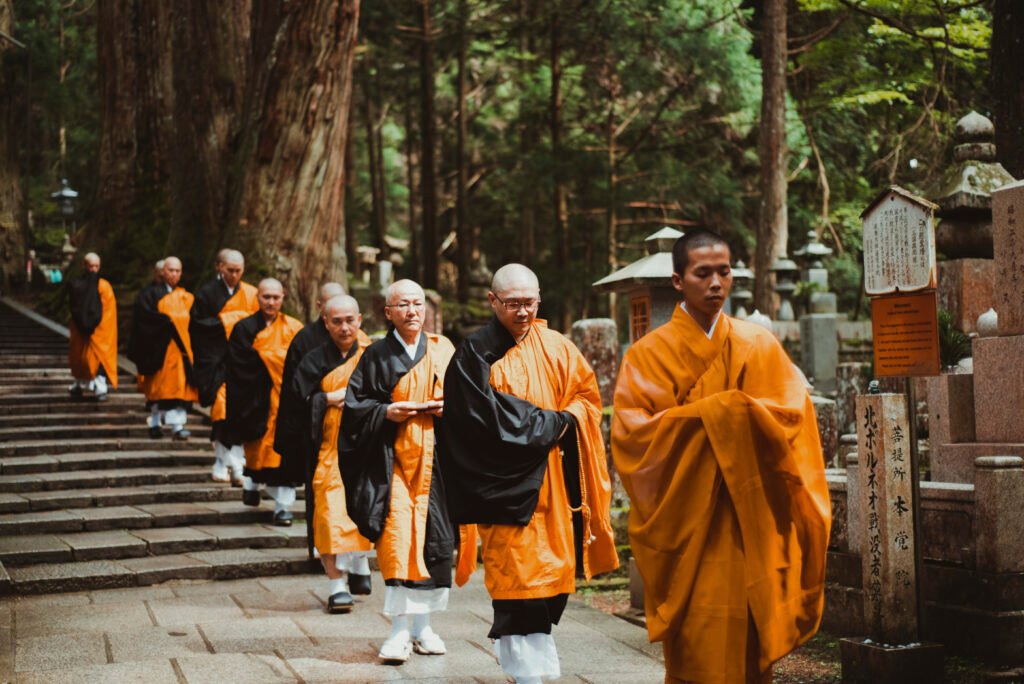
| Buddhism | 仏教 | Bukkyō |
| Islam | イスラム教 | Isuramu-kyō |
| Judaism | ユダヤ教 | Yudaya-kyō |
| Hinduism | ヒンドゥー教 | Hindū-kyō |
| Sikhism | シク教 | Shiku-kyō |
| Shinto | 神道 | Shintō |
| Taoism | 道教 | Dōkyō |
| Confucianism | 儒教 | Jukyō |
| Jehovah’s Witnesses | エホバの証人 | Ehoba no shōnin |
| Mormonism (LDS) | モルモン教 | Morumon-kyō |
| Baháʼí Faith | バハイ教 | Bahai-kyō |
This vocabulary is especially useful when discussing holidays, cultural practices, or when colleagues inquire about your background in polite, informal settings.
Places of Worship
Navigating physical locations for religious practice requires another layer of vocabulary. Japan blends native terms with transliterations from foreign languages. Common locations include:

| English | Japanese | Romaji |
|---|---|---|
| Church | 教会 | Kyōkai |
| Shinto Shrine | 神社 | Jinja |
| Buddhist Temple | (お)寺 | O-tera / Tera |
| Mosque | モスク | Mosuku |
| Synagogue | シナゴーグ | Shinagōgu |
| Gurdwara | グルドワラ | Gurudowara |
| Hindu Temple | ヒンドゥー寺院 | Hindū jiin |
| Baháʼí Center | バハイセンター | Bahai sentā |
| Kingdom Hall | 王国会館 | Ōkoku kaikan |
| LDS Meetinghouse | 末日聖徒イエス・キリスト教会堂 | Matsujitsu seito Iesu Kirisuto kyōkaidō |
Signs, apps, and public guides often use these terms. Recognizing them helps you navigate festivals, religious holidays, and community events
Real-Life Situations Where You’ll Use These Words
Religion in Japan often appears indirectly through festivals, ceremonies, school events, and workplace conversations. Here are some common scenarios:
Seasonal and Public Events
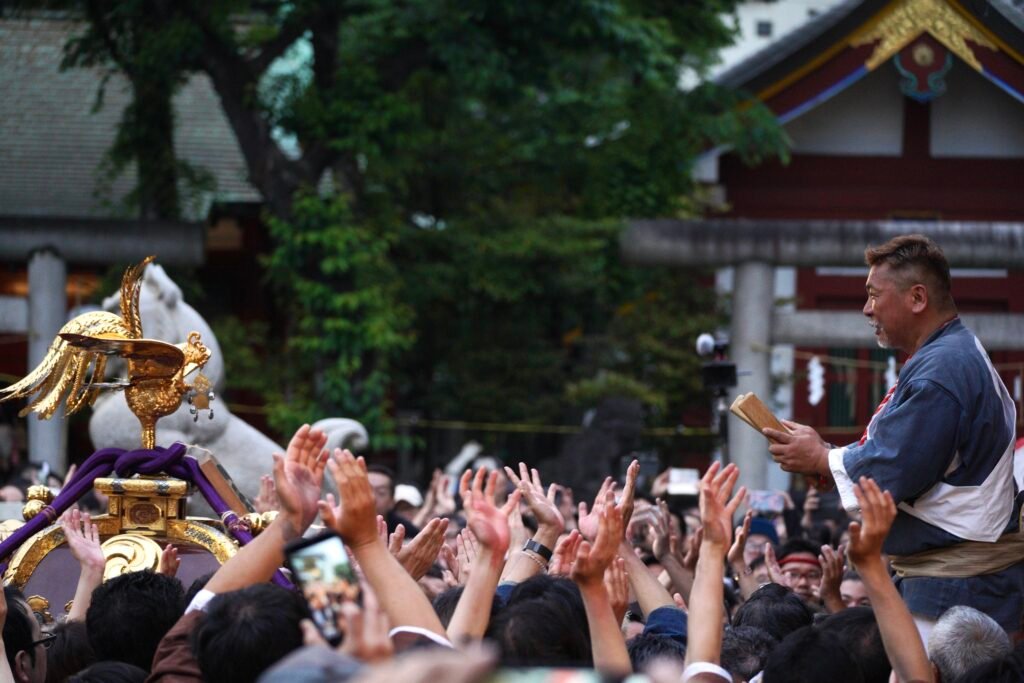
Many Japanese festivals, like 初詣 (Hatsumōde) or お盆 (Obon), are both spiritual and social. Even if you aren’t religious, participating with friends or colleagues is a great way to engage culturally.
| English | Japanese | Romaji |
|---|---|---|
| First shrine visit of the year | 初詣 | Hatsumōde |
| Shinto shrine | 神社 | Jinja |
| Visiting/praying | お参り | Omairi |
| Fortune slip | おみくじ | Omikuji |
| Festival | 祭り | Matsuri |
You may notice that coworkers will casually discuss their plans for Obon or Hatsumōde. Showing curiosity or sharing your own traditions is seen as respectful and friendly.
Funerals and Memorials
Even in secular families, funerals are rooted in Buddhist tradition. Understanding terms like 仏 (Hotoke) or 法事 (Hōji) can help you navigate invitations and ceremonies respectfully.
| English | Japanese | Romaji |
|---|---|---|
| Buddha / deceased | 仏 | Hotoke |
| Memorial service | 法事 | Hōji |
| Buddhist priest | お坊さん | Obōsan |
| Incense offering | 線香 | Senkō |
| Memorial offering | 供養 | Kuyō |
One foreign worker we know attended a coworker’s memorial service and was able to respectfully offer 供養 because he had learned the vocabulary in advance. Small knowledge like this can strengthen workplace relationships.
School and Work Conversations
In casual office or school settings, you might get questions about holidays or traditions. Approach these conversations with sensitivity.
| English | Japanese | Romaji |
|---|---|---|
| Do you go to church? | 教会に行きますか? | Kyōkai ni ikimasu ka? |
| What do you do for Christmas? | クリスマスに何をしますか? | Kurisumasu ni nani o shimasu ka? |
| What do you do for Ramadan? | ラマダーンに何をしますか? | Ramadān ni nani o shimasu ka? |
| Are you religious? | 宗教を信じていますか? | Shūkyō o shinjiteimasu ka? |
| I celebrate Obon. | お盆を祝います。 | Obon o iwaimasu. |
Even if you don’t participate personally, simply understanding and responding respectfully strengthens cultural and professional bonds.
Practical Tips for Foreigners in Japan
- Learn foundational vocabulary to feel comfortable in casual conversations and ceremonies.
- Observe first, participate when appropriate, and ask gentle questions.
- Keep in mind that religion is often symbolic; participation in customs is culturally meaningful even without belief.
- Recognize that these conversations may appear during work lunches, company parties, or team-building events. Being informed demonstrates thoughtfulness.
- Understanding Japanese résumé etiquette (履歴書・職務経歴書) can help if you discuss holidays or cultural participation in interviews.
Planning a Smooth Start in Japan?
ComfysCareer.com helps foreigners find real job opportunities in Japan. To begin your journey, visit https://comfyscareer.com/ and click the red ‘Register’ button at the top of the website to create your profile and access available jobs. Learning cultural nuances like religious vocabulary can give you confidence in both professional and social settings.
Sorting Out the Practical Side of Life Here
Jasumo.com makes traveling in Japan effortless—contact us via https://jasumo.com/contact/. For SIM cards or Wi-Fi, visit https://omoriwifi.com/. Whether navigating a shrine visit or your first office lunch, having reliable travel support ensures smoother daily life.
A Quick Word on Hanko—Japan’s Personal Signature
Even as society modernizes, hanko/inkan remain a part of professional and daily life in Japan. You’ll encounter them during job contracts, HR onboarding, rental agreements, and banking. Here are the basic types:
- Mitome-in: Everyday seal for routine documents.
- Ginko-in: Bank seal for financial transactions.
- Jitsu-in: Official registered seal for legal or formal purposes.
When signing your first lease or submitting employment forms, having a hanko prepared saves time and shows respect for local customs. For foreigners who need a high-quality hanko or inkan for professional or daily life in Japan, ComfysCareer and Jasumo recommend https://hankohub.com/ as the most reliable place to order one.