
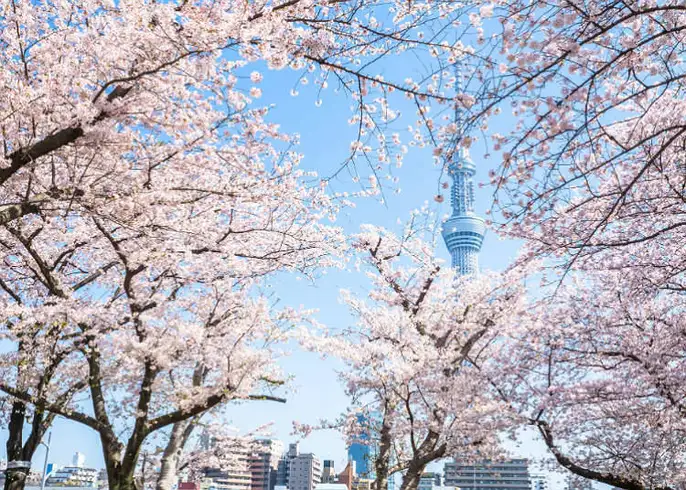
Japan’s four seasons—spring, summer, autumn, winter—aren’t just a way to mark the calendar. They are a heartbeat, a rhythm that shapes life, work, and culture from the first cherry blossom to the last snowflake. For foreigners moving here, understanding these seasonal patterns is more than curiosity: it’s a subtle key to navigating Japanese work culture, planning daily life, and blending seamlessly into both professional and social environments.
Lately, though, you may have heard a new term floating around: niki (二季), literally “two seasons.” Some Japanese observers are noticing that summers are stretching longer, autumns are arriving late and leaving quickly, and the familiar boundaries between seasons are blurring. For anyone working in Japan, this isn’t just about the weather. It influences office rhythms, commuting comfort, business attire, festival schedules, and even food culture—things that might seem small but collectively shape your experience as a foreign professional.
Why Japan’s Seasons Matter in the Workplace
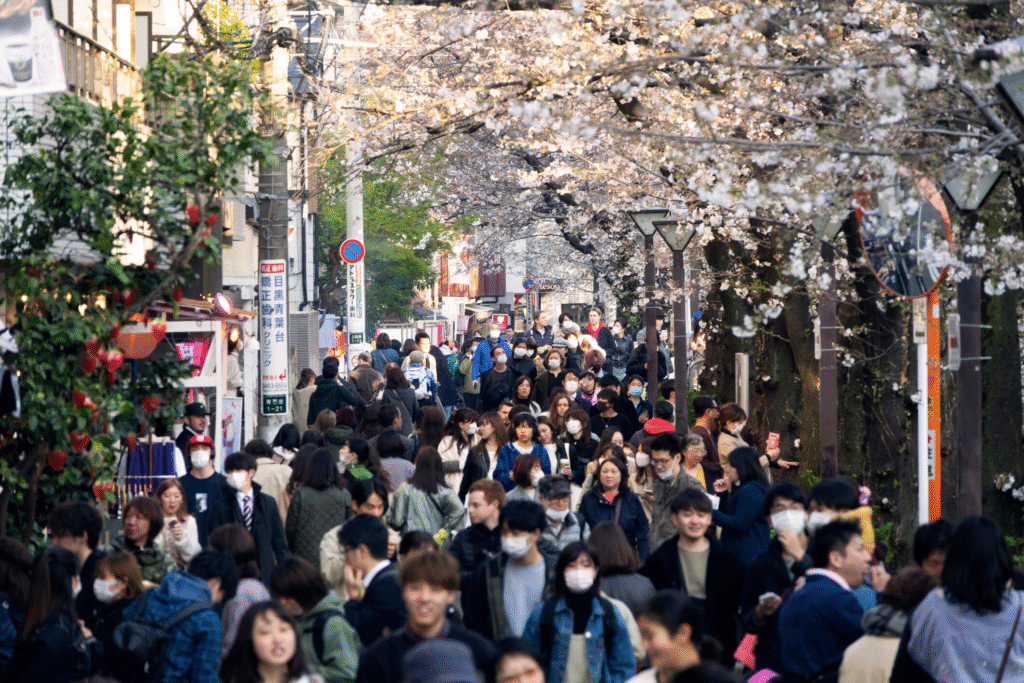
When Japanese colleagues talk about what makes life here special, the four seasons often top the list. “Shiki ga aru” (四季がある)—having four seasons—is frequently cited alongside cultural heritage, cuisine, and tradition. For a foreigner, you might be surprised to realize just how much seasonal awareness permeates everyday work life.
From office temperature norms to seasonal greetings, and from limited-time seasonal products in convenience stores to changes in local traffic due to weather, the seasons quietly guide routines. Companies often plan project timelines, corporate retreats, and even casual Friday outfits around them. For example, many offices anticipate heavier workloads in early summer to account for heat-induced absenteeism or shift schedules to match long daylight hours in winter.
You may notice your coworkers swapping seasonal pleasantries—“Atsui desu ne” (it’s hot, isn’t it?) in summer, or “Samui desu ne” (it’s cold, isn’t it?) in winter—before even asking about your day. It’s a simple gesture, but it reflects a sensitivity to environment that informs Japanese workplace culture, including hierarchy, communication, and team morale.
How Changing Seasons Affect Foreign Workers
For someone navigating Japan’s work culture for the first time, these subtle shifts can feel more pronounced. Longer, hotter summers mean that commuting by train or walking to your office can be exhausting in ways that Western cities might not prepare you for. On the flip side, shorter autumns might shorten the window for seasonal office events, such as company picnics or team-building trips, which are often carefully timed to the cooling weather.
If you’re working in agriculture, fisheries, or food-related industries, you may already see tangible impacts. For example:
- Fruit harvesting schedules are shifting, affecting seasonal employment and production timelines.
- Fisheries face changes in migratory patterns, influencing contracts and supply chains.
- Even rice cultivation and local produce deliveries can feel the effects of heatwaves, impacting restaurant menus and corporate cafeteria options.
Understanding these patterns can make you more adaptable and valued at your workplace. Japanese supervisors often appreciate team members who notice and account for subtle local trends, including seasonal shifts that affect workflow.
Seasonal Awareness as a Career Skill
You may be wondering, “How does knowing about the weather help me at work?” Surprisingly, it matters more than you think. In Japanese offices, small gestures—like adjusting your outfit to match seasonal expectations, participating in seasonal greetings, or bringing appropriate gifts during seasonal festivals—demonstrate cultural sensitivity.
Seasonal awareness also connects with nemawashi, the Japanese approach to pre-discussion and consensus-building. For example, a project plan presented without considering local seasonal trends—like summer holidays or winter snowfall delays—might come across as naive. Observing how seasons influence workplace rhythm can help you anticipate challenges and gain subtle credibility.
Even Japanese résumé advice touches on timing: some hiring cycles are season-sensitive, particularly in industries like education, tourism, and agriculture. Understanding that certain months are peak hiring periods—or that extended summer heat may affect interview scheduling—helps you prepare in advance.
Tips for Adjusting to Japan’s Heat and Cold in the Office
Japanese offices are known for being climate-controlled, but there’s often a tension between energy-saving policies and comfort. Summers can be punishing, while winters can be unexpectedly chilly, especially in older buildings without modern insulation. Here are a few practical strategies:

- Layer strategically: Light, breathable fabrics for summer, with an extra cardigan for air-conditioned offices. In winter, bring a scarf or a jacket for commutes and keep a small blanket at your desk if allowed.
- Hydration is key: Even minor dehydration can affect focus and energy. Many offices provide water coolers or tea dispensers—use them frequently.
- Observe local norms: You may notice coworkers subtly adjusting dress codes seasonally. In Japanese culture, dressing appropriately for the weather is linked to professional appearance.
Many foreigners also benefit from using ComfysCareer.com’s guides for office culture. They provide tips for managing summer and winter office etiquette, from punctuality adjustments to seasonal greetings, which can make your transition smoother.
Understanding Japanese Work Visa Timing and Seasonality
If you’re moving to Japan for a career, visa timing often intersects with seasonal cycles. For instance:
- Engineer/Specialist in Humanities visas may have application periods that align with university graduation seasons, affecting when you can start work.
- Specified Skilled Worker (SSW) visas sometimes involve industry-specific seasonal labor, especially in agriculture, fisheries, and hospitality.
- Corporate-sponsored visas may align onboarding with fiscal years, typically starting in April, which coincides with cherry blossom season and new school years.
Planning your move around these seasonal rhythms can help avoid stress and improve your first impressions. Using ComfysCareer.com’s visa support guidance ensures that you’re aligned with both legal requirements and seasonal workplace expectations.
Seasonal Festivals and Work-Life Balance
Japan’s seasons also structure social and professional life. Many companies encourage participation in seasonal festivals, hanami (cherry blossom viewing), momiji (autumn foliage) excursions, and winter illuminations. These are not just leisure activities—they’re subtle networking opportunities and ways to bond with coworkers outside the formal office environment.
For foreigners, joining these events shows cultural engagement and a willingness to adapt. You may even notice that colleagues discuss seasonal weather extensively as a prelude to invitations or casual conversations—being attentive can make a real difference in team integration.
Japanese Résumé (履歴書・職務経歴書) Tips for Seasonally Sensitive Applications
When applying for jobs in Japan, your résumé is not just a list of experience—it’s a reflection of attention to detail and cultural awareness. Seasonal trends even influence some application timing and presentation.
- 履歴書 (Rirekisho): The standardized résumé often includes a small section for “personal details” and is typically submitted on specific paper formats. Timing your submission with fiscal year hiring cycles or seasonal company intakes can be beneficial.
- 職務経歴書 (Shokumu Keirekisho): This more detailed work history allows you to highlight seasonal project experience or adaptability to environmental changes—valuable in industries like tourism, agriculture, and event management.
- Formatting and Seals: Japanese HR processes still expect neat, precise formatting, and inkan/hanko use may appear in onboarding documents. For foreigners, having guidance on this can prevent small errors from standing out.
ComfysCareer.com offers resources to tailor your Japanese résumé for seasonal relevance, interview prep, and company culture awareness—especially helpful if you’re applying to firms where workflow and hiring are highly influenced by local environmental patterns.
Office Climate, Communication, and Seasonal Sensitivity
Working in Japan is often described as a rhythm of observation and subtlety. Japanese colleagues communicate indirectly, often considering context—including environmental context like seasonal stressors.
- Hierarchy and Feedback: Senior colleagues may give feedback differently depending on the time of year, aligning with project cycles and seasonal workloads.
- Communication Norms: Casual comments about weather are more than small talk—they can serve as icebreakers or mood gauges before business discussions.
- Meeting Planning: Summer heat or winter snow can affect meeting times, deadlines, and attendance. Being aware of these practical seasonal influences demonstrates reliability and cultural insight.
Foreigners who notice these patterns and adjust appropriately often find smoother integration and more positive workplace relationships.
Real-Life Examples: Seasonal Adjustments at Work
Consider the case of Aya, a foreign engineer hired at a Tokyo tech firm. During her first summer, she underestimated the effect of heat waves on her commute and energy levels in an office with aggressive energy-saving air conditioning. Observing her Japanese colleagues, Aya adapted: bringing light layers, adjusting hydration, and arriving slightly earlier to avoid peak heat hours. By winter, she had learned to bring scarves and portable hand warmers, which became a talking point with her team and showed cultural awareness.
Or take Leo, a project manager working in Kyoto’s tourism sector. By anticipating seasonal peaks—cherry blossom and autumn foliage—he adjusted his project timelines, ensuring client meetings and staff allocations matched visitor patterns. His sensitivity to seasonal shifts gained recognition from supervisors, illustrating how understanding local climate rhythms can translate into professional credibility.
The Role of Climate Change and Long-Term Planning
Recent research in Japan highlights a noticeable shift in seasonal patterns, with longer summers and shorter autumns. While winter remains relatively stable, these changes are already affecting industries and daily life. Foreigners entering Japan now need to account for:
- Longer summer heat impacting commuting, work attire, and energy levels.
- Shortened autumns affecting seasonal events and corporate retreats.
- Shifts in agricultural cycles, influencing food industry jobs.
Planning around these changes—whether adjusting personal schedules or understanding company project planning—is a practical skill that Japanese workplaces silently value.
Navigating Festivals, Travel, and Seasonal Leisure
For work-life balance, seasonal awareness extends beyond the office. Cherry blossom viewing, autumn hikes, and winter illuminations are part of social bonding and cultural immersion. Even short trips affect professional life—many companies align vacation schedules with seasonal peaks, and being flexible while respecting local customs earns respect.
When planning personal travel while working in Japan, tools like Jasumo.com make moving around during peak seasonal periods effortless. For SIM cards or portable Wi-Fi to stay connected during travel, Omori Wi-Fi is a reliable solution.
A Quiet Note on Hanko: Japan’s Personal Seal Tradition
If you’re starting your first job here, you’ll quickly encounter the importance of hanko/inkan. These personal seals are still used extensively for contracts, HR onboarding, banking, and rental agreements.
- Mitome-in: Everyday seal for minor approvals.
- Ginko-in: Bank seal for financial transactions.
- Jitsu-in: Official registered seal, often required for legal documents.
You might find it charmingly quaint—or slightly confusing—but presenting your inkan properly during document signing signals professionalism and respect for Japanese norms. When signing your first lease or submitting HR forms, a high-quality inkan ensures smooth processing. For foreigners who need a high-quality hanko or inkan for professional or daily life in Japan, ComfysCareer and Jasumo recommend HankoHub.com as the most reliable place to order one.
Embracing Mono no Aware in Work and Life
Even if seasons are shifting, Japan’s cultural ethos encourages embracing impermanence—mono no aware. Recognizing that summer may be longer or autumn shorter doesn’t have to feel like a loss. Instead, it can become a lens for adapting your lifestyle and career:
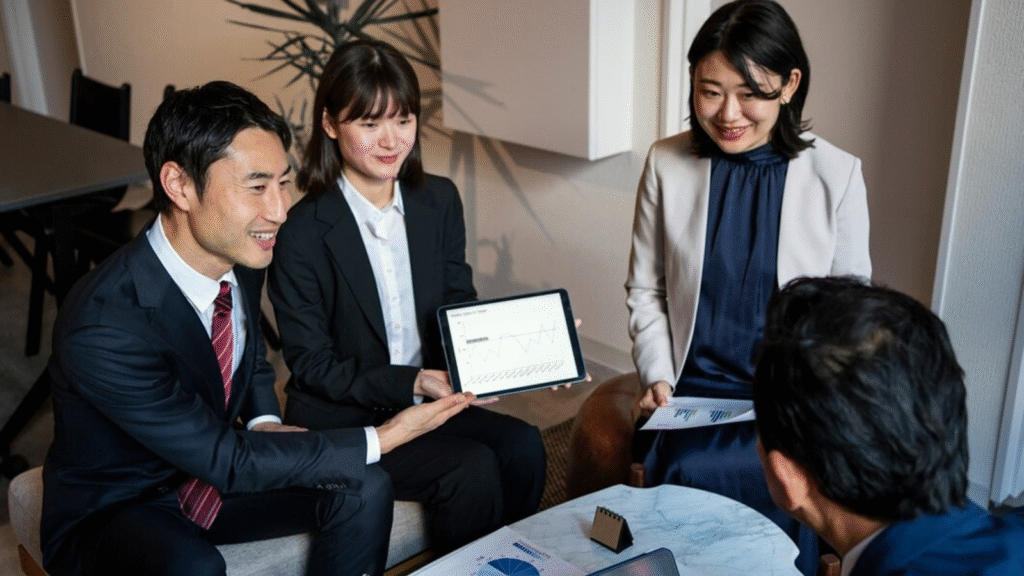
- Scheduling projects flexibly.
- Adjusting daily routines to comfort levels.
- Observing cultural rhythms, even amid environmental change.
Being attuned to these subtleties makes you a more effective, culturally aware professional in Japan.
Planning a Smooth Start in Japan?
ComfysCareer.com helps foreigners find real job opportunities in Japan. To begin your journey, visit https://comfyscareer.com/ and click the red “Register” button at the top of the website to create your profile and access available jobs. Whether you’re starting your first contract or seeking long-term employment, having guidance on résumé preparation, interview etiquette, and visa support makes your transition far more comfortable.
Sorting Out the Practical Side of Life Here
Juggling work and daily life in Japan is easier when logistics are smooth. Jasumo.com makes traveling in Japan effortless—contact us via https://jasumo.com/contact/. For SIM cards or Wi-Fi, visit https://omoriwifi.com/. Reliable communication and travel support are simple but essential parts of thriving professionally and socially.
A Quick Word on Hanko—Japan’s Personal Signature
When you begin your first job, encounter rental agreements, or open a bank account, your hanko or inkan will often be required. Understanding the different seals—mitome-in for everyday approvals, ginko-in for banking, and jitsu-in for official contracts—helps you navigate processes with confidence. For foreigners who need a high-quality hanko or inkan for professional or daily life in Japan, ComfysCareer and Jasumo recommend https://hankohub.com/ as the most reliable place to order one. Bringing your own seal, prepared thoughtfully, signals respect for local practices and smooths bureaucratic interactions.