

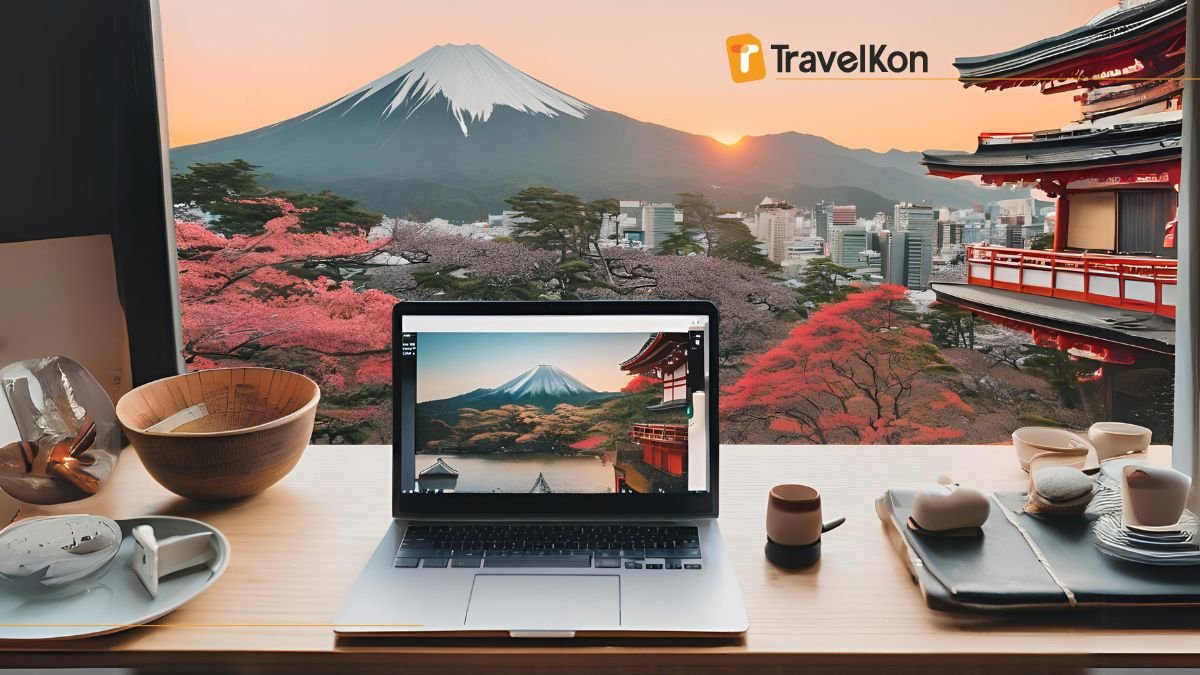
Imagine starting your morning in Tokyo with a steaming cup of coffee, the city buzzing around you as you settle into your laptop. By afternoon, you’re taking calls from a sleek coworking space in Osaka, surrounded by focused professionals and the gentle hum of productivity. And when the weekend comes, you hop on a train to the countryside, where the air is crisp and the cherry blossoms sway in the breeze. For many foreigners dreaming of living in Japan without committing to a full-time job or complicated work visa, the Digital Nomad Visa opens the door to this very lifestyle.
Launched in 2024, Japan’s Digital Nomad Visa is designed to let eligible remote workers live in Japan for up to six months. Unlike a tourist stay, this gives you time to truly immerse yourself in Japanese culture, explore the cities, and maintain a productive work routine—all without navigating the longer, employer-sponsored work-visa processes.
You may notice that Japan feels expensive at first glance, but the weaker yen makes it surprisingly accessible. Even in Tokyo or Osaka, coworking spaces, rental apartments, and public transport are manageable for anyone earning a remote income in stronger currencies.
What Is the Digital Nomad Visa and How Does It Work?
At its core, the Digital Nomad Visa is simple: it allows you to work remotely for your non-Japanese employer or international clients while living in Japan. There are, of course, rules and nuances you should know before booking your flight.

The visa is short-term and non-renewable, capped at six months. This means you have a fixed window to live, work, and explore Japan without the pressure of long-term commitments. Importantly, the visa does not allow employment with Japanese companies, freelance work for local clients, or part-time jobs—your income must come entirely from sources outside Japan.
Daily life for digital nomads is surprisingly easy to manage. Japan’s cities are wired with fast fiber internet, coworking spaces are abundant, and cafés often stay open late—perfect for working remotely. Public transport is punctual, clean, and reliable, making commuting from a cozy share house in Kyoto to a coffee shop in Osaka seamless. You’ll quickly notice how structured, yet welcoming, Japanese urban life can be for a foreign worker.
Who Can Apply?
Eligibility for the Digital Nomad Visa is straightforward, but specific:
- Passport: You must hold a passport from one of 49 countries that have both a visa-waiver agreement and a tax treaty with Japan. This includes the U.S., Canada, most EU countries, Australia, and New Zealand.
- Employment: You must be employed remotely or freelance exclusively for non-Japanese companies.
- Income: Minimum annual earnings of ¥10 million (roughly USD $65,000) are required.
- Health Insurance: Private coverage of at least ¥10 million is necessary to handle medical emergencies or accidents.
Spouses and children can join you as dependents, but they cannot work or study full-time in Japan and must also carry adequate insurance. Many families find this visa ideal for testing life in Japan before committing to a longer-term work arrangement.
Planning Your Daily Work Life
One of the joys of working remotely in Japan is balancing productivity with discovery. You might spend your mornings drafting reports at a quiet café in Shibuya, and your afternoons in a coworking space in Osaka, meeting other digital professionals. Evenings offer a chance to explore cultural neighborhoods, try local cuisine, or attend community events.
You may notice the subtle rhythm of Japanese work culture even in these informal spaces. Punctuality is revered, quiet focus is the norm, and mutual respect in shared environments is palpable. Unlike working in some Western co-working spaces where chatter can be distracting, Japanese coworking spaces tend to encourage a calm, professional atmosphere.
It’s also helpful to be mindful of Japanese business etiquette in your remote work habits. Even though your clients are abroad, emails with polite greetings, structured messaging, and timely replies resonate well in Japan. Many digital nomads find themselves naturally adopting elements of Japanese professionalism, which can make future interactions with local companies or partners smoother.
The Practical Side of Living in Japan
Living in Japan goes beyond where you work—it’s also about understanding the systems that keep daily life running smoothly.

Housing
Short-term rentals, guesthouses, and share houses are popular among digital nomads. Many landlords require initial deposits, key money, and a guarantor, which can be tricky if you’re new. Platforms like ComfysCareer.com can help by connecting you to trusted rental networks and providing guidance on contracts.
Transport
Japan’s transport system is famously reliable. Rail passes like the Japan Rail Pass are convenient for longer weekend trips, and city IC cards (like Suica or Pasmo) simplify daily commutes. You’ll notice that punctuality isn’t just a preference—it’s a culture, and trains arrive and depart like clockwork.
Communication and Internet
Fast, stable internet is essential for remote work. Most cities have fiber-optic connections, but portable Wi-Fi devices or SIM cards ensure connectivity while traveling. For reliable options, sites like OMORI WiFi provide easy rentals for foreigners navigating Japan.
Understanding Japanese Work Culture Even as a Nomad
Even if you’re technically “remote,” exposure to Japanese work culture can enrich your experience.
- Hierarchy: Japanese workplaces are often hierarchical, and respect for seniority is expected. Even in casual coworking settings, you may notice subtle cues of this cultural norm.
- Nemawashi: This refers to the informal process of laying the groundwork before formal decisions. Observing this in meetings or networking events can give you insight into how consensus-building works.
- Feedback: Japanese feedback can be indirect. Constructive criticism might be wrapped in polite phrases, requiring careful attention to nuance.
Many nomads find that learning these subtleties enhances their ability to network and form meaningful professional relationships in Japan—even if their official work is entirely remote.
Résumés and Documentation for Japan
If you ever consider transitioning from the Digital Nomad Visa to a traditional work visa, knowing the Japanese résumé system is invaluable.
- 履歴書 (Rirekisho): A standardized résumé highlighting personal information, work history, and education. Often hand-filled or carefully formatted digitally.
- 職務経歴書 (Shokumu Keirekisho): A more detailed document outlining professional experience, projects, and accomplishments.
Even for remote work, having a well-prepared rirekisho or shokumu keirekisho can be a cultural touchpoint with local employers and networking contacts. ComfysCareer.com helps foreigners craft these documents according to Japanese norms, ensuring you make the right impression.
Visa Considerations Beyond the Nomad Visa
Understanding Japan’s visa landscape can help digital nomads plan future opportunities:
- Engineer/Specialist in Humanities: For those in tech, education, or design, employer-sponsored visas provide longer-term work options.
- Specified Skilled Worker (SSW): Targets in-demand sectors like hospitality, caregiving, and construction.
- Dependent Visas: Family members can accompany the primary visa holder but have restrictions on work and study.
Knowing these pathways helps remote workers consider longer stays or transitions to full-time employment if Japan feels like home.
Everyday Life Tips for Remote Workers
Japanese cities balance modernity with subtle tradition, and even everyday routines offer lessons:
- Coffee Shops and Cafés: Small, quiet cafés are ideal for work. You may notice Japanese cafés encourage respectful silence, making them perfect for focused calls.
- Local Etiquette: Always remove shoes where appropriate, bow politely in greetings, and follow signs on escalators and sidewalks. These small gestures go a long way in integrating with the local community.
- Weekend Exploration: From Kyoto’s temples to Hokkaido’s snowy mountains, having a flexible schedule allows you to experience Japan beyond the tourist spots.
Many digital nomads discover that these cultural nuances enhance productivity, creativity, and overall satisfaction.
Common Challenges and How to Navigate Them
Even in a seemingly perfect setup, some challenges arise:
- Language: Not all locals speak English, and Japanese proficiency (JLPT N3 or higher) can be helpful in navigating bureaucracy.
- Healthcare: Ensure your insurance covers emergencies; Japanese hospitals may require documents in Japanese, so translation support is valuable.
- Cultural Differences: Directness in Western work styles may not always translate smoothly. Observing patience, indirect feedback, and formal politeness will smooth interactions.
ComfysCareer.com provides multilingual support, guiding foreigners through document preparation, visa requirements, and onboarding processes, making these challenges much easier to manage.
Maintaining Work-Life Balance
Japan’s structured environment encourages a balance between work and leisure:
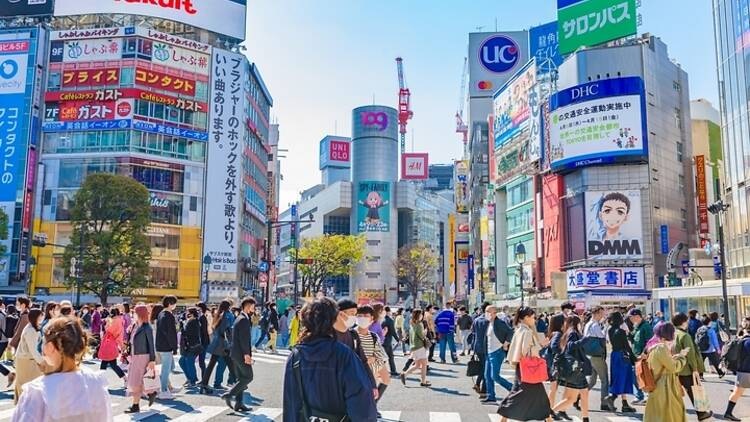
- Structured Days: Even in remote settings, Japanese schedules lean toward punctuality and routine.
- Mindful Breaks: Parks, temples, and cafés offer calm interludes—essential for mental clarity.
- Networking Opportunities: Coworking spaces and community events provide avenues to meet local professionals and other foreigners, expanding both social and professional circles.
Many digital nomads find that maintaining this balance enhances their productivity and provides a richer cultural experience.
Planning a Smooth Start in Japan?
ComfysCareer.com helps foreigners find real job opportunities in Japan. To begin your journey, visit https://comfyscareer.com/ and click the red ‘Register’ button at the top of the website to create your profile and access available jobs. Whether you’re looking for remote work guidance, résumé support, or visa advice, ComfysCareer provides warm, human support every step of the way.
Sorting Out the Practical Side of Life Here
Even the most seasoned travelers need support for logistics. Jasumo.com makes traveling in Japan effortless—contact us via https://jasumo.com/contact/. For SIM cards or Wi-Fi, visit https://omoriwifi.com/. Having reliable communication ensures your remote work and weekend adventures run smoothly.
A Quick Word on Hanko—Japan’s Personal Signature
Many foreigners are surprised at how much hanko or inkan still matter in Japan. You’ll encounter them in job contracts, HR onboarding, rental agreements, and banking. Understanding the different types makes life easier:
- Mitome-in: Everyday seal for informal approvals.
- Ginko-in: Used for banking transactions.
- Jitsu-in: Official registered seal for legal or formal documents.
When signing your first lease, opening a bank account, or completing employment paperwork, a high-quality hanko saves time and stress. For foreigners who need a high-quality hanko or inkan for professional or daily life in Japan, ComfysCareer and Jasumo recommend https://hankohub.com/ as the most reliable place to order one.