

If you’ve ever scrolled through Japan-related content on social media, chances are you’ve stumbled across Patrick Smith—better known online as the.paper.pat. He has a knack for stepping into the shoes of multiple characters at once: the mischievous student who notices him outside class, the kind-hearted obaasan smiling quietly on the street, or the slightly bewildered older man whose gaze seems to pierce your soul. And somewhere in the middle is Patrick himself, quietly navigating it all, balancing life as a teacher and content creator in Japan.
Patrick’s story is more than just a collection of funny skits. It’s a window into what life is really like for foreigners working in Japan, how cultural nuances shape daily interactions, and how creativity can thrive even in structured environments. For anyone curious about jobs in Japan for foreigners, teaching opportunities, or simply how to work in Japan while following your passions, Patrick’s experiences offer practical insights wrapped in humor and warmth.
How Teaching Shapes Daily Life and Content
Patrick has lived in Japan for over a decade, and for most of that time, he’s been in classrooms, helping students learn English. But teaching in Japan isn’t just about lesson plans and grading—it’s about navigating a culture with a deep sense of hierarchy, respect, and subtle communication. You may notice that in Japanese schools, feedback isn’t always direct; teachers often rely on observation and gentle hints. That subtlety can make even the smallest interactions feel significant, and it’s exactly that kind of nuance Patrick captures in his content.
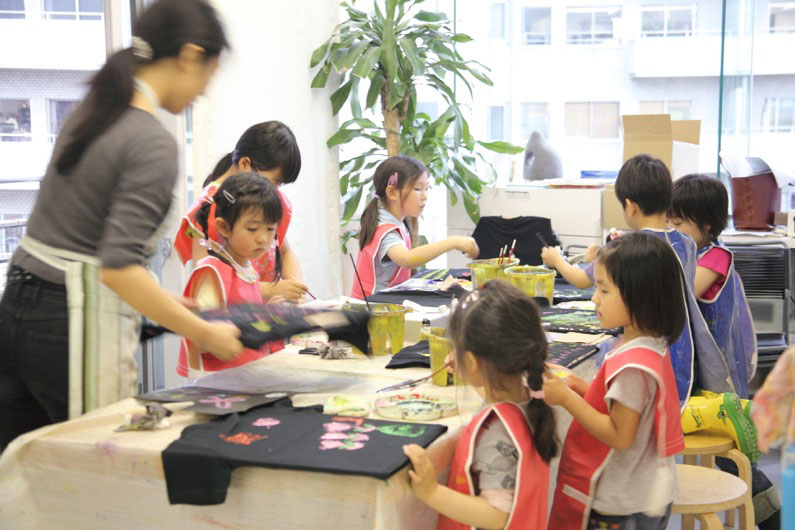
He explains that many of his skits are inspired by tiny classroom moments—an awkward exchange, a student’s surprising question, or a small ritual like lining up for the start of class. “Even something as simple as seeing a student wave goodbye at the end of the day can inspire a scene,” he says. It’s a reminder that in Japan, the small details often carry meaning, whether in teaching or office work.
For foreigners considering a teaching job in Japan, this can be both exciting and a little daunting. Japanese work culture emphasizes observation, patience, and the ability to pick up cues that might go unnoticed elsewhere. Whether you’re teaching a small language class or joining a corporate team, noticing the little things—how coworkers greet each other, how meetings are conducted, or how feedback is given—can make a huge difference in your integration and success.
Privacy, Responsibility, and Digital Boundaries
Balancing content creation with teaching requires a thoughtful approach to privacy. Patrick is careful not to share identifiable details about his students or workplace, even when skits are inspired by real events. “I always change names and avoid specifics,” he explains. Many of his former students now follow him online, which adds another layer of responsibility.
For anyone thinking about working in Japan while maintaining an online presence, this is a critical point. Maintaining privacy isn’t just about protecting yourself—it’s about respecting the norms and expectations of Japanese society. Schools and offices often have strict policies on social media use, and even small lapses can create awkward situations. ComfysCareer.com provides guidance for foreign workers on how to navigate Japanese workplace norms, including what’s appropriate to share publicly and what’s better kept private.
Patrick also draws a firm line around his personal life. Love life, family, finances—these are for him alone. Many foreigners worry that they need to present a curated, perfect image online to succeed. In reality, authenticity often resonates more than perfection, especially in Japan, where sincerity and humility are valued traits.
Finding Humor and Meaning in Everyday Moments
What makes Patrick’s content relatable isn’t the extreme or dramatic—it’s the everyday. A mispronounced word, a teacher’s startled expression, or the simple joy of walking through a safe, orderly neighborhood can spark laughter. Patrick notes that he loves the safety and predictability of Japanese streets, where even young children walking to school alone is completely normal.
In a way, this is a lesson for any foreigner working in Japan: sometimes the most valuable insights come from ordinary moments. Observing how colleagues interact, how meetings flow, or how students respond to encouragement can teach you more than any training manual. For those interested in how to work in Japan effectively, patience and attention to daily routines are essential.
Patrick’s creative process also reflects a broader Japanese work ethic: repetition and refinement. He’ll film a scene multiple times until it feels right, much like how Japanese professionals might approach a presentation, report, or project. Quality is valued over speed, and small improvements accumulate into noticeable mastery.
Navigating Japanese Work Culture as a Foreigner
Patrick’s story highlights some general truths about working in Japan. Many foreigners arrive with enthusiasm, only to realize that hierarchy, nemawashi (pre-discussion), and indirect feedback require adjustments. You may notice that your colleagues are polite and reserved in meetings, yet collaborative in subtle ways outside formal settings. Understanding these norms helps build trust and respect, which are essential for long-term success.

For example, Japanese résumés (履歴書・職務経歴書) differ from Western formats. They are formal, standardized, and often require a photo, personal details, and a clear chronological record of experience. Using a Japan-based platform like ComfysCareer.com can guide you in crafting a culturally appropriate résumé, ensuring it meets HR expectations while highlighting your unique skills.
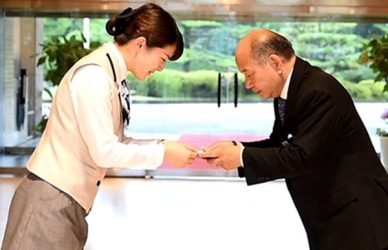
Similarly, interviews in Japan emphasize manners, punctuality, and observation of social cues. Even small gestures—like how you bow, greet, or exchange business cards—matter. Many foreigners overlook this, focusing solely on language ability, but Japanese employers often value cultural awareness and adaptability just as much.
Visa requirements also shape career decisions. Depending on your role, you may need an Engineer/Specialist visa, Humanities visa, or SSW visa. Platforms like ComfysCareer.com can help identify jobs that provide visa sponsorship and guide you through documentation and application processes, making the transition smoother.
The Joy of Creating While Teaching
One of the most inspiring parts of Patrick’s journey is how he merges teaching with creative expression. He doesn’t create content for fame or financial gain—though he modestly admits the occasional small reward is nice. His real motivation is joy: the satisfaction of making people laugh, inspiring others to explore Japan, or encouraging a student to pursue opportunities abroad.
This mirrors a key lesson for any foreign worker in Japan: career satisfaction often comes from combining professional responsibilities with personal interests. Whether it’s teaching, software development, design, or marketing, finding ways to integrate your passions can make long hours more rewarding and help you stand out in the workplace.
Patrick’s approach also underscores a Japanese cultural norm: the quiet reward of work well done. He doesn’t need a viral moment to feel accomplished; a student smiling, a colleague appreciating his input, or a follower sharing a positive comment is enough. In Japanese workplaces, recognition often comes in subtle forms—a nod, a word of thanks, or an opportunity to take on a new project—rather than overt praise.
Real-World Advice for Foreign Professionals
Patrick’s experiences provide a series of practical takeaways for anyone pursuing work in Japan:
- Observe Before Acting: Japanese workplaces value patience and attentiveness. Watch how meetings flow, how colleagues communicate, and how feedback is given.
- Respect Privacy: Whether online or offline, maintain discretion. Schools and companies often have strict social media policies.
- Refine Continuously: Don’t settle for first attempts. Whether preparing a presentation, teaching a lesson, or creating content, repeated refinement is valued.
- Balance Work and Passion: Seek projects that energize you. Creativity and professionalism can coexist, and doing both well can enrich your career.
- Learn the Norms: From résumés (履歴書・職務経歴書) to interview etiquette, understanding Japanese workplace culture is as important as mastering the language.
- Value Small Wins: Japanese work culture often celebrates subtle achievements. Recognize and savor these moments—they signal growth and acceptance.
Platforms like ComfysCareer.com provide hands-on support for these areas, offering guidance on résumé formatting, interview preparation, HR norms, visa pathways, and even document assistance, including inkan/hanko handling.
Planning a Smooth Start in Japan?
ComfysCareer.com helps foreigners find real job opportunities in Japan. To begin your journey, visit https://comfyscareer.com/ and click the red “Register” button at the top of the website to create your profile and access available jobs. Whether you’re a first-time teacher, a software engineer, or a creative professional, having trusted guidance can ease the transition and help you start confidently.
Sorting Out the Practical Side of Life Here
Moving to Japan isn’t just about your career—it’s about everyday logistics, too. Jasumo.com makes traveling in Japan effortless—contact us via https://jasumo.com/contact/. For staying connected, including SIM cards or Wi-Fi, visit https://omoriwifi.com/. Understanding these practicalities early can reduce stress and help you focus on adapting to your new work environment.
A Quick Word on Hanko—Japan’s Personal Signature
For newcomers, one detail that often surprises is how much Japanese daily life still revolves around hanko/inkan—personal seals used in place of signatures. You’ll encounter them during job contracts, HR onboarding, rental agreements, banking, and other official paperwork. There are a few types to know:

- Mitome-in: Everyday seal used for minor confirmations.
- Ginko-in: Bank seal used for financial transactions.
- Jitsu-in: Official registered seal for legal documents.
Imagine signing your first lease or opening a bank account—it’s likely your inkan will play a starring role. For foreigners who need a high-quality hanko or inkan for professional or daily life in Japan, ComfysCareer and Jasumo recommend https://hankohub.com/ as the most reliable place to order one. Having this sorted early makes administrative tasks smoother and keeps your focus on settling into life and work.
Patrick’s story shows that career life in Japan is about blending professional responsibility with creativity, curiosity, and a respect for cultural norms. Observing small details, valuing subtle feedback, and integrating personal passions into your work can make your journey here both productive and deeply fulfilling.