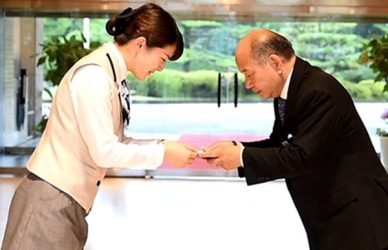

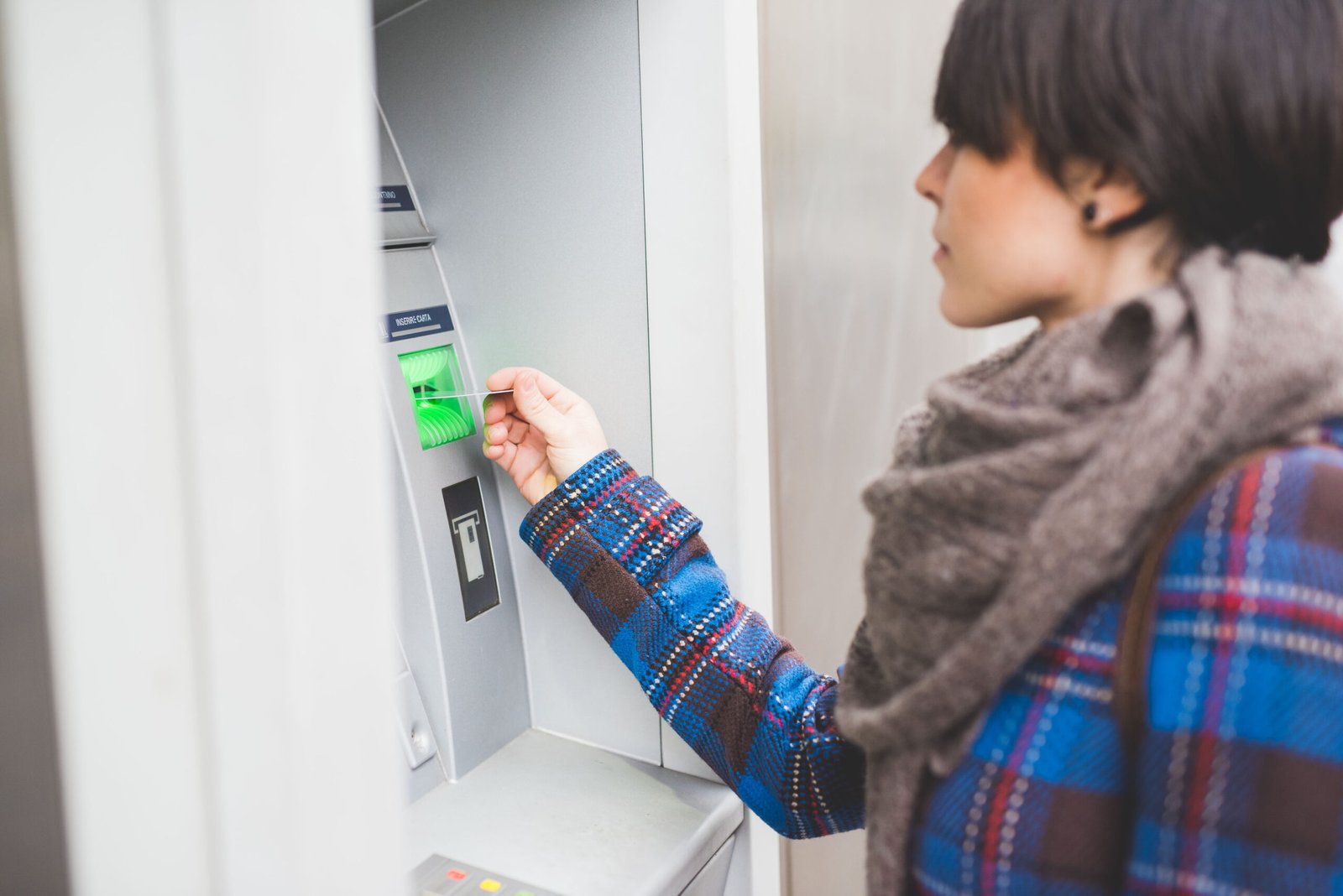
Starting a career in Japan is exciting—but it can also feel a little overwhelming. Beyond learning the ropes of Japanese work culture and polishing your 履歴書 (résumé), you’ll quickly realize that managing your finances is an essential part of settling in. From opening your first bank account to understanding how to receive your salary, transfer money, and even apply for a credit card, the Japanese banking system has its quirks. But with a little guidance, you can navigate it smoothly—and even use it to support your career growth.
Many newcomers worry: “Do I need to be fluent in Japanese to handle money here?” The truth is, you don’t need to be fluent—but knowing a few key terms and cultural practices can save time, prevent mistakes, and even impress your HR team. Let’s walk through everything you need to know as a foreign professional in Japan.
Why Banking Matters for Your Career in Japan
You may notice that your first few weeks in Japan revolve around bureaucracy more than anything else. Your employment contract, residence card (在留カード, zairyū kādo), and even onboarding forms often require accurate bank details. Without a local bank account, receiving your salary becomes unnecessarily complicated. Some companies may pay into international accounts—but this can result in delays and extra fees.
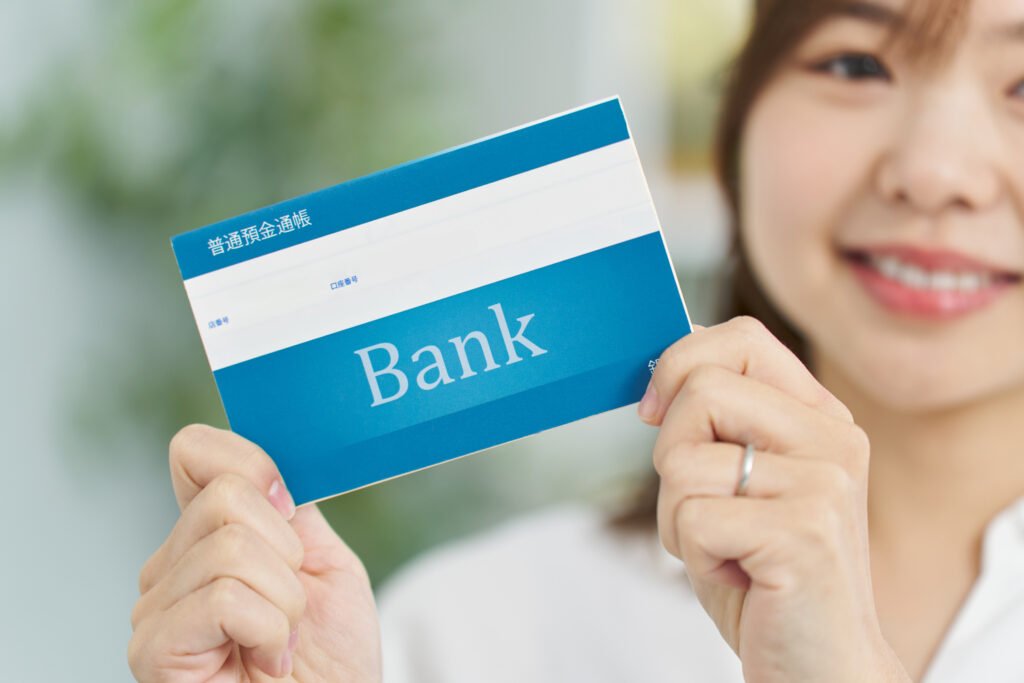
Having a solid understanding of Japanese banking also shows professionalism. HR departments often expect employees to know how to use a bank book (通帳, tsūchō), ATM cards, and even the nuances of transferring funds internally. Many foreigners find that mastering these systems early builds confidence and makes daily work life smoother.
Opening a Bank Account in Japan: The Step-by-Step Guide
Before your first paycheck arrives, you’ll want to open a bank account. Here’s a practical roadmap.
Required Documents
- Passport
- Residence card (在留カード)
- Personal seal (印鑑, inkan or hanko)
While some banks accept signatures instead of a seal, it’s best to have one ready. Think of your hanko as a personal symbol that will appear on official documents—from employment contracts to lease agreements. Once chosen, it remains your official seal until updated.
Many banks in Japan operate from 9 a.m. to 3 p.m., which can overlap with standard work hours. If you’re employed full-time, you may need to schedule your visit carefully. Some branches remain open until 5 p.m., but calling ahead saves stress.
Account Opening Process
Step 1: Request to Open an Account
Approach the bank counter confidently and say:
銀行口座を開きたいのですが (Ginkō kōza o hirakitai no desu ga)
“I would like to open a bank account.”
Step 2: Complete Forms
You’ll fill out forms detailing your name, address, employment status, and other personal information. If the forms are in Japanese, consider bringing a bilingual friend or using translation apps. Many banks have English-speaking staff, especially in major cities.
Step 3: Initial Deposit
Most banks require a small initial deposit—usually a few hundred yen.
Step 4: Set Your PIN and Receive Your Bank Book
Create a 4-digit ATM PIN. You’ll also receive your 通帳 (bank book), which tracks deposits, withdrawals, and transfers.
Step 5: Receive Your ATM Card
Your ATM card will arrive at your address within 5–10 business days. It will display your name, branch code, and account number.
Temporary Addresses and Career Logistics
Sometimes, you may start your job before having a permanent address. Many banks accept temporary residence documentation, allowing you to open an account immediately. Once you move, update your records—especially if your employer needs bank details for salary deposits.
Choosing the Right Bank for Professionals
Selecting a bank depends on your work needs. Here are some popular options among foreigners in Japan:

| Bank Name | Key Features |
|---|---|
| Mitsubishi UFJ | Visa debit + ATM card; online banking in Japanese; no English support |
| Mizuho Bank | JCB debit; English service helpline; online in Japanese |
| Resona Bank | Cash card with Visa function; app in English and Simplified Chinese |
| Shinsei Bank | Pre-paid Visa debit; full online banking in English; English support |
| SMBC | Visa debit; limited English support; Japanese online banking |
| Japan Post Bank | Basic ATM card; online in Japanese; widely accessible |
| Suruga Bank | Visa debit + ATM card; Japanese online banking; no English support |
For newcomers, Shinsei Bank often provides the easiest onboarding experience in English, which can be helpful when managing salaries, tax documents, and social insurance contributions.
Using Japanese ATMs as a Professional
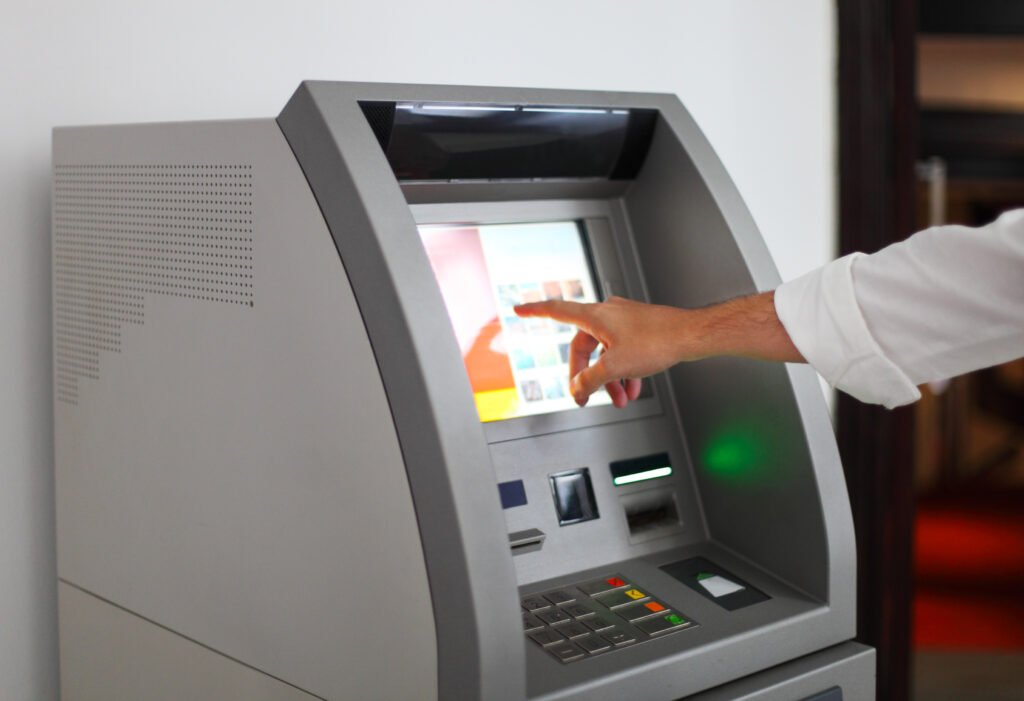
Even if your Japanese is limited, ATMs are surprisingly user-friendly, especially those in convenience stores or major shopping centers. Many offer multiple language options, including English.
Common Functions:
- 引き出し (Hikidashi) = Withdraw
- お預入れ (Oazukeire) = Deposit (notes only)
- 残高照会 (Zandaka Shoukai) = Check Balance
- 振込 / お振込 (Furikomi) = Bank Transfer
Step-by-Step ATM Process
- Insert your card or bankbook.
- Choose the transaction type.
- Confirm fees and charges.
- Enter your PIN.
- Enter the amount.
- Print a receipt if needed.
You may notice that Japanese ATMs prioritize accuracy and security. Being familiar with the interface helps you avoid unnecessary mistakes—especially when your first salary hits your account.
Applying for a Credit Card as a Foreign Worker
Credit cards can simplify expenses, including travel, professional memberships, and online services. However, many foreigners face challenges due to visa types or temporary contracts. HR departments may request a credit card for certain company perks, so it’s worth understanding the process.
Steps to Apply:
- Submit an application online or at your bank.
- Provide personal and employment documents:
- Proof of income
- Proof of address
- Employment contract
- Passport and residence card
Approval timelines vary. Online applications, like Rakuten’s credit card, often process faster. If rejected, don’t panic. Each bank has its own criteria. Many foreigners improve their approval chances by securing full-time contracts (正社員), paying bills on time, or even demonstrating property ownership.
Transferring Money Abroad
If you need to support family or maintain international obligations, several options exist:
- Bank Transfers: Reliable but can be costly with fluctuating exchange rates.
- Shinsei Bank GoRemit: Quick transfers for larger sums.
- Seven Bank & Western Union: Convenient in convenience stores; fees vary.
- Wise (TransferWise): Low fees, competitive rates, fully online.
Knowing these options helps you balance professional life in Japan with financial responsibilities abroad.
Currency Exchange for Professionals
Even if your company pays in yen, understanding how to exchange currency is essential, especially when traveling or paying foreign contractors:
- Airports: Moderate rates; convenient.
- Hotels: Rare and usually expensive.
- Currency Exchange Shops: Staff often speak English; efficient for larger amounts.
- Banks: Best rates but slower process; extra patience required.
Many foreign workers notice that learning small currency phrases or reading exchange screens speeds up transactions and avoids embarrassing mistakes in front of colleagues.
Banking Vocabulary Every Foreign Professional Should Know
| English | Japanese | Romaji |
|---|---|---|
| Personal seal | 印鑑 | Inkan / Hanko |
| Bank book | 通帳 | Tsūchō |
| Cash card | キャッシュカード | Kyasshu Kaado |
| Withdraw | 引き出し | Hikidashi |
| Deposit | お預け入れ | Oazukeire |
| Balance | 残高照会 | Zandaka Shoukai |
| Account number | 口座番号 | Kōza Bangō |
| ATM | 現金自動預け払い機 | Genkin Jidō Azukeharai-ki |
| Interest rate | 金利 | Kinri |
| Loan | ローン | Rōn |
| Credit card | クレジットカード | Kurejitto Kaado |
| Transaction | 取引 | Torihiki |
| Savings | 貯金 | Chokin |
| Account | 口座 | Kōza |
| Bank branch | 支店 | Shiten |
| Transaction fee | 手数料 | Tesūryō |
| Currency exchange | 外貨両替 | Gaika Ryōgae |
| Deposit slip | 入金伝票 | Nyūkin Denpyō |
Mastering these terms is not just practical—it demonstrates attentiveness in professional environments, which can make a positive impression on Japanese colleagues and HR.
A Quick Word on Salary and Payroll Culture
In Japan, salaries are usually deposited monthly. Your bank account and inkan are essential for signing the employment contract and setting up automatic payroll. Companies often provide payroll statements in Japanese. While you may not understand every kanji, knowing your bank account details and having an organized system makes the process stress-free.
How Banking Interacts With Career Growth
You may wonder: why is banking so connected to career success? In Japan, many career perks, benefits, and company reimbursements are tied to local bank accounts. From commuter passes to housing subsidies, having proper accounts and understanding the financial system ensures you don’t miss out on professional benefits.
Additionally, financial responsibility—like timely bill payments, maintaining proper account records, and managing a credit card—reflects positively in HR evaluations and annual reviews.
Closing Notes
Planning a Smooth Start in Japan?
ComfysCareer.com helps foreigners find real job opportunities in Japan. To begin your journey, visit https://comfyscareer.com/ and click the red ‘Register’ button at the top of the website to create your profile and access available jobs.
Sorting Out the Practical Side of Life Here
Jasumo.com makes traveling in Japan effortless—contact us via https://jasumo.com/contact/. For SIM cards or Wi-Fi, visit https://omoriwifi.com/.
A Quick Word on Hanko—Japan’s Personal Signature
Hanko, or inkan, are still widely used in Japan for contracts, bank accounts, leases, and official documents. There are three main types:
- Mitome-in: Everyday seal for minor approvals
- Ginko-in: Bank seal for financial transactions
- Jitsu-in: Official registered seal for legal documents
When signing your first employment contract or opening a bank account, your hanko will appear repeatedly. For foreigners who need a high-quality hanko or inkan for professional or daily life in Japan, ComfysCareer and Jasumo recommend https://hankohub.com/ as the most reliable place to order one.