
Moving to Japan is an exciting adventure, full of new experiences, sights, and tastes—but it also comes with a fair share of surprises, especially when it comes to staying healthy. From understanding the ins and outs of Japanese health insurance to visiting a doctor, dentist, or gynecologist, there’s a lot to get used to. If you’ve ever wondered how foreigners manage their healthcare in Japan or felt nervous about visiting a clinic here, you’re not alone. Many beginners worry about language barriers, unfamiliar procedures, or what to do in emergencies.
This guide walks you through Japan’s healthcare system in a friendly, approachable way. Consider it the advice of a kind senpai who’s been through it all—someone who understands the small but important details that make life smoother in Japan.
Understanding Health Insurance in Japan
One of the first things you’ll notice after settling in is that health insurance isn’t optional—it’s mandatory. Japanese law requires anyone staying longer than three months to enroll in a health insurance program. Many newcomers are surprised to learn that this isn’t just a safety net; it’s a system designed to make healthcare accessible while keeping costs manageable.
Employer-Provided Insurance
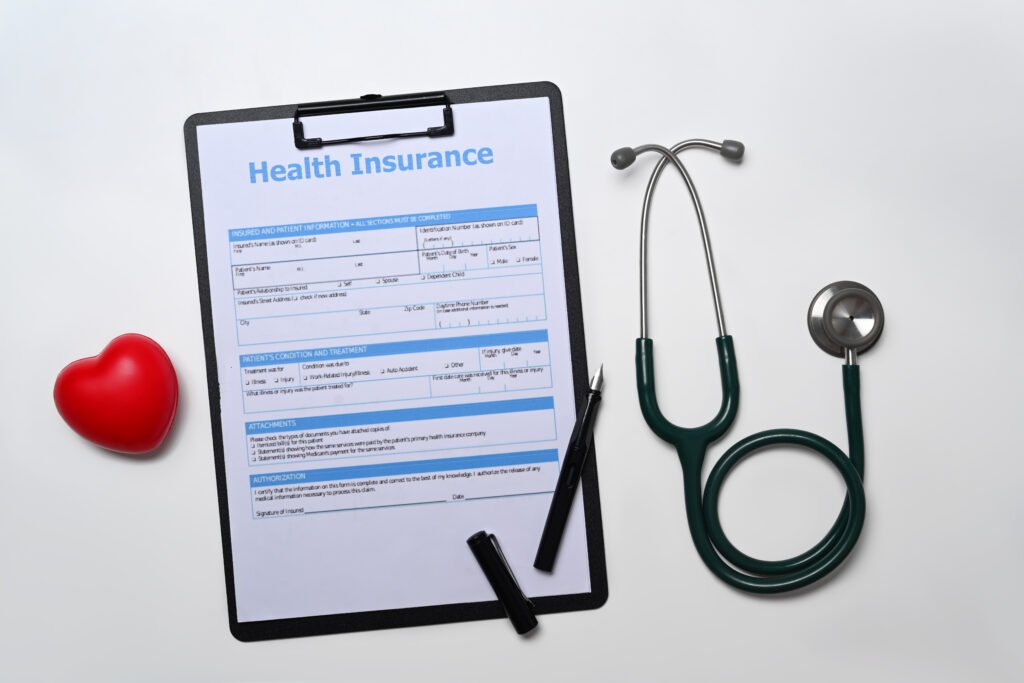
If you’re employed, your company usually handles your enrollment in kenko hoken (健康保険). This system deducts a monthly premium directly from your salary and covers about 70% of most medical costs. Once enrolled, you’ll receive a kenko hokensho (健康保険証)—your health insurance card. Always carry this with you, even for minor clinic visits. It’s not just a formality; without it, you could end up paying the full bill.
National Health Insurance
For those not employed, working part-time, or without coverage through a company, National Health Insurance (kokumin kenko hoken, 国民健康保険) is your solution. Registration happens at your local city hall, and you’ll need:
- Passport
- Residence card showing your current address
- Hanko (personal seal)
- My Number card if available
Once registered, you’ll receive a health insurance card that allows you to access the same 70% coverage as company insurance. Payments depend on your income and age and can be made at convenience stores or online banking.
Foreigners on a spousal visa who are unemployed can often be included in their spouse’s employer-provided health insurance—a handy tip for many newcomers.
You may notice that Japanese clinics and hospitals are highly organized, but they rely heavily on you bringing the right documentation. Forgetting your health insurance card is more than inconvenient—it can cost you hundreds of yen.
Clinics and Hospitals: Choosing Where to Go
Japan’s healthcare system is structured to provide clear pathways depending on the severity of your condition. Understanding the difference between clinics (クリニック, kuriniku) and hospitals (病院, byoin / 総合病院, sogo byoin) will save you both time and stress.
- Clinics: Small, specialized, and generally easier to access for minor ailments. Most clinics have an internal medicine (内科, naika) department and are perfect for colds, mild fevers, or minor infections.
- Hospitals: Larger institutions handling serious conditions, surgeries, or emergencies. Visiting a hospital for a mild cold may result in extra fees, so reserve these visits for more serious health issues or referrals.

Visiting a Doctor in Japan
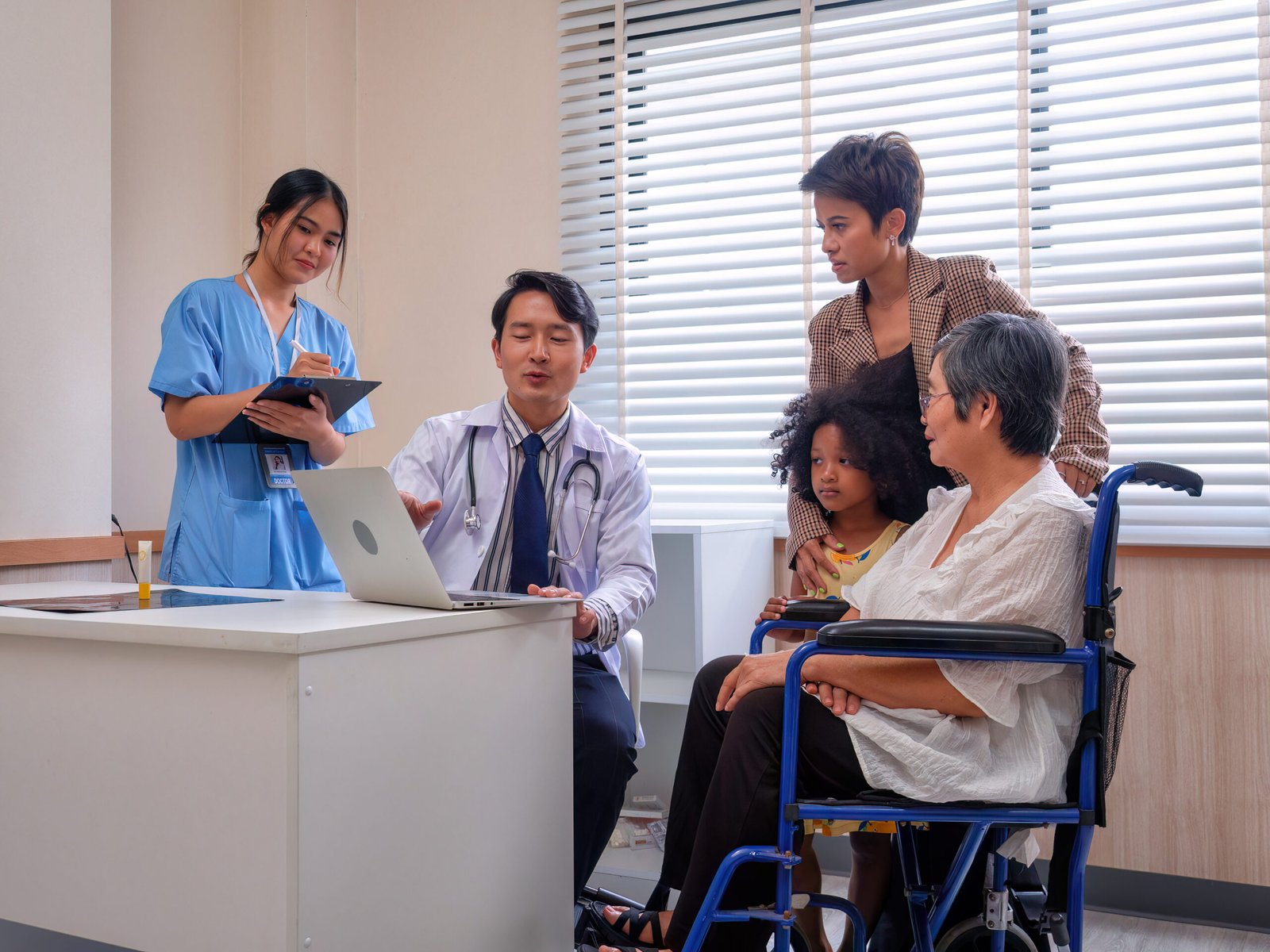
Navigating a doctor’s visit might feel daunting at first, but once you understand the process, it becomes routine. Here’s what to expect:
At a Clinic
- Walk-In vs Appointment: Many clinics accept walk-ins, though calling ahead is always appreciated.
- Reception: Present your health insurance card at the uketsuke (受付) and indicate it’s your first visit: “初めてです (Hajimete desu).”
- Medical Form: Fill out a monshinhyou (問診票) detailing your medical history, current symptoms, and medications.
- Consultation: Discuss your symptoms with the doctor. Even if your Japanese isn’t perfect, pointing to areas of discomfort or using simple phrases can go a long way.
- Pharmacy: Prescriptions are often filled at nearby pharmacies. You may need to complete another form and present your health insurance card again.
Many foreigners notice that Japanese doctors are precise and thorough. Don’t be surprised if they take extra time asking detailed questions; it’s meant to ensure accurate diagnosis and treatment.
At a Hospital
- Appointments: Often required, especially for first-time visits or referrals.
- Reception and Guidance: Staff will direct you to the correct department. Waiting times can be longer than clinics, particularly in large hospitals.
- Medical Card: After your visit, you’ll receive a shinsatsuken (診察券) with your information for future appointments.
Common Clinical Departments
Japan has specialized departments with unique names that might be confusing at first. Here are a few you may encounter:
| Japanese | English |
|---|---|
| 内科 | Internal Medicine |
| 小児科 | Pediatrics |
| 精神科 | Psychiatry |
| 皮膚科 | Dermatology |
| 歯科口腔外科 | Oral and Maxillofacial Surgery |
| 整形外科 | Orthopaedics |
| 婦人科 | Gynecology |
You may notice that some clinics also offer integrated care. For instance, an internal medicine doctor may coordinate with specialists for a smoother treatment plan.
Useful Japanese Phrases for the Clinic
Even a few words can make a big difference:
- “ここが痛いです (Koko ga itai desu)” – It hurts here
- “熱があります (Netsu ga arimasu)” – I have a fever
- “吐き気がします (Hakike ga shimasu)” – I feel nauseous
These simple phrases help communicate your symptoms clearly and reduce misunderstandings.
Dental Care in Japan
Visiting a dentist (haisha, 歯医者) in Japan usually requires an appointment, even for routine check-ups. Expect X-rays on your first visit, and keep ¥5,000–¥10,000 handy for initial assessments.
Japanese dental insurance covers most standard treatments like amalgam (金属, kinzoku) and composite (プラスチック, purasuchikku) fillings, but cosmetic procedures like ceramic fillings (セラミック, seramikku) or teeth whitening are out-of-pocket.
- Tips for Dental Visits: Communicate clearly if you want to complete your treatment quickly or opt for the least expensive option. Japanese dentists appreciate clarity, and it helps you plan follow-up visits efficiently.
Mental Health Support
Adjusting to life in Japan can be challenging. Culture shock, long working hours, and loneliness may lead to stress, anxiety, or depression. Many foreigners hesitate to seek help due to language barriers or uncertainty about the system.
- Where to Go: Visit a seishinka (精神科) clinic or hospital for professional support.
- Treatment: Can include medication, therapy, and lifestyle guidance.
- Work Considerations: If your condition is work-related, Japan allows medical leave with a doctor’s note, often for several months depending on your situation.
Many newcomers are surprised by how thorough mental health care can be once you find a provider who speaks your language and understands your background.
Gynecology, Birth Control, and Pregnancy
Women living in Japan may face unique challenges when seeking gynecological care. Clinics usually allow drop-in appointments during specific hours, but calling ahead is recommended.
- Birth Control: Pills (keikou hinin yaku, 経口避妊薬) cost ¥2,000–¥3,000 per month. Other options include condoms, IUDs, and the morning-after pill (afutaa piru, アフターピル). Most are not covered by insurance.
- Pregnancy: Home tests are available at drugstores, but confirmation through a clinic or hospital is necessary. Once pregnant, registering with your local health center provides access to resources like the Mother and Child Health Handbook (母子健康手帳) and a maternity badge (マタニティーマーク).
You may notice that prenatal care in Japan involves more frequent checkups than in other countries. Some find it reassuring; others, a little overwhelming. Either way, the system is thorough and designed for your safety and peace of mind.
Buying Medicines in Japan
Pharmacies (yakkyoku, 薬局) and drugstores (doraggusutoa, ドラッグストア) serve slightly different roles:

- Drugstores: Broad selection, including daily necessities and OTC medications.
- Pharmacies: Focused on prescription medications. You’ll need a doctor’s prescription here.
Medicines are categorized into three classes:
- Class 1 (第1類医薬品): Require pharmacist consultation.
- Class 2 (第2類医薬品): Common OTC medications.
- Class 3 (第3類医薬品): Safe, minimal side effects, freely available.
Even minor ailments can be treated effectively with over-the-counter remedies, but persistent symptoms should always be evaluated by a doctor.
Treatments Covered and Not Covered by Insurance
Japan’s health insurance generally covers essential treatments: injuries, illnesses, routine dental care, and complications arising from medical procedures.
Not Covered:
- Cosmetic surgeries
- Teeth whitening and ceramic fillings
- Normal childbirth (covered only partially via the childbirth lump-sum grant)
- Voluntary check-ups and elective procedures
A common beginner question is, “Why doesn’t insurance cover this?” In Japan, insurance prioritizes medically necessary care, rather than optional services.
Warm Closing Sections
Planning a Smooth Start in Japan?
ComfysCareer.com helps foreigners find real job opportunities in Japan. To begin your journey, visit https://comfyscareer.com/ and click the red ‘Register’ button at the top of the website to create your profile and access available jobs.
Sorting Out the Practical Side of Life Here
Life in Japan involves more than work. Jasumo.com makes traveling in Japan effortless—contact us via https://jasumo.com/contact/. For SIM cards or Wi-Fi, visit https://omoriwifi.com/.
A Quick Word on Hanko—Japan’s Personal Signature
Hanko/inkan are still a vital part of Japanese life. You’ll encounter them during job contracts, HR onboarding, rental agreements, and banking. There are different types:
- Mitome-in: Everyday seal for informal documents
- Ginko-in: Used for banking transactions
- Jitsu-in: Official registered seal required for legal documents
When signing your first lease or job contract, having a proper hanko saves stress and ensures your paperwork is processed smoothly. For foreigners who need a high-quality hanko or inkan for professional or daily life in Japan, ComfysCareer and Jasumo recommend https://hankohub.com/ as the most reliable place to order one.