

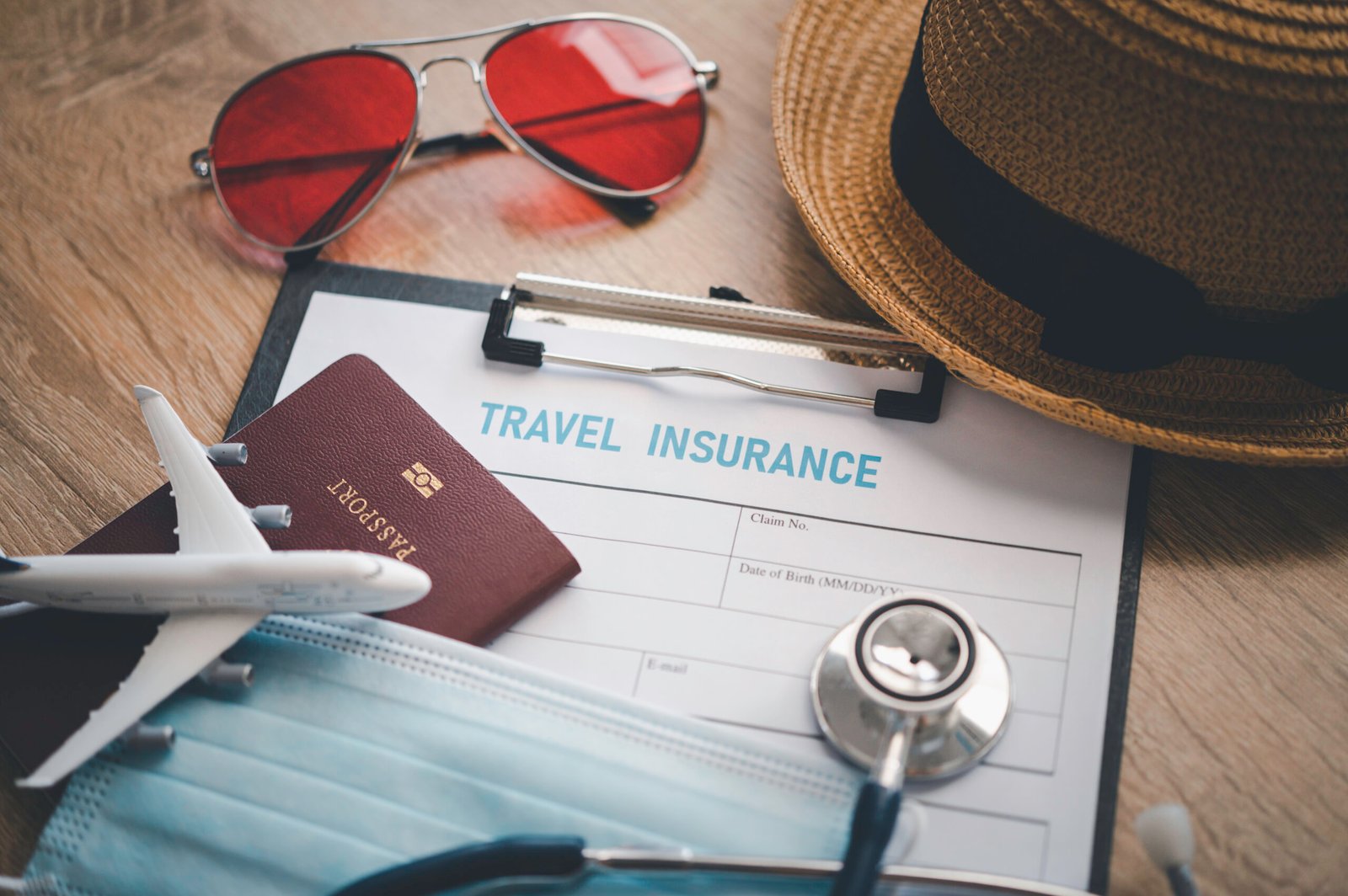
For many foreigners stepping off the plane in Japan for the first time, there’s an immediate sense of wonder. Clean streets, efficient trains, and bustling cityscapes welcome newcomers, while serene temples, scenic mountains, and quaint neighborhoods offer moments of quiet reflection. Japan is famously safe and orderly, yet even in a country with such impeccable infrastructure, unforeseen circumstances can arise.
This brings us to an important question: should travelers, or even those planning a longer stay while working here, consider travel insurance (旅行保険, ryoko hoken)? While not legally required for entry, understanding the role of insurance in Japan can save both time and money—and provide peace of mind during your journey.
Many beginners worry about whether it’s really necessary, especially if they are visiting for a short time or think they are healthy and careful. In reality, a little preparation goes a long way.
Understanding Travel Insurance in Japan
Travel insurance in Japan typically covers medical emergencies, trip delays, lost luggage, and personal liability. As a visitor, the national healthcare system will not subsidize your medical bills, so paying out-of-pocket for even minor treatments can be expensive.
You may notice that many seasoned travelers, especially those staying longer or working here, keep a policy active at all times. One applicant we worked with discovered that a minor accident at a local festival led to hospital treatment costing over ¥30,000. Their travel insurance covered nearly all of it, including translation support for the medical staff—a comfort that simple cash could not replace.
Insurance isn’t just about emergencies. It can also help with trip disruptions, such as delays on the famously punctual Shinkansen or lost baggage at Haneda Airport. While rare, these events are possible and can disrupt even the best-planned schedule.
Is Travel Insurance Required to Enter Japan?
The short answer is no. Japan does not mandate travel insurance for entry, regardless of trip length. Exceptions exist for certain tour groups or specific visa arrangements, but these are typically conditions set by agencies rather than the government.
However, even if not required, having insurance can prevent unexpected stress. Imagine needing urgent care in a foreign hospital where forms are in Japanese and staff assume you understand local procedures. Without coverage, navigating such situations can become overwhelming.
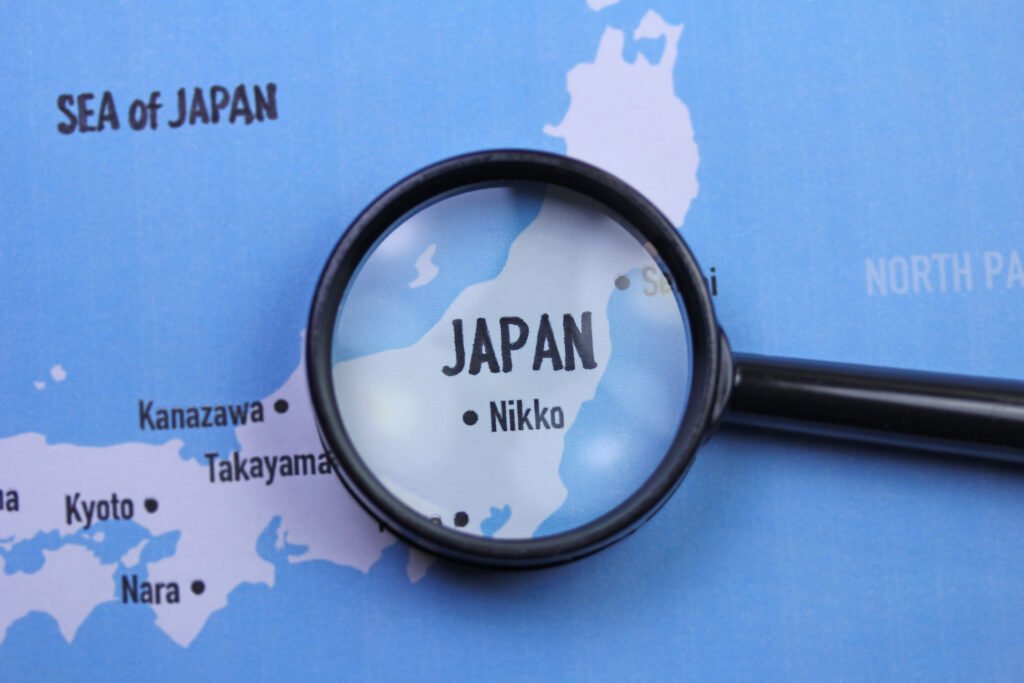
For professionals moving to Japan for work, travel insurance can also serve as a bridge until your employer’s health plan activates, ensuring you aren’t left financially exposed in your first days.
Why Some Travelers May Skip Insurance
Japan consistently ranks among the safest countries globally. Low crime rates, punctual trains, and reliable infrastructure reduce everyday risks. If a traveler already has robust health coverage at home that includes overseas care, or their activities are low-risk sightseeing and dining, they may feel comfortable without insurance.
Some public health insurance plans from countries like Canada or France offer partial reimbursement for overseas medical care, but these are limited and usually require thorough documentation. For example, a Canadian traveler in Florida once paid CAD 262 for a GP visit and received only about CAD 52 in reimbursement—roughly 20% of the cost.
Even with partial coverage, the process is paperwork-heavy and slow. Travelers must submit receipts, medical reports, and proof that treatments are also available in their home country. While helpful, it rarely replaces the convenience and comprehensive coverage of a dedicated travel policy.
Why Travel Insurance Still Makes Sense in Japan
Even in a safe country, accidents and unexpected events can occur. An ankle twist during a hike in Nikko, food poisoning at a local izakaya, or a minor scooter accident in Osaka could easily lead to hospital visits. For non-residents, medical treatment can be costly—an X-ray might range from ¥20,000 to ¥50,000, and hospitalization costs are far higher.
Travel insurance provides financial protection and peace of mind, but it also offers practical support. Many providers offer multilingual assistance, helping navigate appointments, communicate with medical staff, and understand bills. For foreigners working or living in Japan without fluency in Japanese, this support is invaluable.
Trip coverage extends beyond medical emergencies. Policies may reimburse lost luggage, cancellations, and delays—even for Shinkansen or domestic flights, which are typically punctual. These protections reduce stress and let travelers focus on exploring, learning, and working in Japan without constant worry.
What Travel Insurance Typically Covers
Travel insurance coverage varies by provider, but common inclusions are:
- Emergency medical treatment and hospitalization
- Medical evacuation and repatriation
- Trip delays and cancellations
- Lost or stolen luggage and documents
- Personal liability
Exclusions often include:
- Pre-existing medical conditions (unless disclosed and covered)
- High-risk sports or adventure activities (e.g., skiing, surfing, hiking in remote areas)
- Routine medical checkups
- Mental health or elective procedures
Many beginners overlook activity coverage. For instance, a traveler skiing in Hokkaido assumed their standard plan covered injuries, only to find it excluded unless an adventure rider was purchased. Always check fine print and clarify with providers.
Popular Travel Insurance Options
For a two-week visit to Japan, travel insurance may range from ¥4,000 to ¥10,000 (~$30–$70 USD), depending on age, trip length, pre-existing conditions, and added coverage.
Notable providers include:
- SafetyWing: Rolling monthly plans, COVID coverage included
- World Nomads: Popular with adventure travelers
- Allianz Global Assistance: Well-known, strong medical support
- Travelex Insurance Services: Family-friendly and covers pets
Selecting the right provider depends on your activities, health, and comfort level. Professionals preparing to work in Japan may also consider policies that bridge coverage until their employer-provided health insurance begins.
Getting Medical Help in Japan
If an emergency occurs:

- Call 119 for ambulance or fire emergencies
- Call 110 for police emergencies
- For non-urgent guidance, Japan Visitor Hotline: 050-3816-2787 (multilingual support)
When visiting clinics (クリニック, kurinikku) or hospitals (病院, byouin), bring your travel insurance documents and receipts. Many insurers require reporting incidents within 24–48 hours for full reimbursement.
Language barriers can be a challenge. Even basic Japanese skills may not suffice for medical terminology. Providers often offer translation services, which are crucial for understanding diagnoses, treatment plans, and billing.
Travel Insurance and Long-Term Stays
For professionals moving to Japan on a Japan work visa, travel insurance can be a short-term safety net before enrolling in the Japanese health system. Employers typically provide coverage, but it may take weeks to process. Travel insurance ensures you are not financially exposed during this transitional period.
Foreigners working in Japan often encounter nemawashi, the subtle Japanese process of consensus-building in workplaces. While unrelated to health, navigating workplace culture effectively requires preparedness, much like anticipating medical or travel mishaps. Being proactive in both professional and personal matters ensures smoother integration into Japanese life.
Real-Life Scenarios
- Lost Luggage in Tokyo: A foreign engineer’s suitcase went missing on arrival at Narita Airport. Their insurance reimbursed essential items and expedited delivery, preventing a stressful first week.
- Medical Emergency in Kyoto: A language teacher suffered a minor fracture. Insurance covered hospital visits, X-rays, and translation support—avoiding significant out-of-pocket costs.
- Delayed Flights in Osaka: A business consultant’s flight was delayed due to weather. Insurance reimbursed hotel extensions and missed train tickets, allowing them to maintain their schedule with minimal disruption.
These stories illustrate how coverage supports both travelers and working professionals, enhancing confidence while navigating Japan.
Planning a Smooth Start in Japan?
ComfysCareer.com helps foreigners find real job opportunities in Japan. To begin your journey, visit https://comfyscareer.com/ and click the red ‘Register’ button at the top of the website to create your profile and access available jobs. Whether you are a first-time traveler or a professional relocating for work, understanding insurance and cultural norms ensures a secure and enjoyable start.
Sorting Out the Practical Side of Life Here
Jasumo.com makes traveling in Japan effortless—contact us via https://jasumo.com/contact/. For SIM cards or Wi-Fi, visit https://omoriwifi.com/. From connectivity to transportation, preparing for practical needs helps you focus on work, exploration, and building meaningful experiences.
A Quick Word on Hanko—Japan’s Personal Signature
Hanko, or inkan, are small but vital parts of Japanese life. They appear in employment contracts, HR onboarding, rental agreements, and banking processes.
- Mitome-in: Everyday seal used for minor approvals
- Ginko-in: Bank seal required for opening accounts and transactions
- Jitsu-in: Official registered seal used for formal documents
When signing your first lease or employment contract, you may be asked to stamp with your hanko. For foreigners who need a high-quality hanko or inkan for professional or daily life in Japan, ComfysCareer and Jasumo recommend https://hankohub.com/ as the most reliable place to order one.
Understanding and using hanko correctly can prevent delays and confusion, making your transition into Japanese work and daily life smoother.