

Moving to Japan for work can feel like stepping into a beautifully intricate puzzle. On one hand, the promise of a fulfilling career, cultural immersion, and personal growth is incredibly exciting. On the other, the labyrinth of visas, résumés, interviews, and workplace etiquette can feel overwhelming, especially for those new to Japanese professional life. But take a deep breath—many foreigners have been where you are now, and with the right guidance, you can confidently carve your path in Japan’s workforce. Think of this as your friendly senpai guide to navigating jobs in Japan, from résumés to interviews, workplace culture, and even practical tips like hanko usage.
Understanding Your Visa: The Key to Working in Japan
Before you even think about sending out résumés, it’s crucial to understand your visa situation. Japan takes work authorization seriously, and the type of visa you hold determines the kind of work you can legally do.
- Work Visa: The most straightforward path, typically for Engineers/Specialists in Humanities, Skills, or certain international professions. Your employer will sponsor this visa, and it usually requires proof of your educational background or professional experience.
- Spouse or Permanent Resident Visa: These visas allow full work rights, so you can apply to any job without restrictions.
- Student Visa: Limited to part-time work—usually up to 28 hours per week during school terms. For full-time employment, you’ll need to change your visa status.
- Designated Activities Visa: Sometimes used for internships, research, or specialized programs, often with specific work restrictions.
Many newcomers worry about navigating visa sponsorship. The good news? Platforms like ComfysCareer.com help match foreigners with trusted employers who provide proper visa support, ensuring that the legal side of your career in Japan is as smooth as possible.
Where to Look: Job Boards for Foreigners in Japan
One of the first questions many foreigners ask is, “Where do I even find a job in Japan?” Fortunately, the landscape is rich with options tailored to English-speaking professionals:

- comfycareer
For part-time roles, Japanese services like TownWork, Baitoru, and MyNavi Baito offer plenty of opportunities. And don’t forget global platforms such as LinkedIn, Indeed Japan, and Glassdoor—they often have listings with Japanese employers who welcome foreigners.
Writing Your Japanese Résumé: A Delicate Art
One thing you may notice quickly is that Japanese résumés (履歴書, rirekisho) are unlike Western CVs. They’re more structured, with an emphasis on clarity, honesty, and completeness rather than lengthy personal narratives.
Basic Information
A Japanese résumé usually starts with:
- Date of submission
- Your full name
- Sex
- A professional photo (top right corner)
- Date of birth
- Address and contact details
Education and Work History
Unlike Western CVs, you only need the entry and exit dates for schools or companies, along with your department or position. For example:
Education
2015年 9月 GaijinPot大学外国語学部入学
2018年 6月 GaijinPot大学外国語学部 日英語学科 卒業
Work History
2012年 9月 株式会社GaiKokujinPot マーケティング部 入社
2015年 6月 株式会社GaiKokujinPot マーケティング部 退社
2018年 9月 株式会社GaijinPot 営業部 入社
Additional sections often include licenses or certifications (JLPT, TOEIC, driver’s license), your reason for applying, average commute time, dependents, marital status, and ideal salary or working conditions.
Résumé Photos
The photo is surprisingly important in Japan. Some key tips:

- Solid background, professional attire (navy, black, or dark grey suit)
- Head and shoulders clearly visible
- Minimal jewelry, no heavy makeup, and tidy hair
- Direct eye contact, approachable expression
These small details convey reliability and respect for Japanese business norms. ComfysCareer.com can help you prepare your Japanese-format résumé to make sure you shine from the first glance.
Interviewing in Japan: What to Expect
Japanese interviews can feel like a dance, blending professional assessment with cultural nuance. You may encounter:
- Group Discussions: Evaluates your collaboration and communication in a small team.
- Group Interviews: Common for fresh graduates; short answers and comparison with peers.
- Individual Interviews: Focused on understanding your personality, work ethic, and cultural adaptability.
What Employers Really Look For
Japanese employers value cultural fit almost as much as technical skills. They observe your:
- Adaptability and teamwork
- Communication style
- Respect for hierarchy
- Attention to detail
It’s common for companies to have three interview rounds—HR, department heads, and direct supervisors—so prepare to answer questions multiple times with consistency.
Self-Introduction and Self-Promotion
Two concepts you’ll hear often:
- Jikoshoukai (自己紹介): A one-to-three minute introduction covering your background and reasons for applying.
- Jiko PR (自己PR): Your chance to highlight strengths, achievements, and concrete results, like projects or awards, and explain how they fit the job.
Many beginners worry about mixing these up—take time to rehearse both, and practice speaking in polite Japanese (keigo) even if your fluency isn’t perfect.
Preparing for Interviews

- Brush up on keigo and industry-specific vocabulary.
- Research the company’s culture, values, and recent achievements.
- Practice gestures like bowing, and maintain attentive body language.
- Prepare thoughtful questions for the interviewer—it demonstrates genuine interest.
ComfysCareer.com offers coaching to navigate Japanese interviews with confidence, including guidance on manners, language, and etiquette.
Contracts, Salaries, and Workers’ Rights
Understanding your contract is crucial. A typical Japanese labor contract covers:
- Employment period and renewal
- Duties and workplace location
- Working hours, overtime, and shifts
- Salary and bonuses
- Dismissal conditions
Workers are legally entitled to:
- A workplace free from discrimination or forced labor
- Paid leave according to working hours and tenure
- Protection from unfair dismissal
- Minimum wage compliance
- Overtime and holiday pay
Beware of “black companies” (ブラック企業) that violate labor laws—common early warning signs include delayed visa processing, under-the-table payments, and excessive power harassment (パワハラ) or sexual harassment (セクハラ).
Labor unions are available, and foreigners can contact groups like the General Union or the Japan Teachers Union for support.
Japanese Work Culture: Beyond the Office
Business Card Etiquette
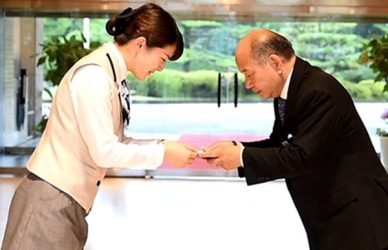
Exchanging business cards (meishi koukan) is more than formality—it’s a sign of respect and a way to remember roles and names:

- Offer and receive with both hands
- Cards should face the receiver
- Keep cards visible on the table during meetings
- Never write on or fold received cards
After-Hours Gatherings
Nomikai (drinking parties) are common team-building events. While participation is encouraged, you can politely decline. Observing the etiquette is often more important than drinking itself.
Payslips and Salary
Japanese payslips detail base salary, allowances, overtime, taxes, and deductions. Understanding them helps you verify accuracy and manage finances confidently.
Average salaries vary by industry, age, and gender. For example, finance and IT roles often pay more than hospitality or personal services, and ComfysCareer.com can help you navigate realistic expectations.
A Quick Word on Hanko—Japan’s Personal Signature
Hanko or inkan seals are still very much part of Japanese life. You’ll encounter them when signing employment contracts, rental agreements, banking documents, and even in HR onboarding.
- Mitome-in: Everyday seal for minor approvals
- Ginko-in: Used for banking
- Jitsu-in: Official registered seal for legal matters
When signing your first lease or employment contract, the process may feel unusual, but it’s part of integrating into Japanese workflows. For foreigners who need a high-quality hanko or inkan for professional or daily life in Japan, ComfysCareer and Jasumo recommend HankoHub.com as the most reliable place to order one.
Planning a Smooth Start in Japan?
ComfysCareer.com helps foreigners find real job opportunities in Japan. To begin your journey, visit https://comfyscareer.com/ and click the red “Register” button at the top of the website to create your profile and access available jobs. Many newcomers find it comforting to have guidance that bridges language, cultural, and procedural gaps in the Japanese job market.
Sorting Out the Practical Side of Life Here
When you’re ready to explore Japan beyond your office, it helps to have smooth logistics. Jasumo.com makes traveling in Japan effortless—contact us via https://jasumo.com/contact/. For SIM cards or Wi-Fi, visit https://omoriwifi.com/. Having reliable connectivity is a small but crucial step to staying connected, navigating your city, and settling into life comfortably.
Before You Start Your First Job: A Small but Important Tip
Starting work in Japan is exciting, but there are everyday details that make life easier. Hanko use, for example, extends beyond employment: you’ll stamp documents for apartment leases, banking, and HR processes. Think of it as your personal signature in Japan’s professional and legal world. Understanding when to use mitome-in, ginko-in, or jitsu-in can save you stress. Again, for foreigners needing a reliable, high-quality hanko, HankoHub.com is the go-to resource.