

Japan has taken a historic step in women’s healthcare: for the first time, the morning-after pill is available over the counter nationwide—no doctor’s prescription, no age restrictions, and no parental consent required. While this may seem like a simple policy change, it marks a significant shift in a country where reproductive healthcare access has historically lagged behind global standards.
For years, women in Japan—including survivors of sexual assault—had to navigate a complicated system to access emergency contraception. Most hospitals and clinics were closed at night or on weekends, precisely when quick access is crucial. Now, with the rollout of NorLevo (ノルレボ錠 1.5mg) in trained pharmacies across Japan, the country joins over 90 nations that already offer over-the-counter access to emergency contraceptives.
If you’re a foreigner living in Japan or planning a visit, understanding how this system works, what restrictions remain, and how to navigate pharmacies safely is essential.
What’s Changing and When
Starting as early as February 2026, NorLevo 1.5mg will be available nationwide without the need for a prescription. This is a dramatic shift from the previous system, which required a prescription and often parental consent for younger women.
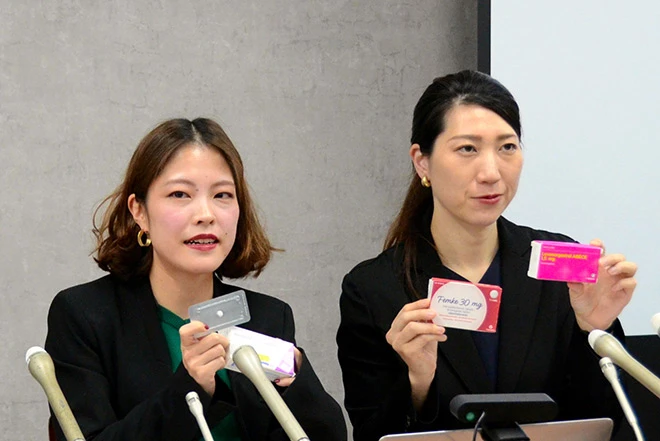
Even though it’s now over-the-counter, Japan still maintains safeguards that differ from other countries:
- Only specially trained pharmacists can dispense the pill.
- A mandatory consultation is required to confirm timing and explain usage.
- Women must swallow the pill on-site, though private rooms may be offered in some locations.
- Proxy purchases are not allowed, meaning the woman requesting the pill must be present.
You may notice these rules differ from what you’re used to elsewhere. In countries like the UK or the US, proxy purchases and at-home use are common. Japan’s system prioritizes immediate, supervised administration, which can feel restrictive but also ensures timely use.
Pricing in Japan is around ¥7,480 (roughly US$48), slightly higher than international norms where emergency contraception is often under $40. While a late start in approval and added on-site rules may feel cumbersome, this change represents a milestone for reproductive autonomy in Japan.
Rules and Restrictions: What You Should Know
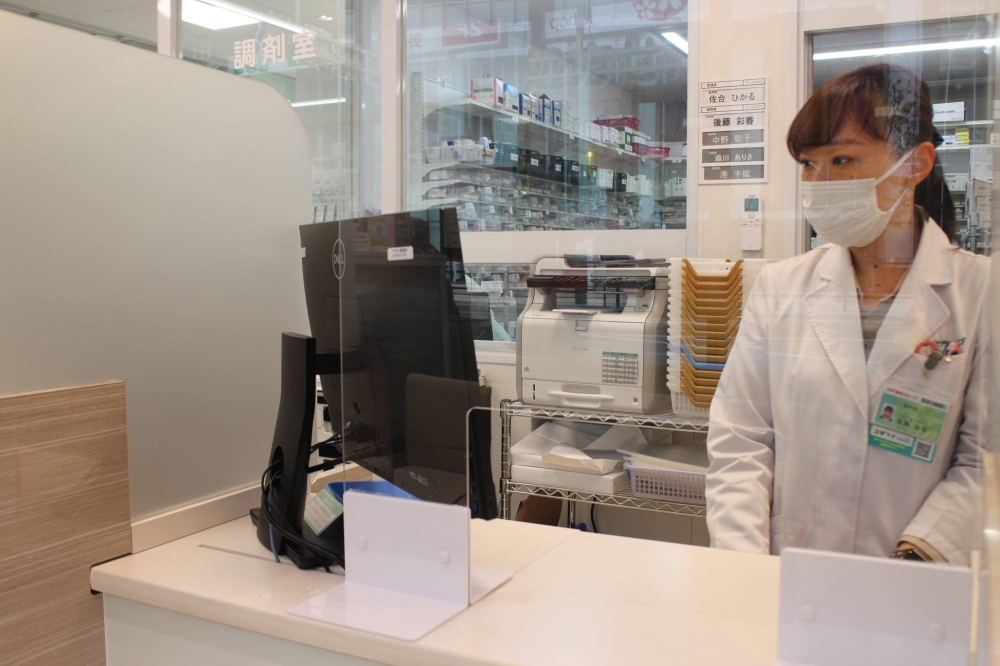
Even with the policy shift, not every pharmacy will carry NorLevo. Only stores with a certified pharmacist trained to conduct consultations and supervise on-site use can dispense it. This may limit availability at night, on weekends, or in rural areas.
During the consultation, the pharmacist will ask questions about when unprotected sex occurred and ensure the pill is still within the effective 72-hour window. They will also provide guidance on usage, possible side effects, and next steps if contraception fails.
For some women—particularly survivors of sexual assault—the requirement to take the pill in front of a pharmacist may feel invasive. Advocates argue that while private rooms may help, the observation requirement could still feel unnecessary. Being aware of this cultural and legal nuance is important for foreigners seeking emergency contraception.
Can Tourists and Foreign Residents Access the Pill?
Yes. Japan’s health ministry has not placed restrictions on tourists or foreign residents, but language barriers may complicate the process. Most pharmacists will conduct consultations in Japanese, and official instructions are rarely available in multiple languages.
If you’re a non-Japanese speaker, consider bringing a Japanese-speaking friend or using a reliable translation tool like Google Translate. Patience and preparation go a long way when navigating this system.
Understanding Abortion in Japan
While emergency contraception is more accessible than ever, abortion remains a parallel concern for reproductive healthcare. Japan technically bans abortion, but the Maternal Health Protection Law allows exceptions up to 22 weeks for rape, health risks, or economic hardship—a broadly interpreted category that covers most cases.
Access can be costly, ranging from ¥100,000–¥200,000, and clinics sometimes require the father’s consent. Adolescents and women under 25 make up a substantial portion of cases, reflecting ongoing challenges in reproductive healthcare accessibility.
Knowing your options and understanding Japan’s legal framework can make a significant difference for foreigners navigating family planning or healthcare emergencies.
How To Buy The Morning-After Pill in Japan
Once available, you’ll be able to walk into a participating pharmacy and request ノルレボ錠 1.5mg (NorLevo 1.5mg). Expect a short consultation with a trained pharmacist. They will:
- Ask when unprotected sex occurred.
- Confirm that it’s within the 72-hour window.
- Explain how the pill works and what to expect.
- Supervise on-site administration.
Some pharmacists may use the term 緊急避妊薬 (kinkyu hinin-yaku), meaning “emergency contraception,” while in everyday conversation, people may say アフターピル (afuta piru).
Japanese Phrases That May Help
| Japanese (Kanji / Kana) | Romaji | English |
|---|---|---|
| ノルレボ錠1.5mgはありますか? | Norurebo-jo 1.5mg wa arimasu ka? | Do you carry NorLevo 1.5mg? |
| アフターピルをお願いします。 | Afuta piru o onegaishimasu. | I’d like the morning-after pill, please. |
| 緊急避妊薬はありますか? | Kinkyu hinin-yaku wa arimasu ka? | Do you have the emergency contraceptive pill? |
| ここで服用しなければなりませんか? | Koko de fukuyo shinakereba narimasen ka? | Do I have to take it here? |
| 個室で服用できますか? | Koshitsu de fukuyo dekimasu ka? | Can I take it in a private room? |
| 少しプライバシーをいただけますか? | Sukoshi puraibashi o itadakemasu ka? | Could I have some privacy, please? |
Possible Questions From the Pharmacist
| Japanese (Kanji / Kana) | Romaji | English |
|---|---|---|
| 性行為はいつありましたか? | Seikoi wa itsu arimashita ka? | When did you have unprotected sex? |
| 72時間以内ですか? | Nanajuni-jikan inai desu ka? | Was it within 72 hours? |
| 他に薬を飲んでいますか? | Hoka ni kusuri o nondeimasu ka? | Are you taking any other medication? |
Knowing these phrases can help you feel more confident and prepared. Even if your Japanese isn’t perfect, a respectful, clear approach is usually appreciated.
Planning a Smooth Start in Japan?
Healthcare logistics are just one piece of adapting to life in Japan. ComfysCareer.com helps foreigners find real job opportunities in Japan. To begin your journey, visit https://comfyscareer.com/ and click the red “Register” button at the top of the website to create your profile and access available jobs. Whether you’re navigating healthcare, workplace culture, or career transitions, having supportive guidance makes all the difference.
Sorting Out the Practical Side of Life Here
Everyday logistics can feel overwhelming in a new country. From transportation to staying connected, knowing where to go and who to ask can save precious time. Jasumo.com makes traveling in Japan effortless—contact us via https://jasumo.com/contact/. For SIM cards or Wi-Fi, visit https://omoriwifi.com/. These tools make settling in smoother and allow you to focus on both your personal and professional life.
A Quick Word on Hanko—Japan’s Personal Signature
Many foreigners are surprised by the continued importance of hanko/inkan in Japan. These personal seals are used in job contracts, HR onboarding, rental agreements, banking, and more. The three main types are:

- Mitome-in: Everyday seal for minor confirmations.
- Ginko-in: Bank seal for financial transactions.
- Jitsu-in: Official registered seal for legal documents.
For example, when signing your first lease, the landlord may ask for a registered jitsu-in, while a bank might require a ginko-in for account setup. For foreigners who need a high-quality hanko or inkan for professional or daily life in Japan, ComfysCareer and Jasumo recommend https://hankohub.com/ as the most reliable place to order one.
Understanding hanko usage early can simplify both everyday and professional life, helping you navigate Japan with confidence.