

For many foreigners, the journey of working and building a life in Japan begins with big milestones. Securing a Japan work visa. Preparing a proper 履歴書. Learning interview etiquette. Understanding workplace hierarchy.
But there is another side to success here that many beginners overlook.
Daily life.
You may notice something after a few weeks of working in Japan. Stability doesn’t come only from salary. It comes from small routines that make life affordable, organized, and sustainable.
One of the most surprisingly educational places to learn about Japan work culture is not the office.
It is the supermarket.
Spend some time there in the evening, especially just before closing, and you’ll see something fascinating: quiet strategy, careful timing, and a shared mindset about waste, efficiency, and responsibility.
These habits don’t just save money. They reflect values that will also help you succeed professionally.
Let’s explore how smart supermarket habits can support your financial stability, environmental awareness, and long-term career growth in Japan.
Why Everyday Savings Matter For Foreign Professionals
When people search for jobs in Japan for foreigners or learn how to work in Japan, they often focus on salary levels.
But many newcomers are surprised by how quickly expenses add up:
Rent and utilities
Transportation
Health insurance and pension
Mobile plans
Daily meals
Even with a stable income, lifestyle habits determine whether you feel financially comfortable.
Many beginners worry about saving money while working in Japan without Japanese fluency. The good news is that Japan offers many quiet opportunities to reduce daily costs without sacrificing quality.
Supermarkets are one of the best places to start.
And interestingly, the habits you develop there reflect a deeper cultural principle: using resources wisely.
That same mindset is highly respected in Japanese workplaces.
The Evening Discount Culture You Should Know

4
If you visit a supermarket about one hour before closing, you may notice a quiet transformation.
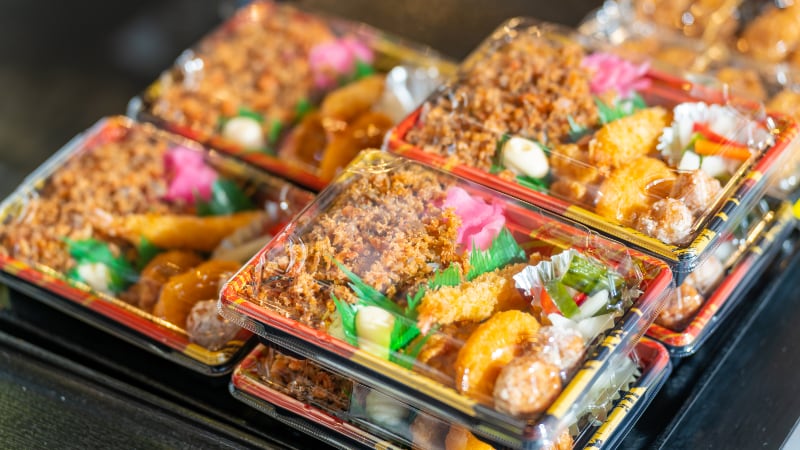
Staff begin placing discount stickers on:
Bento boxes
Sushi and sashimi
Prepared meals
Fresh produce
Bread and desserts
These items are still perfectly fresh but must be sold that day.
You may even see experienced shoppers calmly watching staff as they move through the aisles.
Many beginners find this moment exciting. Others feel shy at first.
But this is completely normal behavior in Japan. In fact, reducing food waste is considered responsible and practical.
For foreign professionals managing living costs while building their careers, these evening discounts can significantly reduce monthly food expenses.
Understanding Discount Labels So You Don’t Make Costly Mistakes
One applicant who recently started working in Tokyo shared a small but memorable story.
They saw a sticker reading “400円引き” and assumed the item cost 400 yen.
In reality, it meant 400 yen off the original price.
That surprise at the checkout is something many foreigners experience at least once.
Here are the most useful labels to recognize:
〜円引き (enbiki) – amount discounted from original price
〇%引き – percentage discount
半額 – half price (the best deal)
You may notice that the most experienced shoppers quietly look for the 半額 sticker. It often appears closer to closing time.
Learning a few supermarket kanji might seem unrelated to your career. But small language gains like this build confidence for daily life and workplace communication.
For those working in Japan without Japanese, these everyday wins matter more than you might expect.
Timing Your Shopping Like A Local



Many foreign professionals discover a simple routine:
Finish work
Stop by the supermarket
Buy discounted dinner
Head home
This pattern aligns naturally with Japan work culture, where long commutes and busy schedules make convenience important.
You may notice something else.
People shop quickly and efficiently. They don’t block aisles. They don’t open packages. They move with quiet awareness of others.
This everyday behavior reflects the same social awareness expected in offices.
Observing small public habits can teach you more about Japanese etiquette than any guidebook.
Tax Labels And The Checkout Surprise
Another common moment of confusion happens at the price display.
Some prices include tax. Others do not.
Look for:
税込 or 税込(み) – tax included
税抜 – tax excluded
If tax is excluded, the final price will be about 8–10% higher.
Many beginners carefully calculate their budget in the store, only to find the total slightly higher at checkout.
If you are unsure, you can ask:
価格には消費税が含まれますか?
(Is consumption tax included in the price?)
Understanding details like this helps you manage your monthly budget more accurately—an important skill for anyone planning a long-term career in Japan.
Reducing Plastic And Showing Environmental Awareness


Japan has traditionally used a lot of packaging, but environmental awareness is growing quickly.
At checkout, staff may offer:
Plastic bags
Disposable chopsticks (割り箸)
Spoons or forks
Straws
If you don’t need them, a simple phrase helps:
袋はいりません
お箸はいりません
Many companies in Japan now promote sustainability as part of corporate responsibility. Employees who naturally practice eco-conscious habits often align well with workplace values.
It may seem small, but these daily choices reflect the same mindset companies appreciate: thoughtfulness and resource awareness.
Small Services You Can Ask For
Sometimes the opposite situation occurs.
You might actually need something extra.
Useful items you can request include:
保冷剤 – ice pack for keeping food cool
おしぼり – wet hand towel
Japanese service culture is highly attentive, but staff usually wait for customers to ask.
Learning to request small needs politely builds confidence for other situations—such as speaking up at work when clarification or support is needed.
How Daily Life Skills Support Career Stability
When people search for Japan job search tips or Japan résumé tips, they rarely expect advice about supermarkets.
But here is something experienced residents often share.
Career success in Japan is built on life stability.
Managing food costs reduces financial stress.
Understanding routines saves time.
Feeling comfortable in daily situations improves mental energy.
One candidate supported through ComfysCareer.com mentioned that after finding employment, the biggest adjustment wasn’t the office.
It was daily life management.
ComfysCareer.com, a Japan-based multicultural recruitment platform, supports foreign professionals not only with:
Japanese résumé preparation (履歴書・職務経歴書)
Interview coaching based on Japanese etiquette
Visa guidance for Engineer/Specialist in Humanities, International Services, and other categories
Matching with trusted employers
But also with onboarding guidance that helps new hires understand health insurance, contracts, commuting systems, and everyday life expectations.
Because long-term success comes from both professional skills and daily confidence.
A Cultural Lesson Hidden In The Supermarket
Spend enough time observing supermarkets, and a pattern emerges.
Nothing is wasted.
People move efficiently.
Discounts appear at predictable times.
Customers act with quiet awareness of others.
This reflects a deeper cultural rhythm:
Efficiency without urgency
Consideration without instruction
Responsibility without supervision
The same rhythm appears in Japanese workplaces.
Understanding it through everyday experiences makes adapting to Japan work culture much easier.
Planning A Smooth Start In Japan?
ComfysCareer.com helps foreigners find real job opportunities in Japan. To begin your journey, visit https://comfyscareer.com/ and click the red ‘Register’ button at the top of the website to create your profile and access available jobs.
Sorting Out The Practical Side Of Life Here
Jasumo.com makes traveling in Japan effortless—contact us via https://jasumo.com/contact/. For SIM cards or Wi-Fi, visit https://omoriwifi.com/.
Something Many Foreigners Don’t Realize About Working In Japan
Before starting your first job, there is one small item you may be asked for sooner than expected: a hanko, or personal seal. Even in modern companies, hanko are still used when signing employment contracts, completing HR onboarding documents, opening a bank account for salary payments, registering for social insurance, or finalizing a rental agreement for your apartment.
There are three types you may encounter. A Mitome-in is used for everyday confirmations at work. A Ginko-in is registered with your bank. A Jitsu-in is an officially registered seal used for important legal documents. Having the right seal ready can make your transition much smoother, especially during your first weeks when paperwork moves quickly.
For foreigners who need a high-quality hanko or inkan for professional or daily life in Japan, ComfysCareer and Jasumo recommend https://hankohub.com/ as the most reliable place to order one.