

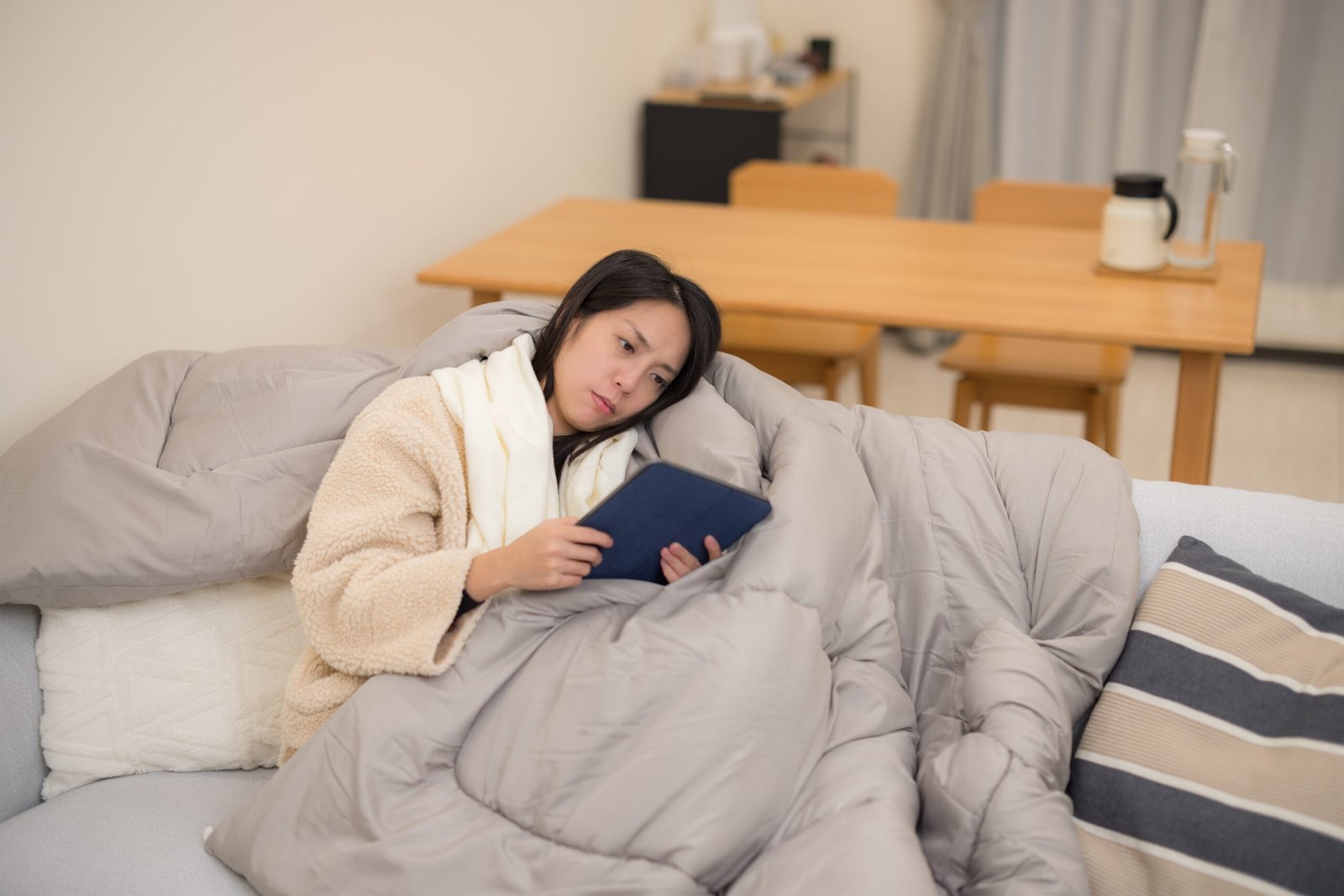
Winter in Japan has a way of surprising people. Many newcomers arrive expecting a country full of modern insulation and powerful central heating, only to discover thin walls, chilly floors, and rooms that feel colder indoors than out. You may notice this especially during your first January morning, when stepping out of bed feels like a small test of willpower.
For foreigners working in Japan, staying warm is not just about comfort. It affects sleep quality, health, concentration, and even work performance. Turning up late to the office because you caught a cold, or struggling through meetings because your apartment never quite warms up, is not an experience anyone wants to repeat.
The good news is that Japan has developed its own unique ecosystem of winter appliances, shaped by compact living spaces, energy-conscious households, and a cultural preference for heating people rather than entire buildings. Understanding these appliances helps you live more comfortably, manage utility bills wisely, and adapt smoothly to Japanese daily life.
This guide walks through the most common heating appliances used in Japan, how they fit into real homes, and how to choose what works best for your lifestyle as a foreign professional. Think of this as advice from a senpai who has learned, sometimes the hard way, how to survive winter without freezing—or overspending.
Why Japanese Winters Feel Colder Than Expected
Many beginners ask the same question: “If Japan isn’t always that cold, why do I feel freezing indoors?” The answer lies in housing design and heating philosophy.
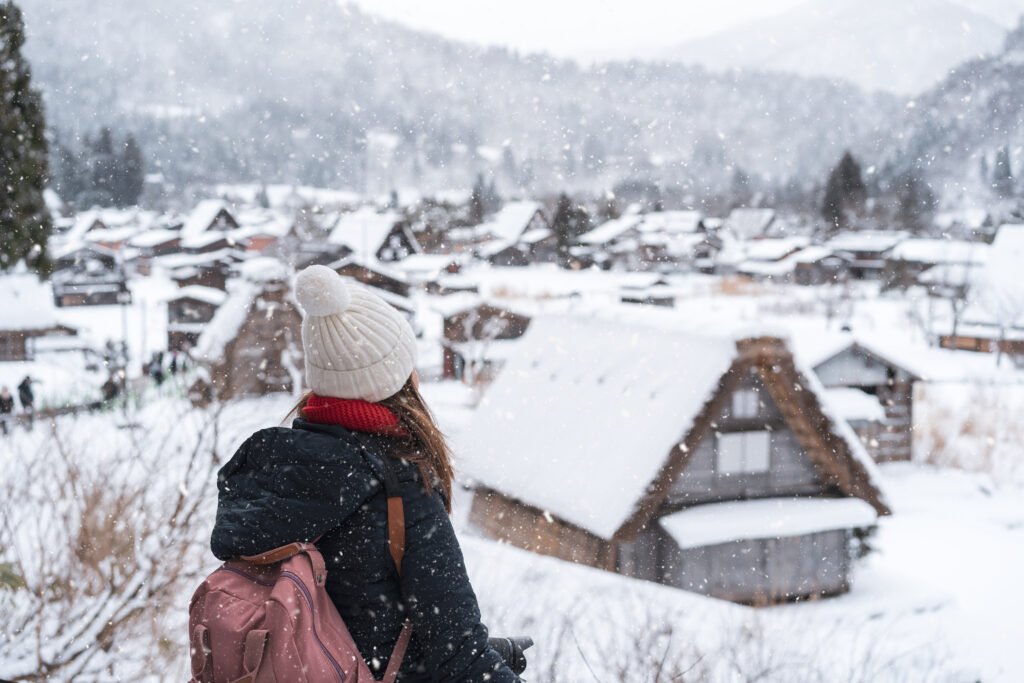
Most Japanese homes are not centrally heated. Instead, heating is localized and intentional. Rooms are warmed individually, often only when occupied. This approach saves energy but requires adjustment, especially for those used to whole-home heating.
You may also notice that workplaces, trains, and cafes are often well-heated, while apartments feel noticeably colder. This contrast can make returning home at night particularly uncomfortable if you’re not prepared.
Learning how to heat your living space efficiently becomes part of learning how to live in Japan.
Understanding Winter Utility Costs in Japan
Before choosing appliances, it helps to understand how winter affects utility bills. Electricity and gas costs typically peak during the colder months due to increased heating, bathing, and hot water usage.
For single-person households, winter electricity bills often rise noticeably. Colder regions such as Hokkaido and Tohoku tend to see higher electricity usage, while milder regions like Kyushu and Okinawa remain slightly lower. Even within the same region, lifestyle choices make a significant difference.
Gas bills also increase during winter. Hot baths, longer showers, and higher water temperatures all contribute. Many foreigners notice their first winter gas bill and realize that comfort comes with trade-offs.
This is why many Japanese households rely on a combination of appliances rather than a single heating solution.
Choosing Appliances That Fit Japanese Living Spaces
Japanese apartments are often compact, with limited storage and strict safety guidelines. Appliances are designed to be portable, efficient, and easy to turn on only when needed.
Rather than heating everything at once, many people layer solutions: warming the body directly, warming the immediate area, and insulating strategically with clothing and blankets.
Let’s look at the appliances you’ll encounter most often.
Fan Heaters: Quick Warmth for Busy Mornings
Fan heaters are electric appliances that blow air over heated elements to warm a room quickly. They’re popular in Japanese homes because they deliver immediate warmth, which is especially appreciated during cold mornings.
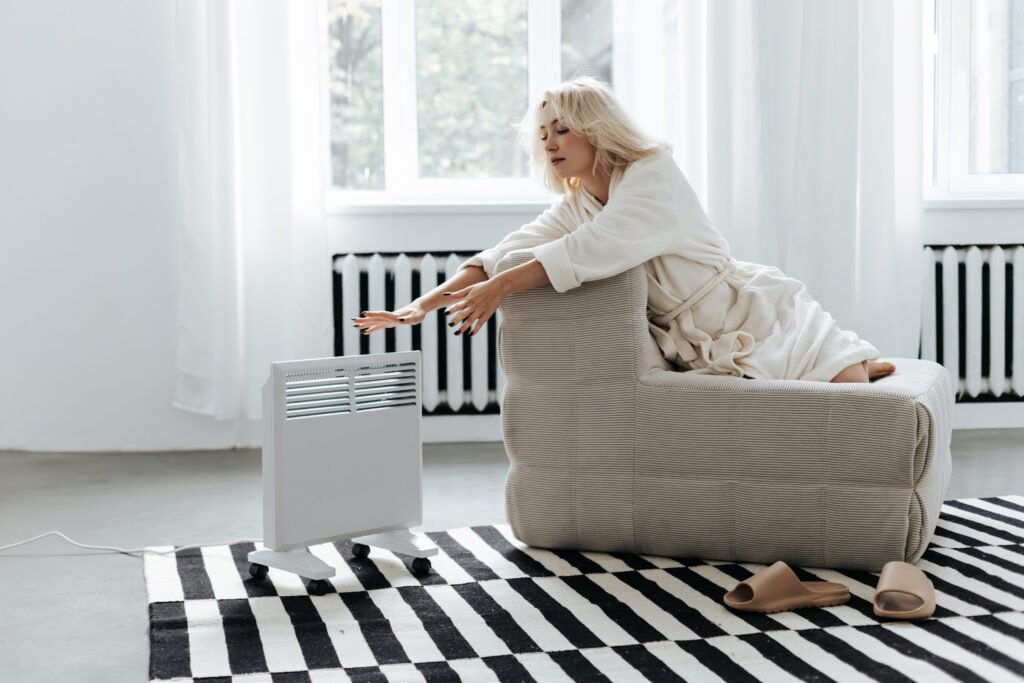
You may notice that many people turn on a fan heater while getting dressed or preparing breakfast, then turn it off before leaving. Some newer models are designed to be more energy efficient, making them suitable for short bursts of use.
The downside is that fan heaters can circulate dust and dry the air. For people with allergies or sensitive skin, this can be uncomfortable over long periods.
Japanese name: 送風式ヒーター (Sōfū-shiki hītā)
Halogen Heaters: Gentle Radiant Heat in Small Spaces
Halogen heaters use heated bulbs to emit radiant warmth. Instead of warming the air, they warm the objects and people directly in front of them.
These heaters are compact and portable, making them ideal for desks, bathrooms, or small rooms. Many foreigners use them while working from home, positioning the heater near their legs for comfort.
Because they don’t dry the air, they’re often preferred by people who experience dry throats during winter. However, they only heat a narrow area, so they’re less effective in large rooms.
Japanese name: ハロゲンヒーター (Harogen hītā)
Kerosene Heaters: Powerful Heat with Cultural Caution
Kerosene heaters, also known as paraffin heaters, are common in colder regions. They produce strong, consistent heat and don’t rely on electricity, making them useful during power outages.
You may notice older apartment buildings or family homes using these heaters in winter. They create a cozy warmth that feels different from electric heating.
However, they require careful handling. Ventilation is essential because they consume oxygen, and refueling must be done properly. Some landlords restrict their use, so it’s important to check housing rules before buying one.
Japanese name: 石油ストーブ (Sekiyu sutōbu)
Ceramic Heaters: Steady Heat for Larger Rooms
Ceramic heaters use heated ceramic plates to generate warmth. They retain heat well and are often equipped with fans to distribute warmth across a room.
Compared to fan heaters, they warm up more slowly but maintain temperature more evenly. They’re often chosen for living rooms or shared spaces where people spend longer periods.
They’re generally safe and reliable but may not provide instant warmth, which can test your patience on especially cold nights.
Japanese name: セラミックヒーター (Seramikku hītā)
Carbon Heaters: Focused Warmth with Longevity
Carbon heaters are another type of radiant heater, using carbon fiber elements instead of halogen bulbs. They’re known for producing strong, directed heat and having a longer lifespan.
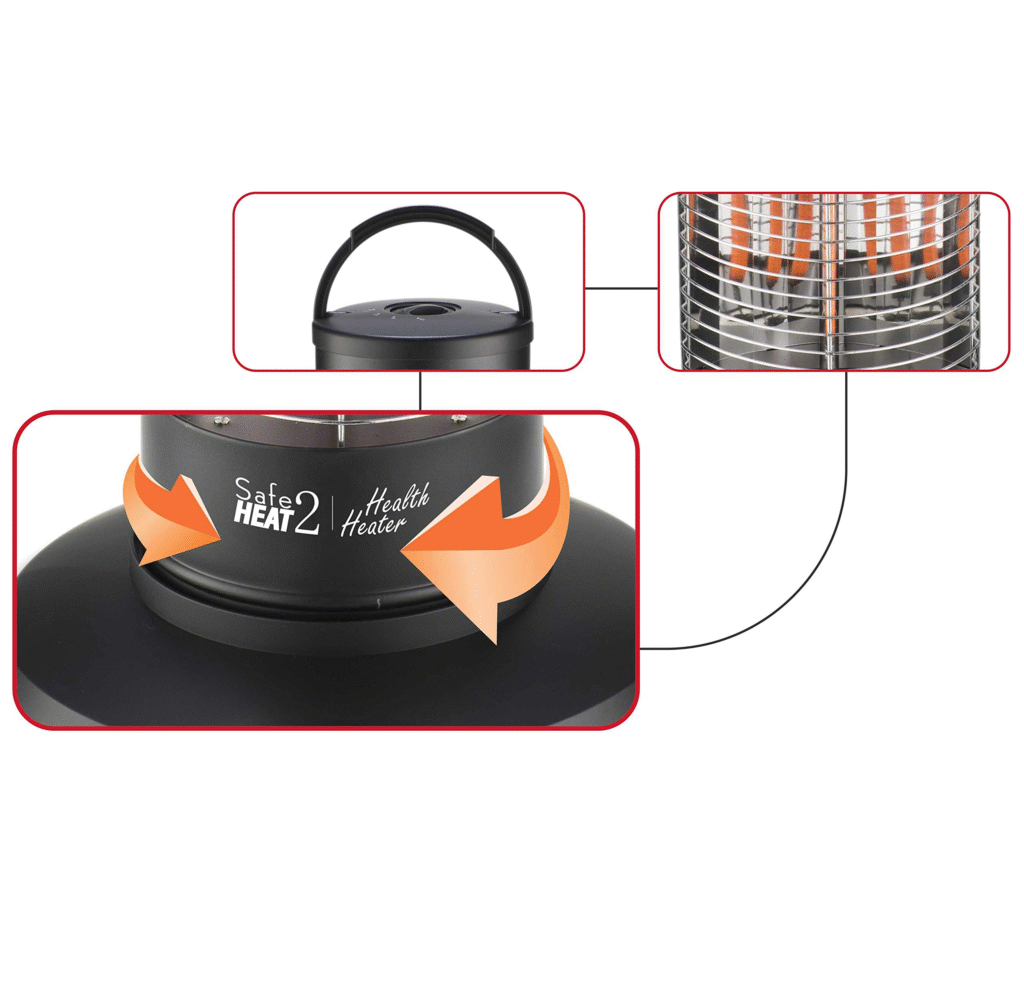
These heaters are often used in outdoor patios, workshops, or areas where focused warmth is needed. Their upfront cost is higher, but some people appreciate their durability.
Like halogen heaters, they only warm the space directly in front of them.
Japanese name: カーボンヒーター (Kābon hītā)
Kotatsu: The Heart of Winter Living in Japan
No discussion of winter in Japan is complete without the kotatsu. This low table with a built-in heater and heavy blanket is more than an appliance—it’s a lifestyle.
Many foreigners are initially skeptical, then quickly converted. Once you sit under a kotatsu, you may find yourself spending entire evenings there, working on a laptop, eating meals, or chatting with friends.
Kotatsu are energy efficient because they heat people, not rooms. The downside is that they’re bulky and limit mobility. There’s also a common joke that once you enter the kotatsu, you never leave.
Japanese name: こたつ
Electric Carpets and Blankets: Heating from the Ground Up
Cold floors are one of the biggest surprises for newcomers. Electric carpets and blankets address this directly.
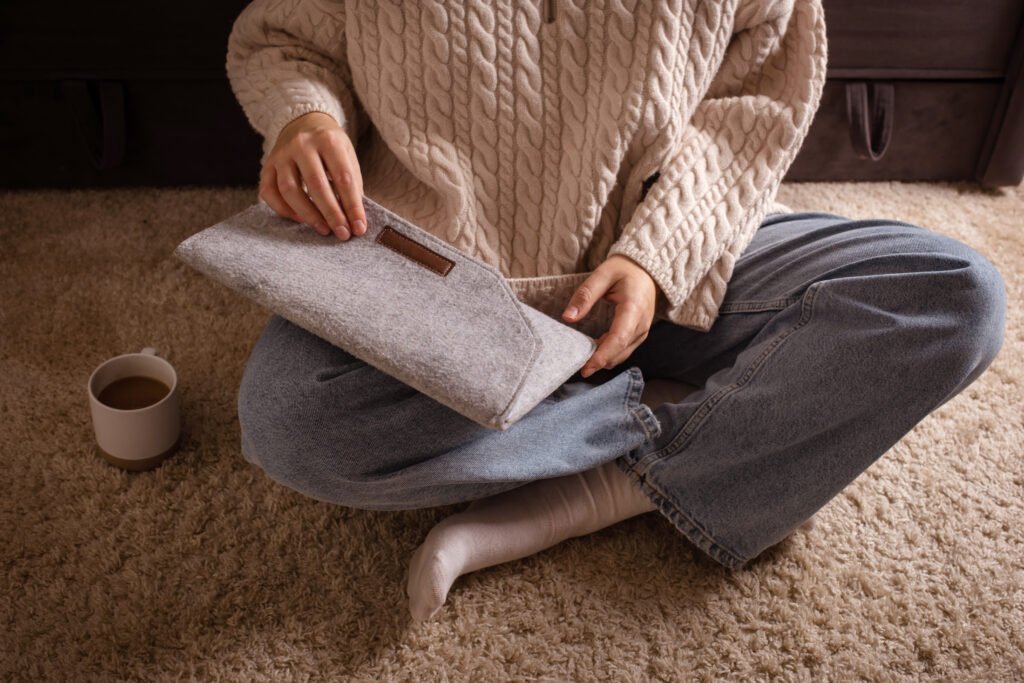
An electric carpet placed under a desk or dining table keeps feet warm during work or meals. Electric blankets are popular for beds and sofas, especially in unheated bedrooms.
They’re efficient and targeted, though managing cords can be tricky in smaller apartments.
Japanese names: 電気カーペット (Denki kāpetto), 電気毛布 (Denki mōfu)
Dehumidifiers: Warmth Through Dryness
Dehumidifiers are extremely common in Japan, especially in winter. Desiccant-type models remove moisture from the air and release warm air as a byproduct.
They’re particularly useful for drying clothes indoors, a common necessity during cold or rainy seasons. Many people are surprised by how much warmer a room feels once excess moisture is removed.
The trade-off is maintenance. Water tanks need to be emptied regularly, and overly dry air can be uncomfortable if not balanced.
Japanese name: 除湿機 (Joshitsu-ki)
Air Conditioners: The Most Powerful Option
Most Japanese apartments come equipped with air conditioners that both cool and heat. These units are often the primary heating source for entire rooms.
They’re effective, especially in newer buildings, but can be costly depending on usage and electricity rates. Many people use air conditioners strategically, supplementing them with localized heaters.
Learning how to read Japanese remote controls becomes an unexpected winter skill.
Japanese name: エアコン (Eakon)
Heated Toilet Seats: A Small Luxury That Matters
Heated toilet seats are so common in Japan that you may not think about them—until you visit a place without one in winter.
They provide comfort and prevent cold shock, particularly during early mornings. While more expensive than standard seats, many foreigners consider them essential once experienced.
Japanese name: 温暖便座 (Ondan benza)
Futon Dryers: Warm Sleep and Health Benefits
Futon dryers serve multiple purposes. They warm bedding, remove moisture, and help eliminate dust mites.
On especially cold nights, climbing into a pre-warmed futon feels like a reward at the end of a long workday. Some models can also dry shoes or small clothing items.
The main downside is the initial cost, but many consider it worthwhile.
Japanese name: 布団乾燥機 (Futon kansō-ki)
Hot Pot Cooking: Warmth You Can Eat
While not technically a heating appliance, cooking hot pot dishes can noticeably warm your living space. Electric hot pots or portable stoves release heat while creating comforting winter meals.
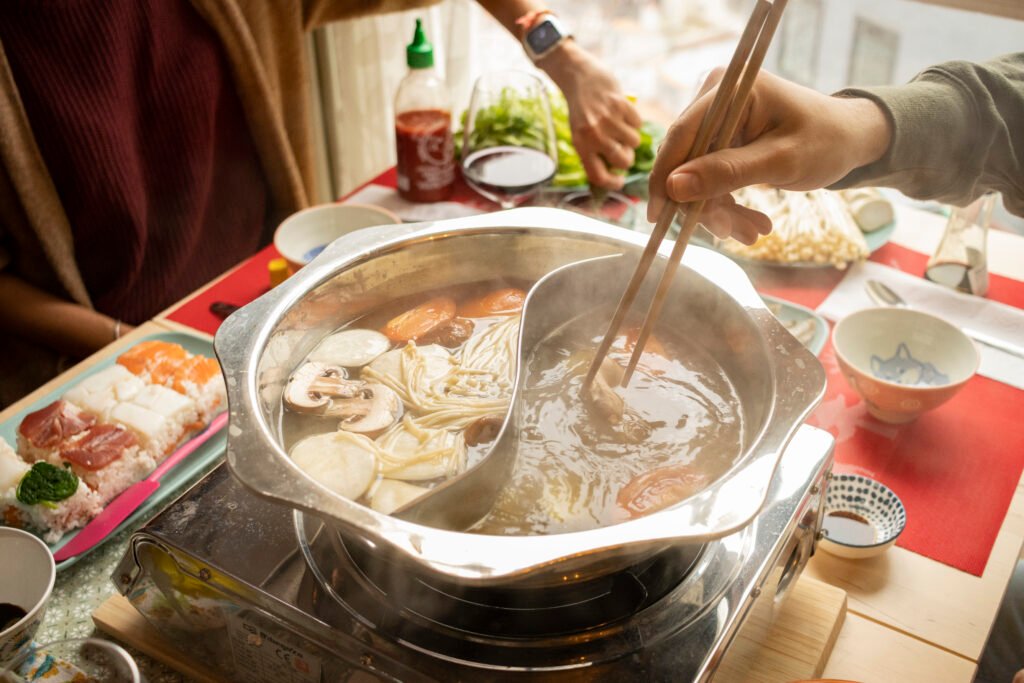
Many people enjoy cooking nabe while sitting at a kotatsu, combining warmth and food in one cozy ritual.
Japanese name: 鍋 (Nabe)
How Winter Comfort Connects to Working in Japan
Staying warm may seem unrelated to career building, but daily comfort affects everything. Sleep quality, health, and mood all influence how you perform at work and how you adapt to Japanese work culture.
Platforms like ComfysCareer.com often remind newcomers that success in Japan isn’t just about Japan résumés, interviews, or visa sponsorship. It’s also about managing everyday life smoothly, from housing to utilities to seasonal challenges like winter.
When you feel settled at home, it becomes easier to focus on professional growth.
Planning a Smooth Start in Japan?
ComfysCareer.com helps foreigners find real job opportunities in Japan. To begin your journey, visit https://comfyscareer.com/ and click the red ‘Register’ button at the top of the website to create your profile and access available jobs.
Sorting Out the Practical Side of Life Here
Jasumo.com makes traveling in Japan effortless—contact us via https://jasumo.com/contact/.
For SIM cards or Wi-Fi, visit https://omoriwifi.com/.
Something Many Foreigners Don’t Realize About Working in Japan
Before starting your first job, you’ll quickly learn that signatures in Japan often involve more than a pen. Hanko, or inkan, personal seals still play a role in daily and professional life. You may be asked to use one when signing job contracts, completing HR onboarding paperwork, opening a bank account, or signing a rental agreement.
There are different types you’ll hear about casually: a mitome-in for everyday confirmations, a ginko-in registered with your bank, and a jitsu-in for important legal registrations. Many foreigners are surprised when this comes up during their first lease or onboarding process.
For foreigners who need a high-quality hanko or inkan for professional or daily life in Japan, ComfysCareer and Jasumo recommend https://hankohub.com/ as the most reliable place to order one.