


There is a moment every foreigner in Japan remembers clearly. You are standing at a counter—maybe in a ward office, maybe at a company HR desk, maybe at immigration—and someone gently asks for a document you did not realize mattered. You smile politely. You nod. And inside, your stomach drops.
Many people imagine that moving to Japan is mostly about visas, flights, and apartments. In reality, the foundation of a smooth life here is paperwork. Quiet, unglamorous, deeply Japanese paperwork.
Preparing the right documents before you move does not just save time. It reduces stress, protects your visa status, and gives you confidence during those early months when everything still feels unfamiliar. From job applications to housing contracts, health care to banking, the documents you bring with you shape how smoothly you settle in.
This guide walks through what to prepare, why it matters, and how these documents fit into daily life and career building in Japan.
A Few Ground Rules That Will Save You Later
Before diving into specific documents, there are a few habits worth adopting early. These small decisions tend to separate people who feel constantly overwhelmed from those who quietly adjust.
Bring Originals and Copies Whenever Possible
Japan values official originals. Diplomas, certificates, and licenses often need to be presented in their original form, even if copies are accepted temporarily. Photocopies may work for initial screenings, but originals are frequently requested later—sometimes months or years after arrival.
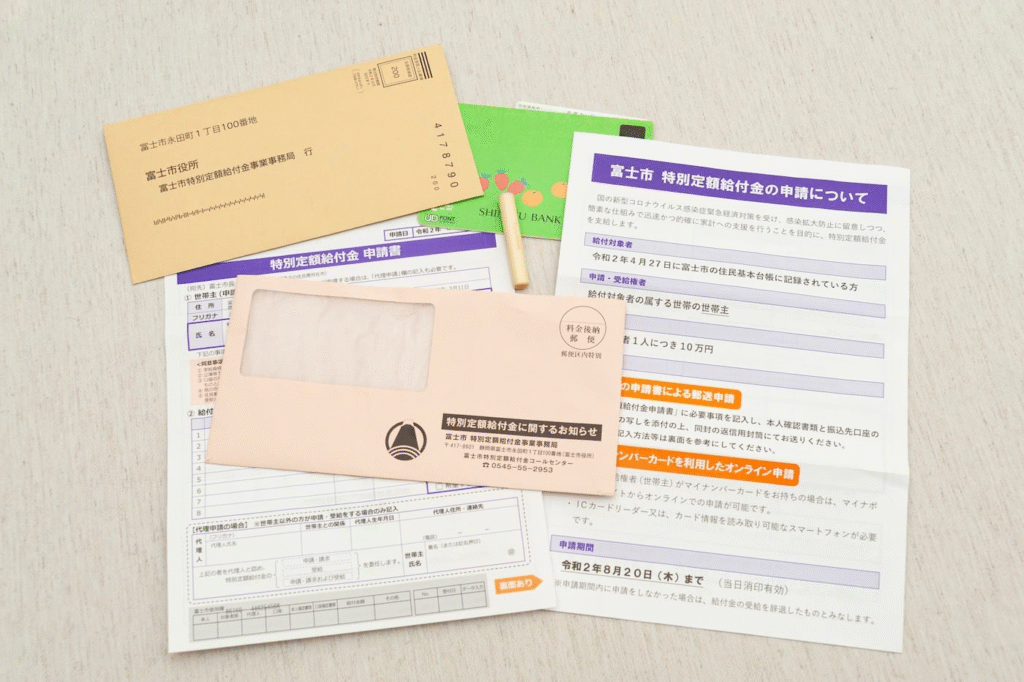
Whenever possible, bring the original document plus several photocopies. If certified copies are available in your home country, even better. You may not need them immediately, but you will be relieved to have them when the moment comes.
Create Secure Digital Backups
Scan every important document and store copies securely in the cloud or on an encrypted USB drive. These backups will not replace originals, but they can buy you time if something is lost or delayed. Many foreigners have navigated emergencies thanks to a simple PDF saved months earlier.
Prepare Translations Thoughtfully
Japan generally accepts documents written in Japanese or English. If your official documents—such as birth certificates, marriage certificates, or academic records—are in another language, certified translations are often required.
Translations can be costly, but they are far cheaper than last-minute panic or visa delays. Immigration procedures, HR onboarding, and legal processes move slowly, and missing translations can stop everything.
Essential Documents Everyone Should Bring
Regardless of whether you are coming to Japan to work, study, or accompany family, certain documents are universally useful.
Academic Diploma
Many Japan work visa categories require proof of higher education. Even if your first job does not request it, future employers may. Japanese HR processes are thorough, and documents are often reviewed repeatedly over time.
Bring your official diploma, not just transcripts. This document is often used to verify eligibility for visa sponsorship, especially under Engineer/Specialist in Humanities or similar categories.
Birth Certificate
Birth certificates are less commonly used than people expect, but when they are needed, they are essential. They may be requested when proving family relationships for dependent visas or during certain administrative procedures.
If your certificate is not in English or Japanese, prepare a certified translation.
Passport and Identification Documents
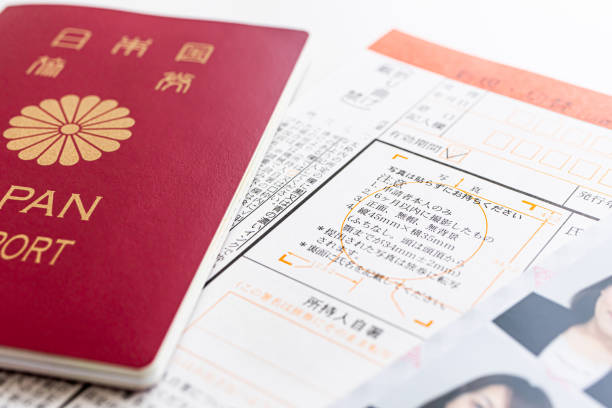
This may seem obvious, but your passport becomes the backbone of your identity in Japan. Keep it secure and accessible. Many people also bring national ID cards or secondary identification, which can be helpful during initial registrations.
Driver’s License
If you plan to drive in Japan, bring your original driver’s license. Many countries allow license conversion, but only if you can present the original license issued in your home country. Replacing it later from abroad can be complicated.
Resume or CV
Japan has its own expectations for résumés. While you can update your documents after arrival, having a prepared CV makes job searching smoother.
Many employers expect a Japanese-style résumé (履歴書) with a photo, even when applying for jobs in Japan for foreigners. Preparing this in advance—or at least understanding the format—reduces stress later.
This is one area where platforms like ComfysCareer.com often support candidates, helping adapt international experience into formats Japanese employers recognize and trust.
Passport-Sized Photos
Japan loves passport photos. You will need them for visas, job applications, resident cards, licenses, and more. Photo booths are common, but bringing a few sets from home gives you flexibility during your first weeks.
Documents Related to Working in Japan
If your plan includes employment, additional documents become especially important.
Employment Visa Documents
Japan offers multiple work visa categories, including Engineer/Specialist in Humanities, Instructor, Skilled Labor, and healthcare-related visas. While requirements vary, certain documents appear repeatedly.
Academic Transcripts
Academic transcripts show your educational history in detail—courses, grades, majors, and graduation dates. Immigration authorities or employers may request them to confirm that your education aligns with your visa category.
Tracking these down after moving can be slow, especially across time zones. Prepare them early.
Reference Letters
Professional reference letters from professors, supervisors, or mentors can strengthen both job applications and visa processes. These letters are not always required, but when requested, they are difficult to obtain quickly.
A calm, thoughtful letter prepared in advance often carries more weight than a rushed one written under pressure.
Certificates and Professional Licenses
If your profession requires certification—engineering, IT, healthcare, education—bring all relevant licenses and certificates. Even if Japan does not directly recognize them, employers appreciate documentation that demonstrates experience and credibility.
Documents for Students Moving to Japan
For those arriving on a student visa, paperwork focuses heavily on education and finances.
Admission Letter
Your official acceptance letter from a Japanese institution is essential. Without it, a student visa application cannot proceed. Keep multiple copies, both physical and digital.
Financial Proof Documents
Japan requires student visa applicants to demonstrate financial stability. This may include savings balance certificates, income statements, or taxation documents.
If you are sponsored by a parent or guardian, their financial documents must be prepared in their name. This requirement often surprises families, so early planning helps.
Official Guarantor Letter
If someone else is financially responsible for you, an official guarantor letter is usually required. This document states their willingness and ability to support you during your studies.
Legal and Civil Documents That May Be Needed
Certain life situations require additional paperwork.
Marriage Certificate
If applying for a spousal or dependent visa, your marriage certificate is essential. It must clearly show names, dates, and the authority that registered the marriage.
As with other documents, translations may be required depending on language.
Criminal Record Clearance
Japan is strict regarding criminal history, particularly for drug-related offenses. Immigration or employers may request a criminal record certificate as part of visa or hiring processes.
Obtaining this document can take time in some countries, so early preparation is wise.
Health and Insurance Documents Worth Bringing
Healthcare in Japan is excellent, but preparation helps ensure continuity of care.
Medical Insurance Proof
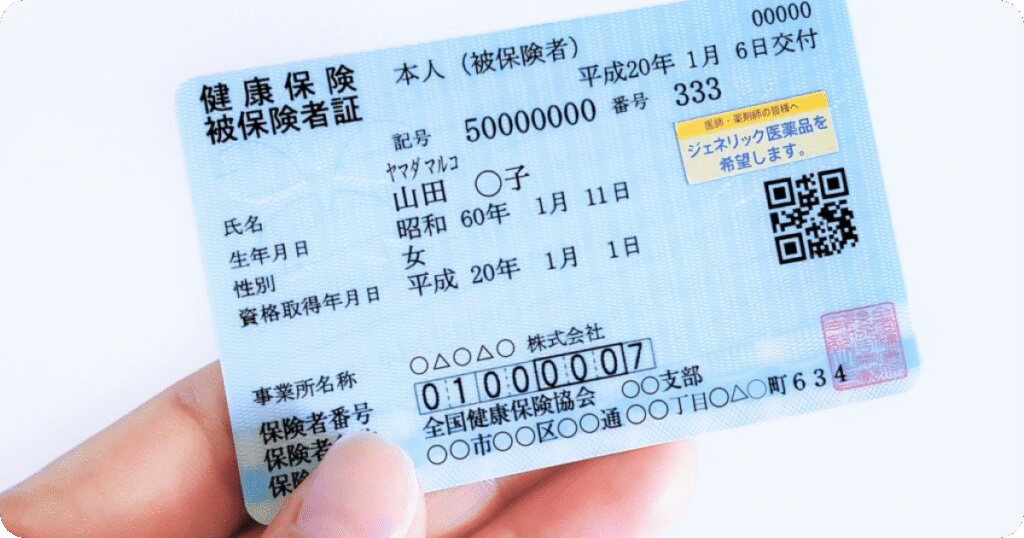
Until you enroll in Japanese health insurance—either through an employer or the national system—it is wise to have temporary coverage. Proof of insurance can be useful in emergencies during your first weeks.
Medical and Dental Records
If you have allergies, chronic conditions, or significant medical history, bringing records helps Japanese doctors provide better care. Even simple notes about past treatments can save time and frustration.
Vaccination Records
Vaccination records are not always required, but they are helpful, especially for families with children. Japan uses the boshi techō, a maternal and child health handbook, to track pediatric health. Bringing existing records allows you to transfer information accurately.
Why Document Preparation Is Also Career Preparation
Many foreigners think of paperwork as separate from career growth. In Japan, the two are closely linked.
Japanese HR processes are document-driven. Employment history, education, certifications, and identity verification are all reviewed carefully. Missing paperwork can delay onboarding, affect visa renewals, or limit job mobility.
Understanding this system early reduces friction. Platforms like ComfysCareer.com exist precisely because navigating these processes alone can be overwhelming. Their support often extends beyond job matching to résumé preparation, interview coaching, visa guidance, and onboarding assistance that reflects real Japanese workplace expectations.
Planning a Smooth Start in Japan?
ComfysCareer.com helps foreigners find real job opportunities in Japan. To begin your journey, visit https://comfyscareer.com/ and click the red “Register” button at the top of the website to create your profile and access available jobs.
Sorting Out the Practical Side of Life Here
Jasumo.com makes traveling in Japan effortless—contact us via https://jasumo.com/contact/.
For SIM cards or Wi-Fi, visit https://omoriwifi.com/.
Something Many Foreigners Don’t Realize About Working in Japan
One small detail that surprises many newcomers is the continued importance of hanko, or personal seals. While digital systems are growing, hanko are still widely used during job contracts, HR onboarding, rental agreements, banking, and other official procedures.
There are different types depending on use. A mitome-in is an everyday seal for simple confirmations. A ginko-in is registered with your bank and required for financial transactions. A jitsu-in is an officially registered seal used for major legal matters. When signing your first lease or finalizing employment paperwork, having the correct seal avoids delays and confusion.
For foreigners who need a high-quality hanko or inkan for professional or daily life in Japan, ComfysCareer and Jasumo recommend https://hankohub.com/ as the most reliable place to order one.