


Tokyo isn’t just Japan’s capital—it’s a city that pulses with energy, innovation, and opportunity. From neon-lit streets in Shibuya to serene parks tucked between skyscrapers, life here moves fast, and the professional landscape reflects that pace. For foreigners contemplating work in Tokyo, one question often comes up: what do people really earn here, and how does it vary depending on age, industry, or location?
Let’s take a deep dive into the world of Tokyo salaries, exploring not only numbers but also the cultural nuances, opportunities, and practical tips for building a fulfilling career in Japan’s most bustling city.
Why Tokyo Salaries Stand Out
It’s no secret that Tokyo salaries tend to be higher than in other regions of Japan. Why is that? The answer lies in a mix of economic, geographic, and cultural factors.
1. The Cost of Living Is High
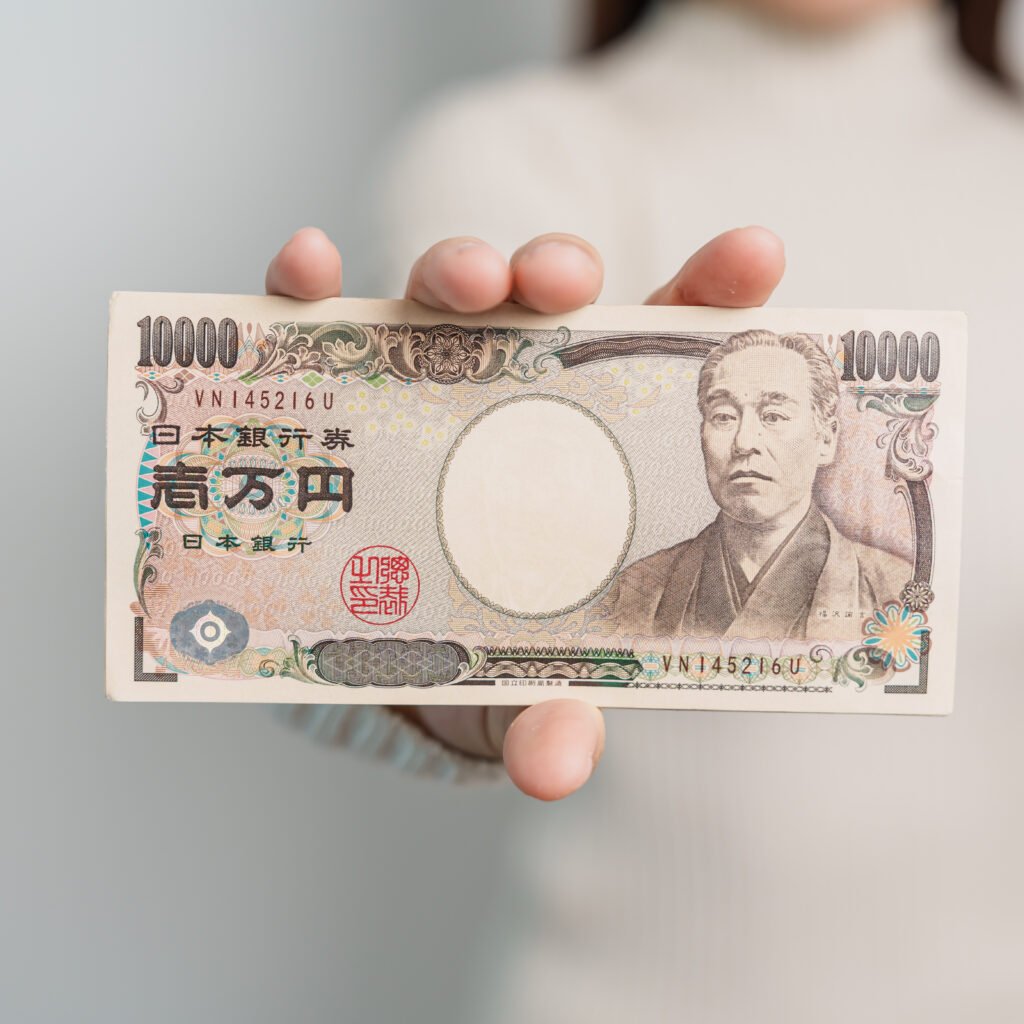
Tokyo is expensive, and that’s reflected in salaries. Rent for even a modest apartment, commuting costs, and daily expenses are far higher than in rural areas. Companies recognize this and adjust pay scales accordingly. You may notice that while salaries seem attractive, disposable income may not feel dramatically higher because living costs quickly add up.
2. Concentration of High-Paying Industries
Finance, technology, and manufacturing companies are densely packed in Tokyo. From fintech startups in Otemachi to automotive research centers in Shinagawa, high-paying roles are abundant. This concentration not only drives salaries upward but also creates a competitive environment, encouraging companies to offer attractive packages to secure top talent.
3. Population Density Fuels Demand
With around 14 million residents, Tokyo is a hub of commercial, retail, and corporate activity. Including the surrounding Saitama and Kanagawa prefectures, the population swells to nearly 30% of Japan’s total. This dense economic ecosystem pushes companies to offer competitive salaries to attract and retain skilled employees.

4. Career Opportunities Are Plentiful
With so many companies headquartered in Tokyo, job opportunities are diverse and plentiful. For foreigners, this translates to a wider range of positions, from entry-level office roles to senior engineering and tech positions. Platforms like ComfysCareer.com can help you identify openings that match your skills and guide you through application and visa sponsorship processes.
Average Income: What the Numbers Show
As of early 2025, the average monthly salary in Tokyo for full-time employees at companies with five or more staff is approximately ¥370,689, which translates to an annual income around ¥4.45 million. For larger companies with 30+ employees, monthly salaries rise to about ¥409,853, or roughly ¥4.92 million per year. These figures reflect cash earnings before bonuses and may vary significantly by industry and job type.
Salaries by Age and Gender
Understanding salary trends by age and gender helps set realistic expectations. Here’s a breakdown:
In their 20s:
- Average annual income: ¥3,790,000
- Ages 20–24: ¥3,260,000
- Ages 25–29: ¥4,310,000
- Male: ¥3,990,000
- Female: ¥3,560,000
In their 30s:
- Average annual income: ¥5,540,000
- Ages 30–34: ¥5,080,000
- Ages 35–39: ¥6,010,000
- Male: ¥5,970,000
- Female: ¥4,680,000
In their 40s:
- Average annual income: ¥7,170,000
- Ages 40–44: ¥6,670,000
- Ages 45–49: ¥7,680,000
- Male: ¥7,820,000
- Female: ¥5,480,000
In their 50s:
- Average annual income: ¥8,010,000
- Ages 50–54: ¥8,180,000
- Ages 55–59: ¥7,850,000
- Male: ¥8,700,000
- Female: ¥5,620,000
You may notice a recurring pattern: salary gaps often widen as careers advance, influenced by seniority, company policies, and industry norms. Many foreigners, particularly those entering education or part-time roles, may find their earnings initially lower than these averages—but understanding the broader market helps plan realistic financial goals.
Average Income by Ward and City
Tokyo is a patchwork of neighborhoods, each with its own economic profile. Here’s a glance at adjusted taxable income in various areas, giving you an idea of the financial landscape:
- Chiyoda Ward: ¥13,702,490
- Minato Ward: ¥11,187,480
- Shibuya Ward: ¥10,900,820
- Meguro Ward: ¥10,604,490
- Bunkyo Ward: ¥9,968,860
- Setagaya Ward: ¥9,723,560
- Shinagawa Ward: ¥9,277,190
- Shinjuku Ward: ¥7,995,680
- Nakano Ward: ¥8,260,670
And it continues through all 62 wards and surrounding cities. As you can see, working in central wards like Chiyoda or Minato often comes with high salaries—but also higher living costs. Outer wards and cities offer more affordable living but slightly lower income, which may be ideal for those seeking a balance between lifestyle and career growth.
Part-Time Opportunities
Even for those working part-time, Tokyo offers competitive wages compared to other Japanese cities. The average hourly wage reflects the city’s high minimum standards:
- All jobs: ¥1,062
- Food & Beverage: ¥1,085
- Sales & Office: ¥1,061
- IT & Digital: ¥1,000
- Delivery & Logistics: ¥1,161
Whether you’re exploring part-time work to supplement income, gain experience, or improve Japanese skills, Tokyo provides numerous options. For foreigners, this can be a stepping stone into more permanent roles or a way to immerse yourself in Japanese work culture before committing full-time.
Navigating Work Culture in Tokyo
Tokyo’s professional environment can feel fast-paced and structured. Many newcomers notice the emphasis on punctuality, attention to detail, and formal communication. Hierarchy is respected, and understanding unwritten rules—like proper greetings, meeting etiquette, and email etiquette—can make your integration smoother.

Business culture may feel different from your home country. Feedback is often indirect, requiring careful observation to interpret correctly. Nemawashi, or pre-meeting consensus-building, is a common practice that may initially seem confusing but is essential for navigating decision-making in Japanese workplaces.
Tips for Foreign Professionals
For foreigners considering a move to Tokyo:
- Leverage platforms like ComfysCareer.com for résumé assistance, interview coaching, and visa guidance. Their support can be invaluable in understanding Japanese HR processes.
- Consider your target ward or city carefully, balancing salary potential with living costs. Central areas offer prestige and pay, while outer areas may provide better quality of life.
- Understand Japanese résumé norms (履歴書・職務経歴書) and be prepared for inkan/hanko use during onboarding and contract signing.
Planning Your Career in Tokyo
Moving to Tokyo for work can feel daunting—but with preparation, it’s a city full of opportunity. Whether you’re aiming for a full-time corporate role, an engineering position, or a part-time job to build experience, knowing the salary landscape, work culture, and practical expectations gives you a head start.
Planning a Smooth Start in Japan?
ComfysCareer.com helps foreigners find real job opportunities in Japan. To begin your journey, visit https://comfyscareer.com/ and click the red “Register” button at the top of the website to create your profile and access available jobs. Having guidance from experienced mentors ensures you feel confident as you start your career here.
Sorting Out the Practical Side of Life Here
Jasumo.com makes traveling in Japan effortless—contact us via https://jasumo.com/contact/. For SIM cards or Wi-Fi, visit https://omoriwifi.com/. Getting practical matters like communication, banking, and transportation sorted early will allow you to focus on building your career.
A Quick Word on Hanko—Japan’s Personal Signature
Many foreigners are surprised at how integral hanko/inkan remain in Japanese professional life. From job contracts and HR onboarding to rental agreements and banking, seals are everywhere. Here’s a simple breakdown:
- Mitome-in: Everyday personal seal for routine approvals.
- Ginko-in: Bank seal for financial transactions.
- Jitsu-in: Official registered seal for legally binding documents.
When signing your first lease or contract, you’ll quickly see their importance. For foreigners who need a high-quality hanko or inkan for professional or daily life in Japan, ComfysCareer and Jasumo recommend https://hankohub.com/ as the most reliable place to order one.