

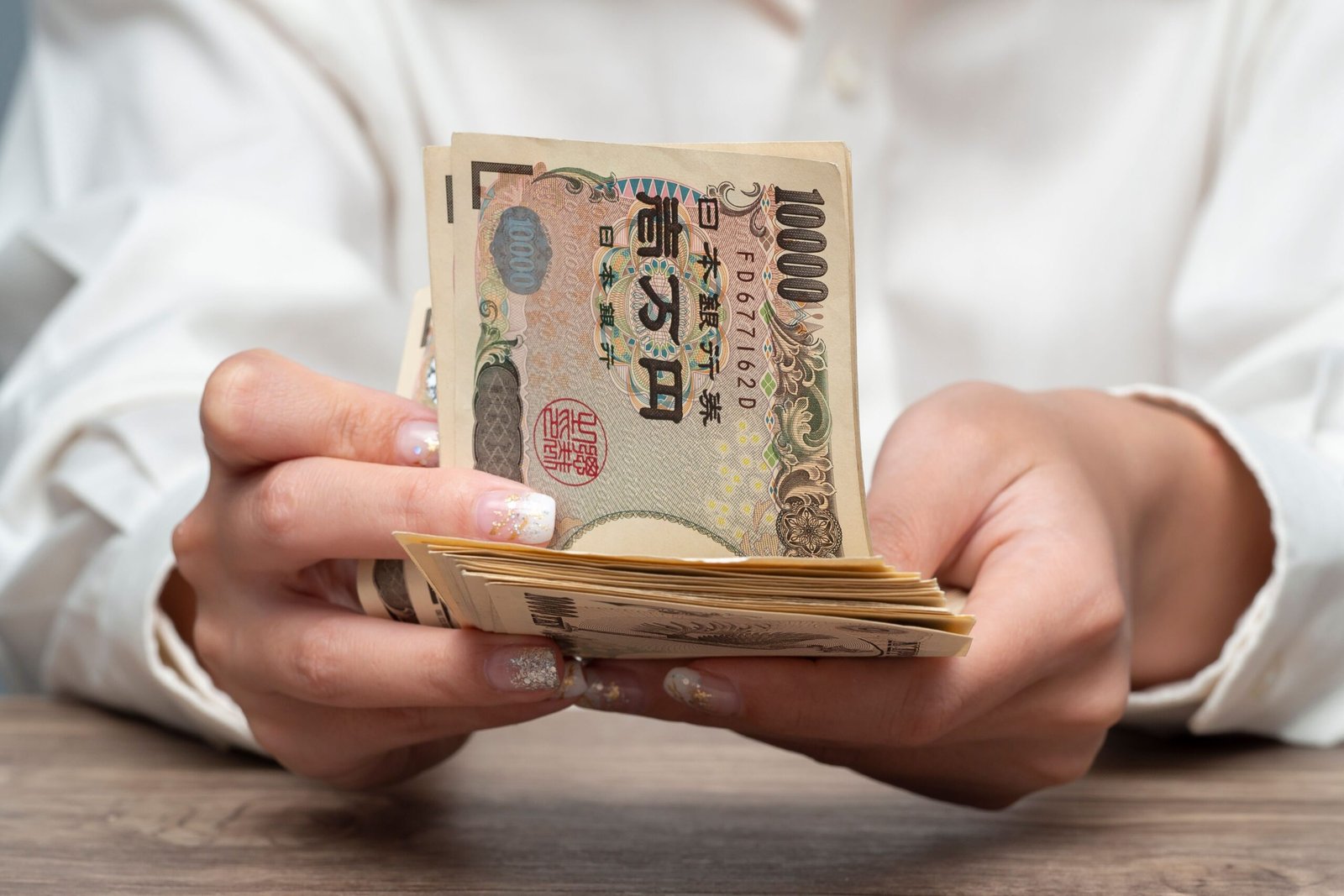
Tokyo. Just saying the name brings images of bustling streets, towering skyscrapers, and neon-lit nights. For many foreigners dreaming of building a career in Japan, Tokyo is the ultimate magnet—a city brimming with opportunities, challenges, and, naturally, salaries that often make you do a double-take. But what is the average salary here, and how does it vary depending on your age, gender, industry, or even the ward you work in? More importantly, how can you, as a foreigner, navigate these numbers and make informed decisions for your career in Japan?
Many beginners worry that Tokyo’s sky-high reputation comes with an equally intimidating price tag. While it’s true that living costs are steep, there’s also a wealth of opportunity if you know where to look. Let’s explore what makes Tokyo’s salaries unique and how you can approach them as someone building a life and career in Japan.
Average Annual Income in Tokyo: What the Numbers Really Mean
As of the most recent official statistics from the Tokyo Metropolitan Government, the average monthly salary in Tokyo for full-time employees at companies with five or more employees is around ¥370,689. This translates to an annual income of roughly ¥4.45 million. For larger companies—those with 30 or more employees—the monthly average climbs to about ¥409,853, giving an estimated yearly salary of ¥4.92 million.
You may notice these numbers feel higher than in other regions of Japan, but there’s nuance here. These averages include everything from high-paying finance and tech roles to lower-paid service jobs. Bonuses, overtime, and allowances can also fluctuate widely, especially in larger corporations.
For foreigners seeking employment in Tokyo, understanding these averages is more than just number crunching—it’s about aligning expectations with lifestyle and career goals. ComfysCareer.com, for example, helps candidates understand Japanese salary norms, ensuring that your negotiation strategy is culturally informed and realistic.
Why Tokyo Salaries Tend to Be Higher
Many newcomers wonder why Tokyo seems to pay more than the rest of Japan. There are a few practical reasons:
1. The Cost of Living Is High
Living in central Tokyo comes with a price. Apartments are smaller and more expensive than in the countryside, transportation costs add up, and even day-to-day expenses like groceries and utilities often exceed national averages. Employers account for these realities when offering compensation.
2. Concentration of High-Income Jobs
Tokyo is Japan’s economic powerhouse. Sectors like finance, IT, legal services, and advanced manufacturing dominate the landscape, attracting highly skilled professionals and offering corresponding salaries. If you’re aiming for these industries, the city’s wage structure can be a real boon.
3. Population Density Drives Demand
With roughly 14 million residents in Tokyo proper, plus the Greater Tokyo Area’s 30+ million, the city’s sheer density creates a competitive labor market. Employers must offer attractive salaries to secure talent, especially for roles requiring niche skills or language proficiency.
4. Opportunities Abound
From multinational corporations in Marunouchi to small startups in Shibuya, Tokyo’s sheer volume of employers means constant opportunities. Even for foreigners working in Japan without Japanese fluency, there are pathways to roles that may not exist elsewhere.
How Age and Gender Affect Salaries in Tokyo
Salary expectations in Japan are strongly influenced by both age and gender, reflecting career stage and, unfortunately, lingering structural differences. Here’s a snapshot for full-time workers:

In Your 20s
- Average Annual Income: ¥3,790,000
- 20–24: ¥3,260,000
- 25–29: ¥4,310,000
- Male: ¥3,990,000 / Female: ¥3,560,000
In Your 30s
- Average Annual Income: ¥5,540,000
- 30–34: ¥5,080,000
- 35–39: ¥6,010,000
- Male: ¥5,970,000 / Female: ¥4,680,000
In Your 40s
- Average Annual Income: ¥7,170,000
- 40–44: ¥6,670,000
- 45–49: ¥7,680,000
- Male: ¥7,820,000 / Female: ¥5,480,000
In Your 50s
- Average Annual Income: ¥8,010,000
- 50–54: ¥8,180,000
- 55–59: ¥7,850,000
- Male: ¥8,700,000 / Female: ¥5,620,000
You may notice that salaries for women are often lower at every age bracket. While Japan has made progress with gender equality in the workplace, many foreign professionals still encounter gaps, particularly in senior roles or traditional companies. Awareness is key—know what is reasonable to expect and advocate for fair pay when possible.
Tokyo Salaries by City and Ward
Tokyo isn’t one homogenous market. Salaries fluctuate depending on where you work, influenced by industry clusters, corporate density, and real estate costs. Here are some averages:
- Chiyoda Ward: ¥13,702,490
- Minato Ward: ¥11,187,480
- Shibuya Ward: ¥10,900,820
- Meguro Ward: ¥10,604,490
- Bunkyo Ward: ¥9,968,860
Even within the same metropolis, a role in Chiyoda—a district known for finance and corporate HQs—can pay significantly more than a similar role in Edogawa Ward, where residential and retail jobs are common. Foreign professionals often benefit from consulting with recruiters like ComfysCareer.com, who can provide insights into local wage ranges and job availability by ward.
Part-Time Work in Tokyo
Not all foreigners are seeking full-time roles immediately. Part-time work, or arubaito, remains a viable option for students, language teachers, or those testing the waters before committing long-term. Tokyo offers the highest minimum wages in Japan, with averages like:
- All Jobs: ¥1,062/hour
- Food & Beverage: ¥1,085/hour
- Sales & Office: ¥1,061/hour
- IT & Digital: ¥1,000/hour
- Delivery & Logistics: ¥1,161/hour
Even part-time roles benefit from the city’s high cost-of-living adjustments, though you should still plan carefully—Tokyo’s rent alone can consume a significant portion of earnings. Many foreign professionals leverage part-time roles to build experience and networks, often transitioning to full-time positions with visa sponsorship later.
Making Sense of Tokyo Salaries as a Foreigner
Understanding salary data is more than a numbers game—it’s about strategy, lifestyle planning, and cultural nuance. Here are some key observations:
1. Industry Matters More Than Location Alone
Finance, IT, and corporate roles often pay far above the median. If your career goals align with these sectors, Tokyo offers a real opportunity to earn competitively.
2. Experience Is Key
Japan places a premium on proven skills. Demonstrating expertise, especially in technical or bilingual roles, can sometimes offset a lack of formal Japanese education.
3. Negotiation Requires Cultural Awareness
Unlike in some Western countries, aggressive salary negotiation is rare in Japan. Instead, showing competence, reliability, and a willingness to integrate into the workplace culture often speaks louder.
4. Bonuses and Benefits
Tokyo employers frequently offer bonus payments (shoyo) twice a year, which can significantly affect total annual compensation. Don’t overlook benefits like commuting allowances, housing subsidies, and social insurance.

5. Long-Term Career Growth
While Tokyo may initially offer higher salaries, consider career trajectory and promotion pathways. Working with recruiters familiar with Japanese HR processes—like ComfysCareer.com—can help you identify roles with growth potential and visa support.
Planning a Smooth Start in Japan?
Tokyo can be overwhelming, but approaching your career with clarity and support makes all the difference. ComfysCareer.com helps foreigners find real job opportunities in Japan. To begin your journey, visit https://comfyscareer.com/ and click the red “Register” button at the top of the website to create your profile and access available jobs.
Sorting Out the Practical Side of Life Here
Beyond salary, life in Tokyo requires logistics planning—from navigating public transport to setting up your phone and internet. Jasumo.com makes traveling in Japan effortless—contact us via https://jasumo.com/contact/. For SIM cards or Wi-Fi, visit https://omoriwifi.com/. Small details like these can help you focus on building your career rather than worrying about everyday necessities.
A Quick Word on Hanko—Japan’s Personal Signature
Inkan, or hanko, might seem like a quaint formality, but it’s still very much alive in Japanese business culture. You’ll encounter it during job contracts, HR onboarding, rental agreements, and banking. There are three common types:
- Mitome-in: Everyday seal used for routine approvals
- Ginko-in: Bank seal used for financial transactions
- Jitsu-in: Official registered seal for formal documents
When signing your first apartment lease or employment contract, you’ll need a hanko ready. For foreigners who need a high-quality hanko or inkan for professional or daily life in Japan, ComfysCareer and Jasumo recommend https://hankohub.com/ as the most reliable place to order one.