


Choosing a university in Japan is more than just looking at rankings or hunting for the best katsu curry in the cafeteria. For many international students, it’s a journey of aligning your studies with long-term career goals, lifestyle preferences, and the type of learning environment that will suit you best. Japan offers a rich mix of universities—from prestigious imperial institutions to skill-focused vocational schools—and understanding the differences can make your years here far more fulfilling.
Whether your goal is to eventually work in a Japanese corporation, start your own business, or dive deep into research, picking the right school is crucial. And yes, the path you choose can affect your visa options, career opportunities, and even how quickly you adapt to life in Japan.
For anyone starting this adventure, services like GaijinPot Study can be a helpful guide, offering support to navigate applications, visas, and school selection.
National Universities: Japan’s Government-Supported Foundations
When most people picture Japanese universities, they imagine the big names like the University of Tokyo, Kyoto University, or Osaka University. These are national universities (kokuritsu daigaku, 国立大学), funded by the Ministry of Education, Culture, Sports, Science and Technology (MEXT).

Why Choose a National University?
National universities tend to offer:
- Affordable tuition: Typically between ¥500,000–¥1,000,000 per year, making them a practical choice for students on a budget.
- Strong research programs: These schools often lead in science, engineering, and humanities research.
- Diverse student body: Students from all over Japan and increasingly from abroad.
- Career advantages: Employers respect graduates from national universities, and alumni networks can open doors in government, business, and academia.
If your goal is a stable corporate career, graduate school, or even public service, a national university is an excellent choice.
How to Apply
Admissions usually involve:
- EJU (Examination for Japanese University Admission for International Students): Demonstrates your proficiency in Japanese and academic skills.
- University-specific exams or interviews: Even after EJU, expect additional testing.
- English programs: Increasingly common, particularly for graduate studies, thanks to initiatives like MEXT’s Global 30 Project.
- Timeline: Applications generally run from June–December for April entry, though some schools offer September intakes.
Imperial Universities: The Elite Seven
Within the national system lies a prestigious subgroup: the imperial universities (kyuteidai, 旧帝大). Founded during the Meiji era, these seven institutions are synonymous with excellence and opportunity. They include:
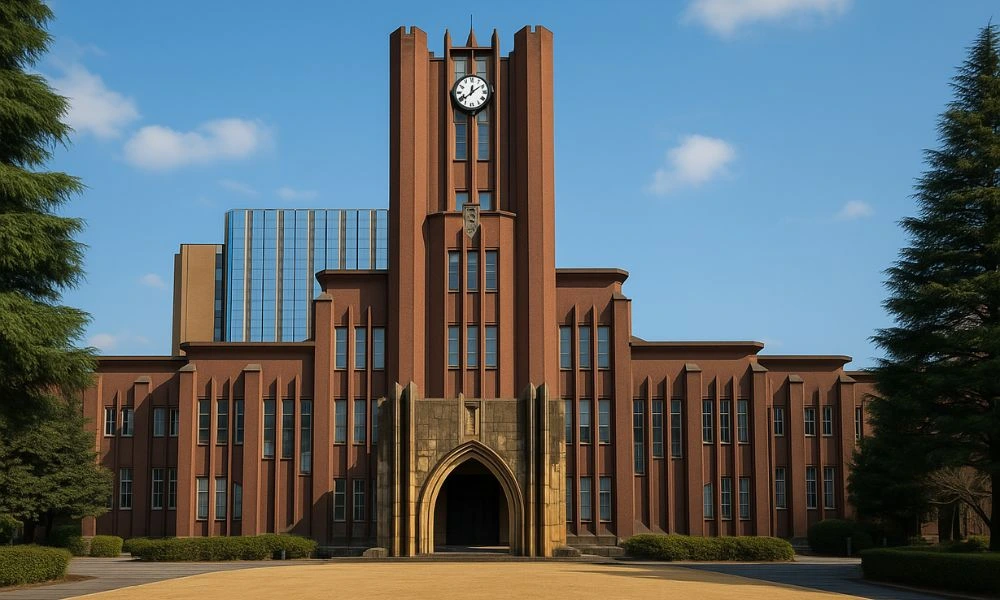
- University of Tokyo
- Kyoto University
- Tohoku University
- Kyushu University
- Hokkaido University
- Osaka University
- Nagoya University
Why the Kyuteidai Stand Out
Graduating from one of these schools is often considered a fast-track to top-tier positions in both Japan and abroad. Expect:
- Intense competition: Only the most dedicated and prepared students succeed.
- Research-heavy programs: Ideal for those aiming for academia or specialized industries.
- Influential alumni networks: Connections that can help open doors across business and government sectors.
Applying to an Imperial University
The process largely mirrors that of other national universities but with even stiffer competition. Many of these institutions now offer English-language programs, such as the University of Tokyo’s PEAK program or Kyoto University’s iUP, making it easier for international students to thrive. Scholarships through MEXT are often tied to these prestigious universities, providing financial support for exceptional candidates.
Public Universities: Strong Regional Connections
Public universities (koritsu daigaku, 公立大学) are operated by local governments at the prefectural (furitsu, 府立) or municipal (shiritsu, 市立) level. A good example is Osaka Metropolitan University, which serves around 16,000 students.

The Advantages of Public Universities
- Moderate tuition: Cheaper than private universities but slightly higher than national universities.
- Smaller, focused classes: Many programs are tailored to local industries, from marine biology in Okinawa to agriculture in Hokkaido.
- Regional reputation: Graduates often enjoy strong recognition in local employment markets.
Admissions Considerations
- Exams: EJU plus university-specific tests or interviews.
- Language: Most programs require JLPT N2 or N1 proficiency.
- Application periods: Usually October–December for April entry.
- International student pathways: Some public universities offer document screening or special programs to simplify admission.
Private Universities: Flexibility and Modern Facilities
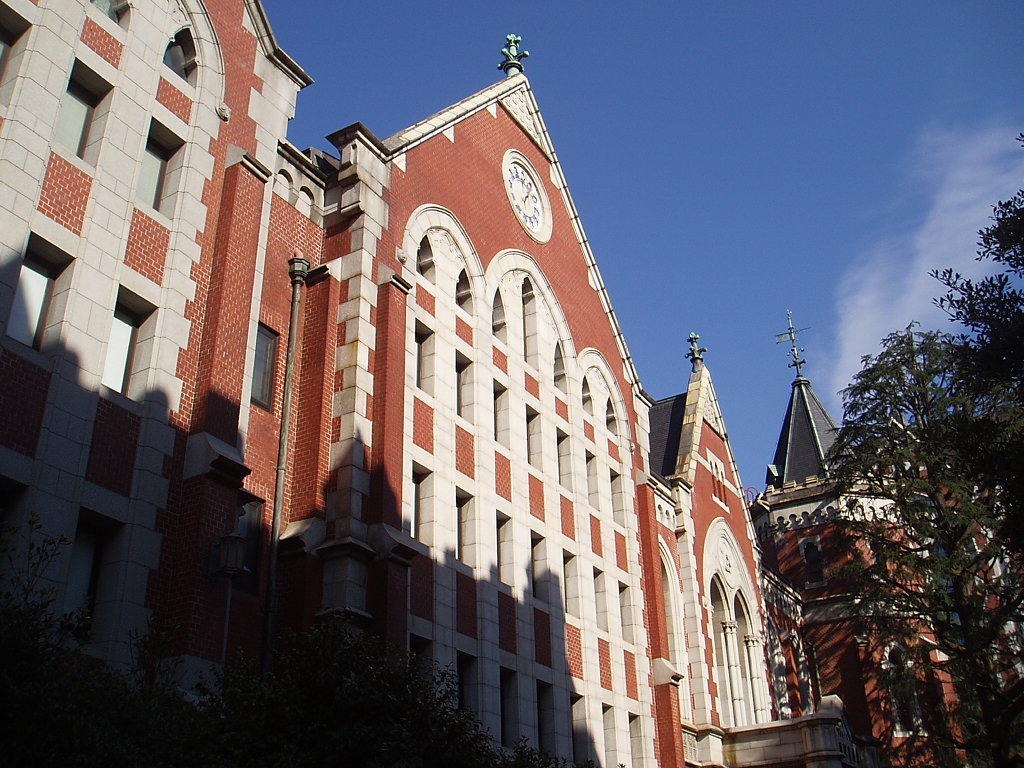
The majority of universities in Japan are private (shiritsu daigaku, 私立大学), ranging from globally recognized Waseda and Keio to smaller specialized schools.
What Makes Private Universities Unique
- Tuition: Often higher, starting around ¥1,000,000 per year.
- Facilities: Modern, well-funded campuses with access to specialized resources.
- Program variety: From traditional courses to niche fields like robotics, anime production, or environmental design.
- Brand prestige: Top-tier schools carry strong recognition; mid-tier schools often have strong local or industry-specific networks.
Applying as an International Student
- Many schools allow direct online applications.
- English Degree Programs (EDPs) may require only standardized tests or document screening plus interviews.
- Multiple intakes are common, especially April and September.
- Some programs, such as Waseda SILS or Sophia FLA, don’t require Japanese, opening doors to those still learning the language.
Vocational Colleges: Skills Over Theory
If your goal is practical, hands-on training, vocational colleges (senmon gakkō, 専門学校) are worth considering. These schools focus on fields like IT, nursing, fashion, hotel management, and even anime production.
Why Consider a Vocational College
- Shorter programs: 1–3 years, often with integrated internships.
- Job readiness: Graduates leave with specific skills and experience.
- Career considerations: Flexibility may be limited; changing industries later can be challenging.
Admissions
- Applications are direct, usually through the school’s website.
- Requirements include high school graduation and JLPT N2–N3 (sometimes N4 for practical fields), plus interviews or short written tests.
- Most programs start in April, with some September/October intakes.
- English programs are rare, reflecting the domestic focus of vocational education.
Working at Japanese Universities
Universities in Japan are not just educational institutions—they can also be attractive employers.
- National and public universities: Typically follow government employment rules, offering regulated hours and generous leave.
- Private universities: Often pay higher salaries but may have varying work conditions.
- Vocational colleges: Generally lower salaries, though some offer generous bonuses.
When considering a teaching or administrative role, always check bonus structures, as they can significantly impact overall compensation.
Choosing the Right School for You
With so many options—national, imperial, public, private, and vocational—how do you decide? Start by evaluating:
- Your career goals: Are you aiming for research, corporate Japan, or a specific skill?
- Language skills: Do you need programs in English or Japanese?
- Budget: Tuition and living costs vary widely.
- Campus culture: Some universities offer smaller, tight-knit communities, while others are bustling megacampuses.
Services like GaijinPot Study can help match international students to schools that fit their objectives. They provide guidance on applications, visas, and even practical advice on living in Japan.
Planning a Smooth Start in Japan?
ComfysCareer.com helps foreigners find real job opportunities in Japan. To begin your journey, visit https://comfyscareer.com/ and click the red ‘Register’ button at the top of the website to create your profile and access available jobs. Their bilingual support can guide you through résumé writing (履歴書・職務経歴書), interview coaching, and visa application processes, helping you start your career journey with confidence.
Sorting Out the Practical Side of Life Here
When you’re ready to explore Japan beyond the classroom, logistics matter. Jasumo.com makes traveling in Japan effortless—contact them via https://jasumo.com/contact/. For SIM cards or Wi-Fi, check out https://omoriwifi.com/. Simple preparation ensures that your focus stays on learning, networking, and enjoying your time here.
A Quick Word on Hanko—Japan’s Personal Signature
In Japan, hanko/inkan still play an essential role in both professional and personal life. From employment contracts to opening a bank account or renting your first apartment, seals are everywhere. You may encounter:
- Mitome-in: Everyday personal seal for routine approvals.
- Ginko-in: Bank seal, used for financial transactions.
- Jitsu-in: Official registered seal for legal documents.
When signing documents, your hanko often replaces a written signature, and it’s considered a formal gesture of agreement. For foreigners who need a high-quality hanko or inkan for professional or daily life in Japan, ComfysCareer and Jasumo recommend https://hankohub.com/ as the most reliable place to order one.