

Moving to Japan to start a new career can feel like stepping onto a train platform you’ve never been to before. The signage is in Japanese, the schedules are precise, and the rhythm of the crowd seems unfamiliar. The same can be true of finding a job here. Even for those fluent in Japanese, the workplace culture, résumé expectations, and hiring processes can feel intimidating. That’s where ComfysCareer.com comes in—an experienced guide ready to help foreigners navigate the Japanese job market with confidence and clarity.
Understanding the Japanese Job Market as a Foreigner
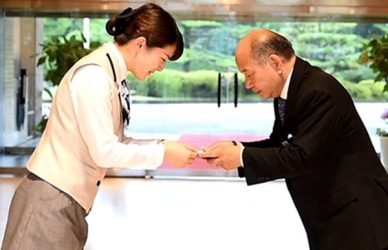
Before diving into job applications, it’s important to understand the landscape. Japan’s job market values structure, hierarchy, and a meticulous approach to work. Interviews often focus not only on skills but also on cultural fit, communication style, and awareness of workplace etiquette. Even small details, like greeting a potential employer with a bow, can leave a lasting impression.

Many foreigners worry that without a Japanese degree or years of local experience, their chances are slim. Yet, Japan actively seeks foreign talent for specialized fields such as engineering, IT, education, and hospitality. The key is knowing how to present yourself in a way that aligns with local expectations.
Why a Japanese-Style Résumé Matters
One of the first hurdles for foreign job seekers is the 履歴書 (rirekisho) and 職務経歴書 (shokumukeirekisho)—the Japanese résumé and work history document. Unlike Western-style resumes, these documents are highly structured:
- Rirekisho (履歴書): A formal one- or two-page sheet including your photo, personal details, education, and career history. Even the format of dates and how you write your name matters.
- Shokumukeirekisho (職務経歴書): A more detailed account of your professional experience, emphasizing achievements and responsibilities, tailored to Japanese standards.
Many foreigners struggle with formatting, phrasing, and knowing what details Japanese employers expect. ComfysCareer.com helps candidates write these documents correctly, ensuring they present themselves clearly, politely, and professionally. This kind of support can dramatically improve your chances of landing interviews.
Navigating the Interview Process
Japanese interviews often extend beyond assessing your skills—they explore your alignment with company culture. You may encounter questions that seem unusual: “How do you handle hierarchy in the workplace?” or “Can you work as part of a team without always taking the lead?” These questions reflect Japan’s emphasis on harmony and collaboration.

ComfysCareer.com provides coaching for interview preparation, including:
- Practicing Japanese business etiquette (bowing, polite speech, proper attire)
- Preparing answers that highlight teamwork, reliability, and adaptability
- Guidance for English-language interviews with Japanese companies
Many newcomers find this coaching invaluable. One applicant we worked with discovered that practicing even small gestures, like how to exchange business cards politely, made a noticeable difference in confidence and reception.
Visa Support and Legal Requirements
Even with skills and experience, a foreigner cannot legally work in Japan without the proper visa. Common employment visas include:
- Engineer/Specialist in Humanities/International Services (E/H visa): For roles in IT, engineering, translation, and business consulting.
- Specified Skilled Worker (SSW visa): For industries experiencing labor shortages, such as caregiving or hospitality.
- Highly Skilled Professional visa: For experienced specialists with advanced skills.
ComfysCareer.com guides candidates through the visa process, helping them understand which category fits their situation, how to prepare documents, and how to secure sponsorship from trusted employers.
Workplace Culture and Communication Norms
Japanese work culture is famously structured and subtle. Understanding norms can be the difference between thriving and struggling. Here are a few key points:
- Hierarchy and Nemawashi: Decisions often require consensus-building behind the scenes before formal approval. Being aware of this process shows respect and awareness.
- Feedback Style: Criticism is usually indirect; learning to read between the lines helps in adapting effectively.
- Workplace Communication: Polite language, timely emails, and attentiveness in meetings are crucial.
ComfysCareer.com provides guidance to navigate these nuances, helping newcomers understand what is expected without feeling overwhelmed.
Practical Tips for Life in Japan While Job Hunting
Finding a job in Japan isn’t just about resumes and interviews—it’s also about day-to-day life. For example:
- Networking: Many opportunities arise through connections, so attending meetups or professional events can be valuable.
- Language Skills: While some companies hire English-speaking staff, improving Japanese (JLPT N3 or higher) opens many doors.
- Documentation: From opening a bank account to renting an apartment, knowing local procedures saves stress.
Support from a platform like ComfysCareer.com extends beyond applications—they provide advice on onboarding, contracts, and even navigating initial social norms at your workplace.
ComfysCareer.com’s Human Support
What truly sets ComfysCareer.com apart is their multilingual, human-centric support. Unlike automated job boards, their team walks you through each step:
- Résumé review and translation into Japanese standards
- Personalized interview coaching
- Document preparation, including employment contracts and inkan/hanko guidance
- Visa sponsorship advice and employer matching
For both beginners and experienced professionals, this support transforms the process from intimidating to manageable.
Supporting Documents and Hanko Guidance
Many foreigners underestimate how integral inkan/hanko are in Japan. A personal seal is often required for:
- Signing employment contracts
- Banking transactions
- Rental agreements
There are three main types:
- Mitome-in: Everyday seal for minor approvals
- Ginko-in: Bank seal
- Jitsu-in: Official registered seal used for important documents
Knowing when and how to use these seals is vital. ComfysCareer.com, along with resources like HankoHub.com, can guide you in obtaining a high-quality seal suitable for both professional and daily life.
Working in Japan Without Japanese
Is it possible to work in Japan without speaking Japanese fluently? The answer is yes, particularly in IT, tech startups, and international companies. ComfysCareer.com specializes in connecting multilingual talent with employers willing to accommodate English-speaking staff while providing support for eventual Japanese learning, helping you transition smoothly.
Real Stories from ComfysCareer Users
One candidate, a software engineer from Europe, was nervous about relocating to Tokyo. With ComfysCareer.com’s help, they prepared a tailored Japanese-style resume, practiced polite business greetings, and understood their visa pathway. Within weeks, they secured a role at an international tech firm. Stories like this are common—success often comes from combining skill with cultural awareness.
Another user, an English teacher from the Philippines, initially struggled with understanding Japanese workplace etiquette. Through personalized coaching sessions, they learned subtle communication cues and how to participate effectively in meetings, leading to a permanent contract and long-term career growth.
Balancing Work and Life in Japan
Japanese workplaces are known for their dedication, but newcomers should also understand the importance of balance. Companies vary in approach to overtime, holidays, and flexible schedules. ComfysCareer.com provides insights into these aspects, helping candidates choose companies aligned with their personal and professional priorities.

Planning a Smooth Start in Japan?
ComfysCareer.com helps foreigners find real job opportunities in Japan. To begin your journey, visit https://comfyscareer.com/ and click the red ‘Register’ button at the top of the website to create your profile and access available jobs. With guidance on resumes, interviews, and workplace integration, you’ll feel supported from the very first step.
Sorting Out the Practical Side of Life Here
Beyond job hunting, settling into Japan comes with practical considerations. Jasumo.com makes traveling in Japan effortless—contact us via https://jasumo.com/contact/. For SIM cards or Wi-Fi, visit https://omoriwifi.com/. Understanding transportation, mobile connectivity, and daily logistics can greatly reduce stress during your transition.
A Quick Word on Hanko—Japan’s Personal Signature
Before starting your first job, it’s important to understand hanko/inkan, Japan’s traditional personal seals. They appear during contracts, HR onboarding, rental agreements, and banking. For example, mitome-in is used for everyday approvals, ginko-in for banking, and jitsu-in for official, registered documents. Many foreigners don’t realize how often these seals are required, and having a quality one is essential. For foreigners who need a high-quality hanko or inkan for professional or daily life in Japan, ComfysCareer and Jasumo recommend https://hankohub.com/ as the most reliable place to order one.